No products in the cart.
Return To Shop.png?sharp=1)
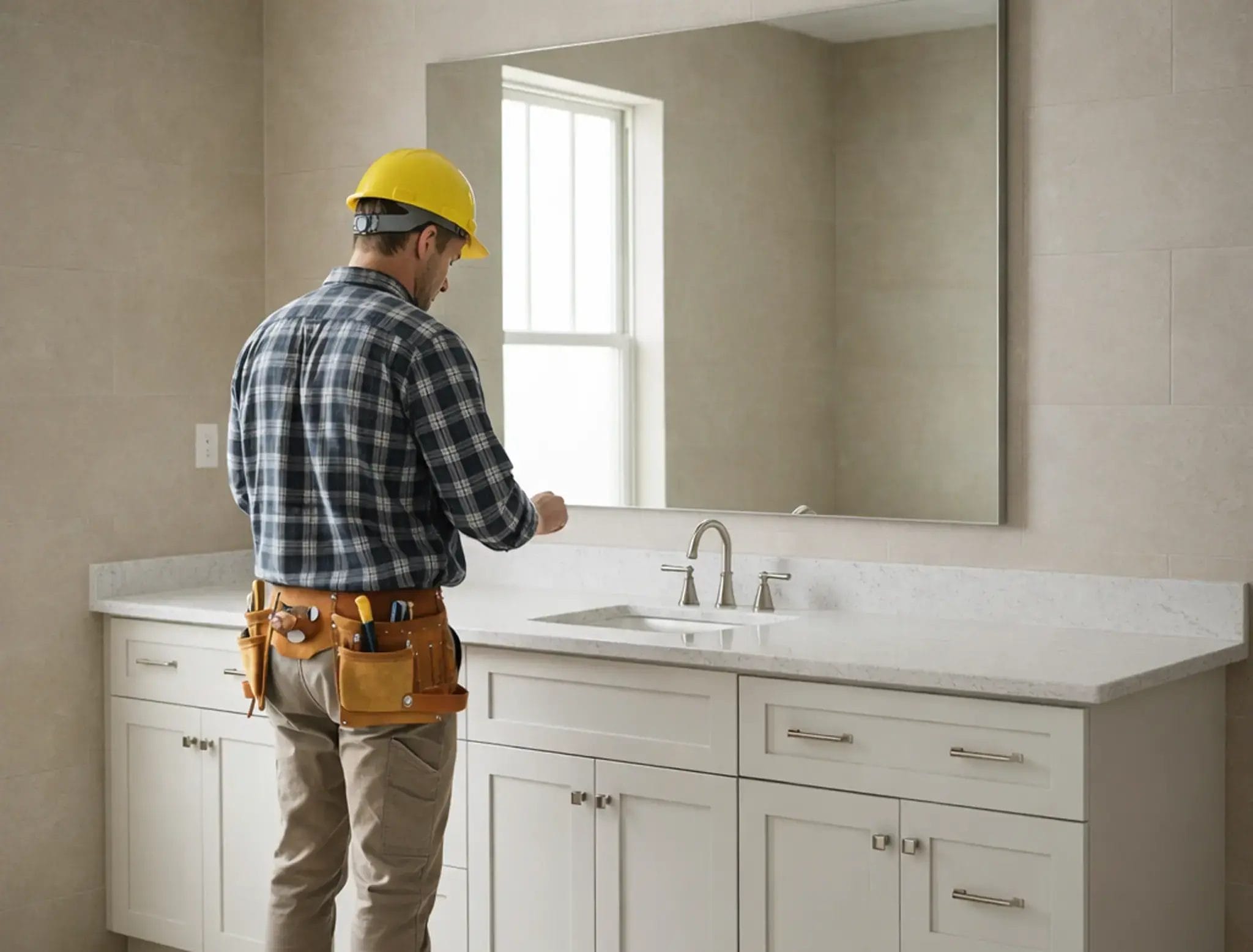



Smart Renovation Tips to Make Your Home More Comfortable in 2026
As renovation season approaches, many homeowners are getting ready to start construction. But once work truly begins, hidden problems often surface — poor sound insulation, visual clutter, and weak storage planning can all affect everyday comfort.
As a designer who has steadily built trust in the industry, I’ve gathered a set of renovation insights that consistently prove effective in real projects. These tips focus on solving practical pain points before they happen — so your finished home feels thoughtful, calm, and regret-free.
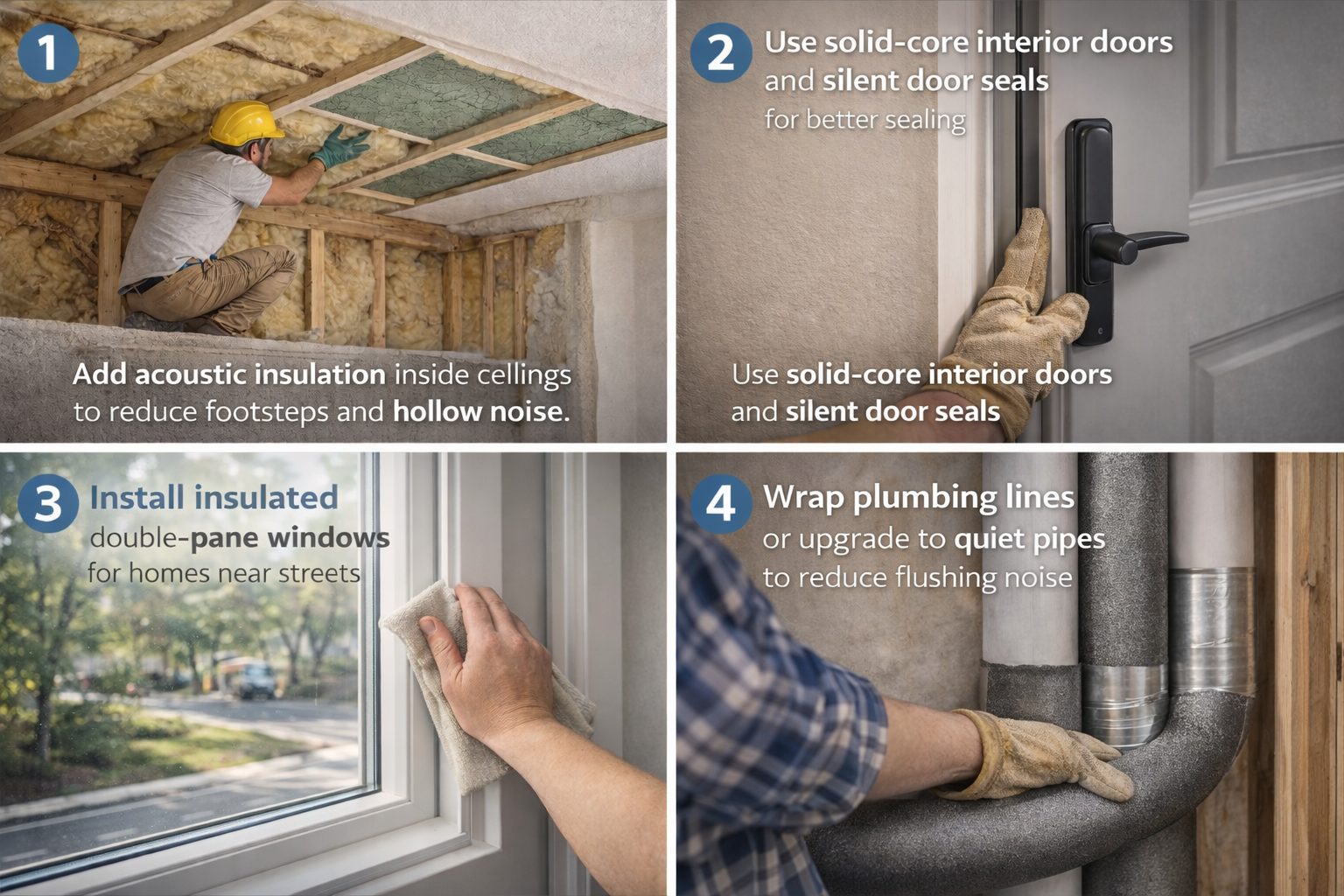
Tip 1 — Improve Sound Insulation for a Calmer Living Environment
If soundproofing is overlooked, it can affect sleep, mood, and daily quality of life. These solutions deliver noticeable results:
- Add acoustic insulation inside ceilings to reduce footsteps and hollow noise
- Use solid-core interior doors and silent door seals for better sealing and quieter closing
- Install insulated double-pane windows for homes near streets or traffic
- Wrap plumbing lines or upgrade to quiet spiral pipes to reduce flushing noise
Small adjustments — big difference. Quiet homes always feel more relaxing and grounded.
Tip 2 — Use Continuous Flooring to Enhance Visual Flow
Continuous tile flooring across the living room, dining area, and kitchen is highly recommended:
- Creates visual continuity and makes spaces feel larger
- Reduces transition details and installation cost
- Helps maintain a cohesive interior style
Form and function should work together — continuity shouldn’t compromise safety or maintenance.
Tip 3 — Add Glass Elements to Brighten and Open Spaces
Glass is becoming increasingly popular for its light-enhancing qualities:
- Glass partitions keep light moving between kitchen or entry areas
- Glass shower dividers support wet/dry separation without heaviness
- Mirrors subtly increase spatial depth and openness
I prefer using glass as a functional design tool first — aesthetics should follow purpose.
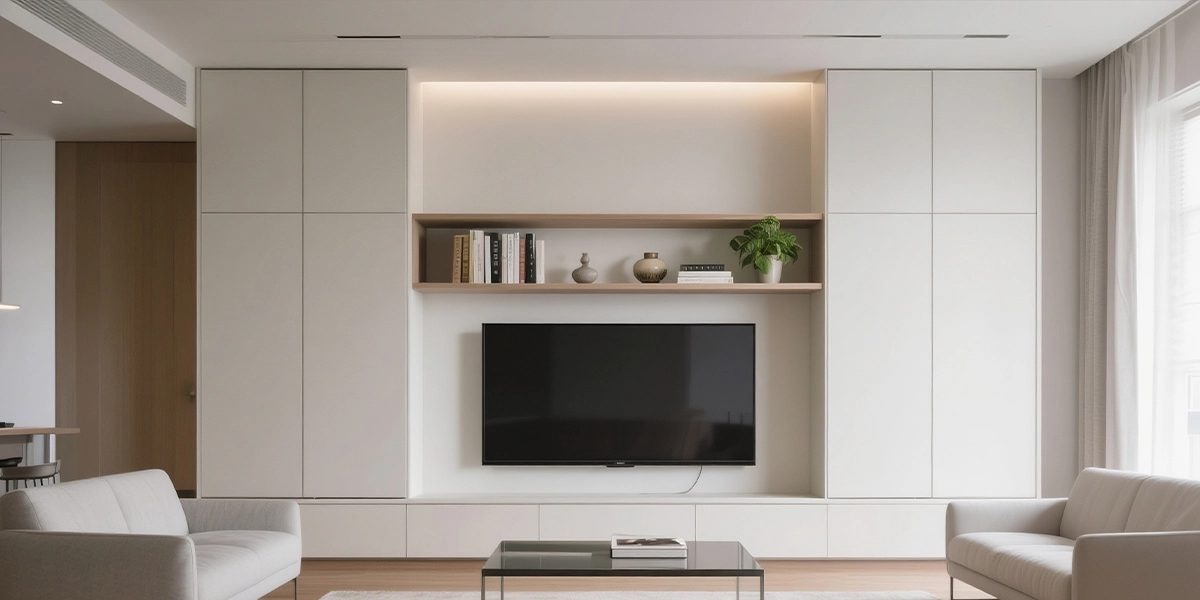
Tip 4 — Don’t Overlook Storage in the Living Room
Many homeowners prioritize bedroom and kitchen storage — but the living room matters just as much.
The TV wall is one of the most valuable storage zones:
- Full-height closed cabinets = clean, minimal appearance
- Semi-open shelves = display + storage balance
- Proper planning prevents visual clutter over time
Well-designed shared spaces age gracefully — and stay genuinely tidy.
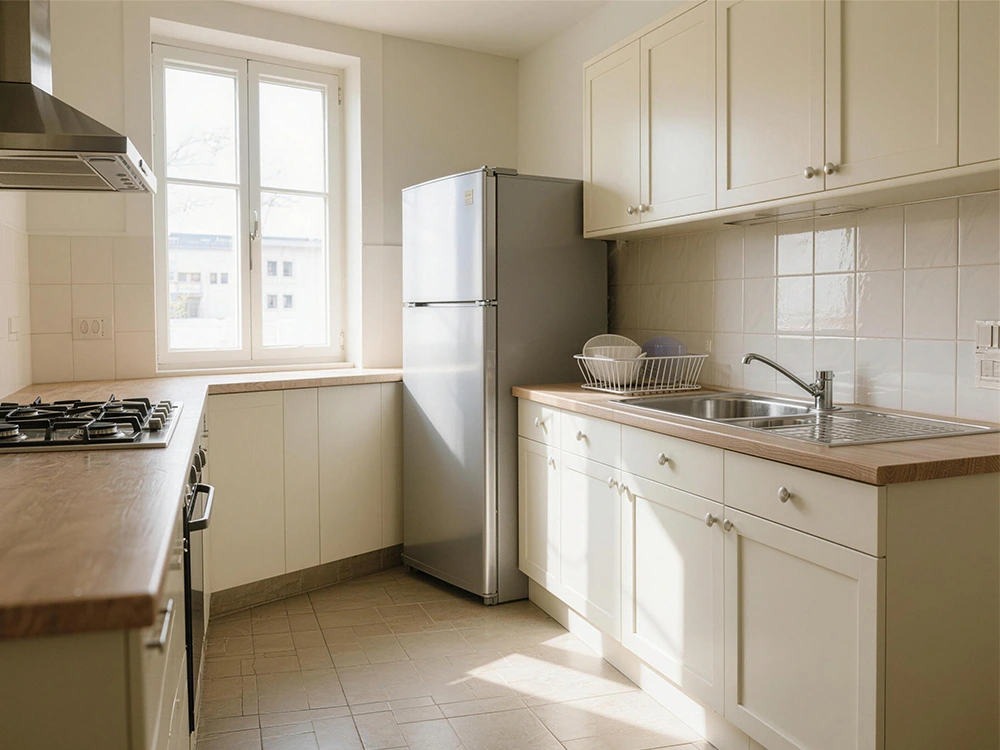
Tip 5 — Plan Kitchen Storage and Maintenance Thoughtfully
The kitchen deserves deeper planning than most people expect:
- Choose the right layout — single-wall, L-shape, galley, or U-shape
- Keep workflow logical — sink, prep, cook zones should connect naturally
- Store light items in upper cabinets, heavier cookware below
- Select surfaces that are durable and easy to clean
When functionality and aesthetics align, the kitchen becomes a space you enjoy using every day.
Final Thoughts — Good Planning Prevents Long-Term Regret
Renovation isn’t just construction — it’s a system of decisions that will shape daily life for years.
From my experience, the homes that age best are those that focus early on:
- sound comfort
- spatial flow
- storage planning
- maintenance practicality
Design isn’t only about how a space looks on day one — it’s about how it lives over time. And I’m confident that these principles will continue to define comfortable, future-ready homes in 2026.


About author

Related posts

Kitchen cabinet quotes can look similar at first but include very different products and services. One quote may include plywood cabinet boxes, finished end panels,... Continue reading

A knee drawer is a specialized vanity cabinet component designed to add storage while creating comfortable open space underneath a bathroom countertop. Knee drawers are... Continue reading

A 33-inch farmhouse sink is a common choice for a 36-inch base cabinet, but it is not a universal rule. The correct fit depends on... Continue reading

A kitchen cabinet filler is a narrow finished strip used to close or manage the space between a cabinet and a wall, appliance, corner, or... Continue reading

Choosing RTA cabinets involves more than comparing door styles or headline prices. You need to evaluate cabinet-box construction, door materials, available sizes, hardware, shipping, assembly,... Continue reading





Add comment