No products in the cart.
Return To Shop.png?sharp=1)


Aspen (Wood for Cabinetry)
Aspen is a North American hardwood that’s often used in lower-cost cabinetry. It’s widely available and easy to work with, which is why you’ll sometimes see it used in budget-friendly cabinet lines or for decorative components.
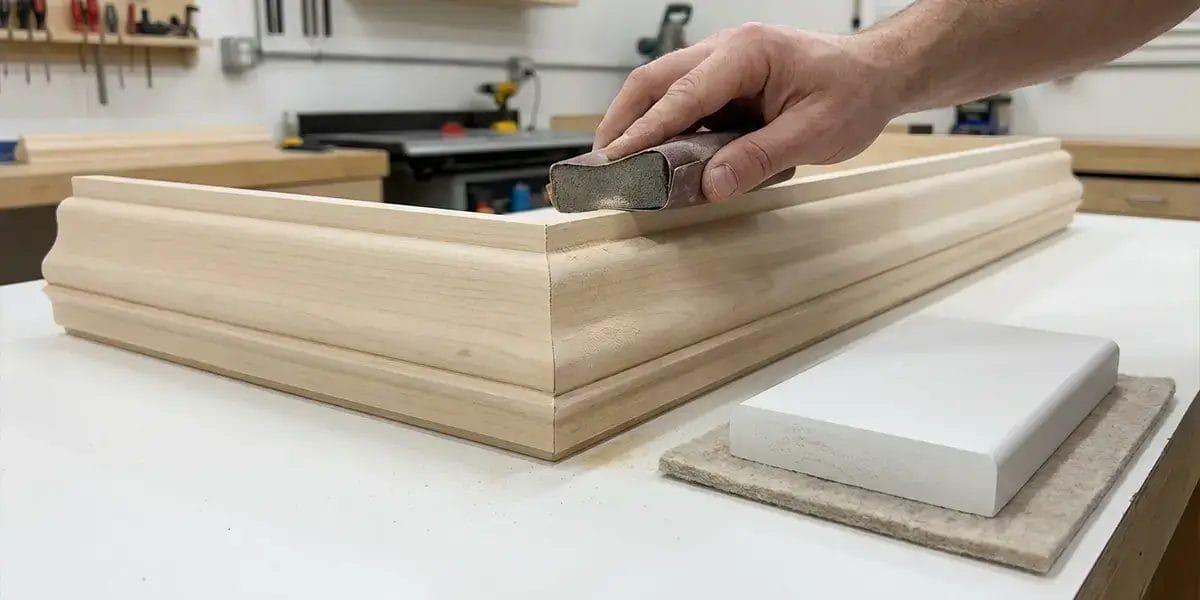
From a builder’s standpoint, aspen is one of the softer hardwoods, and that really defines how it performs. It cuts and mills very easily, making it a good choice for trim pieces, accents, or detailed profiles where shaping the wood matters more than strength. It also takes paint and stain fairly well, giving it a clean, even appearance when finished.
That said, softness comes with trade-offs—and this is where I always ask homeowners to pay closer attention.
Aspen is not ideal for structural cabinet parts. For anything that needs to carry weight over time—like cabinet boxes, frames, or shelving—it simply doesn’t have the same durability as stronger woods. In real-world use, that can mean more wear, less stability, and a shorter lifespan if it’s used in the wrong places.
Here’s the practical way to think about it:
- ✔ Good for decorative elements and painted finishes
- ✔ Works in budget-conscious projects when used selectively
- ✘ Not recommended for load-bearing cabinet construction
- ✘ Less durable compared to alternatives like maple or poplar
In the U.S. market, most well-built cabinets use stronger materials for the structure, even in affordable ranges. Woods like maple or poplar often provide a similar look but hold up much better over time.
If you’re considering cabinets that include aspen, my advice is simple—ask where it’s being used. If it’s limited to accents or non-structural parts, it can be perfectly fine. But for the core construction, choosing a stronger material is usually the better long-term investment.


About author






Add comment