No products in the cart.
Return To Shop.png?sharp=1)


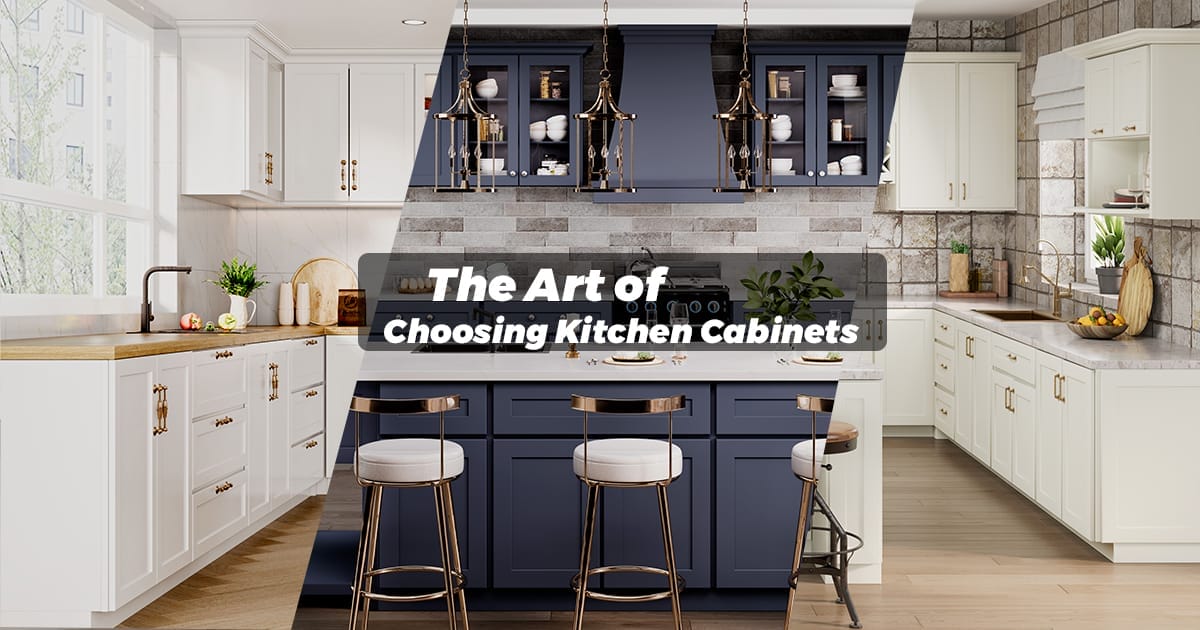
The Art of Choosing Kitchen Cabinets: Lessons from 30 Years of Designing American Kitchens
By Elizabeth Carter, Kitchen Designer & Cabinetry Specialist
Over the past thirty years, I’ve had the privilege of helping hundreds of American families create kitchens that are both functional and beautiful. From classic country kitchens in New England to sleek modern lofts in Chicago, one lesson has remained constant: cabinet design shapes how a kitchen feels, functions, and lives with its family.
Choosing between single-tone and two-tone cabinets may seem like a small decision, but it is far from trivial. It influences how light bounces through your space, how wear and tear shows up, and even how inviting your kitchen feels for both daily life and entertaining.
Table of Contents
Single-Tone Cabinets: A Timeless Choice
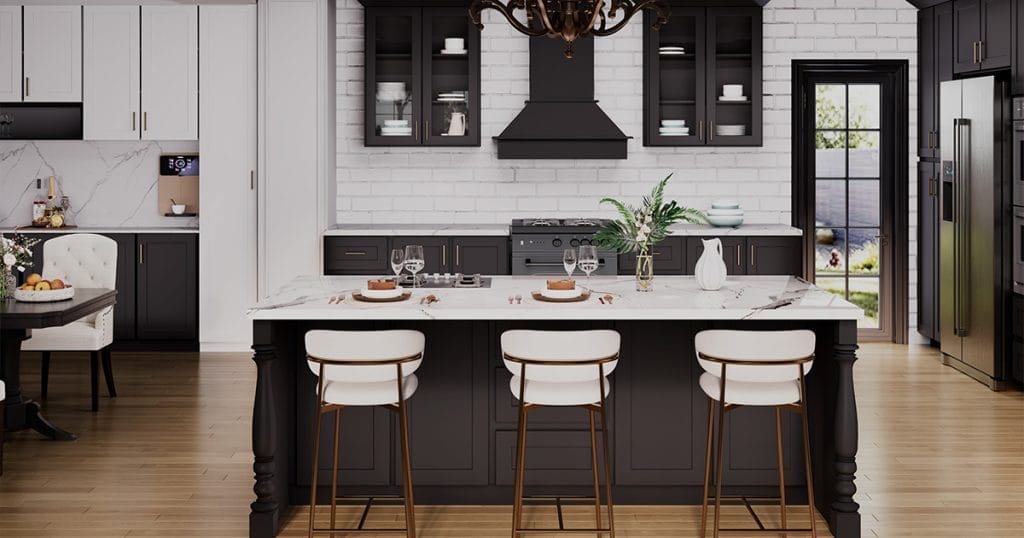
There is undeniable elegance in a single-color kitchen. A uniform palette—be it crisp white, soft gray, or a muted taupe—instantly creates cohesion. In open-concept American homes, where the kitchen flows into living and dining areas, single-tone cabinets can make the space feel seamless and harmonious.
In my experience, single-tone kitchens have stood the test of time for several reasons:
- Resale-friendly neutrality: Neutral colors appeal to a wide range of buyers, which is why many homeowners I’ve worked with choose white or gray when they plan to sell within five years. For those looking to add a bold, contemporary touch, black cabinets provide a sleek, modern contrast that elevates the kitchen’s style.
- Simplicity and maintenance: One color means fewer touch-ups, easier paint matching, and a less complex installation.
- Timelessness: A single-tone palette rarely feels dated, even as trends evolve.
That said, single-tone kitchens can sometimes feel visually flat, particularly in homes with high ceilings or large open spaces. In busy family kitchens, scratches and spills on lighter finishes can be more noticeable, which is something I always caution my clients about.
Two-Tone Cabinets: Depth, Function, and Personality
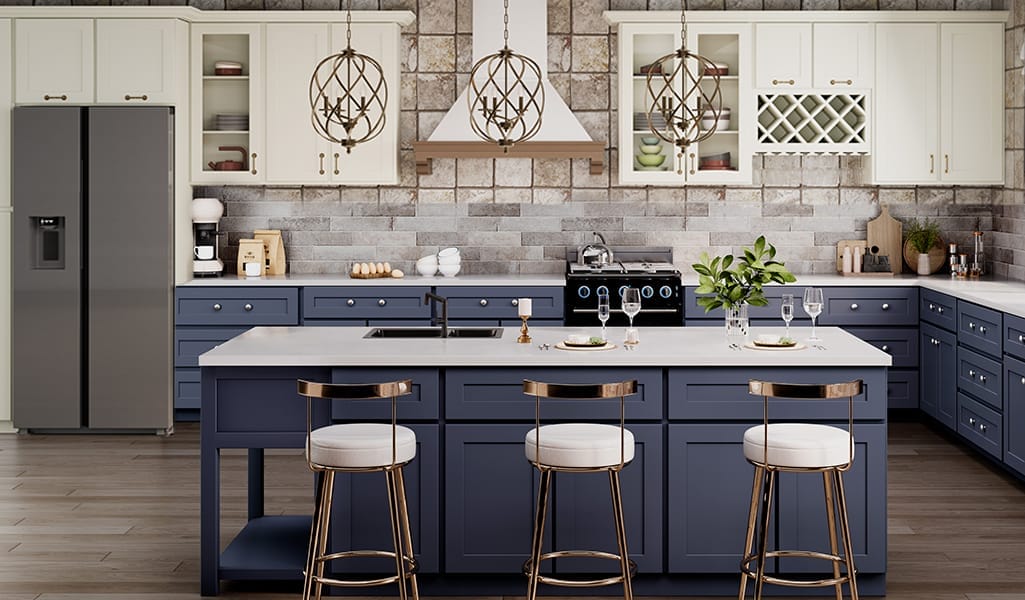
When executed thoughtfully, two-tone cabinetry offers far more than visual interest—it solves practical challenges while creating a space that feels curated and intentional.
For example, I often recommend darker shades on lower cabinets—think navy, charcoal, or deep forest green. These areas see the most wear and tear from cooking, cleaning, and daily life, and darker finishes help conceal scuffs and stains. Lighter colors on upper cabinets or open shelving reflect light and make the kitchen feel brighter and more open, a critical consideration in homes with smaller windows or lower natural light.
Two-tone designs also allow the kitchen to tell a story. I’ve paired warm oak islands with white perimeter cabinets in suburban homes, creating a subtle contrast that feels natural and grounded. In urban lofts, combining a matte black island with soft gray uppers produces drama without overwhelming the senses.
For homeowners looking to refine their kitchen’s overall palette, choosing the right cabinet color is an essential step in achieving balance and harmony.
Unlike single-tone kitchens, a two-tone approach encourages a layered, furniture-like feel, making islands, pantries, or sink runs focal points rather than just storage. In thirty years, I’ve seen these designs elevate the everyday experience of cooking and entertaining.
The Realities of Family Life

American kitchens are rarely just for cooking—they are home offices, homework stations, and social hubs. Cabinet choice must accommodate how families actually live:
- Traffic patterns: Heavy-use areas such as lower cabinets near the dishwasher or stove benefit from durable, easy-to-clean finishes.
- Light and openness: Upper cabinets or walls that catch natural light are ideal for lighter, decorative finishes.
- Pets and children: Scuffs, spills, and fingerprints are inevitable. Two-tone designs allow families to strategically manage visibility and wear.
From my decades of experience, the kitchens that endure in both beauty and functionality are those where the cabinet palette aligns with daily life, not just Instagram-ready photos.
Resale and Long-Term Value
The resale market also plays a subtle role in cabinet decisions. Single-tone kitchens provide a safe, widely appealing backdrop for buyers, especially in suburban neighborhoods or historic districts. Two-tone kitchens, when done with classic pairings, can convey high-end design sophistication, but overly bold or unconventional choices may limit appeal.
A compromise I often suggest to homeowners planning resale is a neutral perimeter with a darker or wood-toned island. This adds visual interest without alienating buyers, and it is often a cost-effective strategy.
Trends and Forward Thinking
Looking ahead, several trends are shaping how American kitchens are designed:
- Sustainable materials and low-VOC finishes: Families are increasingly aware of indoor air quality and environmental impact. Selecting eco-friendly paints, laminates, and woods ensures that your kitchen is both safe and durable.
- Modularity and future-proofing: Standardized door sizes and hinges allow homeowners to replace or update parts of a kitchen without a full renovation, making two-tone layouts more practical.
- Smart integration: Soft-close drawers, sensor lighting, and organized storage are now expected. Placing durable finishes where use is heaviest ensures longevity.
- Advanced surface technology: Stain-resistant and scratch-resistant materials allow lighter colors to survive daily wear, broadening the palette of safe options for upper cabinets or accent runs.
A Personal Reflection
After three decades of designing kitchens, I’ve learned that the “best” choice isn’t simply one color versus two—it’s how your kitchen aligns with your life. Single-tone offers simplicity and longevity; two-tone offers depth, function, and a chance to make a space uniquely yours.
I’ve seen families transform ordinary kitchens into the heart of the home through thoughtful color placement. I’ve watched children do homework at bright, airy islands while parents prep meals on durable dark cabinets below. And I’ve witnessed kitchens that effortlessly balance daily function with aesthetic sophistication—spaces that are as practical as they are beautiful.
Whether you lean toward single-tone or two-tone cabinets, the key is intentionality. Consider how the space will be used, how it will age, and how it reflects the personalities of those who live there. With thoughtful planning, your kitchen can be more than a room; it can be the heart of your home, designed to live well and beautifully for decades.


About author

Related posts

Kitchen cabinet quotes can look similar at first but include very different products and services. One quote may include plywood cabinet boxes, finished end panels,... Continue reading

A knee drawer is a specialized vanity cabinet component designed to add storage while creating comfortable open space underneath a bathroom countertop. Knee drawers are... Continue reading

A 33-inch farmhouse sink is a common choice for a 36-inch base cabinet, but it is not a universal rule. The correct fit depends on... Continue reading

A kitchen cabinet filler is a narrow finished strip used to close or manage the space between a cabinet and a wall, appliance, corner, or... Continue reading

Choosing RTA cabinets involves more than comparing door styles or headline prices. You need to evaluate cabinet-box construction, door materials, available sizes, hardware, shipping, assembly,... Continue reading





Add comment