No products in the cart.
Return To Shop or
or  ,
,
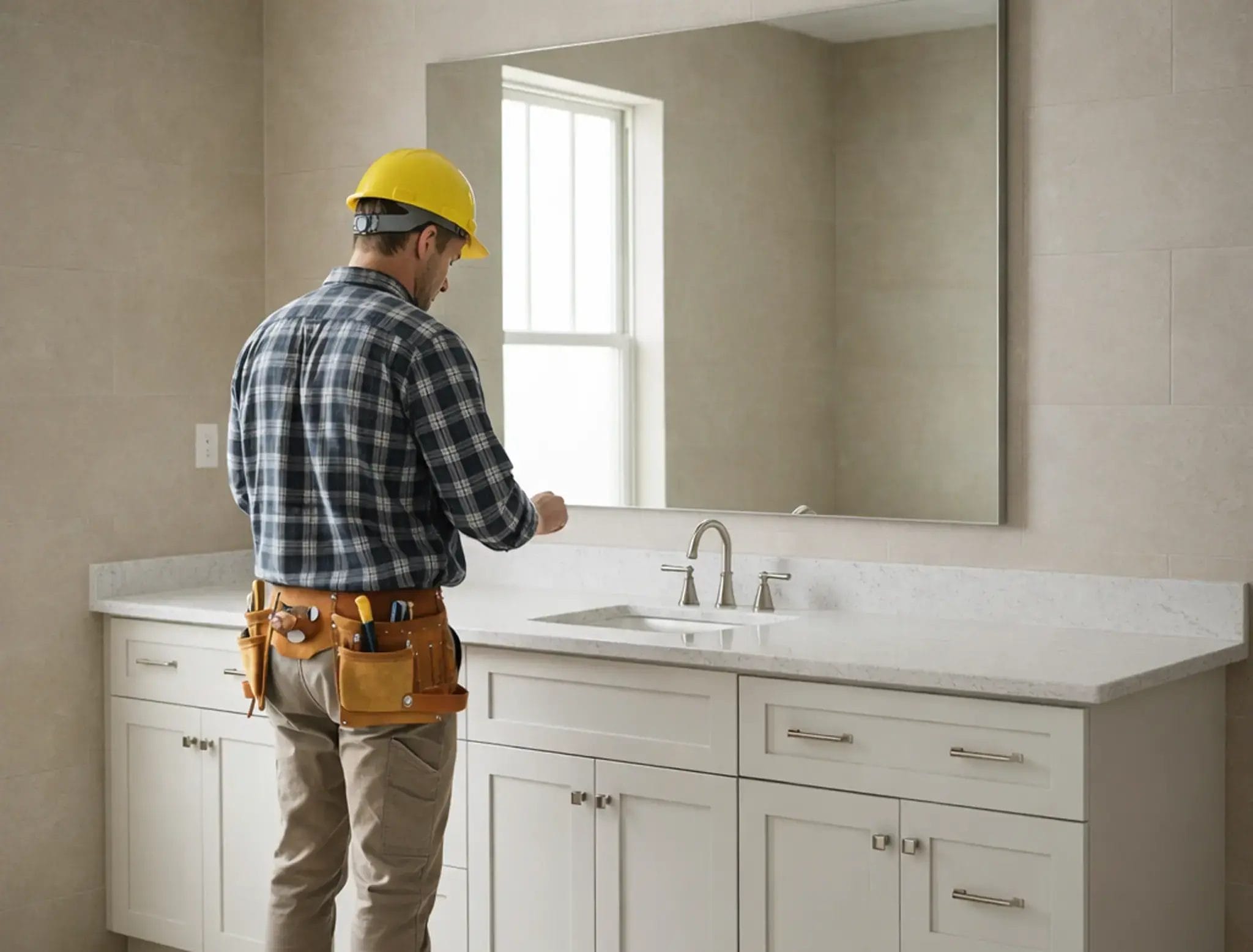


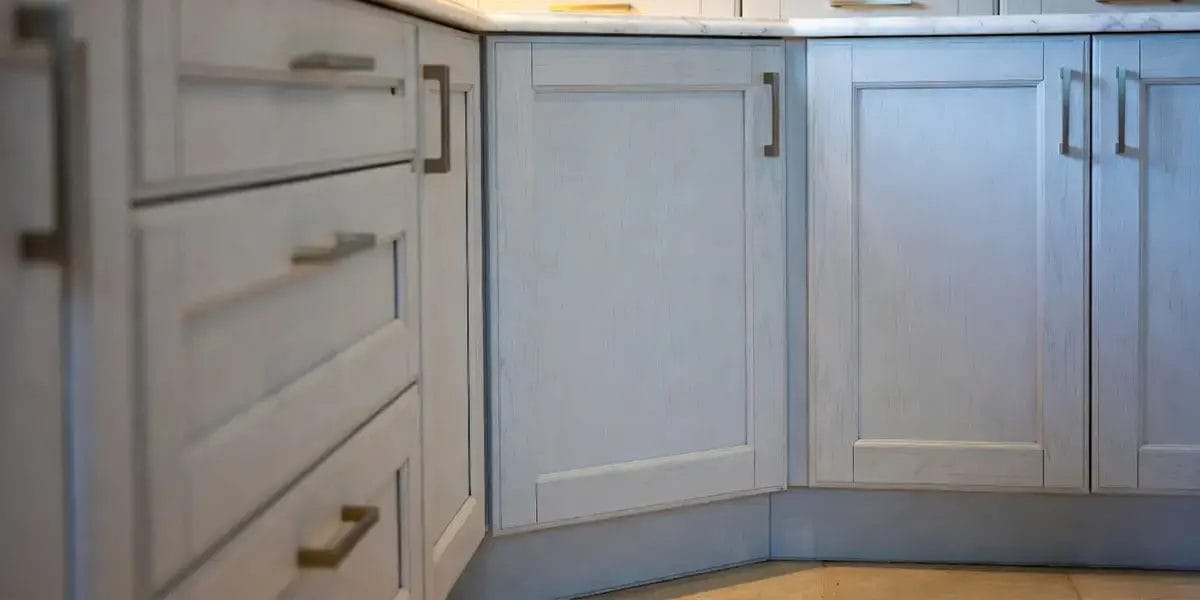
Angled Cabinet
An angled cabinet is a cabinet designed with a non-90-degree shape, most commonly used to fit into corners or connect cabinets along walls that don’t meet at a perfect right angle. Instead of leaving awkward gaps, angled cabinets help create a smoother, more continuous layout.
From a design standpoint, this type of cabinet is often used to solve layout challenges. In many kitchens, especially older homes or custom layouts, walls aren’t always perfectly square. An angled cabinet allows the cabinetry to adapt to the space, rather than forcing the space to fit standard cabinet sizes.
You’ll most often see angled cabinets used in corner transitions, where they can soften the look compared to sharp, boxy corners. They can also improve flow, making it easier to move around the kitchen without bumping into hard edges.
That said, angled cabinets are usually more about design flexibility than storage efficiency. Because of their shape, the interior space can be less straightforward to use compared to standard rectangular cabinets. In some cases, homeowners may prefer alternatives like lazy susan cabinets or blind corner cabinets, depending on their storage needs.
Here’s how I typically guide clients:
- ✔ Great for awkward layouts or non-standard wall angles
- ✔ Helps create a softer, more open visual flow
- ✘ Not the most efficient option for maximizing storage space
- ✘ Usually a custom or semi-custom feature, which can increase cost
In the U.S. market, angled cabinets are commonly used in custom kitchen designs where layout and aesthetics matter just as much as storage. If your kitchen has unique angles or you’re aiming for a more tailored look, this can be a smart solution—but it’s worth balancing design appeal with practical storage needs.


Related posts
A base end cabinet is the cabinet that sits at the very end of your lower cabinets, right under the countertop. It’s not a big... Continue reading
A base diagonal corner cabinet is designed to turn a hard-to-use kitchen corner into practical, everyday storage. Instead of leaving that corner space blocked or... Continue reading
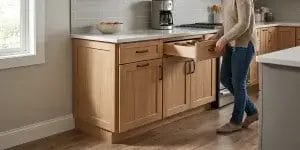
A base cabinet is the foundation of your kitchen or bathroom layout. These are the cabinets that sit directly on the floor and support your... Continue reading
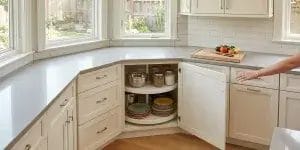
A base angle cabinet is a type of corner cabinet designed to fit into angled or irregular kitchen layouts—especially where walls don’t meet at a... Continue reading
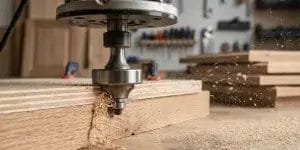
A ball bearing guide is a small component you’ll find on certain router bits. Most homeowners don’t notice it, but it plays an important role... Continue reading






Add comment