No products in the cart.
Return To Shop or
or  ,
,


Best Kitchen Cabinet Styles for Modern Homes
Modern kitchens balance clean lines with real-life function. Whether you’re a busy homemaker who wants something easy to clean, a hands-on DIYer who likes a weekend project, or a contractor specifying for clients, the cabinet style you choose sets the room’s tone and determines how it performs day to day. This guide compares three popular styles—flat-panel, Shaker, and inset—and gives practical advice on finishes, hardware, layout, budget, and installation so you can pick a look that fits your life and your house.
Table of Contents
why cabinet style matters
Cabinets are more than storage. They define the kitchen’s visual weight, influence perceived size, and strongly affect resale. Before you pick a style, ask:
- How long will you live in this house? Short-term stays should favor safe, resale-friendly choices.
- How do you cook and entertain? Heavy cooks need durable, easy-clean surfaces.
- Who uses the kitchen daily? Kids, pets, and seniors call for durable hardware and soft-close drawers.
Practical rule: prioritize durability and maintenance first, then layer on style through finish, hardware, and color.
If you’re interested, check out the Fall 2025 Top Kitchen Cabinet Design Trends for the latest styles and ideas.
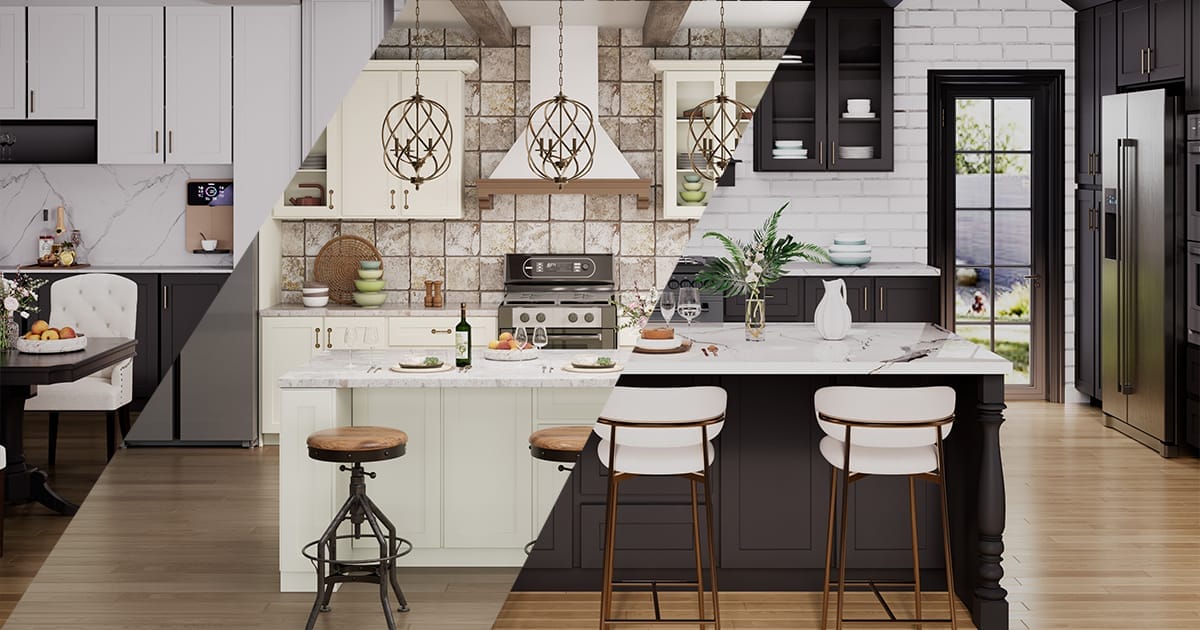
Style comparison: flat-panel, Shaker, and inset
Flat-panel (slab)
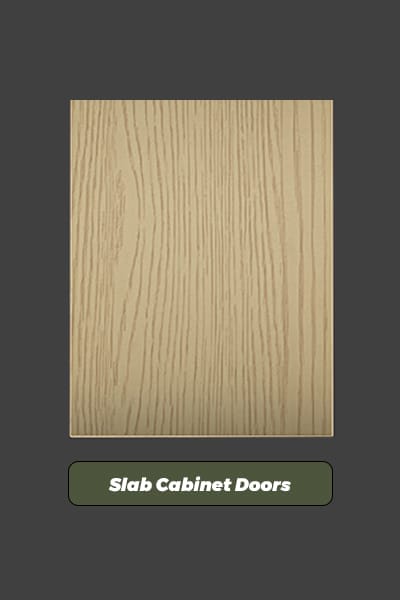
Flat-panel doors are clean, unadorned sheets—the go-to for modern, minimalist kitchens.
Pros: sleek contemporary look; very easy to clean; works well with handleless systems or thin bar pulls.
Cons: can feel cold if used everywhere; cheap slab doors can look inexpensive.
Notes: MDF or veneered slab doors are DIY-friendly if you have good finishing skills; for a high-end look use lacquered or high-quality veneer surfaces. Add a warm wood island or textured backsplash if the room feels too stark.

Ethereal White Micro Shaker Blind Corner Base Cabinet
Original price was: $615.27.$461.46Current price is: $461.46.
Shaker
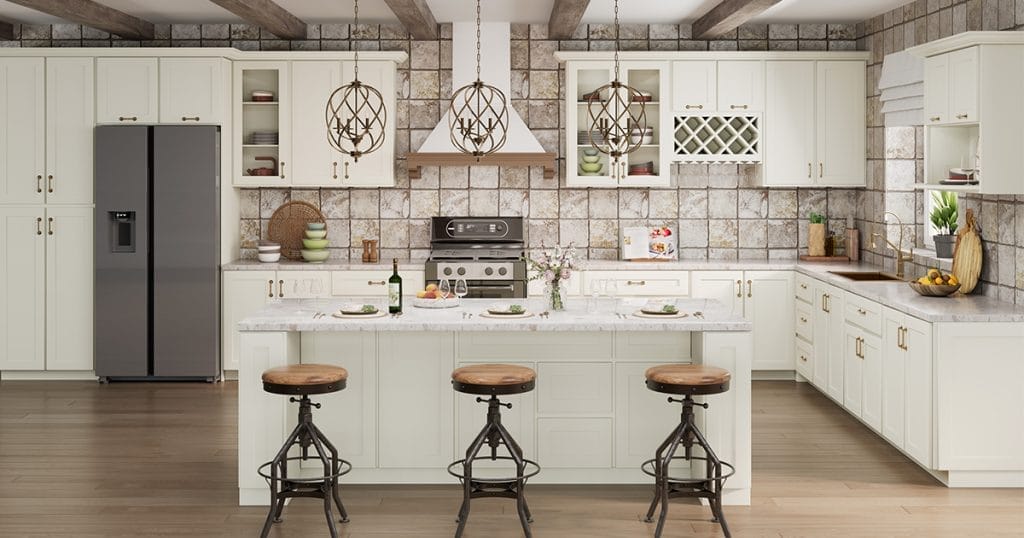
Shaker doors feature a simple recessed frame and are the most versatile choice for modern homes that want warmth without fuss.
Pros: timeless, widely appealing (good for resale); pairs with both modern and traditional finishes; hides wear better than ultra-gloss.
Cons: slightly more detailing than slab; recessed grooves can collect dust if painted poorly.
Notes: use Shaker on perimeter cabinets and a slab or contrasting finish on the island for a modern twist. Choose veneered or stained Shaker doors for durability over cheap painted MDF.
The cabinets we sell on our website are made from higher-quality HDF and are affordably priced.
Inset
Inset cabinets have doors set flush inside a frame and present a finely crafted, high-end look.
Pros: elegant, refined appearance; doors close into the frame for a seamless finish.
Cons: expensive and requires very precise installation and hardware.
Notes: only choose inset if you’re prepared to pay for expert installation and tight tolerances—this style shows craftsmanship and won’t hide sloppy work.
Finishes and color trends that actually work
Finishes are where style meets practicality.
Common finishes: matte paint (fingerprint-friendly), satin/low-sheen lacquer (slightly reflective and easy to clean), wood veneer (adds warmth), HPL and thermofoil (budget-friendly and durable).
Color strategies that live well: neutral anchors like warm whites, greige, and soft taupes; deep anchors like navy, forest green, and charcoal used for islands or lower runs; two-tone schemes such as light uppers and dark islands to keep rooms bright but layered.
Practical tip: in small kitchens keep upper cabinets light to preserve brightness and use the darker shade on the island or lower cabinets.
Hardware: the jewelry that finishes the look
Hardware unites style with function. Choose finishes and forms that match your cabinet style.
Mappings: flat-panel—integrated pulls, minimal bar pulls, or push-to-open; Shaker—cup pulls, thin bar handles, or transitional knobs; inset—delicate knobs or period-appropriate hardware.
Finish choices: brushed brass for warmth, matte black for contrast, satin nickel for neutrality.
Functionality: soft-close hinges and full-extension drawer slides are essential for busy kitchens; choose drawer slides rated for heavier loads and consider push-to-open for handleless layouts.
Open-concept integration: cabinets as furniture
In open layouts, cabinets are visible from living areas and must integrate visually.
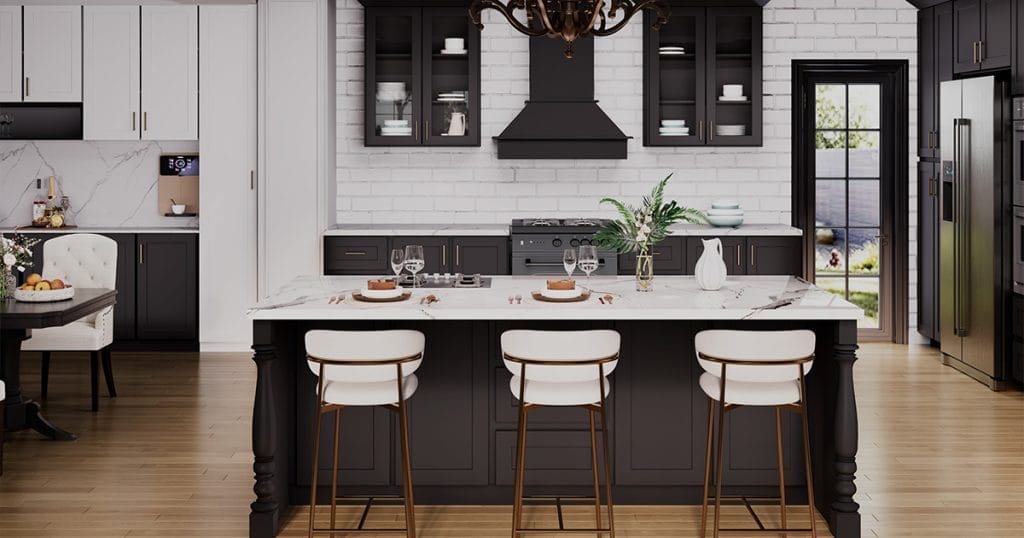
Design rules: keep tall units along one wall to preserve sightlines; treat your island like furniture and pick a finish that complements sofas and rugs; use consistent or complementary finishes between kitchen and adjacent rooms.
Noise and ventilation: open plans transmit sound—soft-close hardware helps, and a quiet, powerful hood is important for cooking-heavy households.
Storage and layout features that pair with style
Function beats looks in everyday life.
Must-have features: full-extension drawers, pull-out larders, appliance garages, and organized drawer inserts for utensils and trays. Open shelving is great for display but keep everyday practical items behind doors.
Accessibility: consider pull-out shelves and lower-mounted ovens for aging-in-place convenience.
Materials, durability, and sustainability
Where to invest: door and drawer front quality, reliable drawer hardware, and the cabinet box material (plywood preferred over particleboard where budget allows).
Sustainability: look for FSC certification, low-VOC finishes, and reclaimed veneers if environmental impact matters to you or your buyers.
RTA, semi-custom, or custom: choosing your path
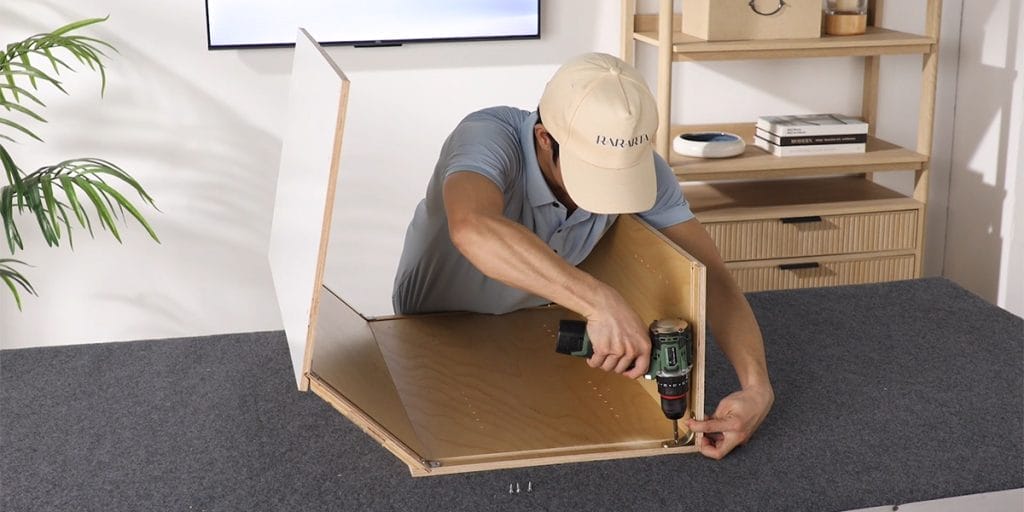
RTA (ready-to-assemble): cost-effective and great for confident DIYers—but expect fitting and trim work.
Semi-custom: a middle-ground offering better sizing and finish options at moderate cost.
Custom: needed for inset and high-tolerance designs or unusual layouts.
DIY tip: RTA saves money but budget time for leveling, filler strips, and trim.
Installation and contractor tips
Pre-install checklist: get professional measurements and appliance templates, stage the site for deliveries, and confirm lead times.
Homeowner DIY boundaries: painting doors, installing pulls, and basic assembly are good DIY projects; leave structural changes, electrical, plumbing, and high-precision inset installs to pros.
Contractor tips: for inset and handleless systems insist on precision reveals and test door alignment before final fastening.
Budget guide and priorities
Typical budget split: cabinets 40–50%, countertops 15–20%, appliances 10–15%, hardware and lighting 5–10%, contingency 10%.
If you must cut costs: prioritize door front quality and hardware over exotic countertops—cabinets define daily experience and longevity.
How to choose
- How long will you stay in this home?
- How often do you cook?
- Will kids or pets use the space heavily?
- Do you want low-maintenance surfaces or showpiece finishes?
- What is your realistic budget?
- Do you prefer ultra-modern minimalism or a warmer, lived-in look?
Three ready-to-use style palettes
- Sleek Minimal: matte white slab, matte black pulls, light gray quartz.
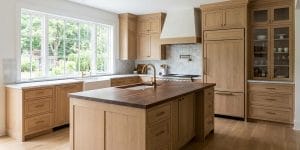
- Warm Modern: rift-sawn oak island, deep navy Shaker perimeter, brass hardware.
- Heritage Modern: warm greige inset cabinets, antique brass knobs, classic subway tile.
FAQ
1. Which style is best for resale?
Neutral Shaker finishes and classic two-tone schemes consistently perform best.
2. Can I mix Shaker and slab?
Yes—common approach is Shaker on the perimeter and slab on the island for contrast.
3. Are handleless cabinets practical with kids?
Yes—handleless designs reduce snags. Use push-to-open with soft-close for safety.
4. Is inset worth the cost?
Inset is worth it for a premium, long-lasting finish in higher-end markets, but Shaker or slab usually deliver better value for most remodels.
Final thoughts and next steps
Choosing the right cabinet style is about how you live, not just how the kitchen looks. Start with function — durable doors, good hardware, and the storage you actually need — then layer on the finishes and details that make the room feel like yours. If you follow the simple checklist above and prioritize the two or three upgrades that matter most to your lifestyle (better drawer slides, a quality door front, or a well-placed pantry), you’ll end up with a kitchen that looks great and works hard every day.


Related posts

Receiving the keys to a new home is an exciting milestone yet it often brings an important and sometimes confusing question. What is the best... Continue reading

The kitchen is far more than a place for cooking meals. In many American homes it has become a central space for daily routines family... Continue reading
Kitchen cabinets play a vital role in both the function and visual identity of a kitchen. Among all cabinet components, cabinet doors are the most... Continue reading
The colors you choose for your home don’t just paint walls—they shape moods, create feelings, and influence how every day unfolds. In 2026, whole home... Continue reading
In modern home renovation projects, custom cabinetry has become a core element in both kitchen and bathroom planning. Choosing the right custom cabinet supplier is... Continue reading







Add comment