No products in the cart.
Return To Shop or
or  ,
,


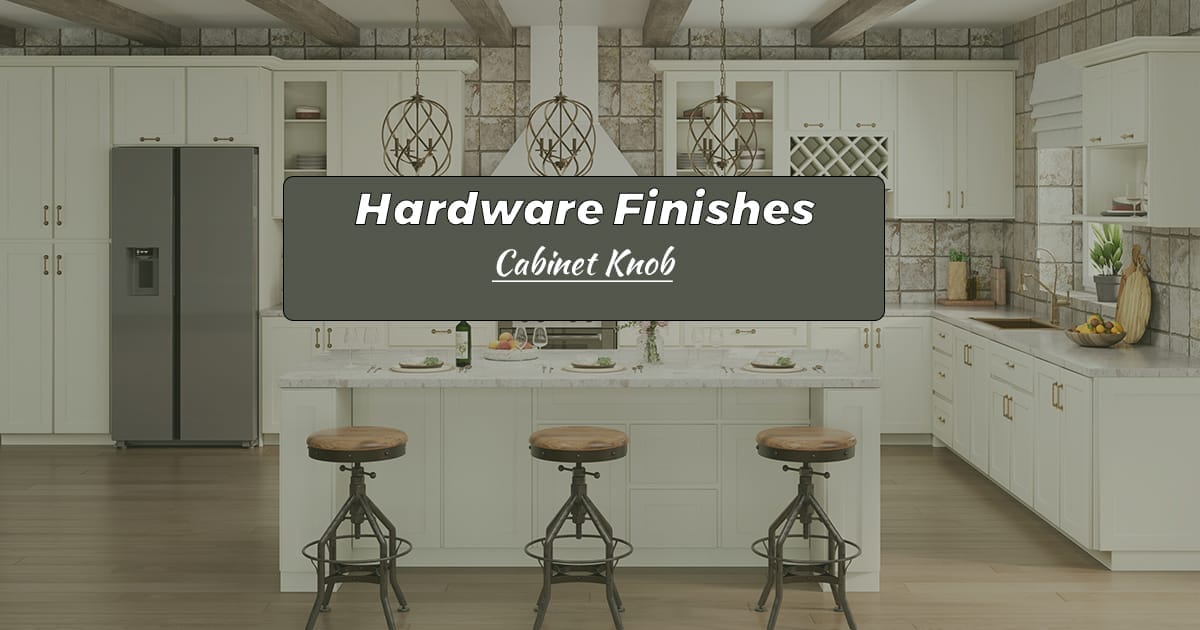
Hardware Finishes Are the Jewelry of Your Kitchen
After working in kitchen and home design for three decades, one thing I’ve learned is this: hardware finishes can make or break a kitchen’s look.
You can have the best cabinets, the most beautiful countertops, or even top-of-the-line appliances—but if your cabinet handles and knobs clash or look out of place, your entire design can feel “off.”
In the U.S., especially in family-oriented homes where kitchens serve as both cooking and gathering spaces, hardware finishes have become an essential design choice, not just a detail. Whether you’re doing a full remodel or simply updating your old cabinets, understanding how to choose, mix, and maintain finishes is what separates a “nice kitchen” from a “wow, this looks stunning” kitchen.
So let’s dig in—from finish types to styling, from mixing metals to long-term care—everything you need to know to choose the perfect cabinet hardware finish for your home.
Table of Contents
1. Understanding Hardware Finish Types
When I walk clients through the showroom, I often start with one simple question:
“What feeling do you want your kitchen to give off?”
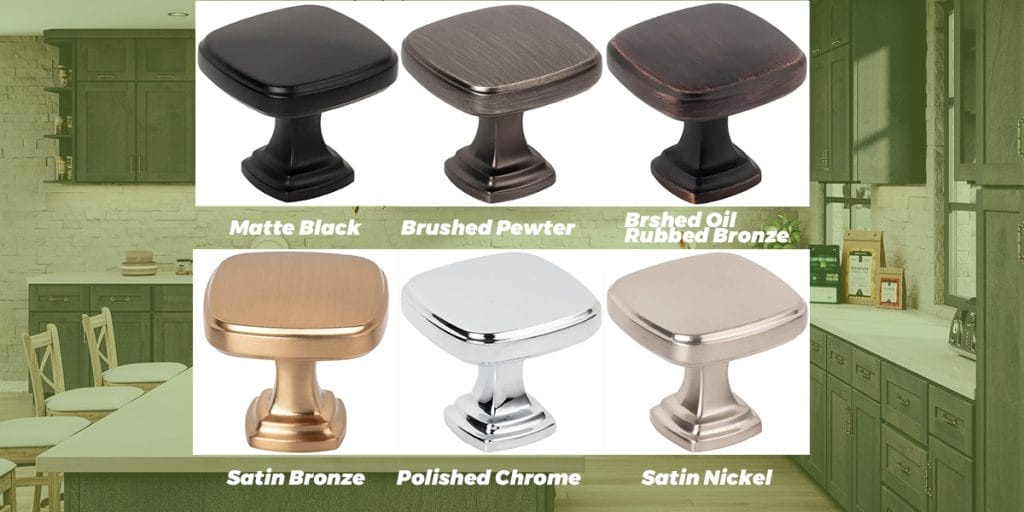
The answer determines the finish more than the cabinet color or style. Here’s a quick breakdown of the most popular hardware finishes in American homes:
Polished Chrome
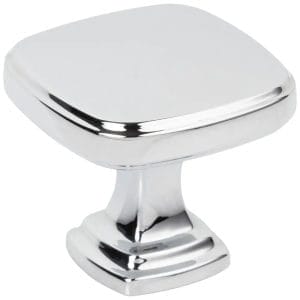
Bright, modern, and timeless. Chrome reflects light beautifully and pairs perfectly with white or gray cabinets. It’s easy to clean and widely available, making it a go-to for transitional kitchens.
Brushed Nickel
Softer than chrome, brushed nickel has a warm tone that complements wood and neutral-painted cabinets. It’s extremely durable and hides fingerprints well—a practical choice for families.
Matte Black

Once a niche trend, matte black is now a modern classic. It brings a bold, graphic edge to both light and dark cabinetry. It’s popular in contemporary and farmhouse-style homes alike.
Oil-Rubbed Bronze
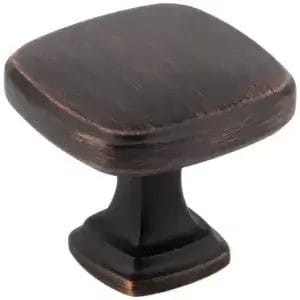
Rich, dark, and a little old-world. Perfect for traditional kitchens or rustic interiors. Its deep tones contrast beautifully with lighter cabinets and natural stone countertops.
Brushed Brass / Champagne Bronze
The comeback star of the decade. Warm brass adds instant luxury and warmth to kitchens without feeling outdated. Champagne tones are especially elegant and easier to maintain than classic shiny brass.
Satin Gold
More subtle than yellow brass, satin gold is refined and modern—a favorite in high-end remodels and mid-century inspired homes.
Pro insight:
Don’t just look at color swatches. Always hold the sample under your kitchen lighting—LED, daylight, and warm bulbs can all change how a finish looks.
2. Style-Match Guide: Finding Your Perfect Pairing
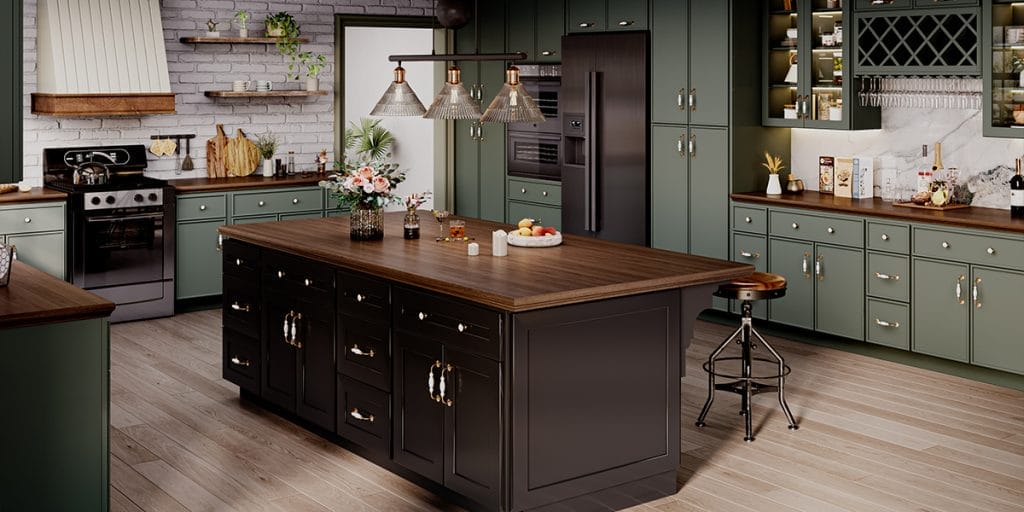
Matching finishes isn’t about strict rules—it’s about balance. Here’s how I help clients pick hardware that works with their overall home style:
| Home Style | Recommended Finishes | Why It Works |
|---|---|---|
| Modern / Minimalist | Matte black, brushed nickel, or chrome | Clean lines and subtle reflections enhance sleek design. |
| Traditional / Classic | Oil-rubbed bronze, polished brass | Adds warmth and timeless charm. |
| Transitional | Brushed nickel or champagne bronze | Bridges classic comfort with modern appeal. |
| Farmhouse / Rustic | Matte black or aged bronze | Contrasts wood textures beautifully. |
| Coastal / Light & Airy | Polished chrome or satin nickel | Reflects natural light and feels fresh. |
| Industrial | Black iron, antique brass | Brings grit and character without overpowering the space. |
Designer tip:
Always visualize how your hardware finish will interact with lighting, faucet, and appliances. The goal is harmony, not uniformity.
For more ideas on how lighting affects your overall kitchen design, check out our under-cabinet lighting accessories guide.
3. Mixing Metals Like a Designer
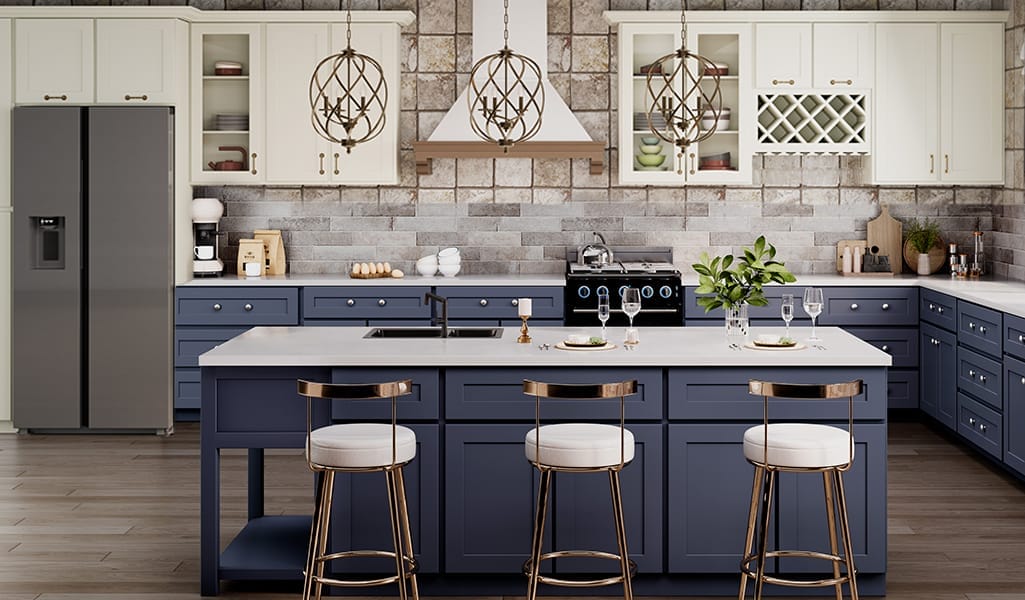
Now, here’s a topic homeowners often hesitate about—can you mix metal finishes?
The short answer: yes, if you do it thoughtfully.
Mixing metals is like layering jewelry—it adds depth and character when done right.
Here’s a reliable formula I use in client projects:
- Start with a dominant finish (70%) – for example, brushed nickel for cabinet pulls.
- Add a secondary accent (30%) – such as matte black for light fixtures or handles.
- Keep undertones consistent – warm metals (brass, gold) go together; cool ones (nickel, chrome) pair better.
For example, in one recent remodel, I used brushed brass knobs on upper white cabinets and matte black pulls on navy-blue lower cabinets. The result? A cohesive, layered look that felt both modern and inviting.
Avoid this common mistake: mixing too many finishes (more than three). It can make the space feel chaotic rather than curated.
If you want more guidance on choosing the right hardware style and finish, check out our kitchen cabinet hardware guide.
4. Care & Cleaning Tips for Long-Lasting Shine
Good hardware should last as long as your cabinets—but only if you treat it right. Different finishes require different levels of care.
General Cleaning:
- Wipe weekly with a soft cloth dampened with mild soap and warm water.
- Avoid harsh chemicals or ammonia-based cleaners (especially on brass or bronze).
- Dry immediately to prevent water spots or oxidation.
For Brass & Bronze:
- Apply a small amount of mineral oil or wax once a month to prevent tarnish.
- Avoid metal polish unless you want to remove the patina.
For Matte Finishes:
- Never use abrasive pads—these will create shiny patches.
- Use a microfiber cloth to maintain the texture.
Pro tip:
If you live near the coast or in humid areas, opt for PVD-coated finishes—they resist corrosion far better than standard coatings.
5. How These Colors Work in Real-Life Kitchen Designs

While I can’t show you the exact photos here, let me describe a few real projects:
- Project 1: Modern Family Kitchen, Chicago
White shaker cabinets, brushed nickel handles, matte black faucet — crisp and timeless. - Project 2: Coastal Retreat, Florida
Light blue cabinetry paired with polished chrome hardware — creates a bright, breezy feeling. - Project 3: Farmhouse Revival, Texas
Natural oak cabinets with oil-rubbed bronze pulls and soft brass lighting — warm, cozy, lived-in. - Project 4: City Loft, New York
Charcoal cabinetry with mixed matte black and brass accents — bold, sophisticated, and editorial-worthy.
Each of these combinations works not because of the price or brand—but because the finishes fit the personality of the home.
6. Final Thoughts: The Smallest Details Make the Strongest Impression
After thirty years of working in American homes—from small suburban kitchens to multi-million-dollar remodels—I can tell you: hardware finishes are one of the easiest ways to elevate your space without breaking the budget.
If your cabinets feel outdated, swapping out the handles can transform your kitchen overnight. But do it with intention—think about how the metal interacts with light, how it feels under your hand, and how it tells the story of your home.
Because in design, as in life, it’s the smallest details that make people stop and say, “Wow, you really thought of everything.”
FAQ
Q: Can I mix brass and black hardware in the same kitchen?
Yes! Just make sure one dominates (for example, brass knobs with black light fixtures) and that both share similar undertones (warm vs. cool).
Q: What’s the most durable finish for a busy family kitchen?
Brushed nickel and matte black are both great—durable, fingerprint-resistant, and easy to maintain.
Q: How often should I clean cabinet hardware?
Once a week for visible areas, once a month for deep cleaning. Avoid bleach or strong detergents.
Q: Will brass hardware tarnish over time?
Unlacquered brass will naturally develop patina, which many homeowners love. For a low-maintenance option, choose lacquered or PVD brass finishes.


Related posts

Receiving the keys to a new home is an exciting milestone yet it often brings an important and sometimes confusing question. What is the best... Continue reading

The kitchen is far more than a place for cooking meals. In many American homes it has become a central space for daily routines family... Continue reading
Kitchen cabinets play a vital role in both the function and visual identity of a kitchen. Among all cabinet components, cabinet doors are the most... Continue reading
The colors you choose for your home don’t just paint walls—they shape moods, create feelings, and influence how every day unfolds. In 2026, whole home... Continue reading
In modern home renovation projects, custom cabinetry has become a core element in both kitchen and bathroom planning. Choosing the right custom cabinet supplier is... Continue reading







Add comment