No products in the cart.
Return To Shop or
or  ,
,


Farmhouse Kitchen Cabinet Styles: Inspirations for a Charming Kitchen
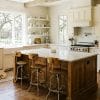
There’s something inherently inviting about a farmhouse kitchen. Over the years, I’ve walked through countless homes and guided clients in transforming their kitchens into spaces that feel lived-in yet curated. For me, the heart of a farmhouse kitchen has always been its cabinetry—functional, beautiful, and full of character. It’s where design meets daily life, and where small details can completely define a room’s personality.
Table of Contents
Shaker and Beadboard Cabinets
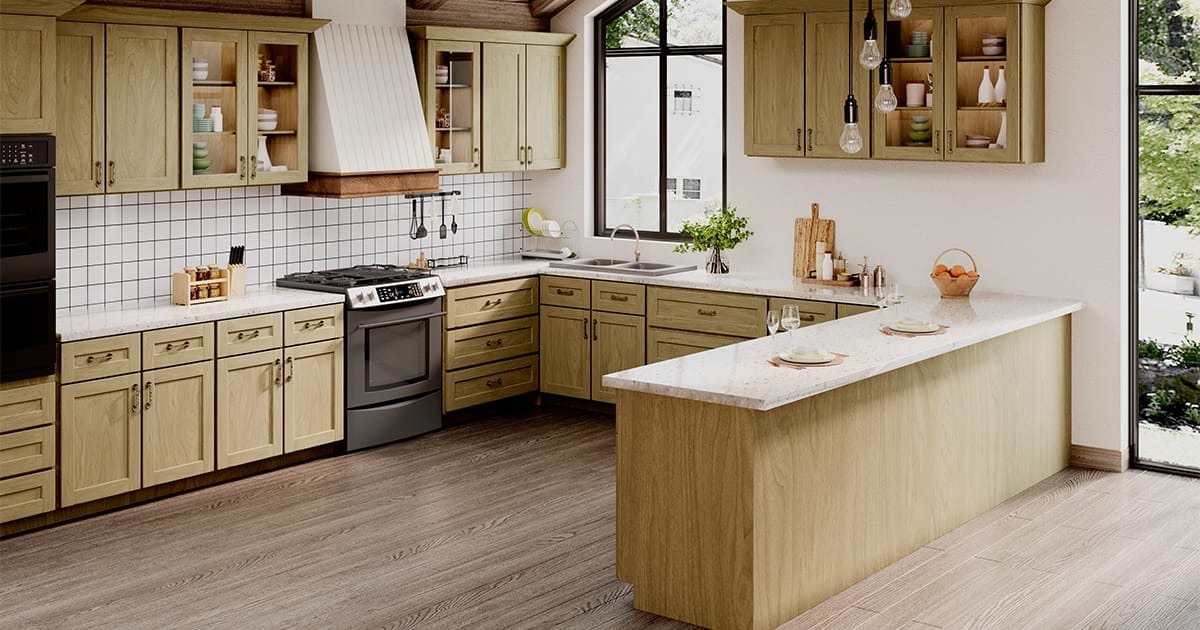
When I design a farmhouse kitchen, I almost always start with Shaker or beadboard cabinets. Their appeal lies in restraint—they offer clean lines and subtle detailing that provide structure without overwhelming the space. Shaker cabinets, with their recessed panel doors, are timeless, while beadboard panels inject a touch of cottage charm.
I often advise clients to consider both aesthetic and practical aspects here. Light paint tones like soft white or pale gray can make a small kitchen feel airy, but don’t underestimate the warmth of natural wood finishes. Pairing these cabinets with butcher-block countertops or honed stone surfaces allows the cabinetry to anchor the room while keeping the overall palette balanced.
From a technical perspective, Shaker cabinets are particularly DIY-friendly. I’ve seen homeowners handle pre-assembled units themselves, but I always stress careful measurement and level checks—minor misalignments at this stage will become glaring once hardware is installed.
For step-by-step tips on setting cabinets correctly, check out our Cabinet Installation 101: What Every DIYer Should Know guide.
Distressed Finishes
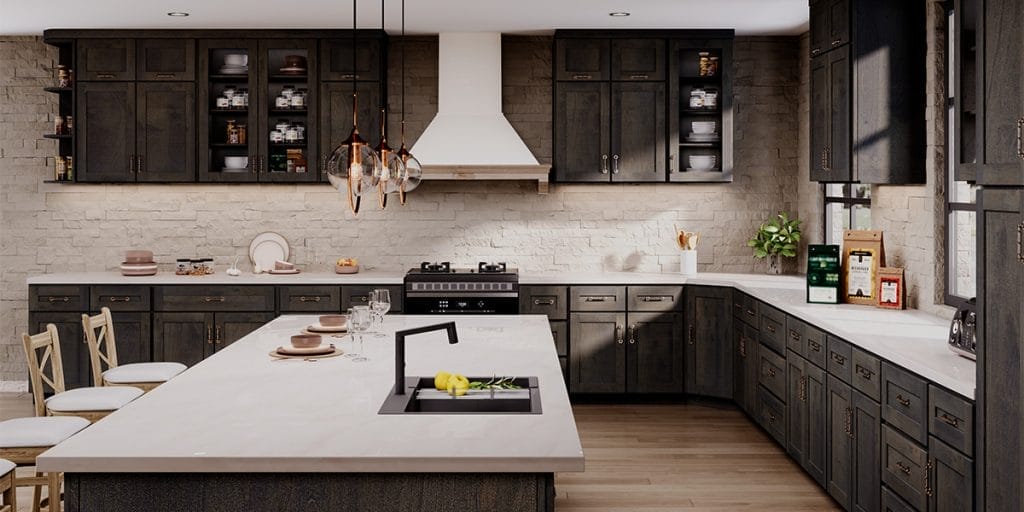
One of my favorite ways to add character is through distressed finishes. When done correctly, subtle sanding, glazing, or light chipping can make a brand-new cabinet feel like it’s been part of the home for generations. Distressing isn’t just about looks—it adds texture, hides small imperfections, and gives a sense of authenticity.
I often experiment with how light interacts with the finish. Distressed surfaces catch shadows and bring depth, which is especially important in kitchens with muted color palettes. Pairing lightly weathered cabinets with dark bronze or black hardware adds contrast and ensures the kitchen doesn’t feel washed out. The key in my work is subtlety—overdone distressing can make the space feel artificial rather than charming.
Open Shelving
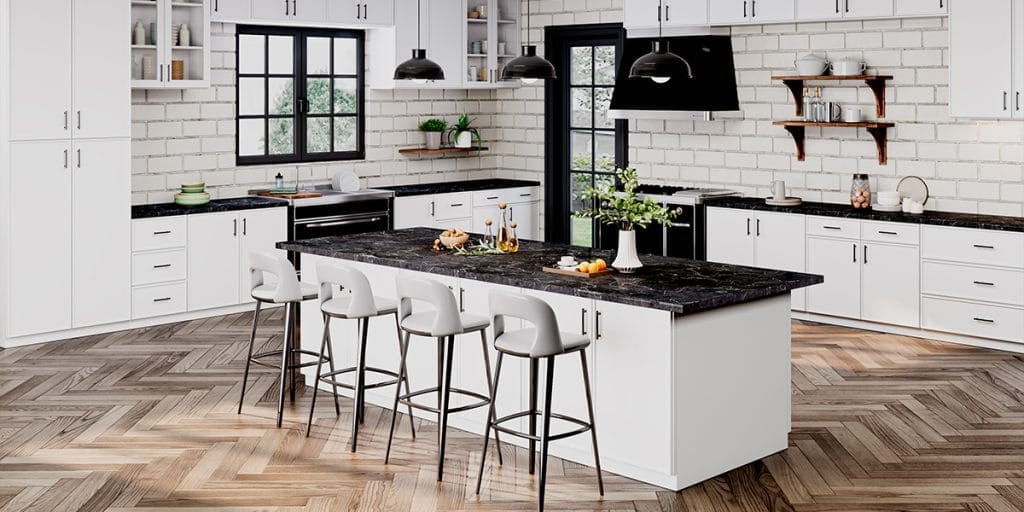
Open shelving is a hallmark of the farmhouse style. When I introduce it, I focus not just on visual appeal but also on workflow. Shelves need to be sturdy, anchored properly, and arranged with both aesthetics and practicality in mind.
I often encourage clients to think in layers: functional items like plates and mugs sit alongside curated decorative pieces, potted herbs, or vintage pitchers. It creates a rhythm in the kitchen—there’s a sense of openness, but it feels intentional, not cluttered. Choosing natural wood or metal brackets can further reinforce the rustic character while providing structural integrity.
Hardware and Accents
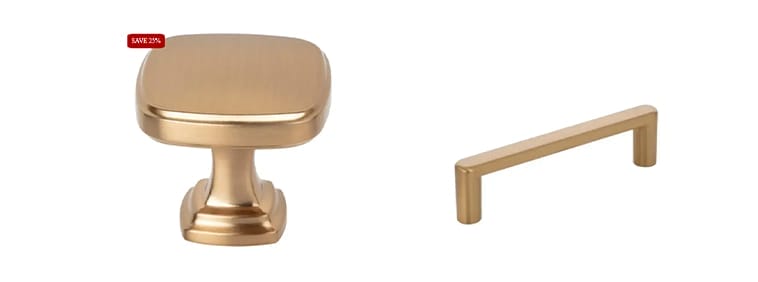
I’ve learned over the years that hardware is not merely functional—it defines the tactile experience of a kitchen. Iron, bronze, and matte black pulls or knobs add weight and presence, and when coordinated with lighting fixtures, faucets, and shelving, they unify the room.
Small details like the finish of hinges, the thickness of the cabinet doors, or even the type of screws used can subtly elevate the entire kitchen. In my projects, I often combine aged brass pulls with cream-colored Shaker cabinets to create a refined vintage look. These tiny choices transform a utilitarian piece of furniture into something memorable.
If you’re exploring how to select the right knobs and pulls for your design, don’t miss our detailed guide on How to Choose Kitchen Cabinet Hardware.
Material Choices and Renovation Insights
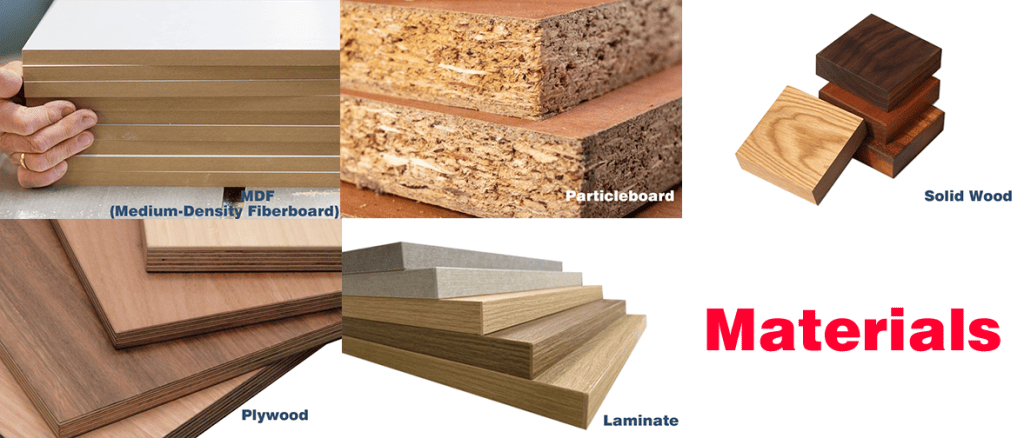
Farmhouse kitchens are inherently versatile when it comes to material selection. I often recommend solid wood for areas where durability and tactile warmth matter, like islands or central cabinets. Plywood makes sense for high-use zones around sinks and dishwashers, offering moisture resistance without compromising strength. MDF, when properly sealed and painted, can achieve a modern, smooth finish suitable for upper cabinets or decorative doors.
As a side note, we also offer high-quality HDF kitchen cabinets on our website — they’re exceptionally durable and come at a very affordable price.
For a deeper understanding of different cabinet materials and how they perform in real kitchens, check out our comprehensive Kitchen Cabinet Materials Guide.
For renovation projects, I always urge careful preparation. Sanding, priming, and protective coatings are non-negotiable. Even small missteps in prep work will show up once a kitchen is in daily use. In fact, I often tell clients that a well-prepared MDF cabinet with a thoughtful glaze can rival a solid wood unit in both beauty and longevity.
Color, Texture, and Layering

Color plays an indispensable role in farmhouse kitchens. I tend to favor soft neutrals—whites, creams, muted grays, and light blues—because they amplify light and make spaces feel welcoming. I also like layering textures: a matte cabinet finish against a polished stone countertop, rough-hewn wood shelves paired with smooth ceramic accessories. These contrasts create visual depth that keeps a rustic kitchen from feeling flat or dated.
For more ideas on selecting tones that complement your cabinetry and overall design, explore our Guide to Choosing the Right Kitchen Cabinet Color.
Lighting, too, is part of the equation. Warm ambient lighting enhances the natural hues of distressed cabinets, while task lighting ensures functionality. I often experiment with pendant lights over islands, matching finishes to hardware to maintain cohesion.
The Charm of Intention
What I love most about farmhouse kitchens is their balance of authenticity and intentionality. Every cabinet, every shelf, every knob tells a story. Even in DIY projects, homeowners can achieve this sense of lived-in charm by making considered choices about materials, finishes, and layouts.
When I step back at the end of a project, seeing the harmony of open shelves, textured finishes, and tactile hardware, I’m reminded that farmhouse style is more than nostalgia—it’s a philosophy of living well. It’s about creating a kitchen that feels approachable, functional, and layered with personality.
Farmhouse kitchens endure because they combine warmth, practicality, and a sense of story. Whether you’re tackling a full renovation or a DIY refresh, focusing on cabinet style, material quality, and thoughtful detailing ensures that your kitchen is not only visually charming but also built to last. In the end, it’s a space that invites people to linger, cook, and create memories—and that, to me, is the true essence of a farmhouse kitchen.


Related posts

When renovating a bathroom, most homeowners focus heavily on comparing materials and styles for bathroom vanities, yet many overlook an equally important factor: installation height.... Continue reading

In modern kitchen design, stainless steel kitchen cabinets have become a popular choice for homeowners who value both practicality and visual appeal. Made primarily from... Continue reading
A kitchen is more than just a place to cook. It is where mornings begin with coffee, where families gather for meals, and where everyday... Continue reading

Receiving the keys to a new home is an exciting milestone yet it often brings an important and sometimes confusing question. What is the best... Continue reading

The kitchen is far more than a place for cooking meals. In many American homes it has become a central space for daily routines family... Continue reading







Add comment