No products in the cart.
Return To Shop or
or  ,
,



How to Design Cabinet Lighting for Better Living
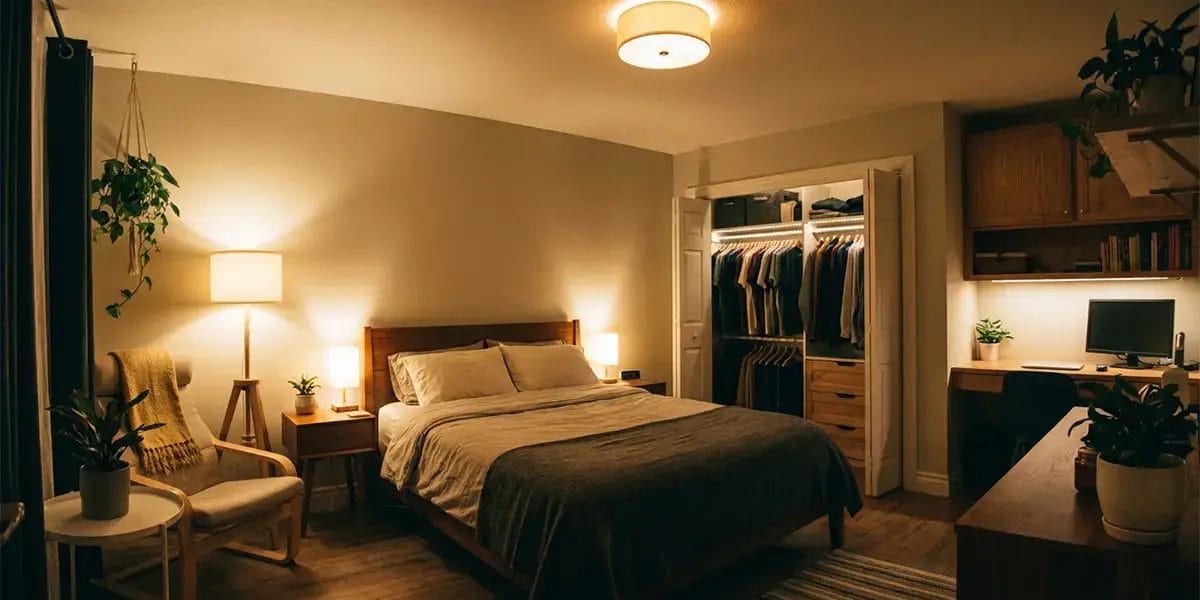
The texture and beauty of a home are often hidden in carefully considered details. Many elements that appear minor during renovation later become defining features that shape daily comfort. Among these, a well planned whole home lighting strategy stands out as one of the most transformative upgrades. Thoughtful cabinet lighting in particular carries practical knowledge that can dramatically improve everyday life.
Unlike traditional lighting plans that focus solely on general illumination, modern residential lighting must balance ergonomics, visual comfort, and spatial aesthetics. Lighting today is not just about making a room bright enough to see. It is about reducing strain, supporting specific tasks, enhancing mood, and refining the atmosphere of each space. When lighting is integrated into cabinetry throughout the home, it elevates both functionality and design cohesion. This guide shares practical lighting strategies that address common household frustrations and help you avoid the pitfalls of outdated lighting layouts.
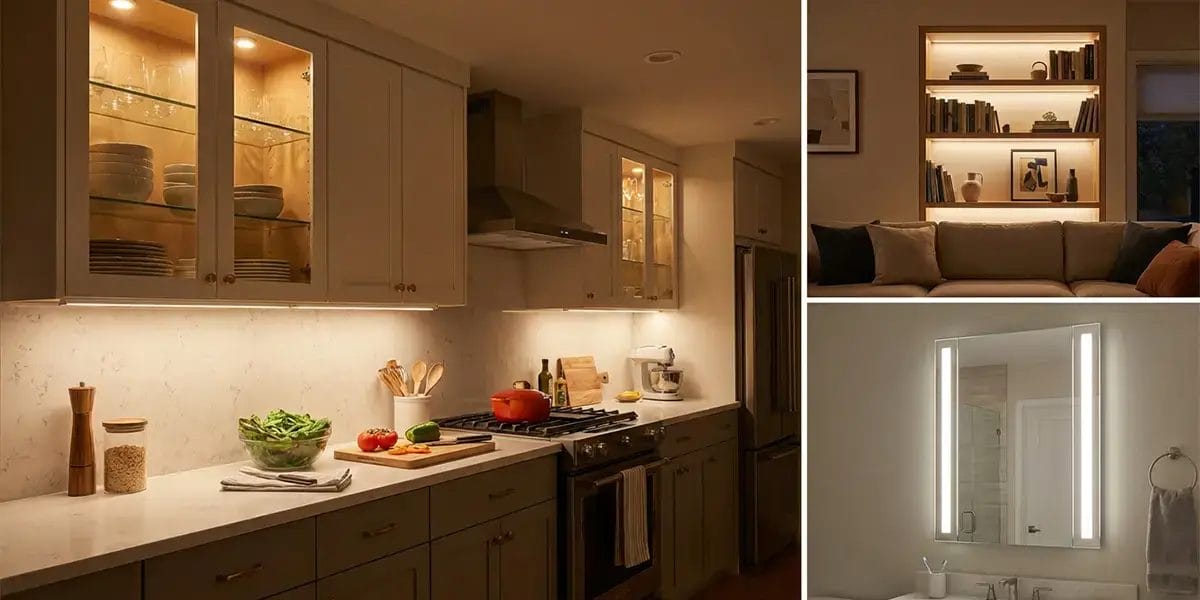
If lighting is not carefully planned during renovation, everyday inconveniences quickly surface after move in. In many kitchens, a single ceiling fixture is expected to handle every task. This often results in insufficient illumination for food preparation and cooking, with noticeable shadows cast across countertops. In bathrooms, mirrors without dedicated lighting create uneven facial shadows during grooming or makeup application, forcing users to rely on additional portable lights. At night, turning on a bright overhead bedroom light to walk to the bathroom can be harsh on the eyes and disruptive to sleep cycles, making it difficult to fall back asleep.
These high frequency problems are surprisingly easy to solve. With precise lighting placement and intentional layering, you can create a home that feels intuitive and comfortable at all hours. The following solutions can be implemented in both new renovations and existing homes with minimal disruption.
Table of Contents
Install Under Cabinet Lighting in the Kitchen for Shadow Free Task Areas
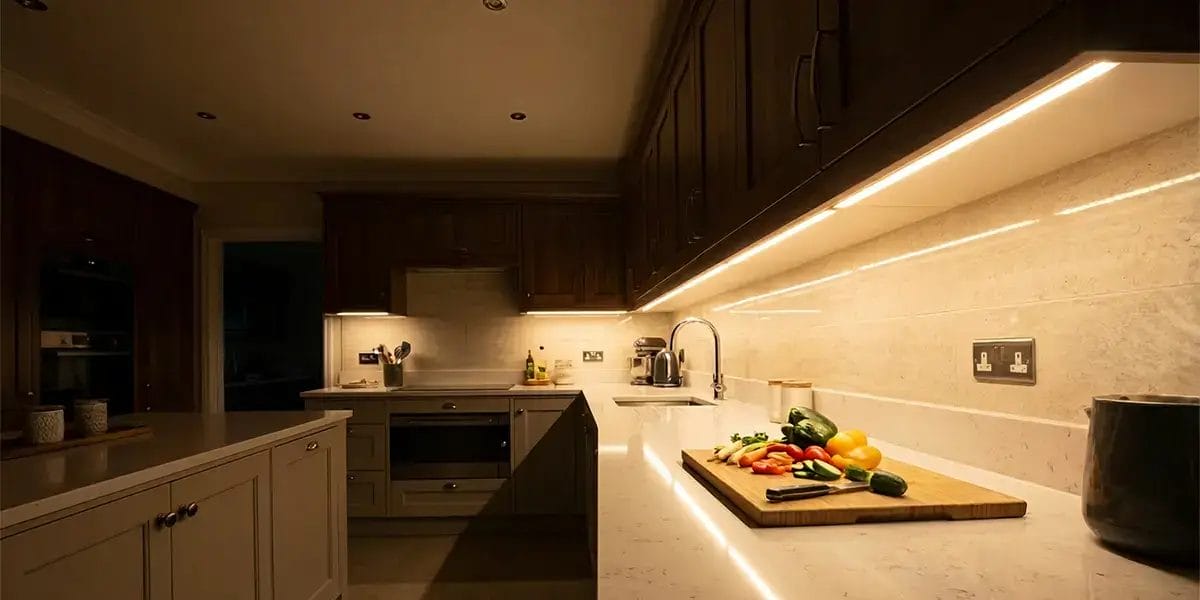
In most homes, kitchen space is limited while storage needs are substantial. As a result, wall mounted cabinets are commonly installed above countertops. However, these upper cabinets often block light from the main ceiling fixture, casting shadows exactly where detailed work takes place. Because many kitchens rely on a single centrally located ceiling light, both the user and the cabinetry interfere with direct illumination.
Adding recessed light strips beneath upper cabinets immediately resolves this issue. Under cabinet lighting provides direct task illumination for food preparation, cooking, and cleaning. The difference is not only functional but also aesthetic. Even, well distributed light across the countertop creates a polished and inviting environment, transforming the kitchen from purely utilitarian to thoughtfully designed.
For homes that are already completed, there are convenient rechargeable light strips that require no drilling or complex wiring. For those in the renovation stage, it is advisable to pre plan wiring routes and concealed channels for a fully integrated built in look. Some homeowners also install strategically positioned recessed ceiling lights or spotlights aligned with countertop zones, which can provide additional layered illumination.
Add Motion Activated Night Lighting in Entryways and Hallways
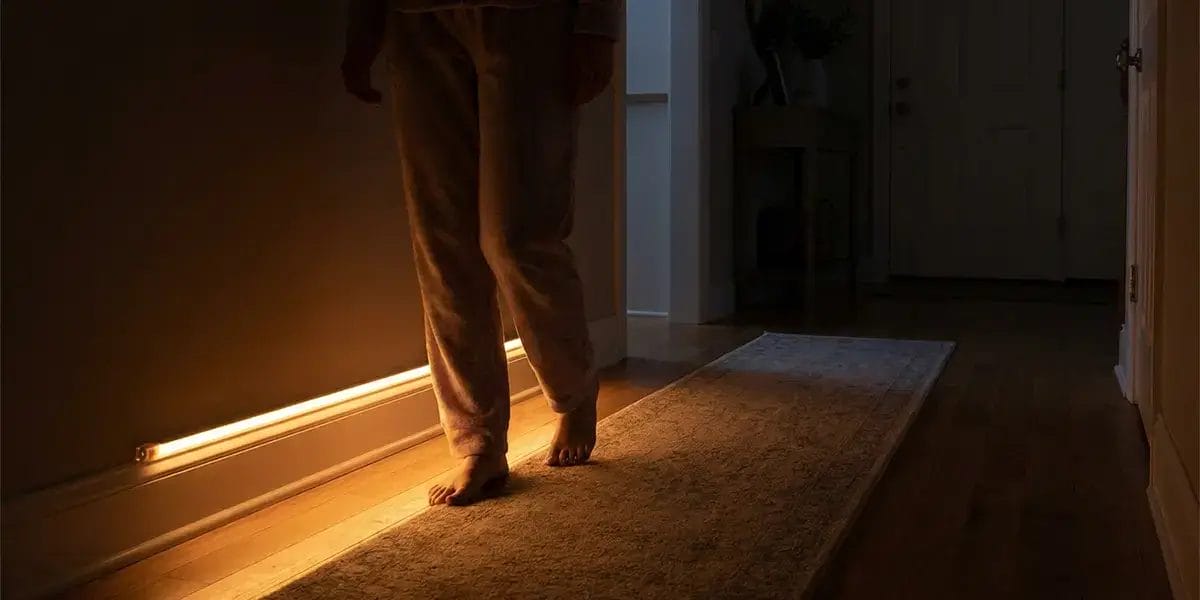
Motion activated night lights may seem like a small addition, but they offer a remarkable improvement in comfort. In the middle of the night, whether you are walking to the kitchen for water, heading to the bathroom, or adjusting a window, soft automatic lighting eliminates the need to switch on bright overhead fixtures.
Sudden exposure to intense light in a dark environment can overstimulate the eyes and suppress melatonin production. This not only makes it harder to return to sleep but may also disturb other family members. A subtle motion activated light along hallways, entryways, or baseboards creates a gentle illuminated path that supports safe navigation without disrupting circadian rhythms.
When selecting night lights, pay close attention to the power source. Options range from plug in models to rechargeable wireless designs. Choose according to the available outlets and installation conditions in your home. Flexible placement ensures both convenience and visual discretion.
Install Mirror Lighting in Bathrooms for Even Facial Illumination
Bathroom lighting design is often overlooked, particularly around the vanity and mirror. Many vanities include a mirror but lack dedicated front facing illumination. Overhead lighting alone tends to cast shadows on the face, resulting in uneven light distribution. This can affect makeup accuracy, shaving precision, and skincare routines.
For individuals who value grooming and personal presentation, evenly distributed mirror lighting is essential. Installing dedicated vanity lights above, beside, or both above and beside the mirror ensures balanced illumination across the face. This minimizes shadows and creates a more professional and flattering lighting environment.
Accurate measurement of the mirror dimensions is important before installation. If you are renovating, pre planning electrical connections allows for seamless integration. In finished bathrooms, adhesive or magnetic light strips designed for mirrors can be installed without altering wiring, offering a convenient upgrade path.
Incorporate Interior Lighting Inside Wardrobes for Better Visibility
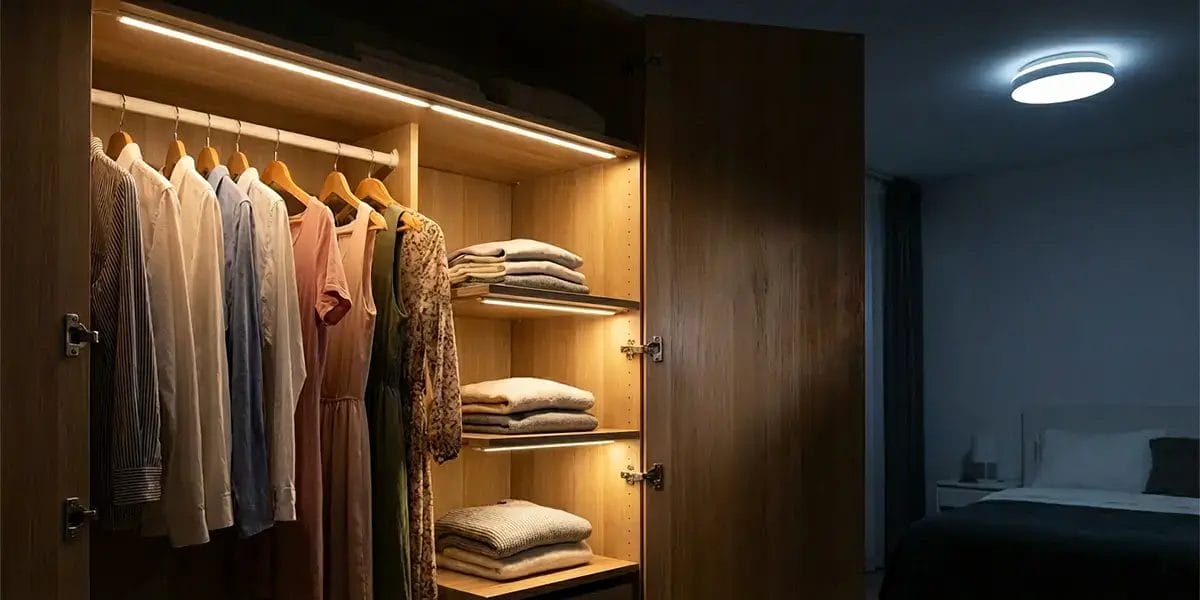
Wardrobes are enclosed storage spaces that rarely benefit from natural light or sufficient spillover from bedroom ceiling fixtures. At night, the cabinet structure and hanging garments block much of the available light, making it inconvenient to locate clothing. Many people resort to using a smartphone flashlight while searching through their closet.
Adding interior wardrobe lighting transforms this daily routine. Soft internal illumination makes selecting outfits effortless and organized. Although it may seem like a small enhancement, the improvement in usability and overall satisfaction is significant.
For homeowners with flexible budgets, custom wardrobes with integrated built in light strips offer a clean and refined solution. For those seeking cost effective alternatives, simple rechargeable puck lights or adhesive light strips can be installed inside the wardrobe without drilling. These options provide practical illumination while remaining affordable and easy to implement.
Home Lighting Design Tips
Interior lighting design involves many technical considerations, yet the guiding principle should always be practicality. Lighting should serve real daily needs rather than exist purely as decoration. Often, the true value of thoughtful lighting becomes apparent only after living in the space.
The four lighting strategies outlined above address common problem areas and deliver tangible improvements in comfort and usability. By integrating under cabinet lighting in the kitchen, motion activated night lighting in circulation areas, dedicated mirror lighting in bathrooms, and interior lighting in wardrobes, you can significantly elevate your home environment. When light is planned with intention, it enhances not only visibility but also the quality of everyday life.


Related posts

If you’re planning a laundry setup on your balcony, one question matters more than anything else: What kind of cabinet will actually last—and not turn... Continue reading
If you’re planning a kitchen upgrade, installing a new sink might seem like a simple task. I’ve had many homeowners tell me,“It looks easy enough—I’ll... Continue reading
If your kitchen feels tight, cluttered, or just hard to work in—you’re not alone. I’ve worked with plenty of homeowners across the U.S., and honestly,... Continue reading
When planning a bathroom remodel, many homeowners focus on tile, lighting, or paint colors. But after working with bathroom designs for many years, I’ve learned... Continue reading
A wall mounted wine rack is more than just a storage solution. In many homes, it becomes a subtle design feature that adds personality and... Continue reading





Add comment