No products in the cart.
Return To Shop or
or  ,
,
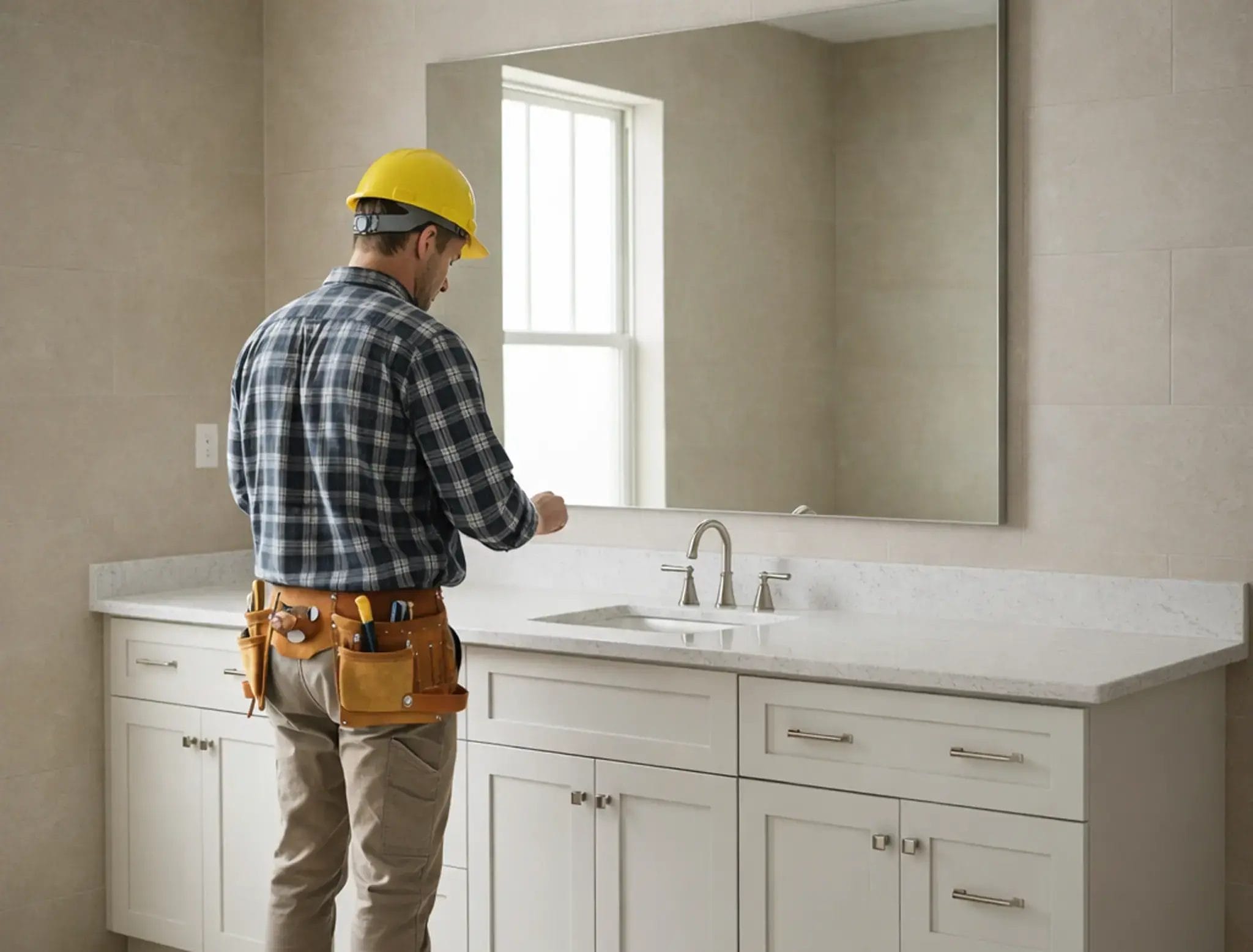



How to Install a Bathroom Vanity Step by Step (DIY Guide)
Bathrooms are one of the most frequently used spaces in any home, yet they often have limited room for storage and movement. A well-designed bathroom vanity plays a crucial role in keeping the space organized while improving both functionality and visual appeal.
Whether you are replacing an old vanity or installing a new one as part of a renovation, proper installation makes a big difference. A correctly installed bathroom vanity not only looks better, but also performs better over time—reducing moisture damage, alignment issues, and maintenance problems.
This step-by-step guide is designed for homeowners who want to install a bathroom vanity themselves with confidence. We’ll walk through the installation process and highlight practical details that are often overlooked.
Table of Contents
1. Installing the Main Bathroom Vanity Cabinet
The installation process varies slightly depending on whether you are working with a wall-mounted vanity or a freestanding vanity. Before starting, always double-check your measurements and make sure plumbing rough-ins are in the correct position.
Wall-Mounted Bathroom Vanity Installation

Before installing a wall-mounted vanity, the first step is to confirm that the wall structure can support the cabinet’s weight. Solid walls or walls with properly placed studs are ideal. If the wall cannot provide adequate support, a freestanding vanity is usually the safer choice.
Once the wall is confirmed to be suitable, mark the drilling points according to the mounting holes on the cabinet. For most bathrooms, a finished countertop height of about 83 cm (32–33 inches) from the floor provides comfortable daily use.
Use an impact drill to create holes at the marked positions, then insert wall plugs or anchors. Secure the mounting brackets using self-tapping screws or expansion screws. After the cabinet is fixed in place, carefully align the countertop or integrated sink with the cabinet supports.
Use a level to check both horizontal and vertical alignment. A properly leveled vanity ensures smooth drainage, prevents stress on joints, and reduces the risk of long-term structural damage.
Wall-mounted vanities create a clean, floating look and make floor cleaning easier, but installation accuracy is critical. Taking extra time to level the cabinet properly will pay off in durability and everyday usability.
Freestanding Bathroom Vanity Installation
Freestanding bathroom vanities are generally more forgiving during installation and do not rely on wall support for structural stability.
Start by placing the cabinet on its side on a soft surface to prevent scratches. Attach the cabinet legs using the provided double-ended bolts and mounting plates. Once all legs are installed, carefully stand the cabinet upright and move it into position.
Adjust the legs so they sit as close to the outer side panels as possible. This helps distribute weight evenly across the cabinet. Use the adjustable foot screws to level the vanity, checking all sides with a level.
If a freestanding vanity is not properly leveled, it can lead to door misalignment, countertop stress, and reduced service life. Taking a few extra minutes here helps avoid problems later.
2. Installing Side Cabinets and Open Shelving
Side cabinets and wall-mounted storage shelves follow the same basic installation principles as wall-mounted vanities. Always verify wall strength, use appropriate anchors, and confirm that everything is level before final tightening.
Proper alignment improves both appearance and daily usability, especially when cabinets are installed next to the main vanity.
3. Bathroom Mirror Installation
Begin by measuring the mirror carefully and marking the mounting points on the wall. Drill holes at the marked locations and insert wall plugs or anchors.
Screw the mounting screws into the wall plugs, leaving enough clearance for the mirror to hang securely. Align the mounting holes on the back of the mirror with the screws and gently place it into position.
Once installed, use a level to ensure the mirror is straight. A properly aligned mirror not only looks better but also improves lighting balance in the bathroom.
For cleaning, a soft cloth or newspaper works well and helps avoid streaks without damaging the surface.
4. Important Notes and Maintenance Tips
Good ventilation is essential for protecting your bathroom vanity. Keeping the cabinet dry helps extend its lifespan and prevents warping or finish damage. If water splashes onto the surface, wipe it dry promptly with a soft cloth.
During installation, never place cabinets or mirrors directly on hard floors. Use protective padding to avoid scratches or impact damage. Handle tools carefully to prevent accidental surface marks.
For routine cleaning, use mild, neutral cleaning agents. Toothpaste applied with a soft cloth can remove light stains effectively. Avoid metal scrubbers, abrasive pads, or harsh chemicals, as they can damage the finish.
Storing cleaning products inside the vanity is convenient, but placing them on a washable mat or liner helps protect interior surfaces. Keeping wet and dry zones separate in the bathroom also reduces long-term moisture exposure. Finally, check plumbing connections regularly to ensure there are no leaks.
5. Choosing the Right Time and Vanity Type Before Installation
The best time to select a bathroom vanity is before plumbing and electrical work begins. This allows water supply lines and drainage outlets to be positioned correctly for the chosen vanity design.
For wall-mounted vanities, wall drainage is usually the cleanest option. Freestanding vanities can work with either wall or floor drainage, depending on layout preferences.
Hot and cold water outlets are typically positioned about 50 cm (20 inches) above the floor. If outlets are installed too high or too low, installation becomes more complicated. Faucet supply hoses usually measure 40–50 cm in length. When outlets are placed too low, hose extensions may be required, which can affect appearance and increase installation complexity.
Planning ahead and coordinating vanity selection with plumbing layout helps avoid unnecessary modifications and ensures a clean, efficient installation.
Final Thoughts
Installing a bathroom vanity may seem intimidating at first, but with careful preparation and attention to detail, it is a project many homeowners can complete successfully. Understanding the differences between wall-mounted and freestanding vanities, leveling the cabinet properly, and planning plumbing placement in advance all contribute to a durable and visually appealing result.
We hope this step-by-step guide helps you install your bathroom vanity with confidence and enjoy a more organized, functional bathroom for years to come.


Related posts

Transforming a laundry room does not have to be complicated or expensive. With a few thoughtful DIY ideas and practical adjustments, you can turn even... Continue reading

Bathrooms are one of the most frequently used spaces in any home, serving both functional and personal comfort needs. Beyond basic hygiene, a well designed... Continue reading

Have you ever stood in your kitchen feeling completely overwhelmed by clutter. You install wall to wall cabinets, yet storage still feels insufficient. Items stored... Continue reading

Upgrading your bathroom doesn’t always require a full remodel. In many cases, replacing the vanity alone can completely transform the space. If you’ve chosen a... Continue reading

There is a wide variety of bathroom vanity cabinet materials available on the market today. In addition to well-known options such as solid wood, multi-layer... Continue reading










Add comment