No products in the cart.
Return To Shop or
or  ,
,



Do You Install Upper or Lower Cabinets First?
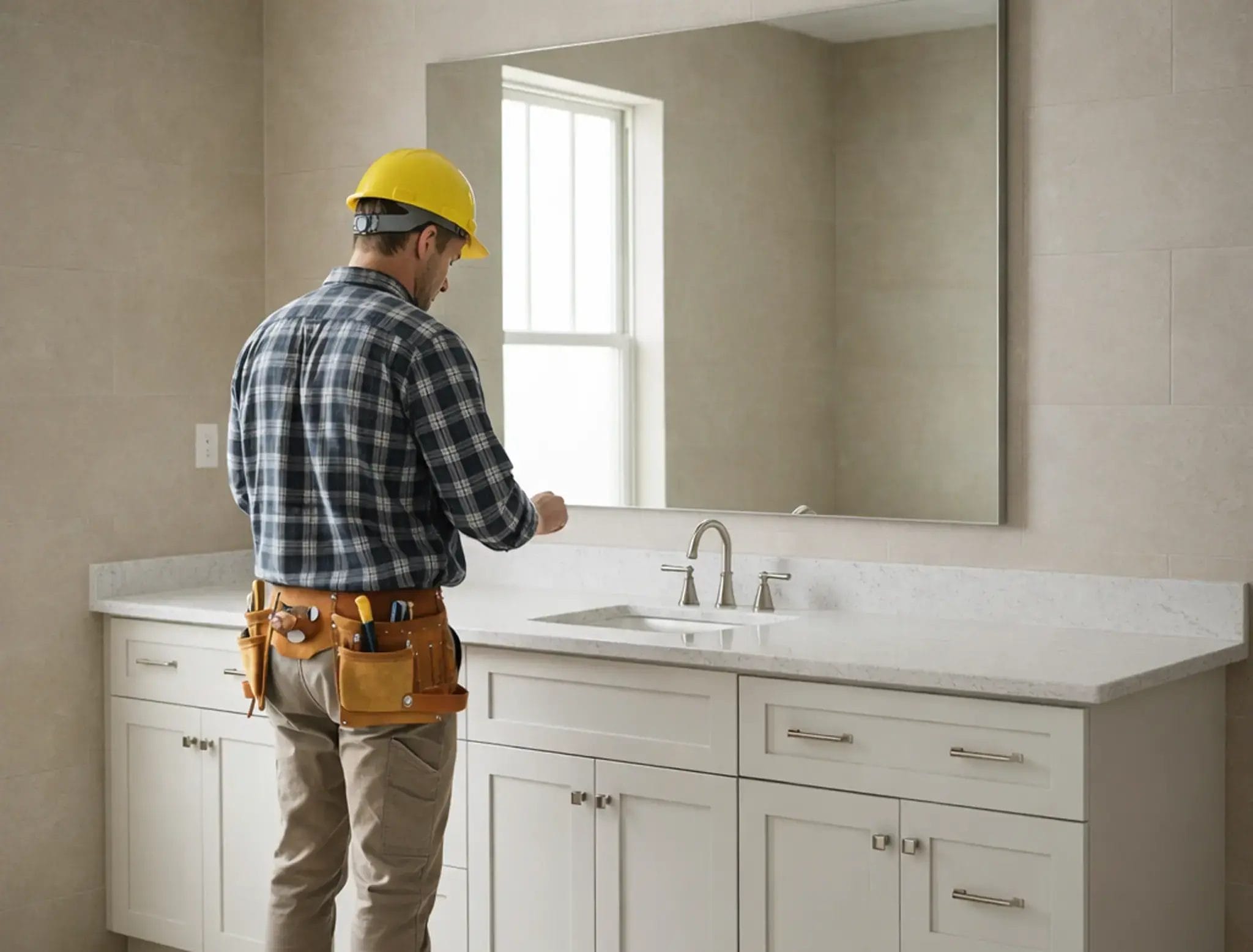
When you’re planning a kitchen remodel in the U.S.—whether you’re the busy home chef managing meals, the DIY‑savvy guy ready to roll up his sleeves, or the design professional orchestrating the layout—one question often arises early: “Should I install the wall (upper) cabinets first or the base (lower) cabinets first?” It might seem like a small detail, but trust me, the order affects the workflow, the alignment, the finish look—and ultimately, how your kitchen feels and functions.
Table of Contents
Understanding the Two Approaches
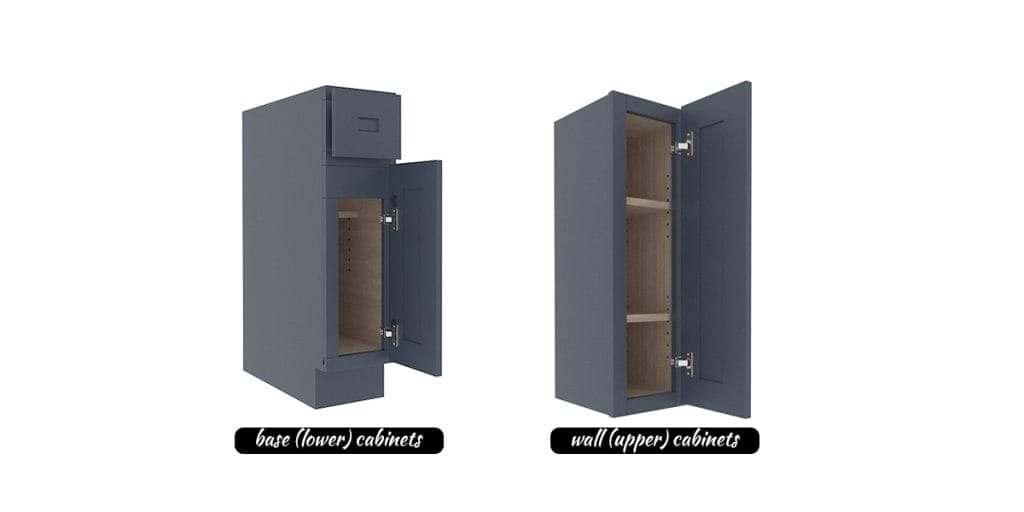
There are two widely used installation sequences:
- Upper Cabinets First: You install the wall‐mounted cabinets before (or without) the base cabinets in place.
- Lower Cabinets First: You install the base (floor) cabinets first, then hang the uppers once the base line is established.
Each method has its rationale. For example, one seasoned installer writes:
“It’s easier to get to the top cabinets without the bottom cabinets in the way…”
On the flip side:
“I prefer to install base cabs first because the floor determines where the bases will sit, and the bases determine where the uppers will sit.”
So, there’s no universal “right” or “wrong”—but our goal is to see which method tends to deliver the best results in most remodels, and how you can use that to your advantage.
Why I Recommend Installing Upper Cabinets First
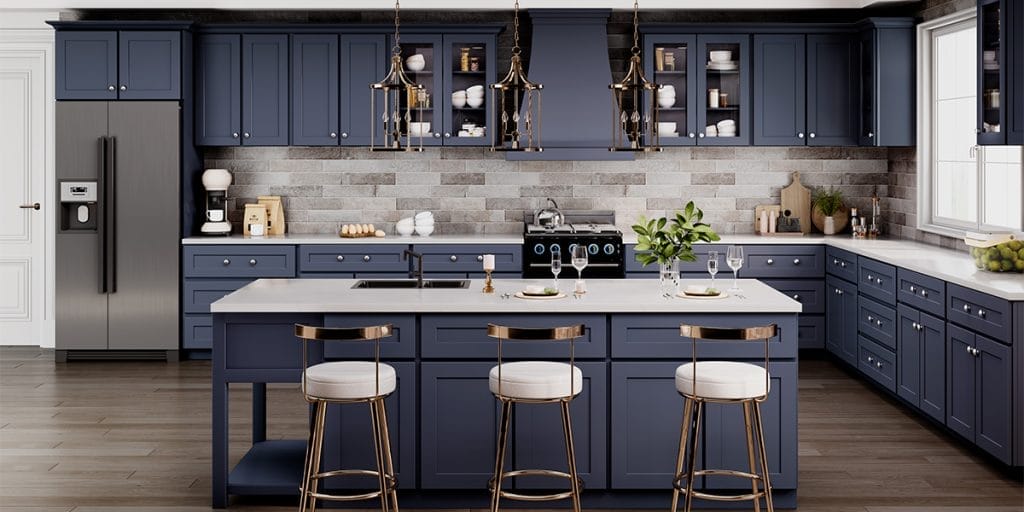
From my design‑studio experience across U.S. kitchens, In most cases, I tend to recommend the “uppers first” approach—here’s why:
Better Access & Fewer Obstacles
Without base cabinets in place, installers (or DIYers) can work overhead without balancing around or above floor cabinets. As one professional notes: “Doing the uppers first… less chance of damaging the lowers when lifting the wall boxes into place.”
This is especially relevant for households where the DIY‑man is working with help or solo.
Establishing the Level Reference Line Early
When you hang the uppers first, you create a clear “top line” reference on the wall—this becomes your alignment anchor for subsequent base cabinetry, countertops, backsplash etc. Especially in older homes where floors may slope or walls may be out of plumb, this helps ensure everything looks clean and aligned.
Protecting Your Investment
If you install bases first and then install uppers, there’s always the risk of bumping or scratching the base units when lifting and positioning wall units. Installing uppers first avoids that risk.
Flexible Design & Colour Decisions
Because you will often view the upper cabinets at eye level—and they set a major tone for colour and finish—it’s helpful to lock in the upper cabinet design early (style, door finish, colour) and then select base cabinets to coordinate. This helps maintain design cohesion.
However: there are situations where “bases first” may be the better path—more on that next.
When You Might Choose to Install Base Cabinets First
There are instances in renovations where it makes more sense to start with the bases:
- Uneven floors or major layout changes: If the floor is highly irregular and you need to get base cabinets level and stable first before hanging wall units, you may want to start with base cabinets. One installer affirms: “If I install solo… the bases should go first. Then I can level them and install the wall cabinets referencing the base tops.”
- Large islands or full bowl layout changes: If you’re installing a big island or configuring heavy base cabinetry before walls, the base line may become your primary reference.
- Staging / phased remodels: If the kitchen must be functional quickly and base cabinets plus countertop are prioritized while walls/uppers wait, then base first is viable.
In short: know your site conditions (floor level, wall plumb, layout complexity) and choose the sequence that suits your project best.
Style, Colour & Kitchen Design Implications
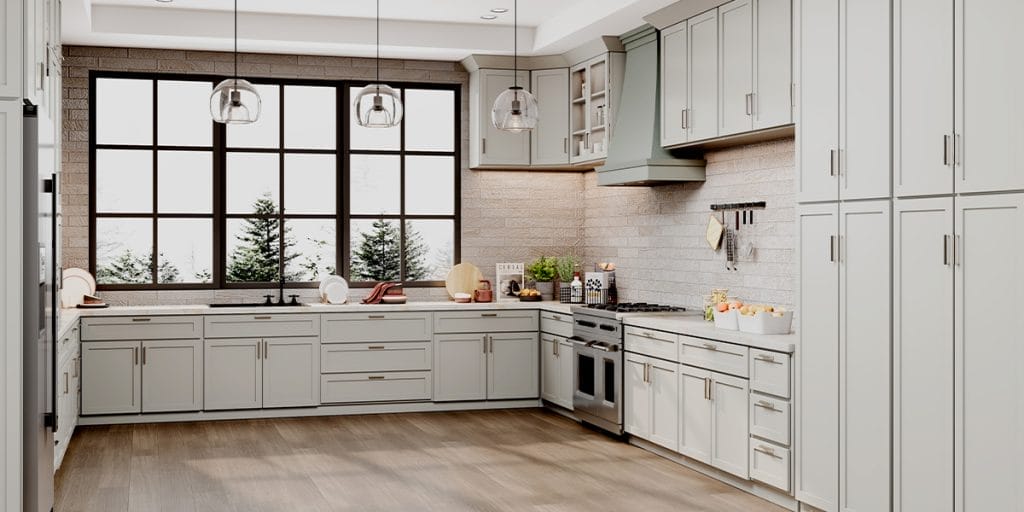
Let’s shift from the technical to the aesthetic side—because the installation sequence links closely to how your kitchen will look and feel.
Colour & Finish Strategy
- If you install uppers first, you set your design tone early—say crisp white gloss uppers, flat‑panel door front, minimal hardware. With that locked in, your base cabinets can adopt a complementary tone (e.g., charcoal matte, or warm wood grain) to anchor the space.
- On the other hand, if you start with bases first, you might choose a standout wood‐grain base (walnut or maple) and then match uppers to the base—but you risk more adjustment later.
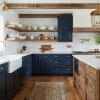
- In modern kitchens: uppers in soft white or pale grey, flat panel; bases in brick navy or charcoal, minimal hardware—this combination works beautifully when installation is precise. Learn more about modern vs traditional kitchen cabinets and how style influences material and finish choices.
Design Inspiration for This Approach
- Modern Minimal: Uppers in white high‑gloss, installed first. Base cabinets in deep slate or charcoal matte follow—creates clean lines and strong visual contrast.
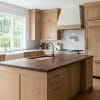
- Warm Farmhouse: Uppers in light painted finish (cream or pale grey), installed first; lower cabinets in natural wood grain or warm stained finish (walnut or maple), installed second. The first install of the uppers gives you the anchor; the bases add comfort and texture.
- Two‑Tone Trend: Lock in the uppers with a hint of colour (sage or soft green) and then choose lower cabinets in dark wood or matte black for dramatic contrast. Installing uppers first helps finalise the top kitchen cabinet colors for 2025 and ensures the colour relationship is balanced.
Why It Matters
If your uppers are hanging and aligned correctly, your visual “top” of the kitchen feels crisp—no sagging or misalignment. That sets the tone for everything else: the island, the countertop, the backsplash. A solid first step leads to a polished finish.
Practical Remodel & Retrofit Advice for Homeowners and DIYers
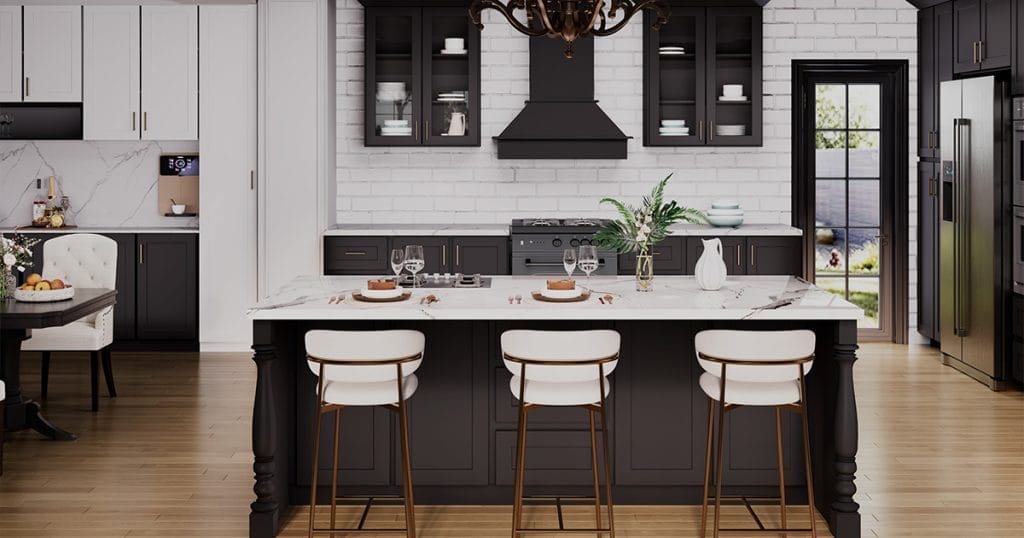
Whether you’re a hands‑on DIY guy or a homeowner supervising work, here are real‑world tips to follow when installing cabinets:
Site Preparation
- Remove old cabinetry, inspect floor and wall for level/plumb. Correct major irregularities before any new cabinets arrive.
- Mark reference lines: For uppers first method, draw a laser or chalk line where the bottom of the wall cabinets will hang (standard is 54″ from floor top of counters plus 18″ clearance, etc.).
- Ensure plumbing, electrical, hood vents, and appliance rough‑ins are ready. For a full checklist of layout spacing and preparation standards, see our guide on Kitchen Planning Rules.
Installation Sequence Checklist (Uppers First)
- Hang a temporary ledger board or support beam at the appropriate height to rest the wall cabinets on.
- Install wall cabinets: level, shim, anchor into studs. Confirm alignment, door clearances, and that no base cabinets are in the way.
- Once wall cabinets are secure, install base cabinets: level from the floor, align with wall units, shim where necessary.
- Install countertop and then finish with doors, hardware, kickboards, lighting, and backsplash.
- If doing two‑tone design, use the uppers to lock colour/finish first, then select base cabinet finish accordingly.
DIY vs Professional Install
- For DIYers: Ensure you have tools like a laser level, cabinet jack or support brackets (for uppers), stud finder, 6′ level, shims. Working overhead (for wall units) is harder when base units are installed first.
- For homeowners managing professionals: Confirm the sequence with the installer, and make sure they plan accordingly. Proper sequence reduces risk of damage, misalignment and rework.
Budget & Design Integration
Because installing uppers first often streamlines the process (less interference from base cabinets), you may save time and labor cost. That savings can be redirected to higher quality finishes: for example, better door style or hardware, statement pendant lighting over the island, or premium stone countertop.
Maintenance & Longevity
Once your kitchen is installed, check for alignment, door operation, hinge function, and keep the area around the top of the base cabinets clean (especially where they meet the wall). A precisely installed cabinet run means fewer issues down the line.
Designer’s Key Takeaways & Next Steps
- In most U.S. kitchen remodels, I recommend installing upper cabinets first, then base cabinets, because it often results in cleaner alignment, less interference during installation, and better design flow.
- But always evaluate your specific project: floor condition, wall plumbness, layout complexity, and whether you’re doing a refresh vs full rebuild.
- Action steps:
- Decide your installation sequence early—communicate it clearly with your installer or partner.
- Lock in your upper cabinet design (style, colour/finish) first—this gives you a strong anchor for the rest of the kitchen.
- Ensure your site is prepped properly: floor and wall level/plumb, appliances and rough‑ins in correct positions.
- Allocate your budget wisely: quality cabinet construction + good hardware + correct installation = better foundation; then use remaining budget for countertop, lighting, hardware and finish detailing.
- For DIYers: get the right tools, plan for overhead work for uppers, and invite a helper or use a cabinet jack for safety and accuracy.
Whether you’re the home chef planning meal‑time flow, the DIY‑enthusiast ready to own the weekend project, or the design professional guiding clients—choosing the correct cabinet installation order is more than a technical detail; it’s a design decision that shapes the final look, feel and longevity of your space. With proper planning, your kitchen will not only look beautiful—but function beautifully for years to come.
Here’s to installing smart, designing boldly—and creating a kitchen that both your family and your design instincts love.


Related posts

Receiving the keys to a new home is an exciting milestone yet it often brings an important and sometimes confusing question. What is the best... Continue reading

The kitchen is far more than a place for cooking meals. In many American homes it has become a central space for daily routines family... Continue reading
Kitchen cabinets play a vital role in both the function and visual identity of a kitchen. Among all cabinet components, cabinet doors are the most... Continue reading

The colors you choose for your home don’t just paint walls—they shape moods, create feelings, and influence how every day unfolds. In 2026, whole home... Continue reading
In modern home renovation projects, custom cabinetry has become a core element in both kitchen and bathroom planning. Choosing the right custom cabinet supplier is... Continue reading







Add comment