No products in the cart.
Return To Shop or
or  ,
,


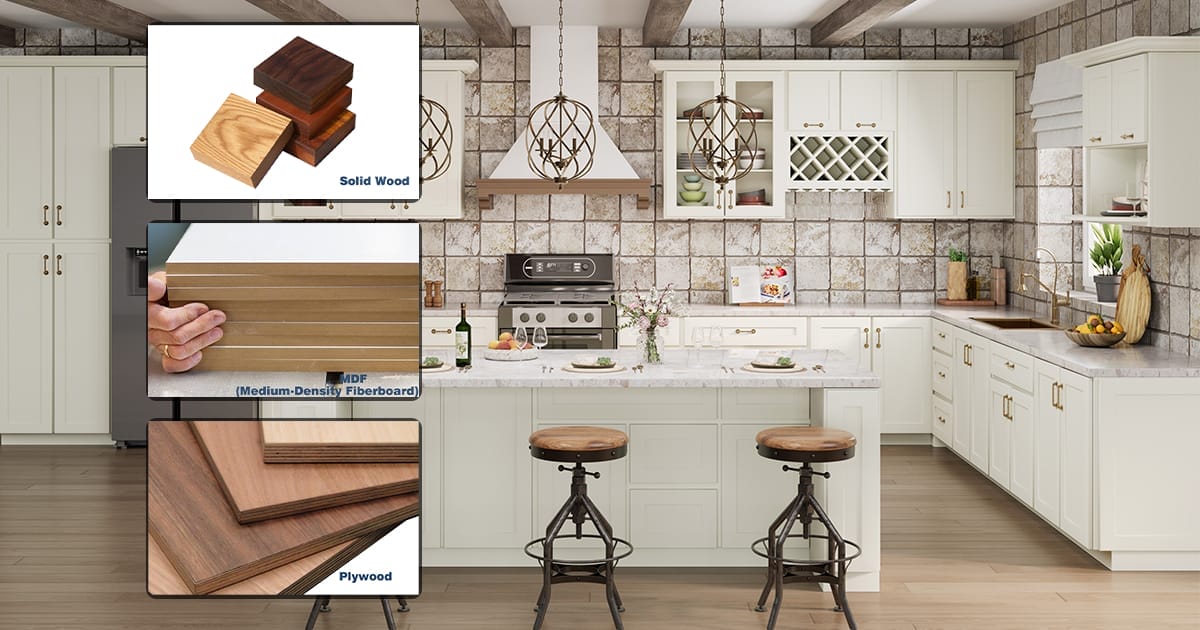
Best Kitchen Cabinet Materials: Solid Wood vs MDF vs Plywood
Choosing the right cabinet material is one of the most important decisions when designing or renovating a kitchen. Cabinets define not only storage but also the overall aesthetic and longevity of your kitchen. With so many options available—solid wood, MDF, and plywood—it’s easy to feel overwhelmed. As a kitchen designer with years of experience, I’ve guided countless homeowners through this very decision, balancing style, durability, and budget. Here’s a closer look at each material and how it can help you create a kitchen that’s both beautiful and functional.
Table of Contents
1. Solid Wood Cabinets: Timeless Beauty
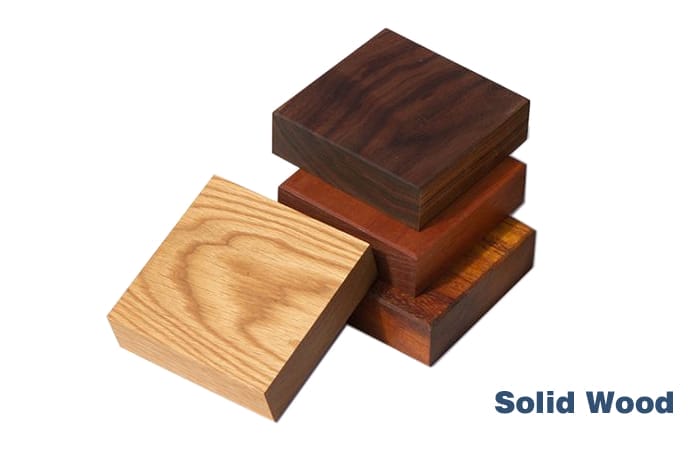
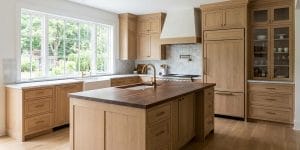
Nothing quite compares to the warmth and natural character of solid wood. Each cabinet is unique, with its own grain pattern and texture, making it an ideal choice for those who want a classic, long-lasting kitchen.
Pros:
- Naturally beautiful and versatile for staining or painting.
- Extremely durable and able to withstand heavy use.
- Can be refinished and repaired over time.
Cons:
- High initial cost.
- Sensitive to humidity and temperature changes, which can cause warping.
Common Use Cases: High-end or traditional kitchens where longevity and natural beauty are priorities.
Design Tip: Pair rich, cherry or walnut cabinets with warm countertops and soft lighting to create a cozy, inviting atmosphere. Solid wood also works beautifully in island cabinetry for a statement focal point.
2. MDF Cabinets: Smooth, Modern, and Budget-Friendly
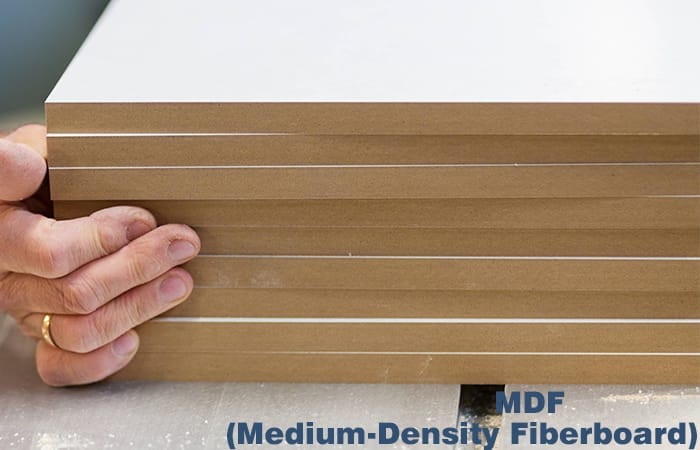
Medium Density Fiberboard (MDF) is an engineered wood product known for its smooth surface, making it ideal for painted finishes. It offers a sleek, contemporary look without the cost of solid wood.
Pros:
- Smooth and uniform surface perfect for modern paint colors.
- Cost-effective compared to solid wood.
- Less prone to natural wood defects like knots or uneven grain.
Cons:
- Lower strength and less load-bearing than solid wood.
- Susceptible to water damage if not properly sealed.
Common Use Cases: Contemporary kitchens, budget-conscious renovations, or homeowners seeking a clean, minimalist appearance.
Design Tip: MDF excels in two-tone designs or bold painted finishes, allowing you to experiment with trendy colors like soft sage, navy, or charcoal gray without breaking the bank.
3. Plywood Cabinets: Durability Meets Value
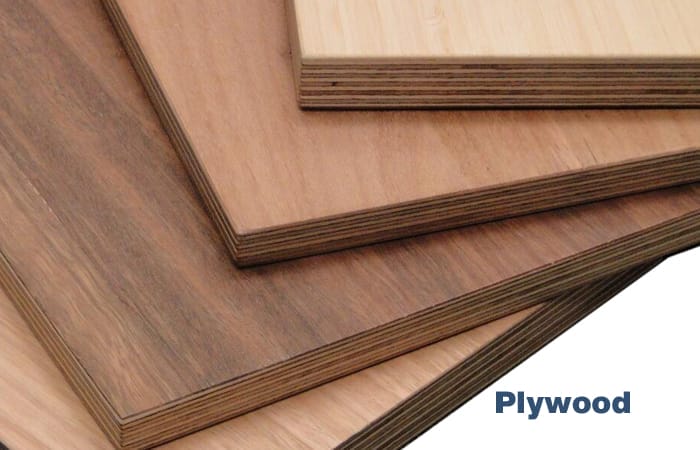
Plywood is constructed by layering thin sheets of wood veneer, making it stronger and more stable than MDF while often costing less than solid wood. It strikes a balance between performance and aesthetics.
Pros:
- High strength and excellent load-bearing capacity.
- Resistant to moisture and warping, ideal for kitchens near sinks or dishwashers.
- Environmentally friendly when sourced responsibly.
Cons:
- Surface lacks the natural grain character of solid wood; may require veneer or paint.
- Slightly more expensive than MDF but offers better longevity.
Common Use Cases: Busy family kitchens, high-use areas, or spaces where moisture resistance is crucial.
Design Tip: Consider plywood with a natural wood veneer or painted finish for a blend of durability and style. It pairs well with both modern and transitional designs.
4. Durability and Moisture Considerations
Understanding how each material reacts to moisture is critical, especially in American kitchens, where sinks, dishwashers, and refrigerator zones create wet environments.
- Solid Wood: Can warp in humid conditions, best for upper cabinets or islands away from direct water exposure.
- MDF: Requires moisture-resistant finishes; avoid using near sinks unless properly sealed.
- Plywood: Most stable and suitable for base cabinets near water sources.
A practical tip: in renovation projects, combine materials strategically—plywood for base cabinets, MDF or solid wood for uppers—to balance cost, durability, and style.
5. Cost Comparison and Long-Term Value
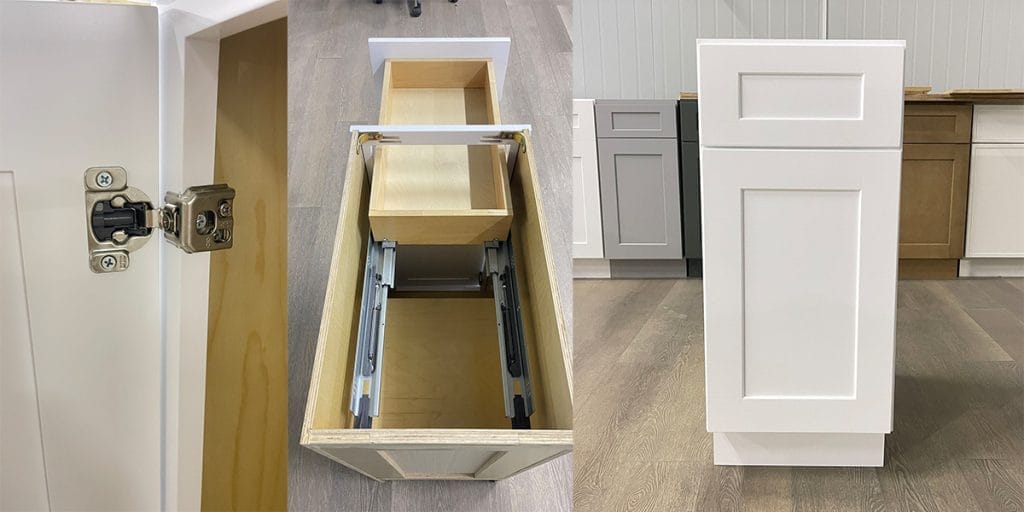
When planning a kitchen, cost is always a factor. While solid wood offers unmatched beauty, it comes at a premium. MDF is affordable and versatile but may require replacement sooner if exposed to moisture. Plywood often provides the best compromise—moderate cost with durability and moisture resistance.
At RaraRTACabinets, we use high-quality HDF, which is stronger and more durable than standard MDF, while keeping our prices affordable.
Think beyond the sticker price: a slightly higher upfront investment in durable materials can save money and headaches down the line. In my experience, homeowners who mix plywood bases with painted MDF or solid wood uppers often achieve both elegance and resilience.
6. Renovation and DIY Tips
For DIYers and home renovators:
- Always measure carefully and consider wall and floor leveling.
- Match material choice to your skill level and tools—MDF is easier to cut and paint, while solid wood may require more precision and specialized tools.
- Pay attention to finishing details: door thickness, hardware, and color contrast can elevate even budget-friendly cabinets.
Mixing materials can create visual interest: for instance, solid wood for the island, MDF for perimeter cabinets, and plywood for hidden storage areas combine style, durability, and cost-efficiency. Learn how to bring it all together in our Cabinet Installation DIY Guide.
7. Inspiring Design Ideas

- Modern Minimalist: White MDF cabinets with black hardware create crisp, contemporary kitchens.
- Classic American: Cherry or walnut solid wood paired with warm stone countertops exudes timeless charm.
- Transitional Mix: Plywood base cabinets with painted upper cabinets offer both resilience and visual depth.
Remember, cabinets are not just storage—they define the kitchen’s personality. Consider lighting, backsplash, and flooring alongside material selection to create a cohesive and inviting space.
FAQ
Q1: Which cabinet material is most durable for a family kitchen?
Plywood offers the best balance of durability, moisture resistance, and cost.
Q2: Is MDF suitable for DIY kitchen remodels?
Yes, with proper moisture protection and careful handling, MDF is ideal for painted modern kitchens.
Q3: Do solid wood cabinets require maintenance?
Yes, periodic refinishing or touch-ups are recommended, especially in humid areas.
Q4: Can I mix different materials in one kitchen?
Absolutely—many designers use a combination of plywood, MDF, and solid wood to optimize durability, style, and cost.


Related posts

Receiving the keys to a new home is an exciting milestone yet it often brings an important and sometimes confusing question. What is the best... Continue reading

The kitchen is far more than a place for cooking meals. In many American homes it has become a central space for daily routines family... Continue reading
Kitchen cabinets play a vital role in both the function and visual identity of a kitchen. Among all cabinet components, cabinet doors are the most... Continue reading
The colors you choose for your home don’t just paint walls—they shape moods, create feelings, and influence how every day unfolds. In 2026, whole home... Continue reading
In modern home renovation projects, custom cabinetry has become a core element in both kitchen and bathroom planning. Choosing the right custom cabinet supplier is... Continue reading







Add comment