No products in the cart.
Return To Shop or
or  ,
,


How Should Kitchens Be Designed in 2026
As a designer who’s quietly been making a few waves in the industry, I’m comfortable saying: the kitchen we used to know is changing — and for the better. These are not timid trends; they are deliberate shifts toward spaces that actually serve people, day in and day out. I’m confident these directions will define kitchens in 2026 because I’m already specifying them for clients who want beauty that performs.
Below is a close look at the trends I’m most bullish on — the ones I’d bet my reputation on.
Table of Contents

Trend One: The Defining Kitchen Look of 2026
Soft Greens and Light Blues Define Natural Aesthetics
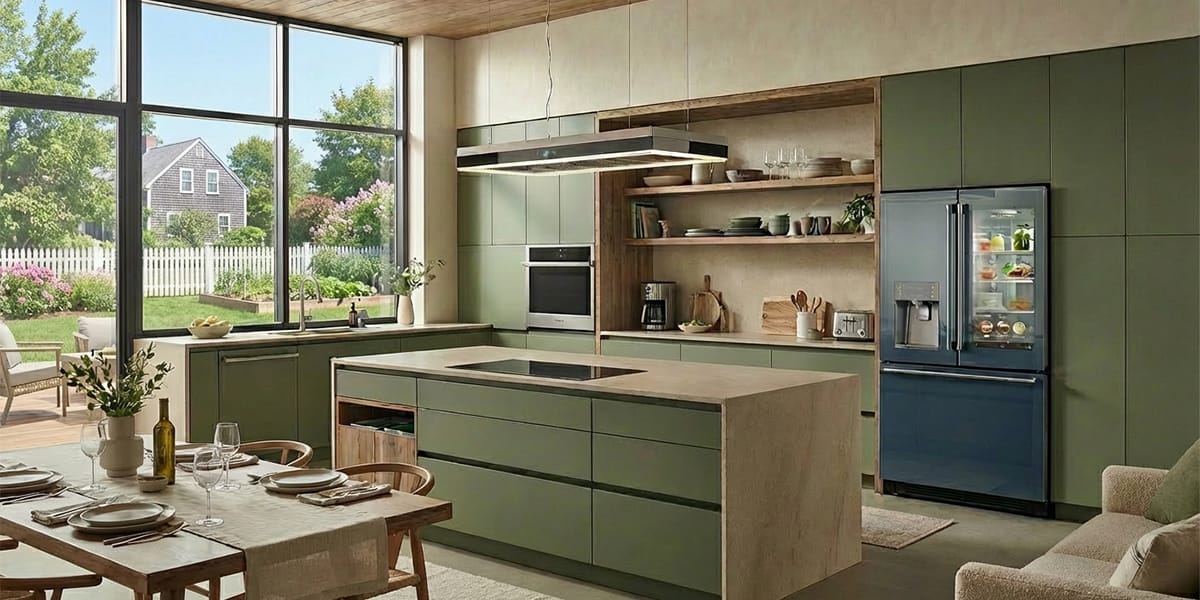
I’m staking a claim here: nature’s palette is winning. Soft greens and light blues aren’t a passing fad — they’re the visual language of calm we need in busy homes. I’ve started using these tones on cabinets and feature walls, and the difference is immediate: rooms that feel more composed, less staged. Applied with restraint, these colors refresh a kitchen without screaming for attention. If you want a kitchen that invites lingering, this is the color direction to choose.
Trend Two: Saying Goodbye to Cold Finishes
Warm Textured Surfaces Become the New Favorite
Call it intuition backed by results: cool chrome is giving way to warmer metals. Brass, bronze, and champagne gold add a softness that photographs beautifully and feels even better in person. I prefer finishes that have texture and presence — they age well and add personality without shouting. Pair them with natural wood or muted cabinetry, and you get a room that reads as both curated and lived-in. Honestly, I don’t specify polished chrome as often anymore.
Trend Three: The Right Hardware Makes All the Difference
Minimalist Linear Handles Remain Popular
Hardware is the punctuation of cabinetry. Minimalist linear handles are my go-to because they respect the overall composition while delivering function. They read modern, but they aren’t trendy in a throwaway way — they’re practical and timeless. In new projects, clients appreciate how these simple lines let materials and layout do the storytelling. Small detail, big impact — I stand by that.

Trend Four: Two Tone Cabinets Shine
Contrasting Shades Create Visual Depth
Two-tone cabinetry is the design trick that actually works. Light uppers, darker bases, or wood with painted fronts — these pairings build dimension without cluttering the eye. I’ve used deep greens and natural wood together and watched a modest footprint feel more intentional and layered. It’s a confident move, but when done with restraint it reads sophisticated rather than busy. If you want a kitchen with personality that lasts, this is the palette strategy I recommend.
Trend Five: Customized Storage and Functional Corners
Practical Design Enhances Everyday Living
Function beats fuss every time. Customized storage — from built-in coffee nooks to purpose-driven corner pull-outs — is where good design proves its value. I insist on solutions tailored to how people actually use their kitchens: zones for prep, zones for service, and smart corners that no longer become dead space. When storage is designed around real habits, the kitchen becomes quieter, cleaner, and far more delightful to live in. Believe me, clients notice the difference instantly.
Trend Six: Kitchen Islands Reach New Heights
Supporting Cooking, Dining, and Working
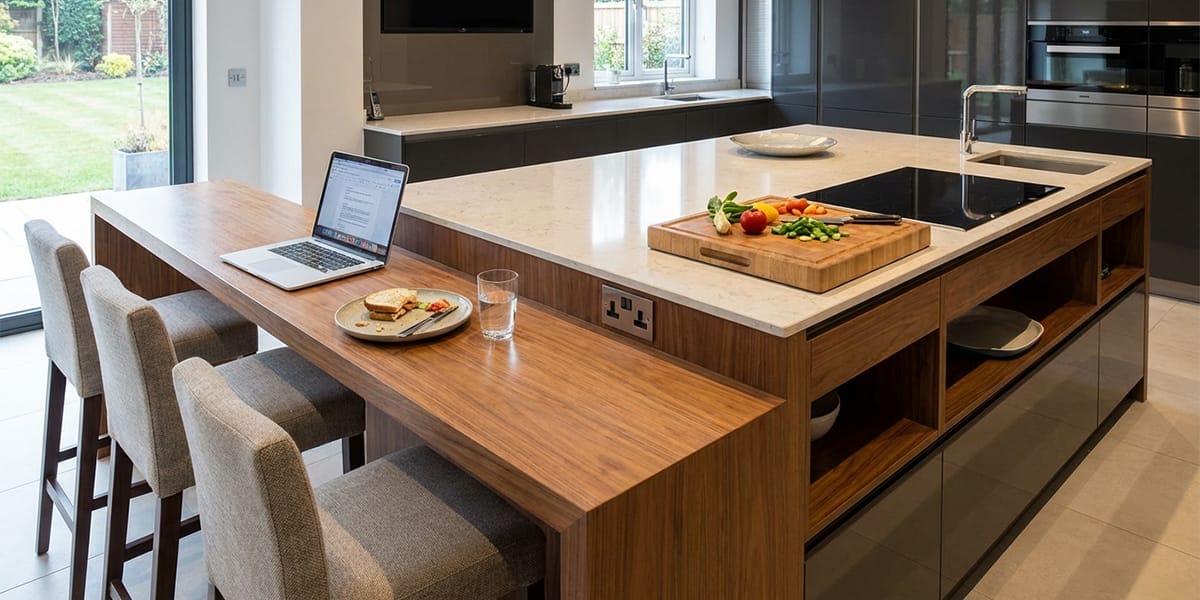
Islands are no longer mere countertops; they are the control centers of modern life. Bigger, smarter islands accommodate cooking, eating, working, and socializing without feeling chaotic. I push for islands that offer generous work surfaces, integrated storage, and comfortable seating — they need to handle a laptop, a chopping board, and a casual dinner at once. That level of versatility is now a non-negotiable in my book.
Trend Seven: Backsplashes and Feature Walls Take the Spotlight
Where Subtle Design Details Shine
Backsplashes and feature walls are an opportunity to show restraint with intention. Natural stone, textured tiles, and mixed-material compositions create focal points that anchor a kitchen’s character. In my projects I use these elements sparingly but precisely; they should elevate the room, not dominate it. When chosen well, they add depth, are easy to maintain, and give the kitchen a memorable finish.
These are my predictions — not wishful thinking but what I’m already seeing in briefs, client choices, and completed projects. Kitchens in 2026 will be quieter in their confidence: rooted in nature, warm in materials, precise in detail, and generous in function. If you want a kitchen that looks good and lasts, follow these directions. I’m confident they’ll serve you well.

Related posts

Transforming a laundry room does not have to be complicated or expensive. With a few thoughtful DIY ideas and practical adjustments, you can turn even... Continue reading
Bathrooms are one of the most frequently used spaces in any home, serving both functional and personal comfort needs. Beyond basic hygiene, a well designed... Continue reading
Have you ever stood in your kitchen feeling completely overwhelmed by clutter. You install wall to wall cabinets, yet storage still feels insufficient. Items stored... Continue reading
Upgrading your bathroom doesn’t always require a full remodel. In many cases, replacing the vanity alone can completely transform the space. If you’ve chosen a... Continue reading

There is a wide variety of bathroom vanity cabinet materials available on the market today. In addition to well-known options such as solid wood, multi-layer... Continue reading






Add comment