No products in the cart.
Return To Shop or
or  ,
,


Modern vs Traditional Kitchen Cabinets: Style Comparison
Over the years, I’ve helped countless families rethink their kitchens, and one lesson is clear: cabinets are far more than storage. They shape how you move, how you feel, and even how safe and efficient your kitchen is. Many home cooks—especially busy moms—don’t realize that choosing between modern and traditional cabinets affects everyday tasks, cleaning, and even how natural light interacts with the space.
Table of Contents
Door Profiles: Style Meets Function
When I talk to homeowners about cabinets, the first thing I ask is about door profiles. Traditional cabinets often feature raised panels, intricate moldings, and decorative trim. Beyond the aesthetic, these details create natural visual breaks that guide the eye and make a kitchen feel cozy. But they also have practical implications: deeper panels and decorative edges can collect dust and grease, requiring slightly more maintenance. Knowing this upfront helps families plan cleaning routines more realistically.
Modern cabinets, in contrast, use flat slab doors or very minimal detailing. They create clean lines that are visually calming and easier to wipe down—a real benefit when juggling meal prep with kids or pets underfoot. The simplicity also means fewer nooks for crumbs or spills to hide, which can improve hygiene over time.
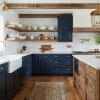
In my experience, blending the two styles can work beautifully. For example, a traditional kitchen with a modern island cabinet can maintain warmth while adding highly functional, easy-access storage in the heart of the workspace.
Color Choices: Psychology and Practicality

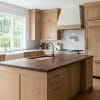
Cabinet color is not just about trends—it changes how a space feels and functions. Traditional cabinets often lean toward creams, warm whites, and honey-toned woods. These colors reflect light gently, making kitchens feel inviting and comforting—a subtle mood boost during early morning breakfasts or long cooking sessions.
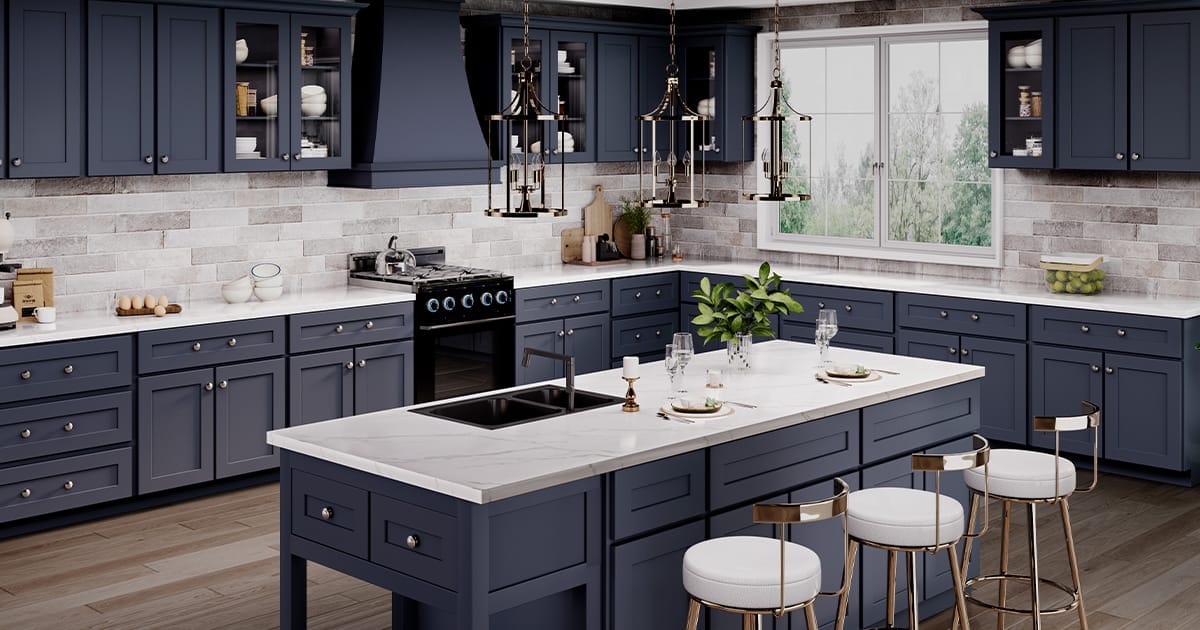
Modern cabinets favor neutral or darker shades like charcoal, navy, or matte black. These hues convey sophistication and make a bold design statement, but they also absorb light, requiring strategic lighting placement to avoid dark work areas. I always remind families: a darker cabinet may look stunning in photos, but in a busy kitchen where you chop vegetables or read recipes, visibility is crucial. Pairing darker cabinets with task lighting or reflective countertops can balance style and function.
For a deeper dive into choosing the perfect hues for your space, explore our Kitchen Cabinet Colors Guide.
Functionality: How Style Affects Daily Life
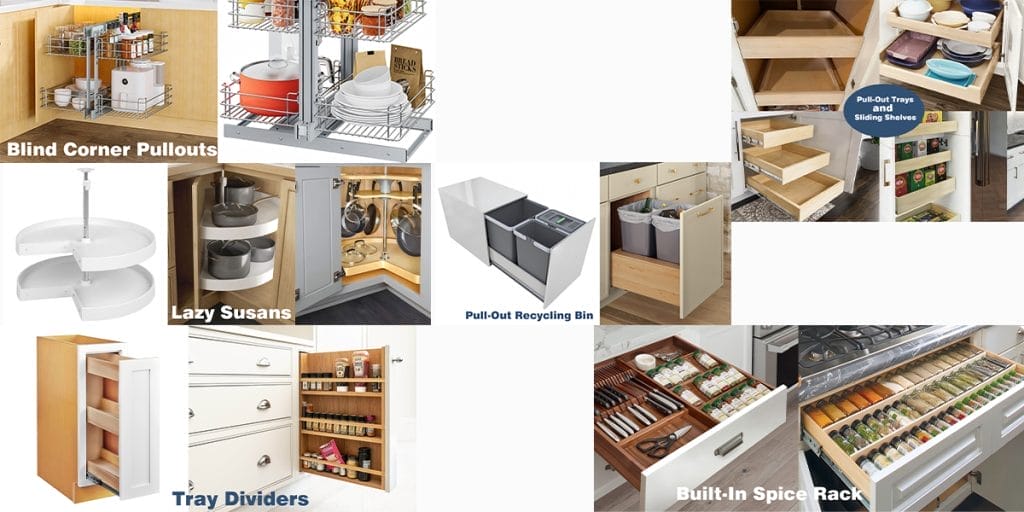
One of the biggest misconceptions is that style and functionality are separate. Traditional cabinets often have deeper shelves, multiple layers, and corner spaces. They are perfect for storing large pots, small appliances, or pantry items, but retrieving things from high or deep shelves can be awkward. I often advise adding pull-out trays, lazy Susans, or interior organizers to make them more accessible—especially for moms who need to multitask safely.
Modern cabinets are designed for efficiency. Drawers and modular systems make it easy to reach dishes, utensils, and ingredients. Soft-close technology prevents noisy slamming, and open shelving provides quick access to frequently used items. In my design work, I’ve found that families with children or elderly members benefit greatly from this accessibility—less bending, less reaching, and fewer accidents. For optimal kitchen usability, consider pairing these solutions with smart lighting; see our Under Cabinet Lighting & Accessories Guide for ideas that enhance both function and ambiance.
Architecture Fit: Harmonizing Cabinets with Your Home
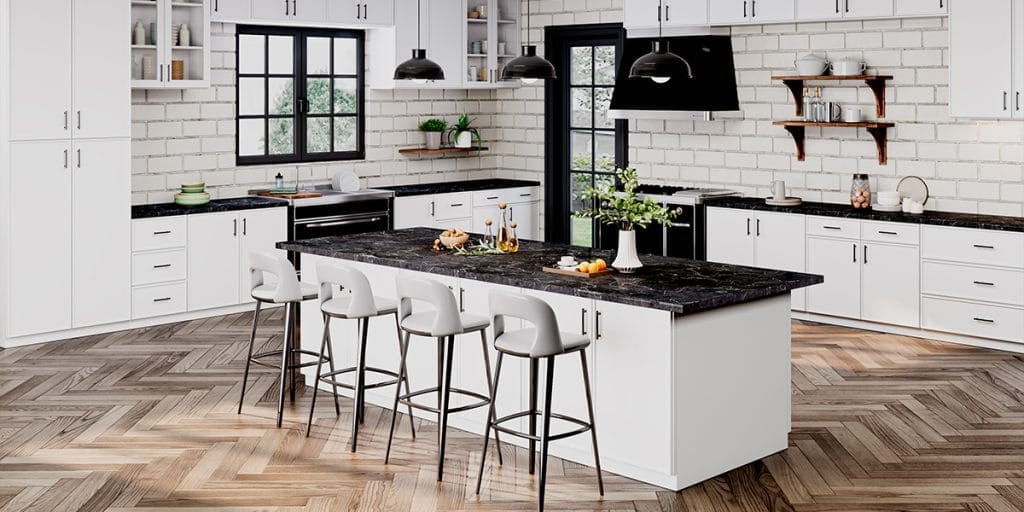
It’s important to consider the house itself. Traditional cabinets naturally complement older homes, farmhouses, or any architecture with classic lines. They reinforce a sense of heritage and continuity. Modern cabinets, however, shine in open-plan layouts, lofts, or homes with minimalist architecture.
For families renovating older homes, I often suggest mixing elements: maintain traditional upper cabinets for warmth and character, and use sleek, modern cabinets in the island or lower zones to increase functionality. This strategy keeps the kitchen visually balanced while optimizing the work zones.
For more inspiration on blending styles and choosing the perfect cabinets for a farmhouse kitchen, see our Farmhouse Kitchen Cabinet Styles & Inspirations guide.
Maintenance and Longevity: Planning for Real Life
Family kitchens face daily wear—from flour dust and spilled sauces to sticky little hands. Traditional cabinets require more frequent cleaning due to intricate moldings and panel edges. Finishes like natural wood need occasional conditioning to prevent drying or cracking. Modern cabinets, with flat surfaces and durable laminates, are easier to wipe down and generally show fewer fingerprints or stains.
Understanding these practical considerations can prevent frustration later. For example, in a household with young children, I often prioritize easy-to-clean surfaces over ornate detailing. But for adults who cherish classic aesthetics, balancing traditional beauty with smart accessories—like pull-out trays or protective finishes—works beautifully.
DIY and Renovation Insights
For home cooks tackling renovation, careful planning matters.
- Measure twice, plan cabinet placement for workflow efficiency, and consider accessibility.
- Choose materials and finishes that suit your family’s lifestyle, balancing aesthetics with durability.
- Mix styles thoughtfully: combining modern and traditional can be both practical and visually compelling.
I’ve seen kitchens where a blend of styles solved multiple challenges: modern drawers for everyday convenience, traditional uppers for storing heirloom dishware, and color schemes that tie everything together.
A Designer’s Perspective: Cabinets as More Than Storage
Ultimately, cabinet style affects how a family experiences the kitchen. It’s about safety, accessibility, visual comfort, and emotional warmth. Choosing between modern and traditional isn’t just about trends—it’s about how you cook, entertain, and live. I always tell my clients: “Your cabinets should support your lifestyle, not just impress visitors.”
By understanding door profiles, color schemes, functionality, architecture fit, and maintenance needs, homeowners can make decisions that enrich daily life. The right cabinets turn a kitchen from a workspace into a heart-of-the-home—efficient, beautiful, and uniquely yours.


Related posts

Receiving the keys to a new home is an exciting milestone yet it often brings an important and sometimes confusing question. What is the best... Continue reading

The kitchen is far more than a place for cooking meals. In many American homes it has become a central space for daily routines family... Continue reading
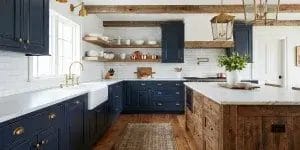
Kitchen cabinets play a vital role in both the function and visual identity of a kitchen. Among all cabinet components, cabinet doors are the most... Continue reading
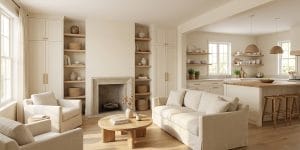
The colors you choose for your home don’t just paint walls—they shape moods, create feelings, and influence how every day unfolds. In 2026, whole home... Continue reading
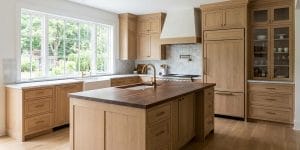
In modern home renovation projects, custom cabinetry has become a core element in both kitchen and bathroom planning. Choosing the right custom cabinet supplier is... Continue reading







Add comment