No products in the cart.
Return To Shop or
or  ,
,


Shaker Kitchen Cabinets: Timeless Elegance for Every Home
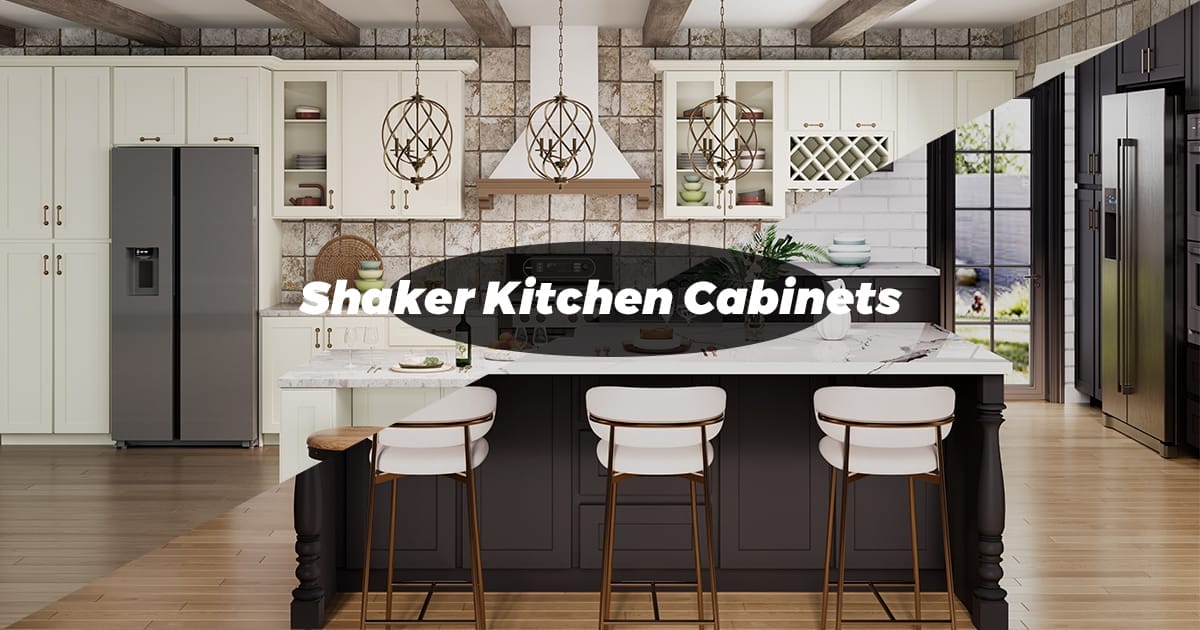
As a kitchen designer, I often find myself returning to one enduring favorite: Shaker cabinets. There’s a quiet brilliance to their design — unpretentious, functional, and effortlessly adaptable. In a world where trends come and go, the Shaker style has remained a reliable anchor for over a century, proving its relevance again in 2025. For homeowners, whether updating a beloved family kitchen or remodeling a space for resale, Shaker cabinets offer a balance of timeless style and modern flexibility.

At the heart of the Shaker aesthetic is restraint. The classic five-piece door — a flat central panel framed by simple, squared edges — speaks of craftsmanship rather than ornamentation. It’s a design rooted in simplicity, yet its strength lies in proportion and detail. Like the “little black dress” of cabinetry, Shakers can adapt: delicate hardware can elevate it for a traditional feel, while minimal or handleless designs suit a contemporary kitchen effortlessly. It’s this honesty and adaptability that makes Shaker cabinets more than a trend — they are a design philosophy.
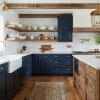
Color plays a subtle but powerful role in shaping a kitchen’s mood. In today’s interiors, Shaker cabinets are increasingly paired with soft, nature-inspired tones that feel grounded and personal. Warm whites and off-whites remain popular for their ability to reflect light and make spaces feel airy, particularly in open-concept layouts. More nuanced shades like greige or mushroom offer sophistication without overwhelming the senses. Darker colors, such as deep navy or forest green, add drama and depth while remaining approachable, especially when balanced with warm hardware. Even bold matte black — as seen in many modern black kitchen cabinet designs — finds its place, paired with light countertops to create striking contrast. These choices are not merely aesthetic — they define the emotional tone of a space while retaining broad appeal for long-term value.
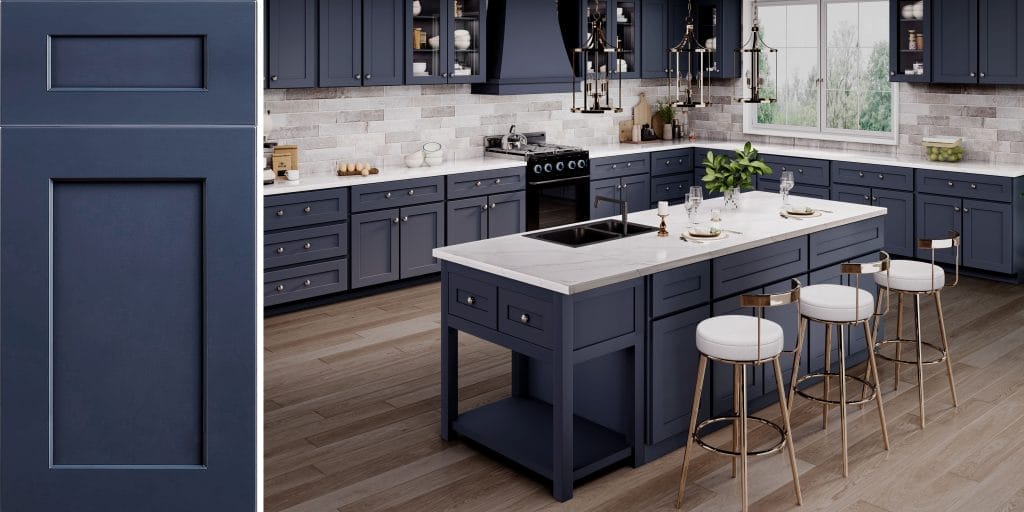
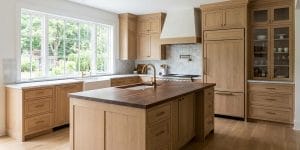
Equally important is how cabinets interact with the surfaces around them. While cabinetry sets the foundation, countertops define the character. Quartz is often the practical favorite, combining durability with versatile patterns that mimic natural stone. For those seeking warmth and texture, wood surfaces offer a tactile contrast that enhances the welcoming feel of the kitchen. Stone options, like granite or soapstone, introduce natural variation, lending a sense of permanence and depth to the environment. The key is harmony — a thoughtful balance that avoids visual tension and allows each element to shine.
Hardware, too, is more than function; it expresses personality. Subtle choices — warm metals, brushed finishes, or integrated pulls — can complement a kitchen’s palette while emphasizing the understated elegance of Shaker design. Overly large or ornate pieces can overwhelm, but when carefully chosen, hardware becomes the punctuation in a carefully written story. In this way, even the simplest cabinet door speaks volumes about intention and taste.
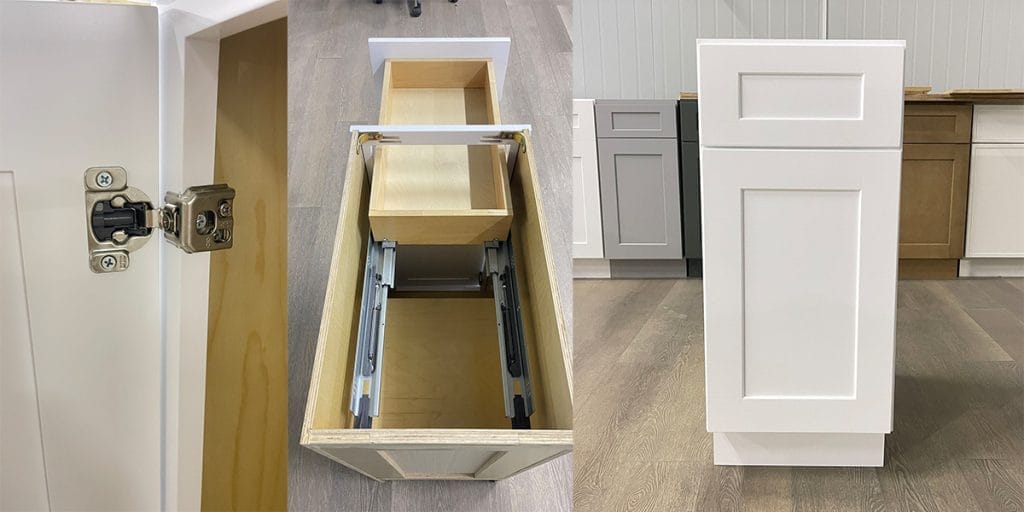
One of the Shaker style’s most remarkable qualities is its flexibility across design languages. In a traditional setting, it pairs effortlessly with crown molding, beadboard accents, and rich wood tones. In modern homes, it supports matte finishes, open shelving, and clean lines without losing warmth. Transitional spaces benefit most, as Shakers bridge the gap between classic and contemporary, creating environments that feel curated yet livable. This adaptability is why Shaker cabinets are a long-term investment — updating a kitchen over time can be as simple as switching hardware, adjusting lighting, or refreshing countertops.
Sustainability has become a critical consideration in modern design, and Shaker cabinets align naturally with this ethos. Many manufacturers now provide FSC-certified hardwoods, low-VOC finishes, and modular ready-to-assemble options. For homeowners who enjoy hands-on projects, RTA (Ready-to-Assemble) Shaker cabinets allow for customization and cost efficiency without compromising quality. For those who prefer convenience, pre-assembled options from reputable brands like RaraRTACabinets combine craftsmanship with fast U.S. shipping, striking a balance between practicality and environmental responsibility.
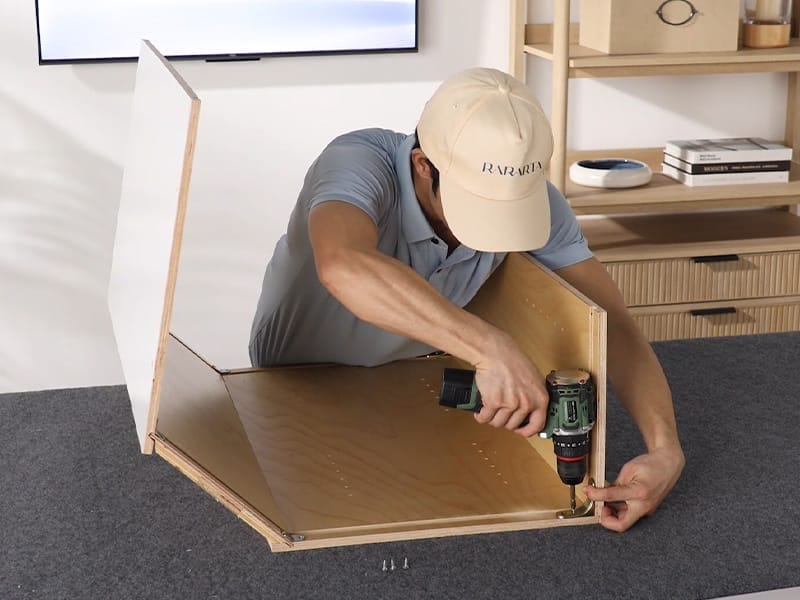
Maintenance is equally straightforward, which is part of their enduring appeal. Flat surfaces and minimal moldings mean dust and grime accumulate less, while regular cleaning with mild soap and warm water keeps cabinets looking fresh. Painted surfaces may benefit from an annual touch-up, but overall, Shakers offer a rare combination: elegance without high upkeep, making them ideal for busy households.
Ultimately, what keeps Shaker cabinets relevant is their timeless balance between form and function. They accommodate the daily rhythms of family life while providing a backdrop that is versatile, beautiful, and enduring. As a designer, I value the way Shakers allow for creativity within a restrained framework — they are canvases on which homeowners can express their style without fear of quickly aging. Whether you’re remodeling your first kitchen or redesigning your forever home, Shaker cabinets remain a choice that’s both wise and inspiring.
For those looking to explore Shaker cabinetry in 2025, both RTA and pre-assembled options from RaraRTACabinets provide a range of styles, finishes, and configurations that make crafting your dream kitchen an achievable and enjoyable experience.


Related posts

Receiving the keys to a new home is an exciting milestone yet it often brings an important and sometimes confusing question. What is the best... Continue reading

The kitchen is far more than a place for cooking meals. In many American homes it has become a central space for daily routines family... Continue reading
Kitchen cabinets play a vital role in both the function and visual identity of a kitchen. Among all cabinet components, cabinet doors are the most... Continue reading
The colors you choose for your home don’t just paint walls—they shape moods, create feelings, and influence how every day unfolds. In 2026, whole home... Continue reading
In modern home renovation projects, custom cabinetry has become a core element in both kitchen and bathroom planning. Choosing the right custom cabinet supplier is... Continue reading







Add comment