No products in the cart.
Return To Shop or
or  ,
,


6 Smart Storage Ideas That Actually Work in Small Kitchens
If your kitchen feels tight, cluttered, or just hard to work in—you’re not alone.
I’ve worked with plenty of homeowners across the U.S., and honestly, most small kitchens don’t have a space problem… they have a layout and storage problem.
The good news?
You don’t need a full remodel to make your kitchen feel bigger and easier to use.
Here are 6 practical, real-life solutions that actually make a difference—especially if you’re working with limited space.
Table of Contents
1. Open Up the Space (If It Makes Sense for You)
Let me be honest—an open kitchen isn’t for everyone.
If you cook a lot, especially with strong smells or high heat, you may prefer to keep things closed off.
But if your kitchen feels boxed in, removing a wall between the kitchen and dining area can completely change how the space feels.
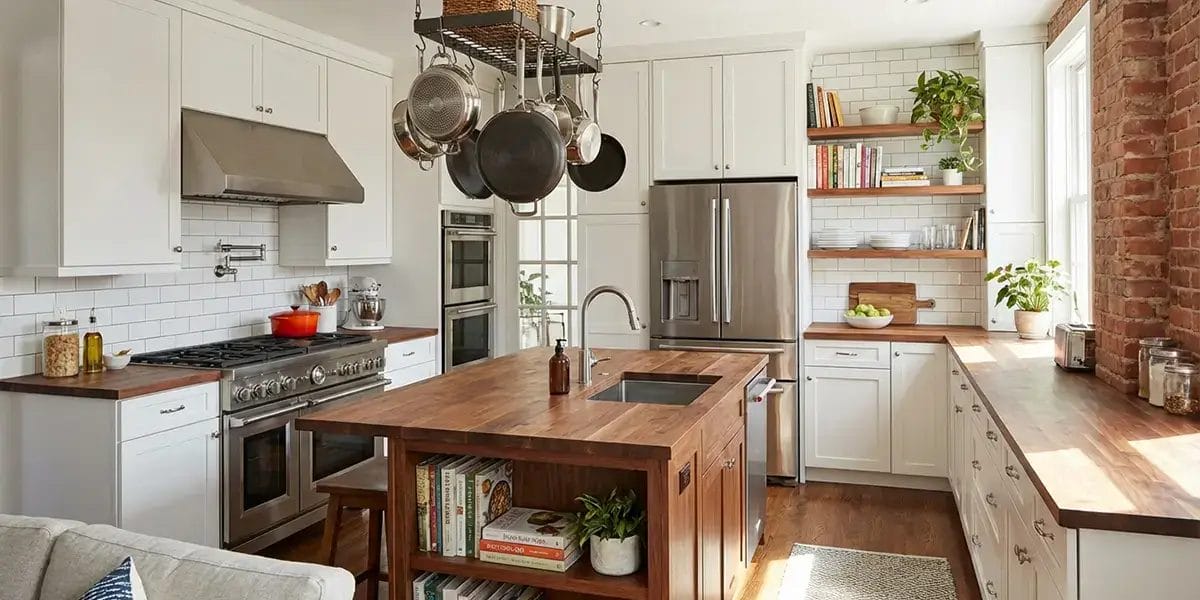
What you gain:
- More natural light
- Better flow
- Room for a larger cabinet layout (like U-shape instead of L-shape)
What to think about first:
- Ventilation (range hood matters here)
- Local building codes
- Your cooking habits
Simple advice:
If you’re already planning a remodel, this is one of the highest-impact upgrades you can make.
2. Use Wall Depth — Not Just Wall Surface
Most people only think about cabinets on the wall.
But here’s something many homeowners overlook:
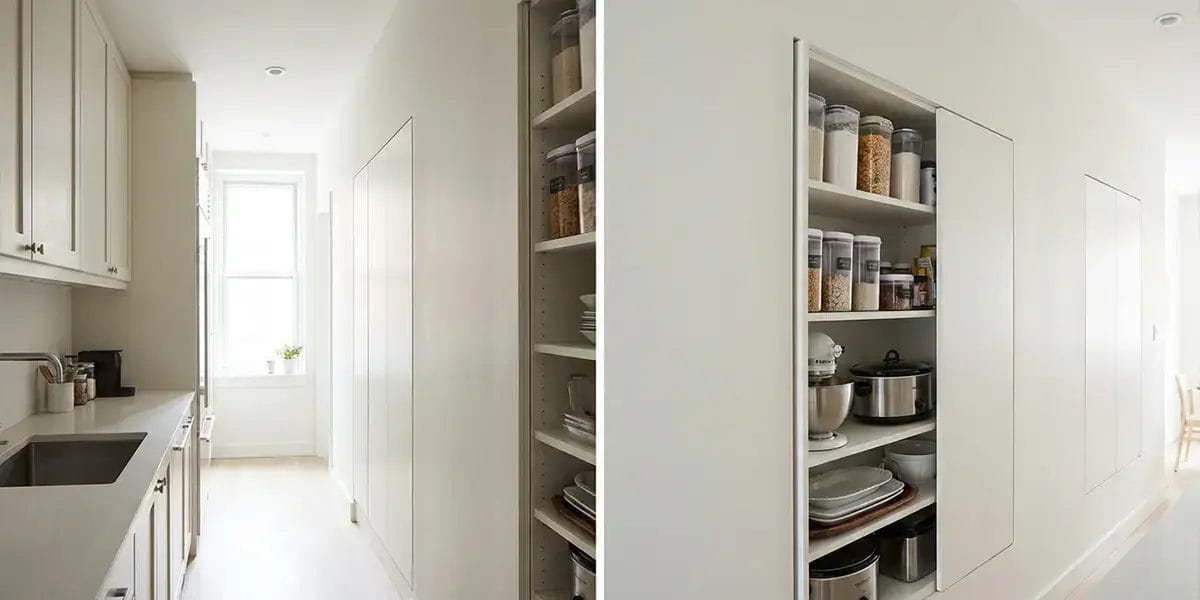
You can build cabinets into the wall.
If the wall isn’t load-bearing, recessed storage can:
- Add space without making the kitchen feel tighter
- Keep clutter out of sight
- Store less-used items (appliances, bulk food, etc.)
Real-life tip:
This works especially well in older homes where wall cavities are deeper than modern builds.
3. Switch to an Induction Cooktop (Game-Changer for Small Kitchens)
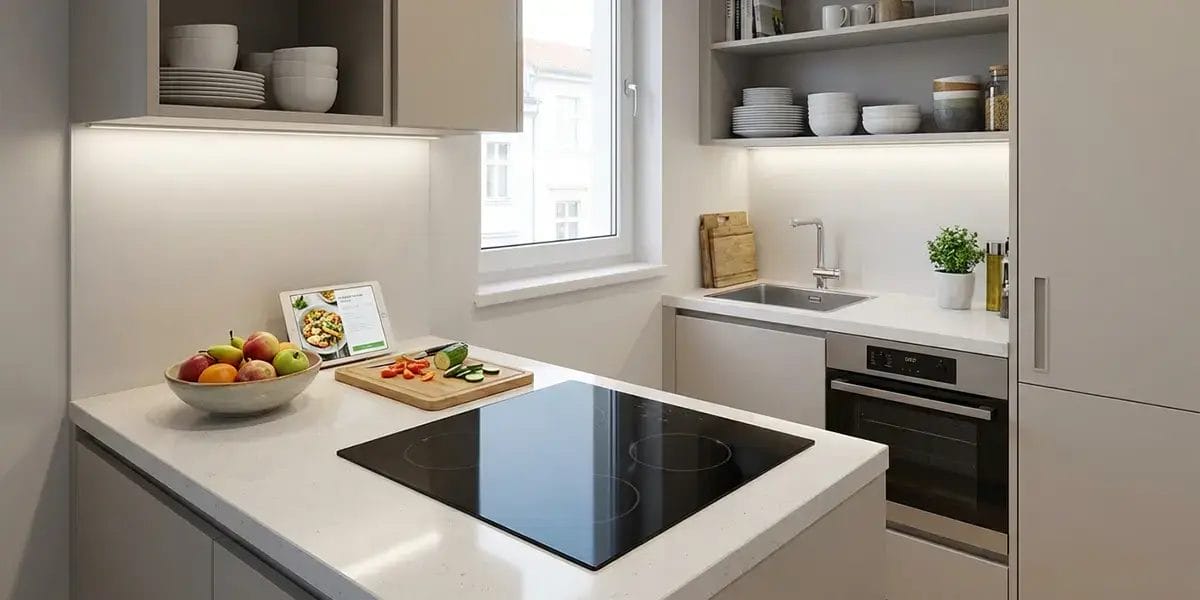
This is one of my favorite upgrades for small kitchens.
Traditional gas ranges:
- Take up space
- Are harder to clean
- Break your countertop into pieces
A built-in induction cooktop gives you:
✔ A flat, clean surface
✔ Easy cleanup
✔ Extra usable space when not cooking
And here’s the part people love:
When it’s off, you can use it like counter space.
That’s huge in a small kitchen.
4. Add a Roll-Up Sink Rack (Small Item, Big Impact)
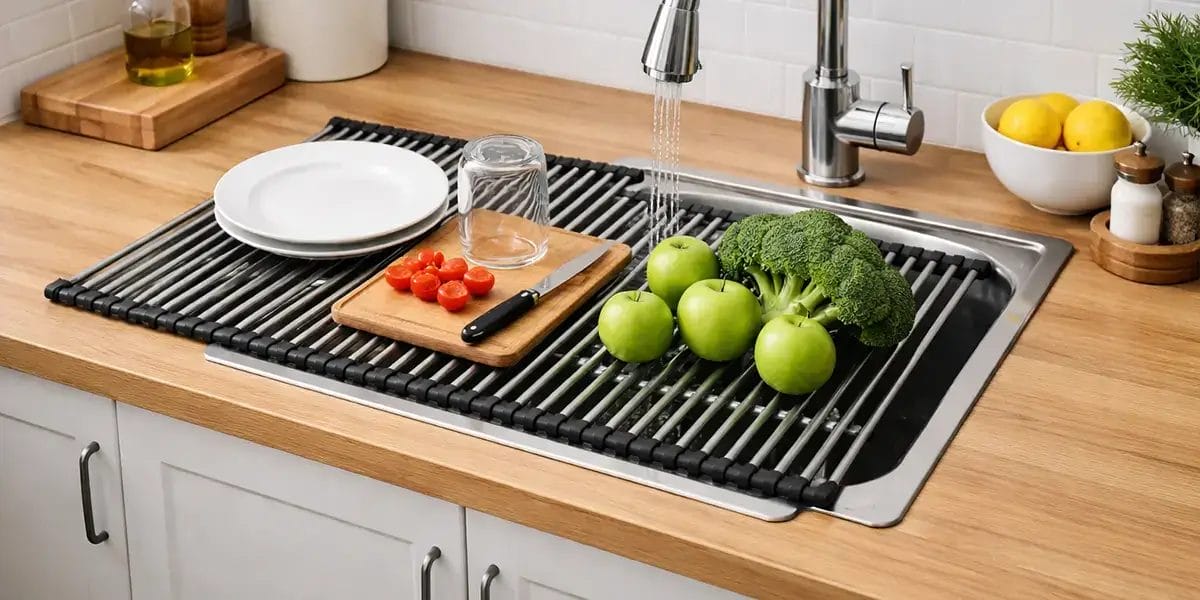
This is one of those simple things that people wish they bought sooner.
A roll-up stainless steel rack over your sink lets you:
- Dry dishes
- Wash produce
- Even prep food
And when you’re done?
Roll it up and put it away.
No installation. No commitment.
If your counter space is limited, this is a no-brainer.
5. Use Your Walls — But Keep It Simple
You don’t need a complicated system.
In fact, for many homeowners (especially renters or older homes), drilling into tile isn’t ideal.
That’s where adhesive wall storage comes in.
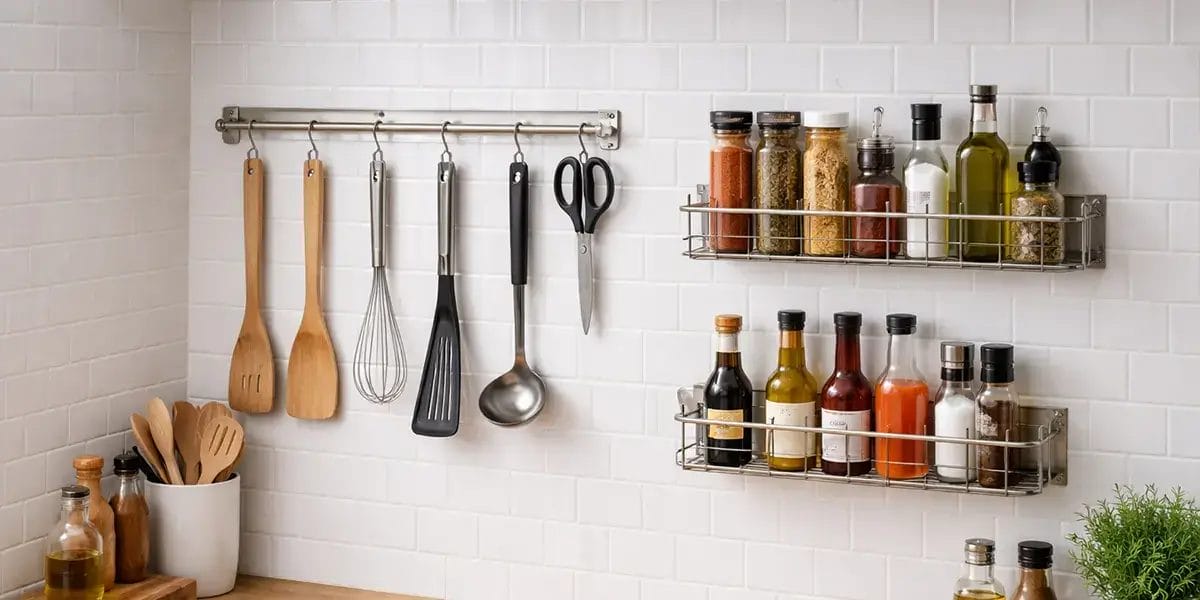
You can hang:
- Utensils
- Cooking tools
- Spice racks
Why this works:
- Frees up cabinet space
- Keeps everyday items within reach
- Makes cooking easier and faster
My advice:
Start small. Don’t overcrowd the wall—just keep your most-used items visible.
6. Double Your Cabinet Space (Without Buying New Cabinets)
Here’s a truth most people don’t realize:
Up to 50% of cabinet space is often wasted.
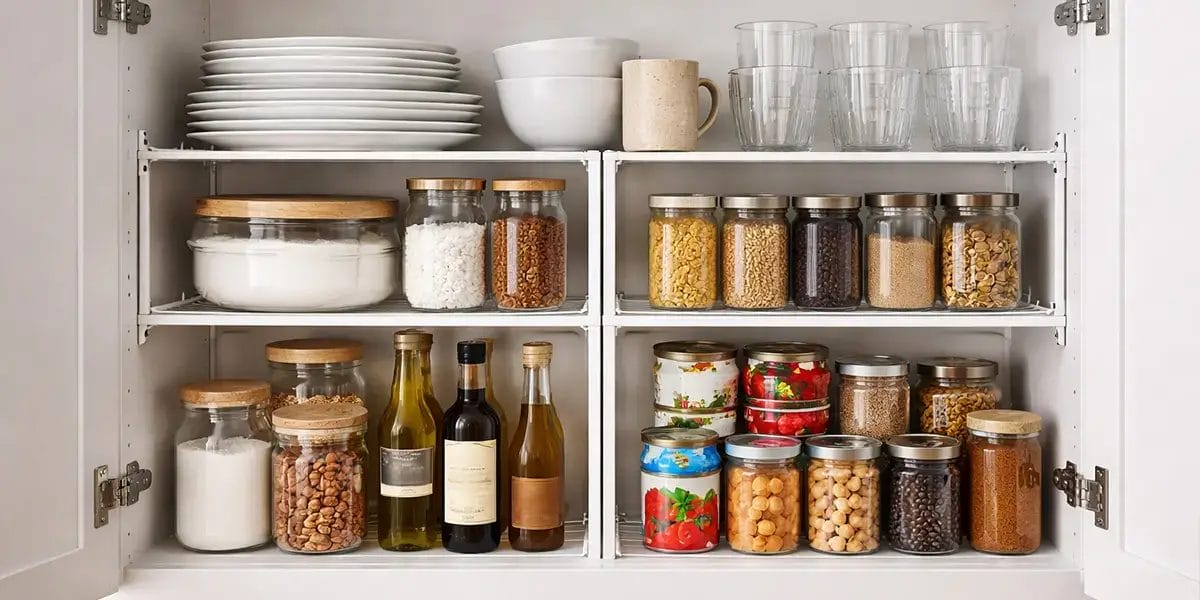
Especially with:
- Stacked dishes
- Short jars
- Pantry items
Adding simple shelf inserts or organizers:
- Creates layers
- Keeps things visible
- Prevents clutter piles
This is the fastest and cheapest upgrade on this list.
Final Thoughts (From Someone Who’s Seen It All)
A small kitchen doesn’t have to feel frustrating.
In fact, some of the most functional kitchens I’ve seen were small—they were just well thought out.
If you’re not sure where to start, here’s my honest recommendation:
Start with these 3 first:
- Cabinet organizers
- Sink rack
- Wall storage
They’re affordable, easy, and you’ll feel the difference immediately.
Then, if you’re planning a remodel, look into:
- Induction cooktops
- Layout changes
- Built-in storage
At the end of the day, a great kitchen isn’t about size.
It’s about how it works for you—and how it makes your daily life easier.


Related posts
If you’re planning a laundry setup on your balcony, one question matters more than anything else: What kind of cabinet will actually last—and not turn... Continue reading
If you’re planning a kitchen upgrade, installing a new sink might seem like a simple task. I’ve had many homeowners tell me,“It looks easy enough—I’ll... Continue reading
When planning a bathroom remodel, many homeowners focus on tile, lighting, or paint colors. But after working with bathroom designs for many years, I’ve learned... Continue reading
A wall mounted wine rack is more than just a storage solution. In many homes, it becomes a subtle design feature that adds personality and... Continue reading
Glass cabinets have become an increasingly popular choice in modern home design. Their transparent surfaces bring a sense of lightness and elegance that traditional solid... Continue reading




Add comment