No products in the cart.
Return To Shop or
or  ,
,


Stainless Steel Kitchen Cabinets Maintenance Guide
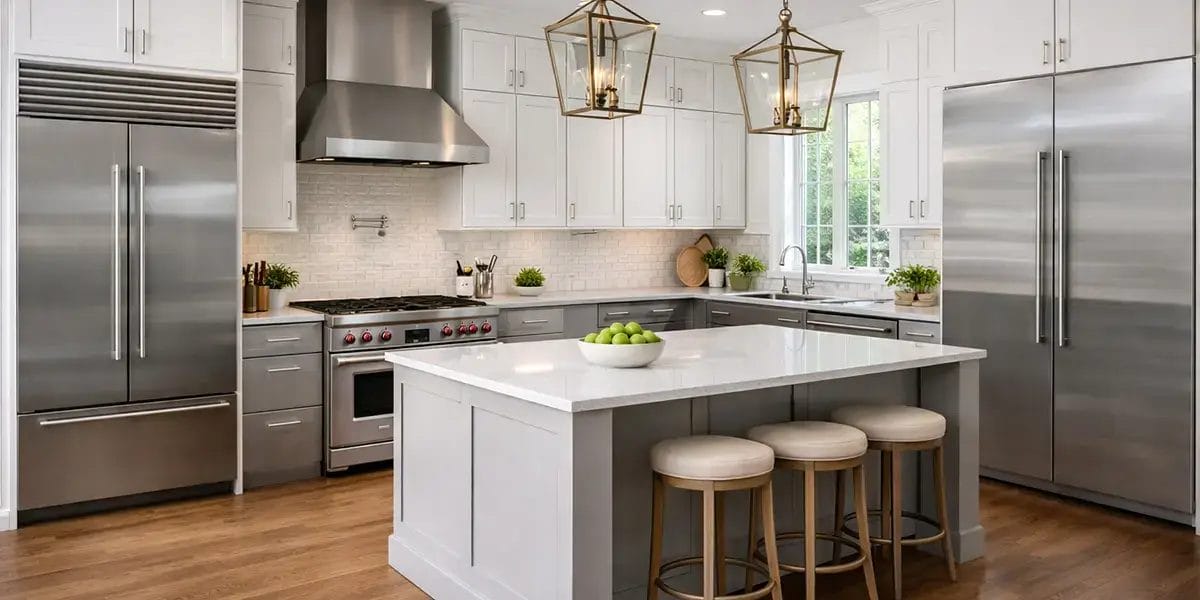
In modern kitchen design, stainless steel kitchen cabinets have become a popular choice for homeowners who value both practicality and visual appeal. Made primarily from food grade 304 or 316 stainless steel, these cabinets are produced through precise processes such as stamping, welding, polishing, and surface treatment. This advanced manufacturing approach effectively overcomes many limitations of traditional wooden cabinets, including susceptibility to moisture and deformation, making stainless steel cabinets suitable for a wide range of kitchen styles and environments.
Compared with wood or stone cabinets, stainless steel cabinets offer several distinct advantages. First, they are environmentally friendly and free from formaldehyde emissions, producing no irritating odors. This makes them especially suitable for households with children or elderly family members who are more sensitive to indoor air quality. Second, they are exceptionally durable. Stainless steel resists corrosion, high temperatures, and physical impact, allowing it to withstand oil splashes, steam, and even acidic or alkaline cleaning agents commonly used in kitchens. Unlike traditional cabinets, stainless steel surfaces are less likely to warp, crack, or deteriorate over time, resulting in a significantly longer service life.

Another major benefit is ease of cleaning. The smooth and dense surface of stainless steel prevents grease and stains from adhering easily. In most cases, a simple wipe with a damp cloth is enough to restore a clean appearance. In addition, stainless steel cabinets are waterproof and moisture resistant, effectively preventing mold growth and pest infestation. This makes them particularly suitable for humid regions or households with frequent cooking habits.
While stainless steel cabinets are inherently resilient, proper and scientific maintenance can further extend their lifespan and preserve their appearance. As a central component of kitchen storage and daily operations, long term performance depends on consistent care and attention to detail. The following maintenance insights will help you protect both the functionality and aesthetics of your stainless steel kitchen cabinets.
Table of Contents
Door Panel Care Preserving the Visual Appeal
Good ventilation is essential. Maintaining proper air circulation in the kitchen helps reduce oil residue and moisture accumulation on cabinet doors, making routine cleaning easier and preventing dullness over time.
Gentle cleaning methods are recommended. Use a soft, damp cloth to wipe the surface of cabinet doors, and avoid abrasive pads or rough cleaning tools that could scratch or damage the finish. Mild cleaners designed for kitchen use are generally sufficient.
It is also important to avoid direct contact with hard objects. During daily cooking activities, be mindful of pots, pans, and utensils that could collide with cabinet doors. Preventing impact helps maintain surface integrity and reduces the risk of dents or scratches.
Countertop Maintenance Ensuring Cleanliness and Durability
Selecting appropriate cleaning products is crucial. Use mild detergents or specialized kitchen cleaners, and avoid strong acidic or alkaline chemicals that could compromise the surface over time.
After use, promptly wipe away water residue. Allowing water to sit on countertops can leave marks that affect the overall appearance, even on stainless steel surfaces.
For stubborn stains, a simple household trick can be effective. Applying a small amount of toothpaste and gently rubbing it with a soft cloth can help remove residue without damaging the surface. The fine particles in toothpaste provide mild cleaning action while remaining gentle on the material.
Cabinet Body Maintenance Maintaining Structural Stability
Regular inspections are an important part of long term care. Periodically check connection points and fasteners to ensure screws remain secure. Loose components can lead to structural instability if ignored.
Moisture control inside the cabinet body is equally important. Although stainless steel is moisture resistant, keeping the interior dry helps protect stored items and prevents unnecessary wear on joints and fittings.
Hardware Care Ensuring Smooth Operation
Operate drawers and doors gently. Avoid excessive force when opening or closing components, as this can damage hinges and sliding mechanisms over time.
Periodic lubrication helps maintain smooth movement. Applying appropriate lubricant to hardware components at regular intervals can significantly improve performance and reduce friction.
If hardware becomes loose or damaged, timely adjustment or replacement is essential. Well maintained hardware ensures safe and convenient daily use while preventing secondary damage to the cabinet structure.
Final Thoughts
The durability and refined appearance of stainless steel kitchen cabinets result from both high quality materials and precise craftsmanship, but long lasting performance also depends on consistent daily care. Their environmental safety, resilience, and ease of cleaning reduce many common kitchen maintenance challenges. By following simple and practical maintenance practices, these advantages can be preserved for many years.
From routine door panel cleaning to countertop care, and from cabinet body inspections to hardware maintenance, attention to small details makes a significant difference. With patience and proper upkeep, stainless steel kitchen cabinets can remain in excellent condition, supporting a clean and healthy cooking environment while maintaining their modern aesthetic. Ultimately, they offer a solution where durability meets convenience, and visual appeal goes hand in hand with long term reliability.


Related posts

When renovating a bathroom, most homeowners focus heavily on comparing materials and styles for bathroom vanities, yet many overlook an equally important factor: installation height.... Continue reading

A kitchen is more than just a place to cook. It is where mornings begin with coffee, where families gather for meals, and where everyday... Continue reading

Receiving the keys to a new home is an exciting milestone yet it often brings an important and sometimes confusing question. What is the best... Continue reading

The kitchen is far more than a place for cooking meals. In many American homes it has become a central space for daily routines family... Continue reading
Kitchen cabinets play a vital role in both the function and visual identity of a kitchen. Among all cabinet components, cabinet doors are the most... Continue reading









Add comment