No products in the cart.
Return To Shop or
or  ,
,


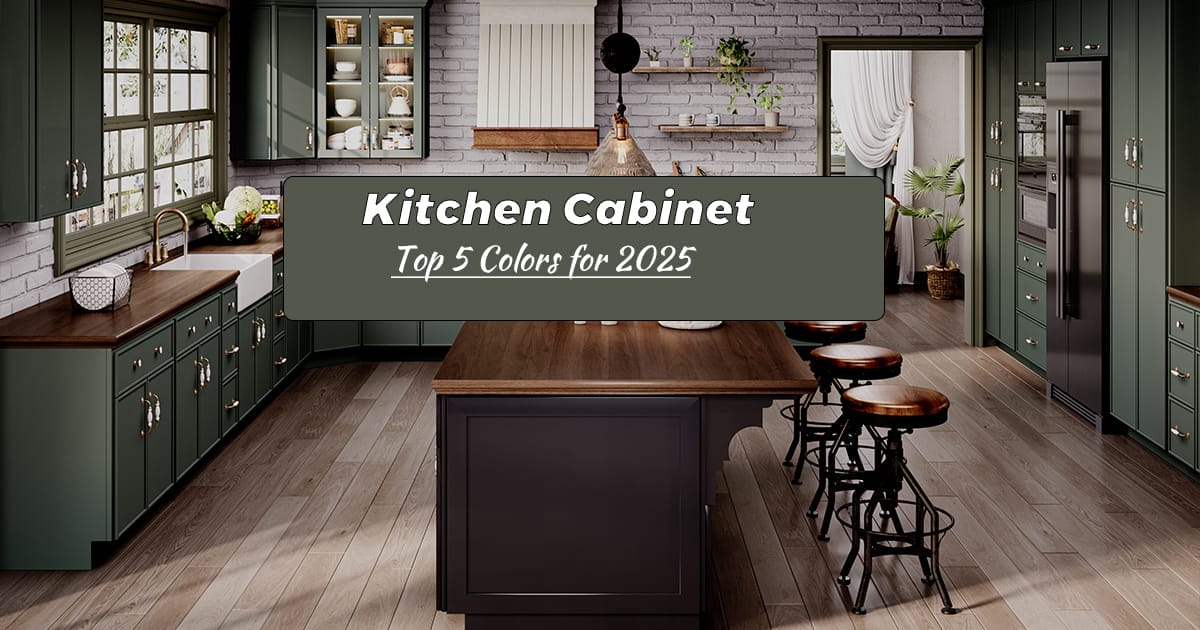
Top 5 Kitchen Cabinet Colors for 2025
If you’re thinking about giving your kitchen a fresh new look, you’ve come to the right place. In 2025, the five most popular kitchen cabinet colors in the U.S. are white, black, green, blue, and gray. Can you guess which one’s leading the trend? Let’s find out together—you might just discover your “dream kitchen color.”
When it comes to remodeling in the U.S., cabinet color is always a top challenge. Whether you’re building a new home or updating an old kitchen, the first question everyone asks is: “Which color will look good and stay timeless?” But with so many options out there, do you really know what you want? Are you going for warm and cozy, bright and airy, or sleek and sophisticated? If you’re not sure yet, don’t worry—decision paralysis happens to the best of us. Stick with me, and I’ll help you find the color that truly fits your style.
I get it—you’ve probably been scrolling through design magazines, Instagram, Pinterest, and TikTok, admiring other people’s kitchens and imagining what yours could look like. Every platform seems to claim “These are the trending colors for 2025,” and the more you see, the harder it gets to decide.
Table of Contents
The Internet’s Top 5 Cabinet Colors

If you’re unsure where to start, why not look at what everyone else is choosing? These are the five most searched kitchen cabinet colors in the U.S. for 2025—and I’m not just making this up. I’ve got data to back it up. Based on Google search volumes, each of these color terms gets between 10K–100K monthly searches, which says a lot about their popularity.
For accuracy, here’s the timestamp of the data: Oct 30, 2025, 11 AM, GMT+08:00.
So instead of guessing which “trendy” or “must-have” color to pick, let’s look at what the numbers say—what Americans are actually searching for.
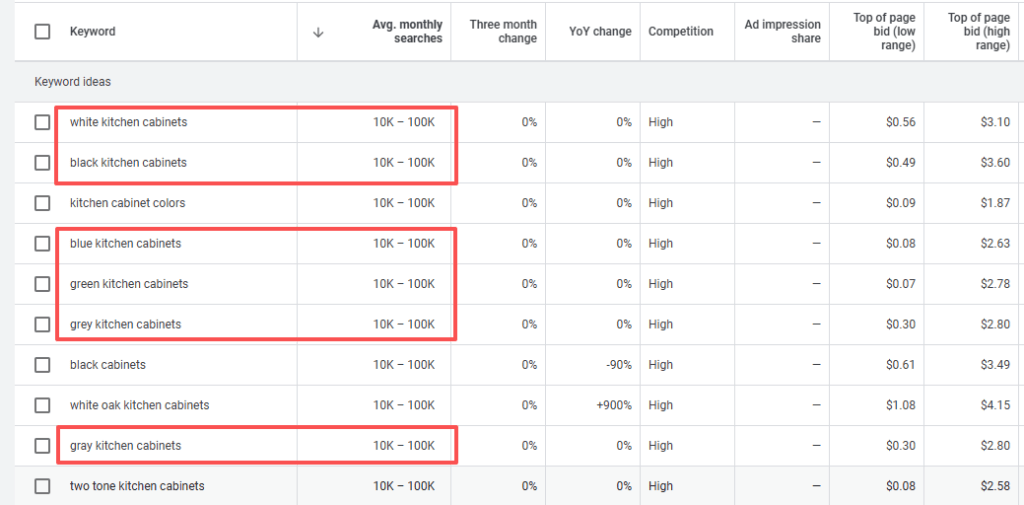
According to Google Search data (as of Oct 30, 2025, GMT+08:00), the top five most searched cabinet colors in the U.S. are:
- white kitchen cabinets — 10K–100K
- black kitchen cabinets — 10K–100K
- green kitchen cabinets — 10K–100K
- blue kitchen cabinets — 10K–100K
- gray kitchen cabinets — 10K–100K
As you can see, these five shades dominate people’s attention online. If you’re still undecided, this list is a great place to start.
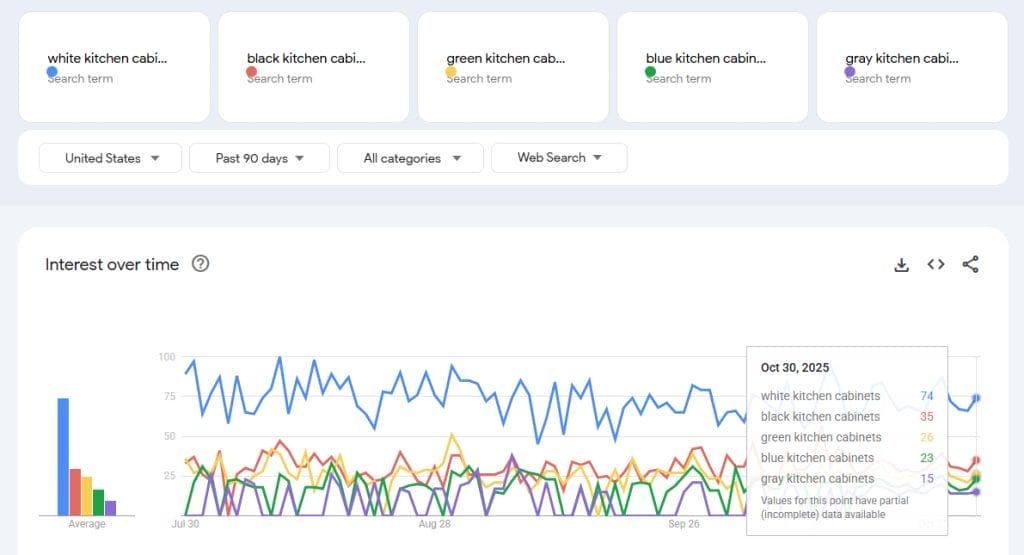
Now let’s take it a step further. Based on Google Trends data (U.S., past 90 days), here’s how each color ranks in popularity:
- White kitchen cabinets: 74
- Black kitchen cabinets: 35
- Green kitchen cabinets: 26
- Blue kitchen cabinets: 23
- Gray kitchen cabinets: 15
No surprise here—white cabinets are the clear winner. Their search interest is far ahead of the rest, showing that whether it’s first-time remodelers or seasoned homeowners, white remains the go-to choice.
Of course, that doesn’t mean the other colors aren’t worth considering. Black, green, blue, and gray each have their own loyal fans and distinct character. But if you’re torn and just want something safe, starting with these five popular colors is a smart move.
So tell me—does one of these colors already have your heart? Or are you the “I need to see more data first” type? Choosing a cabinet color is a little adventure of its own, so go ahead—picture your dream kitchen. What color do you see? For guidance on making the perfect choice, check out our guide to choosing the right kitchen cabinet color.
Why White Cabinets Reign Supreme in American Kitchens
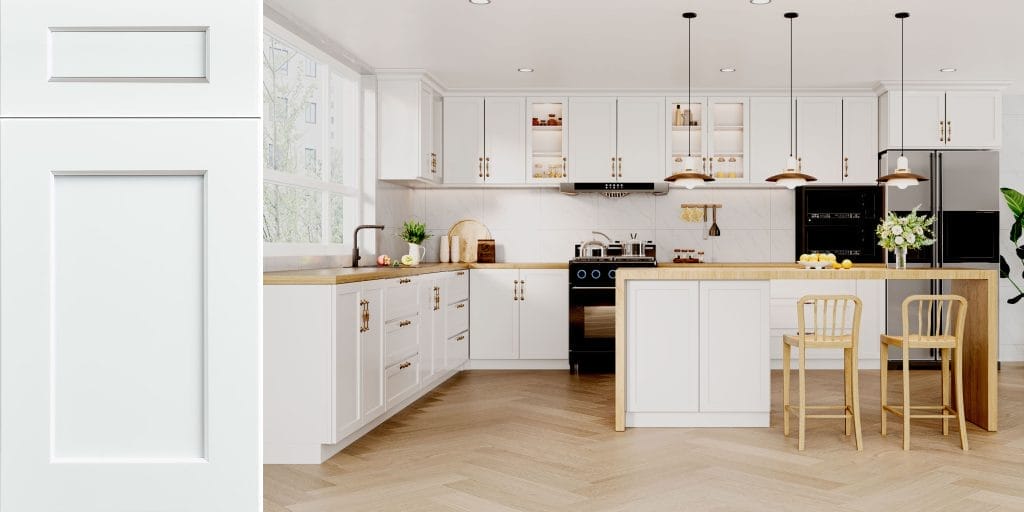
Have you ever wondered why white cabinets show up in almost every kitchen across the U.S.? They’re not just visually clean and bright—they also reflect deep cultural roots, modern design preferences, and even practical market logic. In short, white kitchen cabinets perfectly combine three unbeatable traits: timeless, universal, and functional.
Let’s break down why white continues to be America’s #1 cabinet color—from history and culture to market trends—and take a closer look at this year’s most beloved white shade: Shoji White.
History: White Is the Traditional Kitchen Color in America

As a nation built by immigrants, America’s early New England Puritan culture valued simplicity, cleanliness, and utility. Furniture from that era was plain, often painted in light or white tones—think of the classic Shaker style, with its clean lines and modest craftsmanship. That minimalist aesthetic became deeply ingrained in American home design, cementing white as the go-to “clean and reliable” color.
By the late 19th and early 20th centuries, industrialization made white kitchen finishes even more accessible. Painted wood, enamel, latex coatings, and white laminates like Formica became affordable, durable, and easy to mass-produce.
In the 1950s and ’60s, white metal and enamel cabinets—and matching white appliances—dominated American kitchens, strengthening the collective association of “white = kitchen.”
Modern design only reinforced this preference. White became the ultimate “background color” for clean lines and bright spaces. The rise of Scandinavian minimalism and 21st-century modernism kept it trending. Simply put, white cabinets are part of America’s design DNA—most people instinctively picture a white kitchen first.
Culture: Clean, Safe, and Easy to Match
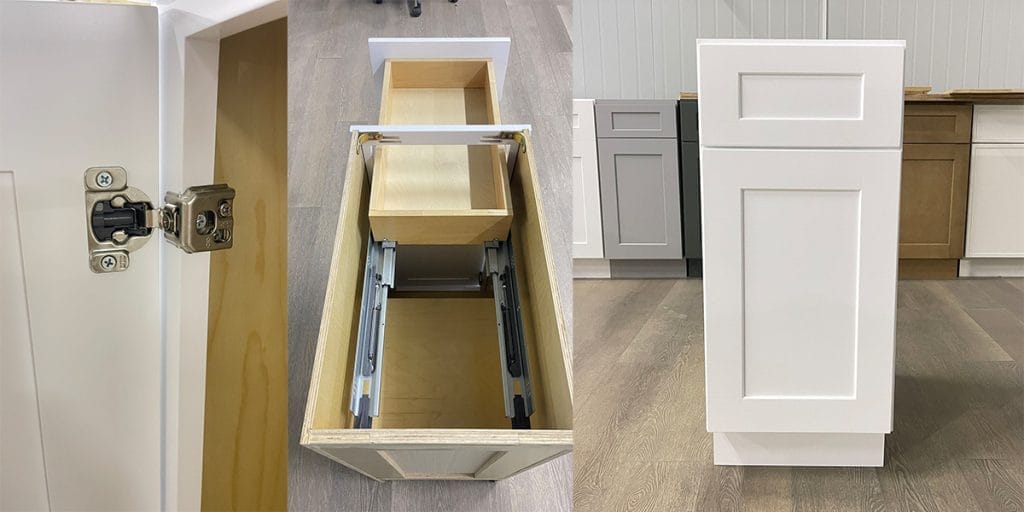
There’s something psychologically powerful about white. It evokes feelings of cleanliness, order, and hygiene—even if it’s not actually easier to keep clean than darker colors. In a space like the kitchen, where function meets daily life, that perception really matters.
White also feels safe and neutral. It doesn’t lean into any specific style or demographic, which makes it universally appealing across different ages, ethnicities, and household types. In America’s diverse homes—especially open-concept layouts where the kitchen connects with the living room—white helps spaces feel larger, lighter, and more cohesive.
In smaller city apartments, that visual brightness is gold. White reflects light, expands the sense of space, and keeps compact kitchens from feeling cramped. For practical tips on maximizing small kitchens, check out our small kitchen cabinet solutions.
Market: White Sells—and It’s Everywhere
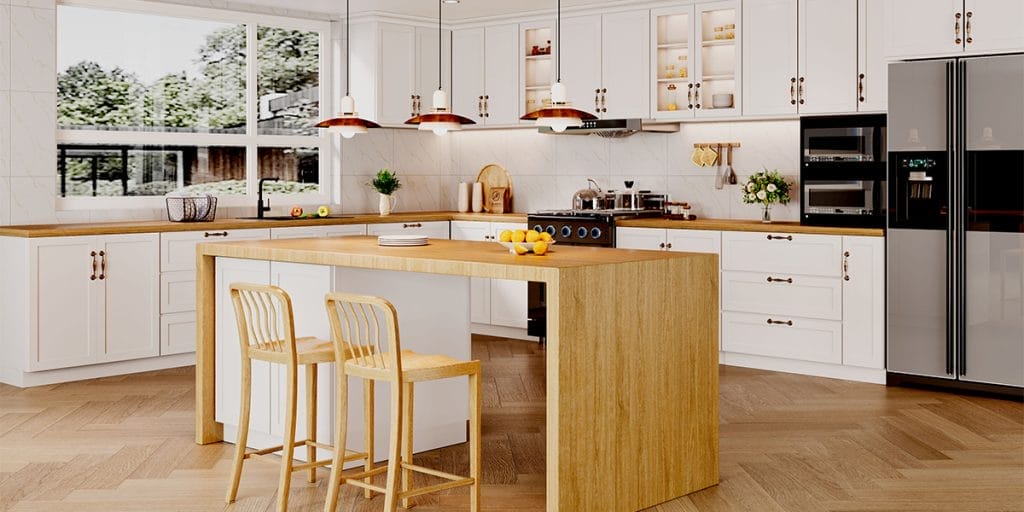
From a real-estate perspective, white cabinets are the safest bet. They’re neutral, appealing to the widest audience, and help properties sell faster. Home stagers and real-estate agents frequently recommend white or light-neutral kitchens because they look fresh and move-in ready.
Retail and manufacturing trends only amplify that popularity. Major brands like IKEA, Home Depot, and Lowe’s stock endless variations of white cabinets and accessories, making them affordable and readily available. Short lead times, lower costs, and easy replacements make white the most practical option for remodelers and builders alike.
Then there’s the media factor—white kitchens photograph beautifully. From HGTV and House Beautiful to Architectural Digest, white kitchens dominate print and digital features. On Instagram and Pinterest, they’re easy to style and always camera-friendly. That visual trend loops back, influencing even more homeowners to choose white kitchen design ideas.
Practicality: Easy to Pair, Easy to Refresh
Another reason white cabinets dominate? They’re incredibly versatile.
You can change your kitchen’s whole look without touching the cabinets—just swap out countertops, handles, lighting, or wall colors.
- Want to go from modern to industrial? Add matte-black hardware.
- Craving a cozy farmhouse vibe? Try a wooden countertop and warm lighting.
White pairs effortlessly with any material—stone, wood, metal, tile—and minimizes design risk. In low-light spaces, it enhances both natural and artificial light, making rooms feel bright and inviting.
And while white might seem hard to maintain, most finishes today are smooth, wipeable, and stain-resistant. Plus, dirt shows up quickly—which actually helps you keep things clean. Replacement parts and accessories are also easy to find, cutting both cost and renovation time.
Shoji White: The Star of Soft Whites

Of course, “white” isn’t just one color—it has endless variations. And for 2025, my top pick is Shoji White (SW 7042) from Sherwin-Williams.
Shoji White is a soft, warm white with subtle beige-gray undertones. It brightens a room without the harshness of pure white, creating a welcoming, lived-in warmth. If you love white kitchens but worry about them feeling too stark or sterile, Shoji White is the perfect middle ground.
Whether your style leans modern, Scandinavian, or cozy and organic, this shade blends in seamlessly. It’s adaptable, timeless, and always elegant.
Here’s how Shoji White shines across different aesthetics:
- Farmhouse / Modern Country: Pair it with warm wood floors and bronze or black hardware for a natural, inviting vibe.
- Modern Minimalist: Combine it with charcoal or black cabinetry for depth and contrast.
- Japandi / Scandinavian: Mix with light woods, linen textures, and greenery for a serene, balanced space.
In short, Shoji White gives you the best of both worlds—bright yet gentle, neutral yet full of character.
| Attribute | Description |
| Base tone | Warm white with soft beige-gray undertones |
| Color temperature | Soft warm white |
| Brightness | High, but not glaring |
| RGB | 230 / 225 / 214 |
| HEX | #E6E1D6 |
| LRV (Light Reflectance Value) | 74 — highly reflective, bright but never stark |
Black Kitchen Cabinets: The Perfect Balance of Sophistication and Personality

When you think of black kitchen cabinets, your first reaction might be: “Wow, that looks amazing—but can it actually work in my home?”
The truth is, the modern elegance of black cabinets is gaining serious popularity across the U.S.—and it’s not just a passing trend. Their rise is backed by decades of design evolution, social media influence, a mature supply chain, and the aspirational pull of celebrity homes and show kitchens.
Black cabinets satisfy a modern craving for elegance and individuality, while also standing on solid cultural and commercial ground.
That said, black is a completely different game from white: where white offers safety and ease, black demands attention to lighting, materials, maintenance, and budget. But if you genuinely love it, every bit of effort will feel worth it.
History: From the Fringe to the Mainstream
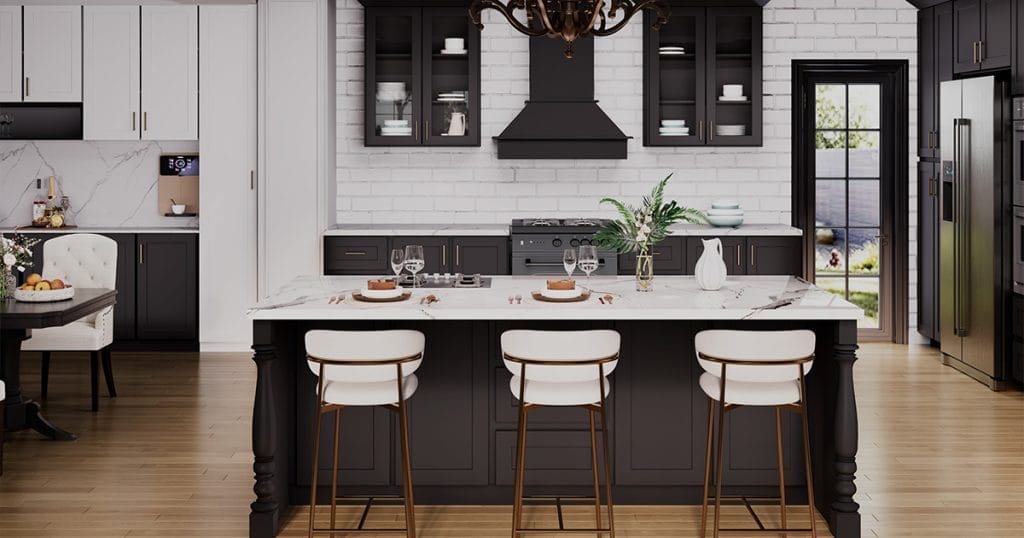
Early American interiors leaned toward practicality—light colors and natural wood grains were the norm. It wasn’t until the mid-20th century, with the rise of modernism, minimalism, and industrial design, that black entered the scene as a defining “outline color.”
Black helped define boundaries, enhance geometry, and bring a sense of structure to interiors.
The industrial style gave black its spotlight moment: think exposed brick, matte black metal pipes, and dark cabinetry—a visual language of strength and texture. As cities embraced loft living and converted warehouses, that aesthetic began to shape mainstream tastes.
Magazines, home-renovation shows, and design-heavy platforms like Instagram and Pinterest amplified the appeal. Before long, black kitchens weren’t just edgy—they were aspirational. People started thinking, “If they can pull off that sleek black kitchen, maybe I can too.”
Culture: Black = Luxury + Personality
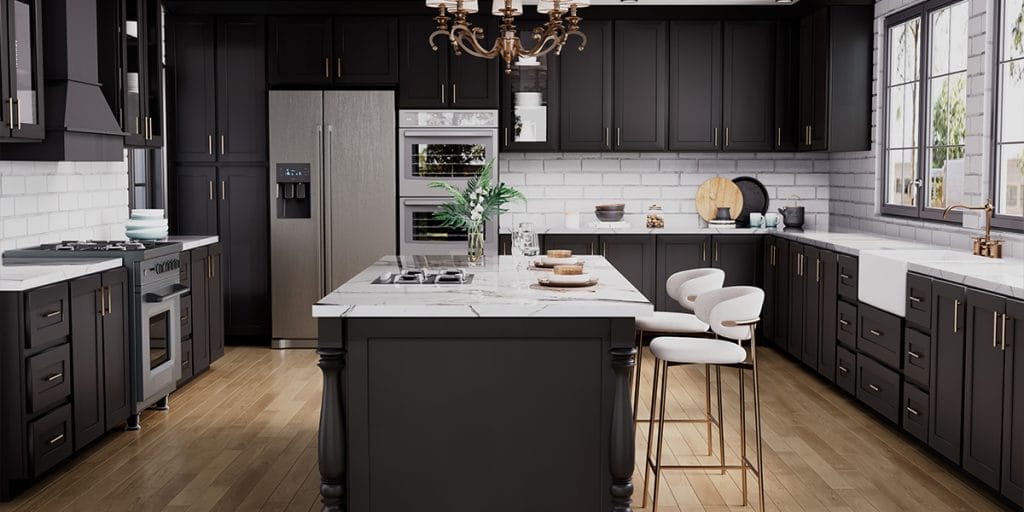
Psychologically, black evokes a sense of modern luxury and refinement. A black kitchen instantly elevates the space from everyday to high-end—exactly the kind of transformation many homeowners crave.
As white cabinets became ubiquitous, black emerged as a statement of individuality. It’s the perfect choice for those who want to stand out in real-estate listings or social media feeds.
What’s more, black is surprisingly versatile. Though bold, it behaves like a neutral, blending seamlessly with wood, stone, and metal. From minimalist to farmhouse to traditional styles, black works across almost any aesthetic—if you use it wisely.
Market: A Growing Ecosystem Around Black Cabinets
Real-estate and renovation trends, along with social media aesthetics, have created a strong appetite for bold, photogenic kitchens. Black cabinets deliver that impact instantly—they photograph beautifully and feel rewarding the moment they’re installed.
The supporting ecosystem has also matured. You can now find endless black hardware, faucets, sinks, and matte finishes that complement dark cabinetry perfectly. Brands from luxury to budget levels have embraced the look, making it easier than ever to build a cohesive all-black kitchen.
In showrooms across the country, black kitchen setups are displayed front and center. Once buyers see them in person, the association with sophistication and “designer style” becomes hard to resist.
Practicality: The Art of Using Black Well
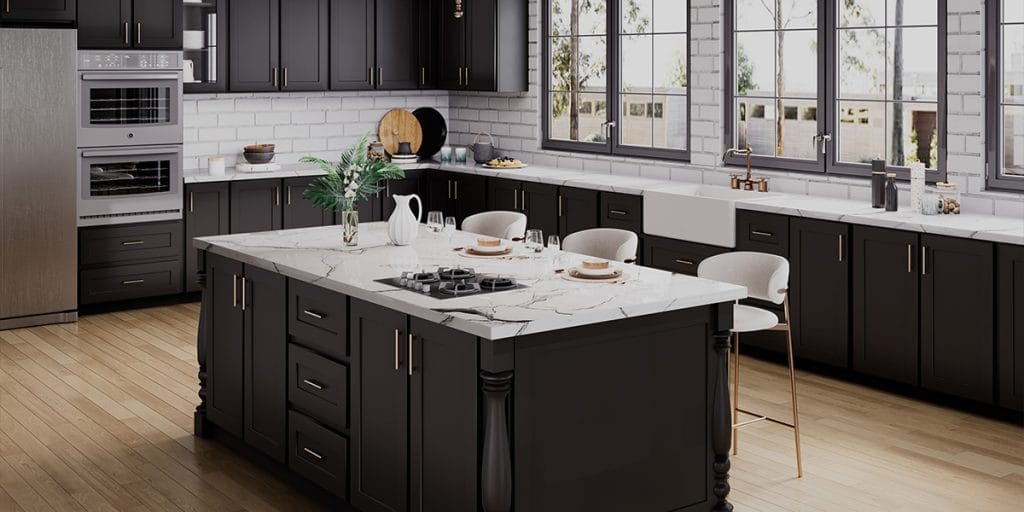
Black cabinets create visual drama and depth. They can make open kitchens look sleek and composed, toning down visual clutter while emphasizing clean lines. Paired with wood, marble, or metal, black brings an undeniable sense of richness and balance.
But let’s be honest—black has its quirks:
- Glossy finishes show fingerprints and dust easily, so opt for matte or low-sheen surfaces.
- Small or dim kitchens can feel heavy with too much black—balance it with lighter elements.
- Lighting is key. Add under-cabinet LEDs, reflective countertops, or warm pendant lights to keep the space bright and inviting.
Ultimately, designing with black requires careful planning and a slightly higher budget, but the payoff is worth it.
A well-designed black kitchen feels refined, confident, and unmistakably personal—something white cabinets simply can’t replicate.
Green Kitchen Cabinets: Bringing Life and Warmth to Your Kitchen
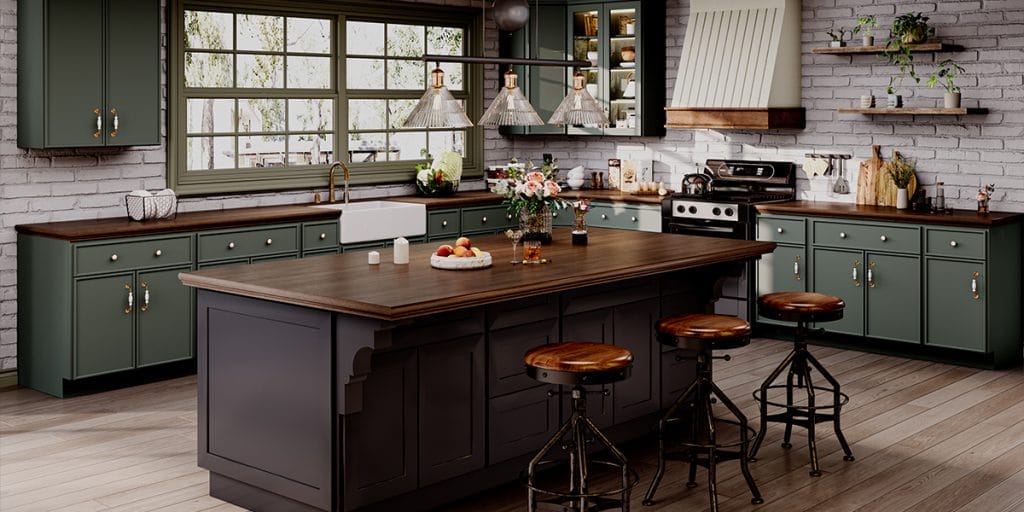
In recent years, you may have noticed more and more kitchens featuring green cabinets—from soft sage to deep hunter green, these shades are hard to ignore. But this isn’t just a passing trend sparked by some influencer kitchen photos; it’s a movement fueled by the design community, media, and market alike.
Designers, industry reports, and home décor magazines all point to the same trend: greens, earth tones, and biophilic colors are becoming the new mainstream for kitchens. Increasingly, designers are opting for gentle sage, olive, or rich deep greens over the traditional white, gray, and wood tones. In other words, green cabinets aren’t just visually appealing—they also align with the modern home’s cultural shift toward “bringing nature indoors and embracing life.”
Culture & Psychology: Making Your Kitchen Feel Alive
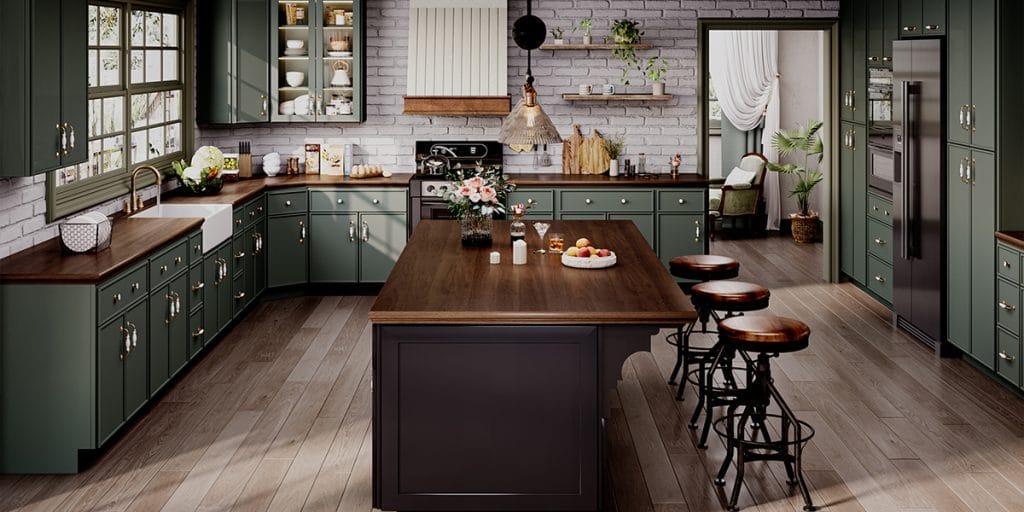
Over the past decade in the U.S., homeowners have increasingly wanted their homes to feel “alive,” almost like an extension of the outdoors. Green naturally complements plants, wood, and stone, giving the kitchen a warm, healthy vibe. After all, the kitchen is the “starting point of food,” and green cabinets create a visual harmony with fruits, herbs, and fresh ingredients, making the space feel more edible and livable. Designers often recommend green cabinets not just for their looks but for the sense of life they bring to the space.
From a color psychology perspective, green promotes calm, relaxation, and balance—qualities that make a high-activity space like the kitchen feel more pleasant. Light greens feel airy and fresh, while dark greens feel grounded and sophisticated. Green also wears dirt well and pairs seamlessly with wood, stone, and metal hardware.
Design Trends: A New Life from Past to Present
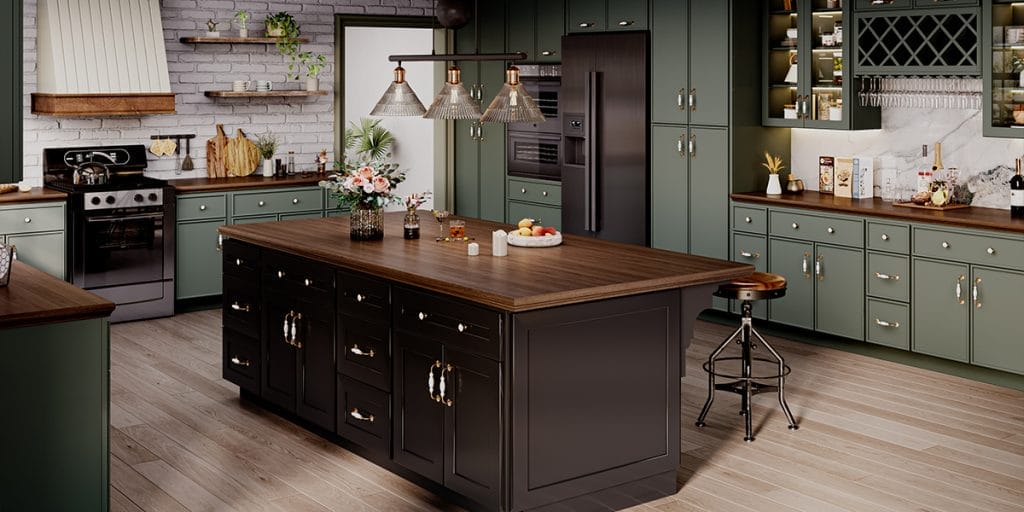
Historically, green isn’t new to design. Earth tones from the 1970s and even the bold saturated hues explored in mid-century modern interiors have inspired today’s designers. Modern interpretations now favor fresh, soft greens that make kitchens feel both contemporary and welcoming.
Some popular green cabinet shades include:
- Soft Sage: Perfect for relaxed, natural farmhouse or Scandinavian styles
- Olive: Adds a touch of maturity, works well in modern or eclectic spaces
- Deep Hunter / Emerald: Creates a high-end look, especially paired with matte finishes and metal handles
This spectrum of green options makes it easy to incorporate green cabinets in any budget—from economical DIY updates (painting or replacing cabinet doors) to high-end custom designs (matte deep green, metal handles, and marble countertops). No matter your style or budget, there’s a green solution that works, which is why manufacturers and retailers are so eager to promote green cabinetry.
Blue Kitchen Cabinets: Elegant, Calm, and Full of Personality
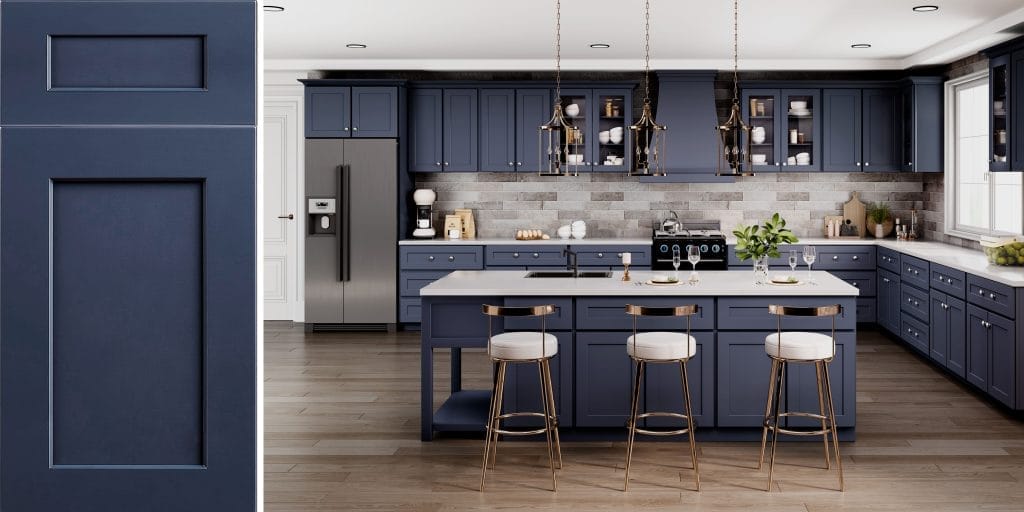
When you think of blue cabinets, you might say, “Blue in the kitchen? That sounds bold.”
In fact, blue cabinets have a long history and cultural grounding in the U.S. They are both stable and elegant, adding depth and character to a kitchen without compromising a home’s long-term value.
History: A Colorful Memory of American Kitchens
Did you know American homes weren’t always neutral and subdued? During various periods of the 20th century—especially postwar years and the rise of Art Deco and 1950s-60s household colors—kitchens were a stage for vibrant hues. Back then, bright cabinets weren’t just eye-catching; they were a trend indicator. This history laid the groundwork for today’s acceptance of colorful cabinets.
Coastal and New England farmhouse styles have long embraced shades like blue, navy, and teal, reflecting nature-inspired tones. In visual culture, blue conveys stability, trust, and tradition—which is why many brands choose blue as a signature color. Naturally, this preference spills over into home design.
Why Has Blue Become Especially Popular Recently?
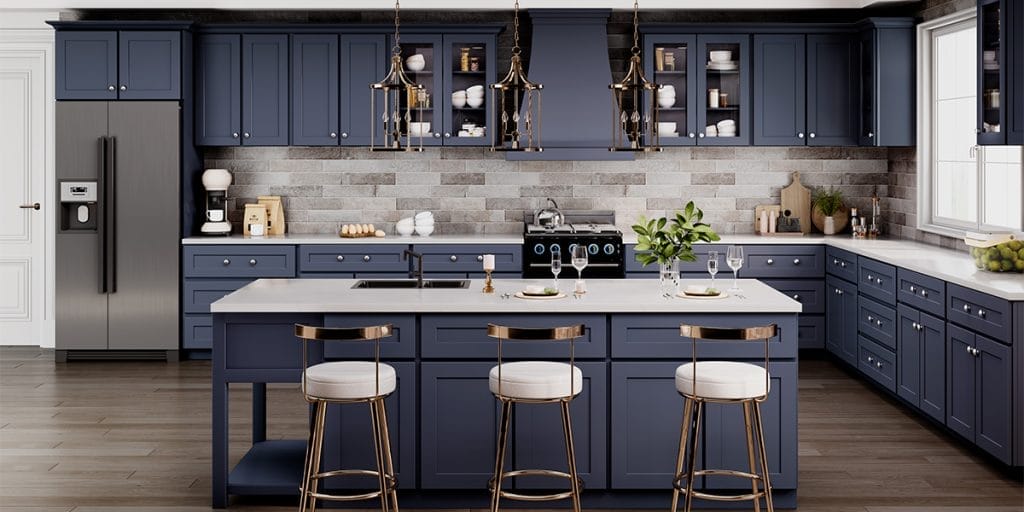
Over the past decade, white kitchens dominated the scene, but homeowners increasingly seek personality and warmth. Designers and homeowners are turning to colorful cabinets—especially blue—to create visual focal points and layers, without affecting long-term home value.
Industry reports show kitchen colors trending away from plain neutrals toward softer blues, greens, burgundies, and other personalized shades.
Culture & Psychology: Calm, Trust, and Comfort
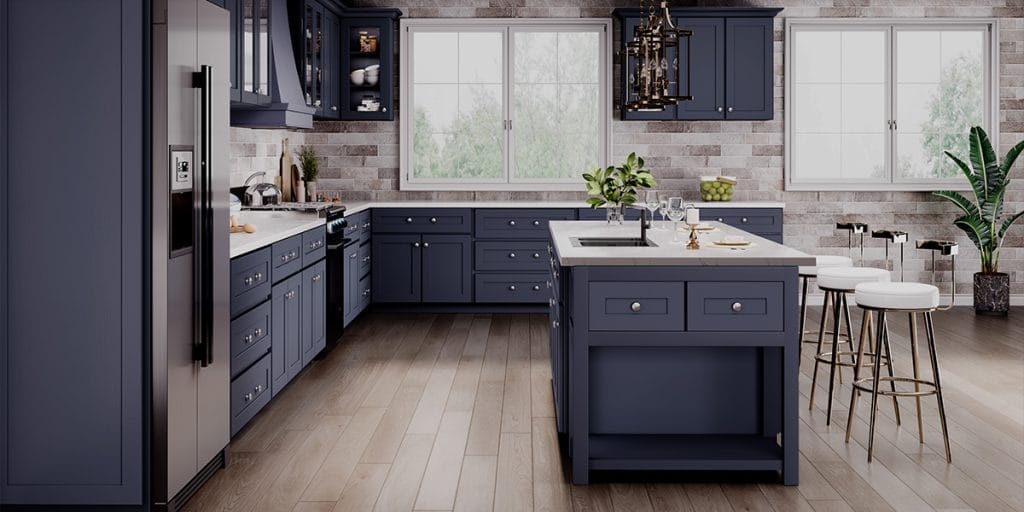
Blue is associated with calm, stability, and trust—qualities that matter in the kitchen, the family’s “heart” and activity hub. Think about it: the kitchen isn’t just for cooking; it’s where families gather, communicate, and recharge.
Especially in uncertain times—post-pandemic, global trade tensions—people look to home color palettes for psychological comfort. Blue perfectly meets this need, turning the kitchen into a relaxing, reassuring “safe harbor.”
Media & Social Influence: Accelerating Visual Trends
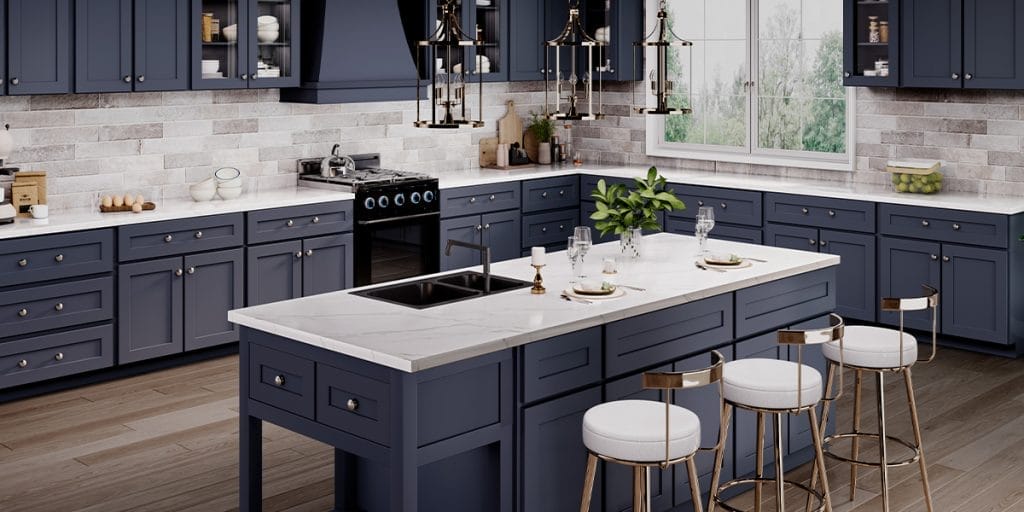
Platforms like Instagram, Pinterest, design blogs, and celebrity kitchens featuring blue have made this color easy for everyday homeowners to embrace. Major design magazines and media outlets (Elle Decor, Homes & Gardens) frequently highlight blue kitchens, further accelerating its popularity.
Versatility & Practicality of Blue Cabinets
Blue’s appeal lies in its adaptability across styles:
- Light pastel blue / powder blue: soft and airy, perfect for Scandinavian or modern minimalist kitchens
- Navy / deep indigo: bold and sophisticated, ideal for open layouts or industrial kitchens
- Teal / peacock blue: lively and dynamic, without being overwhelming
Dark blues and navy show fewer minor smudges than white, especially around handles and edges, while lighter blues feel softer than pure white yet maintain brightness. This makes blue cabinets both practical and stylish, offering a tasteful choice that doesn’t feel risky.
Gray Cabinets: A Subtle, Versatile Choice with Style
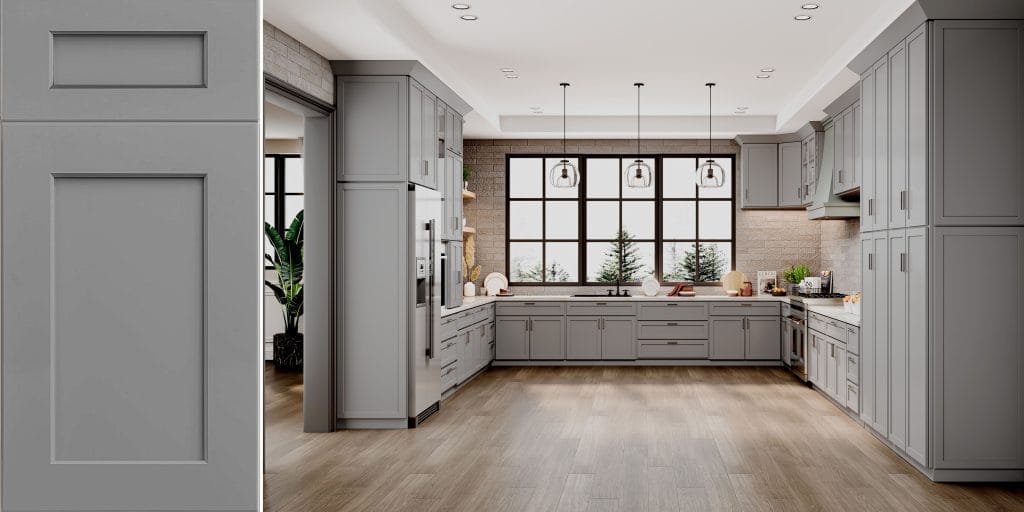
Gray cabinets have firmly secured their place in American homes—and for good reason. Gray has an understated yet sophisticated vibe that perfectly aligns with the American preference for practical, clean-lined, and minimally adorned interiors. Sitting between white and darker tones, gray maintains a sense of calm while adding more depth than plain white. Pairing gray cabinets with natural stone, wood, or metal hardware effortlessly creates a high-end feel, which is why designers often treat gray as a “bridging color” in kitchen design. You can find more tips in our complete guide to gray kitchen cabinets.
Practicality and Reliability
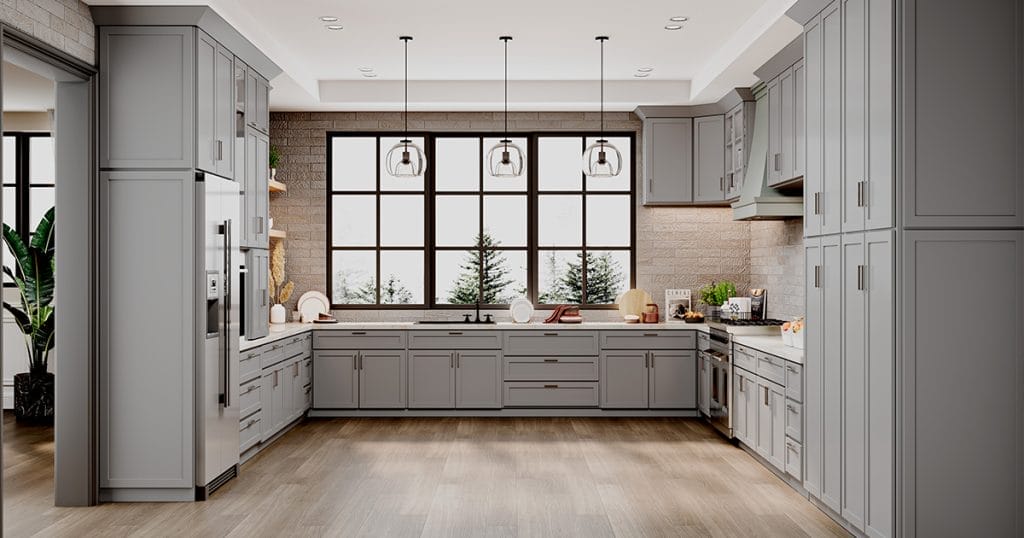
If you’re thinking long-term—or even considering reselling your home—gray is a safe, stylish choice. It works well with virtually any countertop, flooring, or hardware, reducing the risk of a design mismatch. Compared to pure white, medium gray also does a better job of hiding fingerprints, minor stains, and everyday wear, making it especially practical for families with kids or high-traffic kitchens.
On platforms like Houzz, Pinterest, and HGTV, gray kitchens constantly appear in inspiration boards and trending lists, keeping this color firmly in consumers’ minds. Cabinet manufacturers and paint/color card companies have also long offered multiple shades of gray as standard options, making it easy to source pre-finished or sample materials. This lowers entry costs for custom or renovation projects, which is particularly appealing for mid- to low-budget households.
Design Trends: Warmth and Layering
Over the past decade, the “millennial gray” trend dominated the scene, but today designers are more focused on nuance and warmth in gray tones. Warm grays—or grays with green or taupe undertones—are increasingly favored over cooler shades. Many contemporary kitchens now use a two-tone approach: for example, a darker gray island paired with lighter gray main cabinets. This adds visual depth and prevents the space from feeling flat or monotonous.
Greige: The Perfect Blend of Gray and Beige
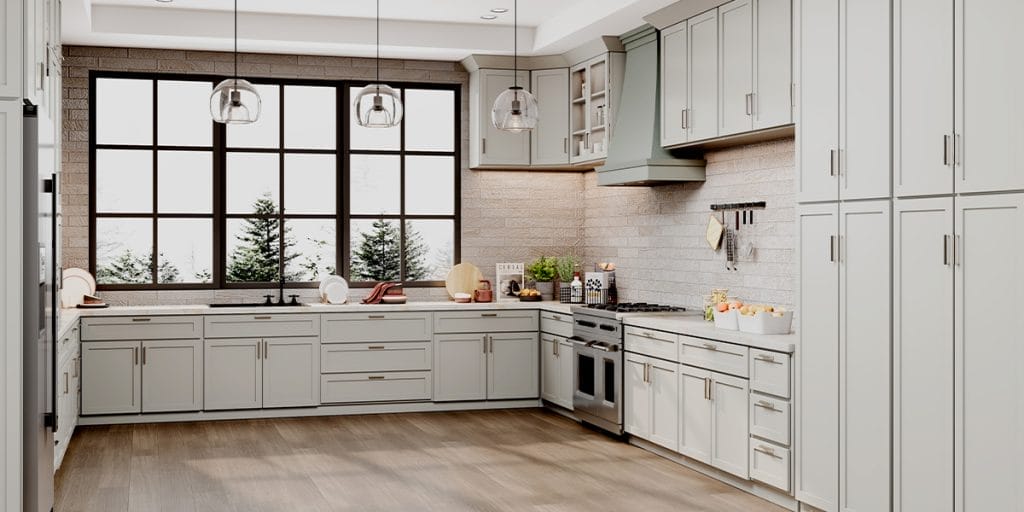
Beyond pure gray, one standout this year is Greige, a balance between gray and beige. Greige combines gray’s sophistication with beige’s warmth, and its tone can lean cooler or warmer depending on the mix—making it extremely versatile.
- Pair with white countertops for a fresh, modern look
- Match with dark wood or black hardware to enhance depth
- Use gold or bronze hardware for a soft, elegant warmth
- Combine with gray-toned walls or light flooring for a cozy, soothing feel
Greige has become the ultimate “all-rounder” in kitchen design. Whether your style is modern, Scandinavian, or warm farmhouse, it’s a shade that’s easy to work with and always looks intentional.
So far, the five most popular cabinet colors in the U.S. for 2025 are white, black, green, blue, and gray. From my perspective, you probably already have a favorite in mind.
A Quick Tip: Your kitchen doesn’t have to be a single color. Single-tone cabinets are timeless, but two-tone cabinets are worth trying—they add depth, personality, and visual interest, making your kitchen feel more dynamic and uniquely yours.


Related posts
Although the kitchen is often only a few square meters in size, it carries an enormous responsibility in daily life. It supports three meals a... Continue reading
Bathroom renovations often look simple on paper, yet anyone who has gone through one knows how many small decisions quietly affect daily comfort for years.... Continue reading

I’ve designed more laundry rooms than I can count, and if there’s one thing I’ve learned, it’s this:a poorly planned laundry room will frustrate you... Continue reading

Choosing the right bathroom vanity can feel overwhelming—trust me, you’re not alone! In the United States, there’s no one-size-fits-all solution. Your perfect vanity depends on... Continue reading

I was camping in CS2 when a kitchen scene stopped me in my tracks — it looked exactly like a European farmhouse I’d seen in... Continue reading







Add comment