No products in the cart.
Return To Shop or
or  ,
,



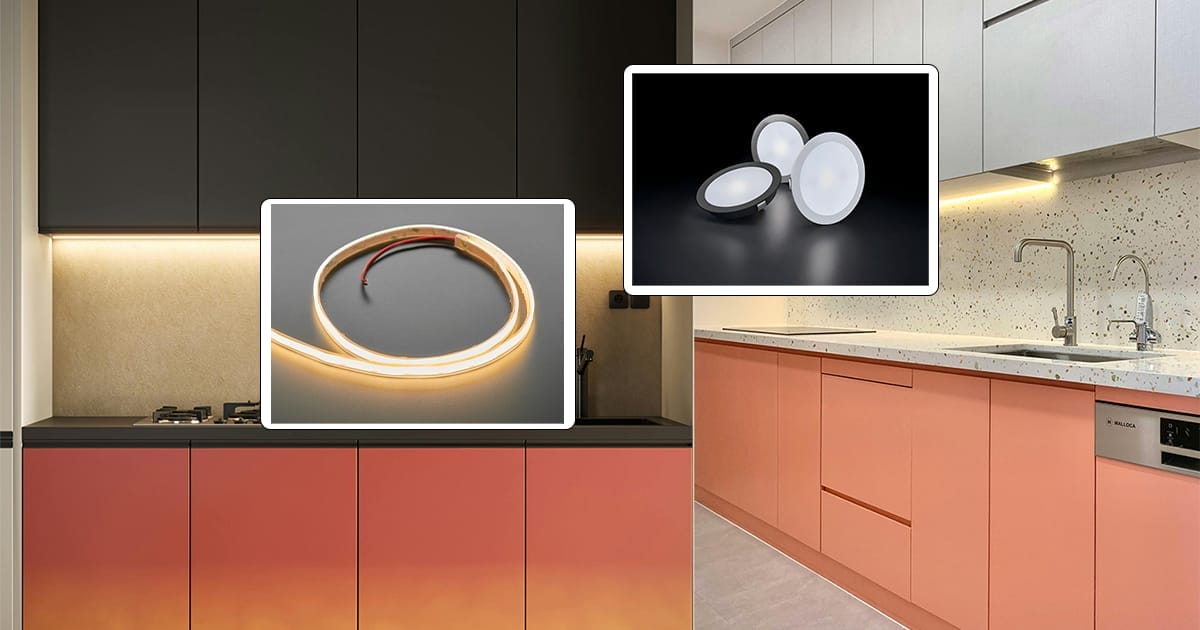
Under-Cabinet Lighting and Accessories: Brighten Up Your Kitchen
Over the years, I’ve come to realize that light is more than just illumination—it’s a silent partner in the way we experience our kitchens. Among all the lighting options, under-cabinet lighting is perhaps the most transformative, yet it’s often overlooked. For families, it isn’t just about aesthetics; it’s about safety, efficiency, and even wellbeing.
Table of Contents
Why Under-Cabinet Lighting Matters
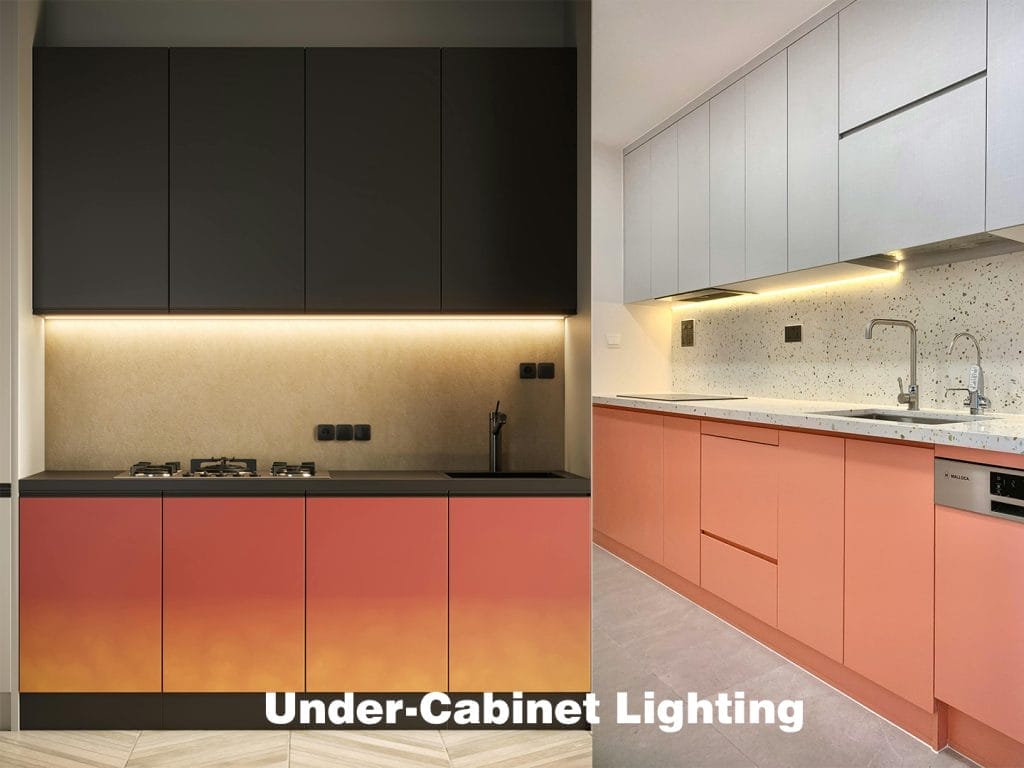
Many homeowners underestimate how much a simple strip or puck light can change daily life. As someone who’s guided countless families in remodeling their kitchens, I can say with certainty: a well-lit countertop reduces accidents, increases efficiency, and makes cooking less stressful. Shadowed work surfaces are not only frustrating but can also hide hazards—a dull knife, a spill, or a small appliance cord.
From a physiological perspective, lighting affects our mood and alertness. Warm, evenly distributed under-cabinet light encourages calm and focus during morning routines, while cooler, brighter settings are better for detailed tasks like chopping or plating meals. Understanding this interplay allows you to customize light intensity and color temperature for your lifestyle.
LED Strips vs. Puck Lights

When choosing under-cabinet lighting, the first consideration is the type.
LED Strip Lights provide continuous, even illumination. They’re ideal for long counters, baking stations, and islands. For families, this consistency is particularly helpful: no matter where you’re prepping, you won’t be chasing shadows. I’ve observed that children and older adults especially benefit from this uniform lighting—it reduces eye strain and makes tasks safer.
Puck Lights, by contrast, focus light in discrete areas. They’re perfect for highlighting display shelves, spice racks, or decorative elements. Puck lighting adds depth, but without thoughtful placement, it can create uneven shadows on work surfaces. In my practice, I often combine both: strips for primary task areas, pucks to create visual interest and a sense of warmth. This layered approach mimics natural daylight, which our eyes respond to more comfortably than a single flat light source.
The Science of Color Temperature
Color temperature is a concept I make sure my clients understand. Light isn’t just white or yellow—it carries warmth, clarity, and even influence over appetite and concentration.
- Warm light (2700–3000K) feels cozy and inviting. It’s ideal for family kitchens where meals and gatherings happen around countertops.
- Neutral white (3500K) balances visibility and comfort, suitable for cooking tasks that require precision.
- Cool white (4000K and above) enhances contrast and highlights textures, useful for detailed prep work but can feel sterile if overused.
For many families, I recommend adjustable lighting or dimmable LEDs. This allows one setting for daytime cooking and another for evening ambiance—a small adjustment with a significant psychological effect.
Installation and Power Considerations
Understanding installation options can save frustration down the line.
- Plug-in systems are perfect for renters or small remodels. They’re flexible but can leave visible cords if not planned carefully.
- Hardwired systems look seamless and provide a permanent solution, but require professional installation. For families, this is often a worthwhile investment—it’s safer, more reliable, and can be integrated with kitchen switches or smart home systems.
- Battery-operated solutions are great for small niches or temporary setups, though less ideal for high-use areas.
I always advise planning power during renovation. Pre-drilled channels, hidden wires, and low-voltage options not only improve safety but also prevent frustration for anyone trying to retrofit lights later. For tailored ideas and practical tips for compact spaces, check out our Small Kitchen Cabinet Solutions guide.
Materials and Light Interaction
One detail many homeowners overlook is how light interacts with kitchen materials. Light-colored cabinets reflect light, making the space feel larger and brighter. Darker wood absorbs it, creating intimacy but requiring stronger or additional sources to avoid shadows. Countertops matter too—glossy stone can create glare, while matte finishes provide soft reflection.
I often use under-cabinet lighting to highlight textures: the grain of natural wood, the shimmer in a quartz countertop, or the subtle imperfections in handmade tiles. It’s not just decoration; it’s a way to make daily cooking and cleaning more visually pleasant and engaging.
Functional Accessories Beyond Illumination
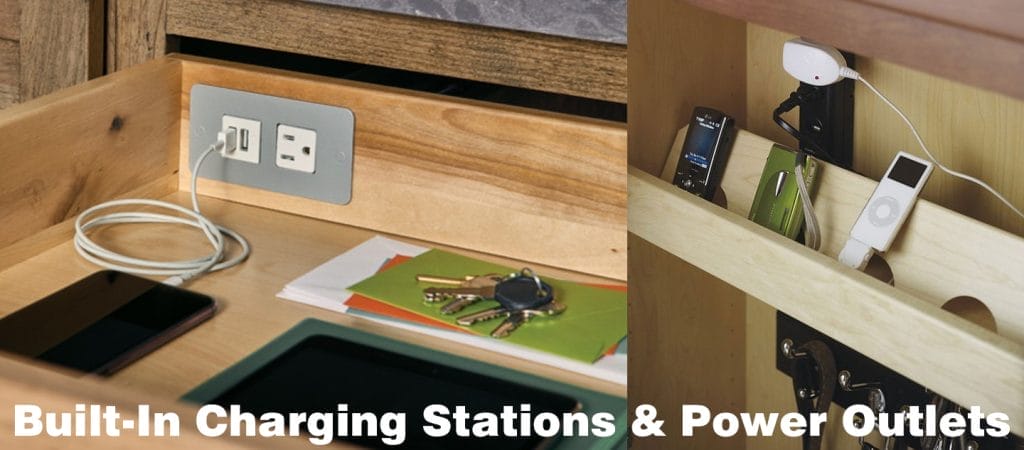
Under-cabinet lighting can also integrate functional accessories that families love:
- Motion sensors for hands-free operation during messy cooking.
- USB or wireless charging built into lower cabinets for devices.
- Puck lights with adjustable brightness for homework stations or reading recipes.
The key, I’ve learned, is subtlety. Accessories should enhance function without cluttering the kitchen or adding visual noise. Families benefit most from thoughtful integration that feels seamless.
DIY and Renovation Tips
For home cooks tackling upgrades themselves, here are some practical tips I share with clients:
- Measure twice, cut once: Accurate length and spacing of LED strips or pucks prevent uneven illumination.
- Plan power early: Determine plug locations or hardwire needs before cabinets or counters are installed.
- Consider dimming and layering: Multiple zones with separate controls give flexibility for cooking, entertaining, or quiet evenings.
- Use low-voltage LEDs: Safer for family kitchens, energy-efficient, and reduces heat accumulation.
Even small, thoughtful changes in under-cabinet lighting can elevate daily cooking from a task to an enjoyable experience. For a more comprehensive approach to kitchen layout and planning, check out our Kitchen Planning Rules guide.
A Personal Perspective
Lighting is often invisible until it’s missing. In kitchens I’ve designed, I’ve seen families transform their routines simply by adding well-placed under-cabinet lights. Children can safely chop vegetables; parents can read recipes without strain; late-night bakers can move around without harsh overhead glare.
For me, under-cabinet lighting is a conversation between design and daily life. It’s where science meets comfort, function meets beauty, and a kitchen becomes more than just a workspace—it becomes a home’s heartbeat. When families understand the impact of light, they realize it’s not an accessory; it’s an essential ingredient in creating a kitchen that’s safe, inviting, and full of life.


Related posts

Receiving the keys to a new home is an exciting milestone yet it often brings an important and sometimes confusing question. What is the best... Continue reading

The kitchen is far more than a place for cooking meals. In many American homes it has become a central space for daily routines family... Continue reading

Kitchen cabinets play a vital role in both the function and visual identity of a kitchen. Among all cabinet components, cabinet doors are the most... Continue reading

The colors you choose for your home don’t just paint walls—they shape moods, create feelings, and influence how every day unfolds. In 2026, whole home... Continue reading

In modern home renovation projects, custom cabinetry has become a core element in both kitchen and bathroom planning. Choosing the right custom cabinet supplier is... Continue reading








Add comment