No products in the cart.
Return To Shop.png?sharp=1)



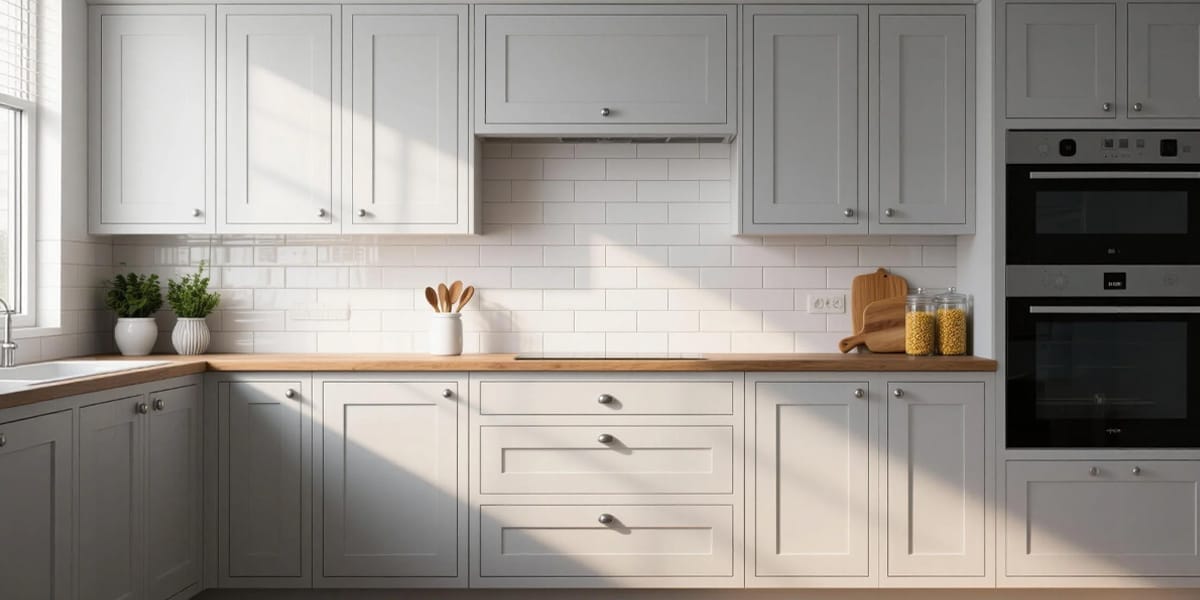
How to Decide: Full Kitchen Remodel vs Partial Update
In everyday home life, the kitchen is not only a place for cooking but also a warm space for family interaction and shared moments. As time goes by and family needs evolve, an existing kitchen may no longer suit modern living. This article explores the situations in which a full kitchen renovation is worth considering, helping homeowners gain clearer direction when planning an upgrade.
Table of Contents
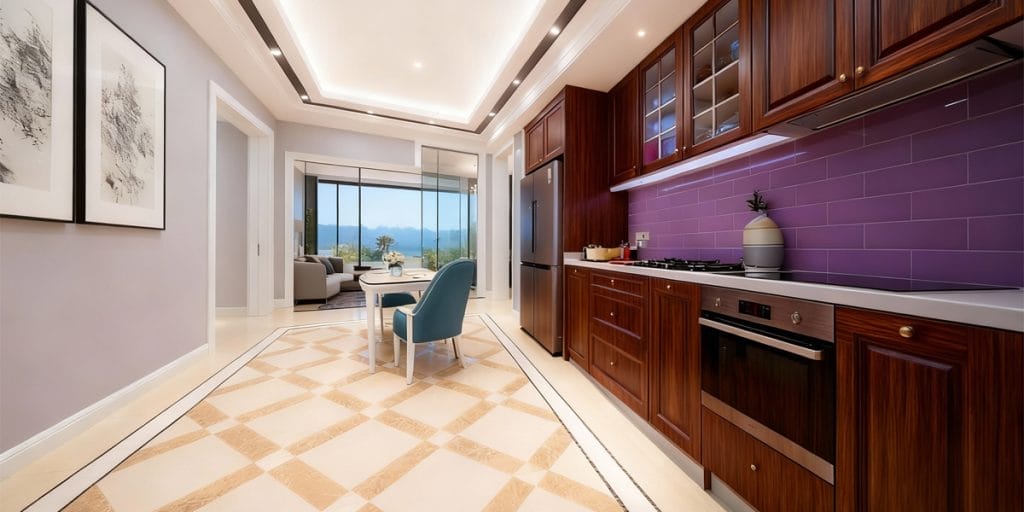
1. Structural safety and hidden risks
As a highly functional area of the home, kitchen safety should never be overlooked. If you notice the following issues, a full renovation may be the wiser choice.
Water leakage and seepage problems
Persistent moisture on floors, walls, or even ceilings often signals underlying structural concerns. Standing water can lead to mold growth and cause lasting damage to interior finishes.
Aging pipes and wiring
Old electrical lines or gas pipes, especially those poorly laid out, pose potential safety risks. Updating these systems is an important step toward protecting your household.
Damaged cabinets and fixtures
Cabinets that are swollen, moldy, or deformed, along with drawers and doors that no longer function properly, indicate overall deterioration. These problems affect daily use and may also create safety hazards.
2. Changes in layout and daily needs
As lifestyles become faster paced and family structures change, such as welcoming a newborn or accommodating elderly family members, the original kitchen layout may no longer be practical.
Inefficient workflow
An ideal kitchen follows a smooth relationship between the cooktop, sink, and refrigerator. If the current layout makes everyday tasks feel awkward or time consuming, a full renovation allows for a more efficient and comfortable workflow.
Lack of storage space
Older cabinet designs often struggle to keep up with the growing number of appliances and supplies. Redesigning storage can help the kitchen stay organized while improving ease of use.
More diverse functional demands
Modern households often want to add appliances like ovens or steamers, or even combine the kitchen with the dining area in an open concept design. A full renovation makes it possible to introduce new ideas while adapting to the family’s habits.
3. Aging equipment and outdated style
Beyond function, the kitchen plays an important role in the overall look of the home. When design and equipment fall behind current standards, a full renovation can bring new vitality.
Declining appliance performance
Range hoods with weak suction or cooktops with frequent ignition issues directly affect efficiency and safety. New appliances enhance the cooking experience and support energy saving goals.
Worn surfaces and finishes
Cracked tiles or heavily worn countertops not only reduce visual appeal but may also become safety concerns. Replacing them with quality materials improves both safety and aesthetics.
Outdated design style
As home design trends evolve, older kitchens may feel out of place within a refreshed interior. A full renovation allows homeowners to create a space that feels cohesive, practical, and visually appealing.
In summary, a full kitchen renovation is more than a construction project. It represents an upgrade to everyday living quality. Whether driven by safety concerns, functional needs, or aging equipment and style, a complete update can deliver a more comfortable and efficient kitchen. As the core element of this space, cabinet quality and design are especially important. We recommend choosing RaraRTAcabinets to create storage solutions that balance beauty and practicality.
Kitchen renovation involves many components, and costs vary depending on construction complexity, material choices, and design requirements. Reusing certain existing items can help manage the budget. A full renovation typically includes redesign, demolition, and foundational work, and updates to floors and ceilings often require at least one month to complete. Homeowners are advised to communicate clearly with designers and contractors in advance and to research materials carefully, ensuring both quality results and controlled spending.


About author

Related posts

Kitchen cabinet quotes can look similar at first but include very different products and services. One quote may include plywood cabinet boxes, finished end panels,... Continue reading

A knee drawer is a specialized vanity cabinet component designed to add storage while creating comfortable open space underneath a bathroom countertop. Knee drawers are... Continue reading

A 33-inch farmhouse sink is a common choice for a 36-inch base cabinet, but it is not a universal rule. The correct fit depends on... Continue reading

A kitchen cabinet filler is a narrow finished strip used to close or manage the space between a cabinet and a wall, appliance, corner, or... Continue reading

Choosing RTA cabinets involves more than comparing door styles or headline prices. You need to evaluate cabinet-box construction, door materials, available sizes, hardware, shipping, assembly,... Continue reading





Add comment