No products in the cart.
Return To Shop.png?sharp=1)


5 Bathroom Vanity Materials Compared: Pros and Cons Explained
Choosing the right bathroom vanity can feel overwhelming—trust me, you’re not alone! In the United States, there’s no one-size-fits-all solution. Your perfect vanity depends on factors like moisture levels, ventilation, how often the bathroom is used, and your budget.Beyond the material itself, cabinet construction, storage design, and installation options also play an important role in the long-term performance of a bathroom vanity. Understanding these factors can help homeowners make a smarter choice for their bathroom renovation project.
Solid wood gives your space that warm, natural feel—but it demands attention. PVC and ceramic handle water like pros and almost forget to ask for maintenance. Plywood and stainless steel sit somewhere in between, balancing durability, affordability, and style.
By understanding how each material performs in real American homes, you’ll feel more confident picking the one that suits both function and design. Let’s dive in!
Table of Contents
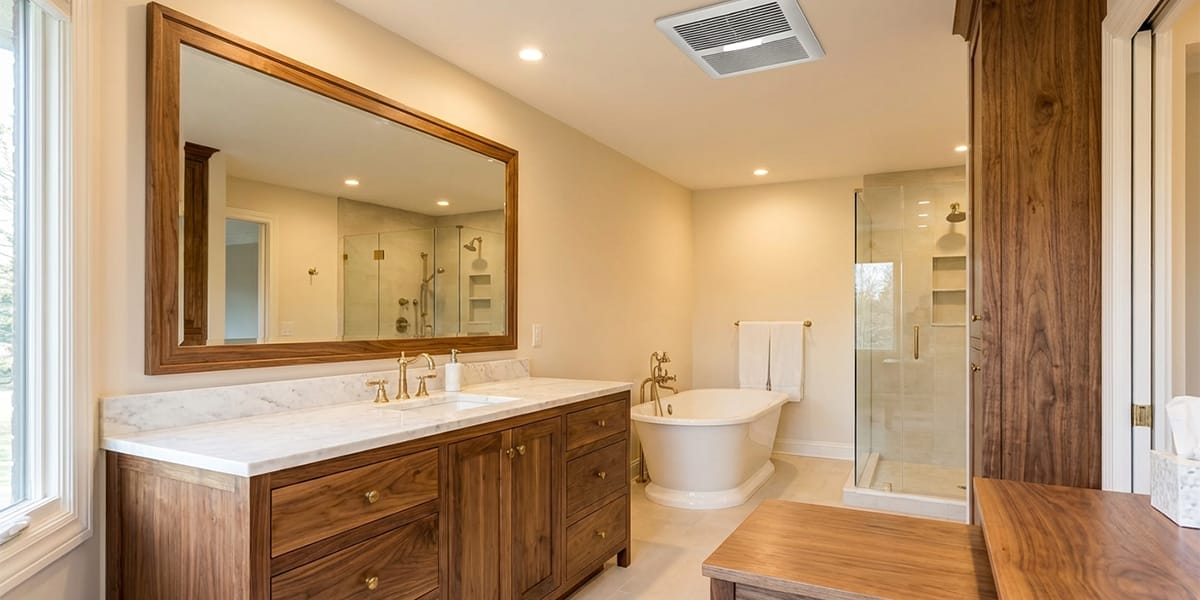
Solid Wood: Premium Look With Higher Environmental Demands
Ah, solid wood—the classic beauty. Its natural grain and upscale appearance make it a favorite in master bathrooms and designer-inspired spaces. If you’re a fan of warmth and timeless charm, solid wood can be a showstopper.
When kiln-dried, sealed, and finished properly, hardwoods like oak, maple, and walnut handle typical bathroom humidity just fine. But a word of caution: long periods of moisture or poor ventilation can lead to cracking, warping, or minor deformations. So, if you’re thinking “I just want a pretty vanity and forget about it,” solid wood might test your patience a bit.
Best for: Master bathrooms with strong exhaust systems and clear wet/dry zones.
Not ideal for: Small or poorly ventilated bathrooms.
In the US, these vanities usually sit at the higher end of the price range—they’re an investment in both aesthetics and lasting quality.
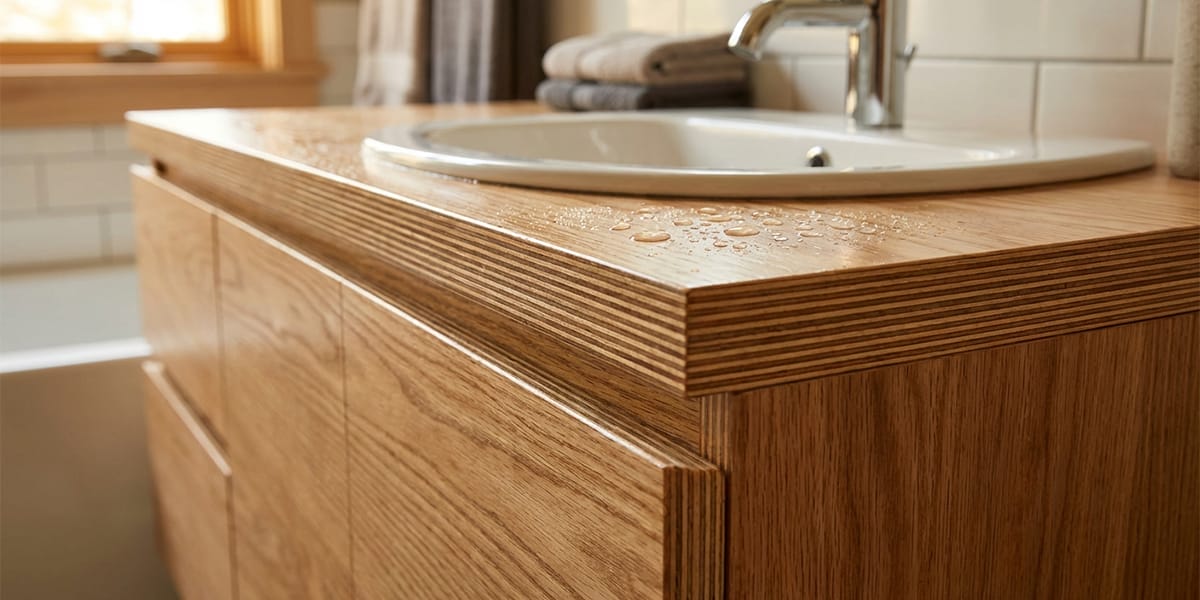
Plywood: Balanced Performance at a Moderate Cost
Plywood is the all-rounder you didn’t know you needed. Its layered construction gives it stability, resisting the push and pull of temperature and humidity changes better than solid wood.
Water resistance depends heavily on edge sealing and coatings, so choosing wisely is key. In northern regions, heating can dry things out, causing minor joint movement—but overall, plywood is a reliable workhorse that handles daily life well.
Best for: Homeowners who want a stable, moderately priced vanity that won’t stress them out.
Not ideal for: Splash-prone bathrooms unless sealed properly.
Think of plywood as the “safe but stylish” option—reliable, with fewer surprises.
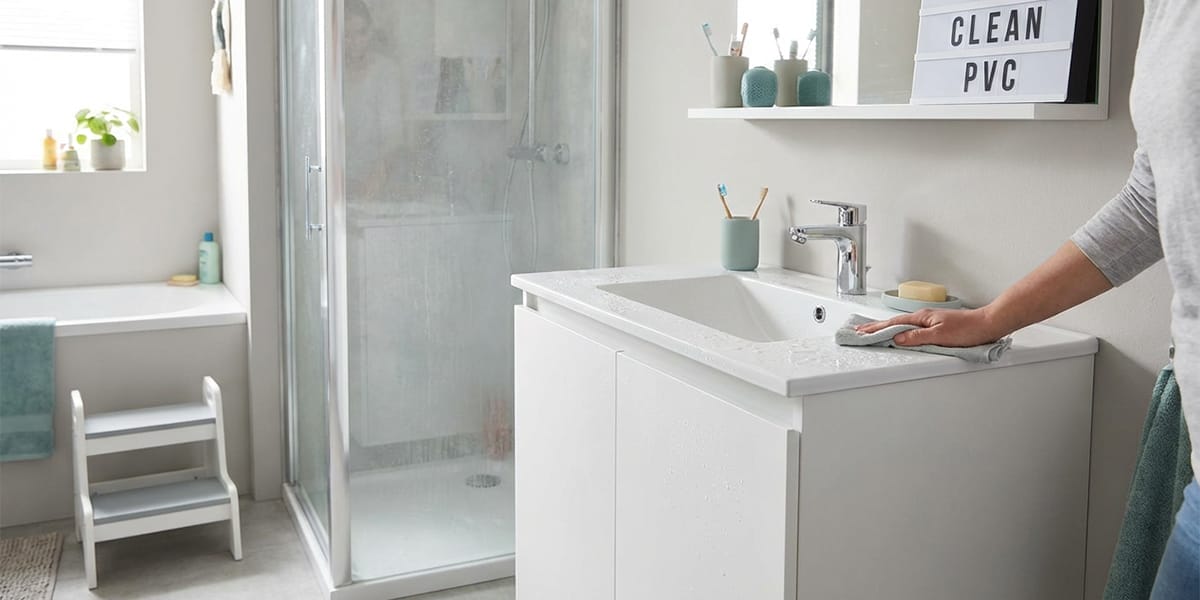
PVC: Maximum Water Resistance With Minimal Maintenance
If your life is busy, PVC is your friend. Non-porous and totally resistant to water, it laughs in the face of swelling, mold, and rot. Cleaning? A breeze.
It’s especially popular in family bathrooms, rentals, or secondary bathrooms where life happens fast. Just remember: not all PVC is created equal. Low-grade materials may warp or discolor under heat, so check specifications before buying.
Best for: Homeowners who want a stress-free, low-maintenance vanity.
Not ideal for: Luxury-focused bathrooms where you want that “wow” factor.
PVC is basically the “set it and forget it” option—perfect if you’d rather spend your energy elsewhere.
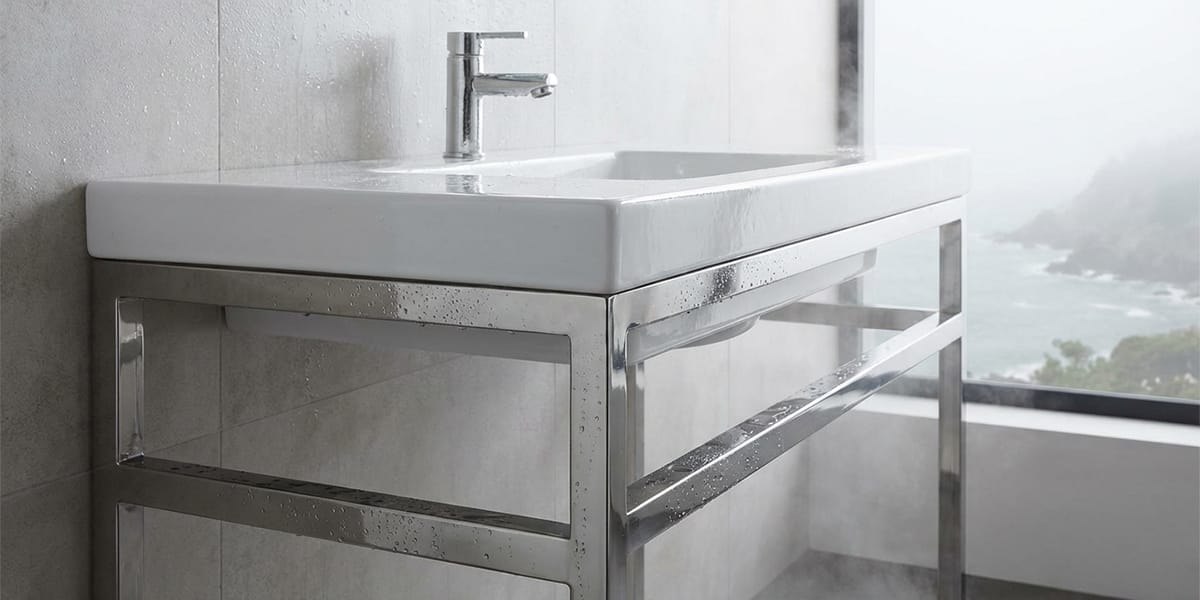
Stainless Steel and Ceramic: Stability for High Humidity Conditions
Stainless steel has become a darling in modern and industrial-style bathrooms. Top-quality steel with protective coatings resists corrosion and works even in bathrooms with poor ventilation. True, it feels cool to the touch in winter, but clever interior choices—like warm lighting and underfloor heating—fix that in a snap.
Ceramic vanities are practically immune to water absorption and extremely stable dimensionally. Ideal for coastal or high-humidity areas, they do come with a weighty price: literally. Heavy and delicate, they need careful handling during transport and installation.
Best for: Humid coastal regions or bathrooms with poor airflow.
Not ideal for: Homes needing lightweight or easily movable vanities.
Think of these as the “tough, no-nonsense” choices—they keep their cool when the bathroom gets steamy.
Choosing the Right Vanity Material: Key Takeaways
Picking the right bathroom vanity doesn’t have to be stressful. Here’s a quick cheat sheet for American homes:
- Humid coastal / southeast: Ceramic or stainless steel are your safest bets.
- Drier central / northern areas: Well-treated solid wood or plywood gives warmth and natural beauty.
- Ease of maintenance first: PVC wins, hands down.
Pro tip: Many homeowners today go for factory-direct vanities made of plywood or PVC. This combination delivers durability, budget-friendly pricing, and faster local delivery—without compromising style.
By thinking about humidity, temperature swings, and daily use, you’ll choose a vanity that lasts years and keeps your bathroom looking great. So, take a deep breath—you’ve got this. Your perfect vanity is out there, waiting to make your bathroom shine.
Factors To Consider When Choosing A Bathroom Vanity
Choosing the best bathroom vanity material depends on your bathroom environment, lifestyle, and design preferences.
For bathrooms with higher moisture exposure, homeowners should prioritize materials that provide durability and easy maintenance. For busy family bathrooms, practical storage and reliable cabinet construction are also important considerations.
Before making a final decision, consider:
- Moisture resistance
- Daily usage
- Maintenance requirements
- Cabinet construction quality
- Overall bathroom design style
A well-designed bathroom vanity should provide both long-lasting performance and a style that fits your space.
Explore RTA Bathroom Vanity Options
After choosing the right vanity material, the next step is selecting a bathroom vanity that matches your renovation needs.
RTA bathroom vanities are a popular choice for homeowners who want affordable pricing, flexible installation, and modern designs. Pre-assembled bathroom vanities are ideal for customers who prefer faster installation with less assembly work.
Explore different bathroom vanity options to find the right combination of style, storage, and functionality for your project.
FAQ
What is the best material for a bathroom vanity?
The best bathroom vanity material depends on your bathroom environment, lifestyle, budget, and maintenance preferences. Popular options include solid wood, plywood, PVC, MDF, and engineered materials. Each material has different advantages in terms of durability, appearance, and moisture resistance.
Is plywood a good material for bathroom vanities?
Yes, plywood is a popular choice for bathroom vanities because it provides strength, stability, and reliable performance in moisture-prone environments. When combined with quality finishes and proper construction, plywood vanities can provide long-lasting durability.
Is MDF good for bathroom vanity cabinets?
MDF can be a good option for bathroom vanity cabinets because it provides a smooth surface and consistent finish. However, proper sealing, quality construction, and regular maintenance are important to help protect the vanity in humid bathroom conditions.
How long should a bathroom vanity last?
A well-built bathroom vanity can last many years with proper installation and care. The lifespan depends on factors such as material quality, cabinet construction, hardware durability, moisture exposure, and daily usage.
Should I choose an RTA or pre-assembled bathroom vanity?
The right choice depends on your renovation needs. RTA bathroom vanities are a cost-effective option for homeowners who want flexible shipping and DIY-friendly installation. Pre-assembled bathroom vanities are ideal for customers who prefer faster installation with less assembly work.


About author

Related posts

Picture this. You are preparing a romantic dinner at home. The vegetables are in the refrigerator on one side of the kitchen. The cutting board... Continue reading

A kitchen is more than a place to cook. It is where everyday life happens. It is where coffee is made in the morning, meals... Continue reading

Have you ever opened a cabinet and couldn’t find what you needed—only to end up pulling everything out just to reach one item in the... Continue reading

Remodeling a kitchen can feel overwhelming.There are so many decisions, and honestly, it’s easy to get something wrong that you’ll regret later. But if you... Continue reading

If you’re planning a kitchen, you might be wondering:“Do I really need more drawers… or are shelves and pull-outs enough?” After years of working with... Continue reading





Add comment