No products in the cart.
Return To Shop.png?sharp=1)
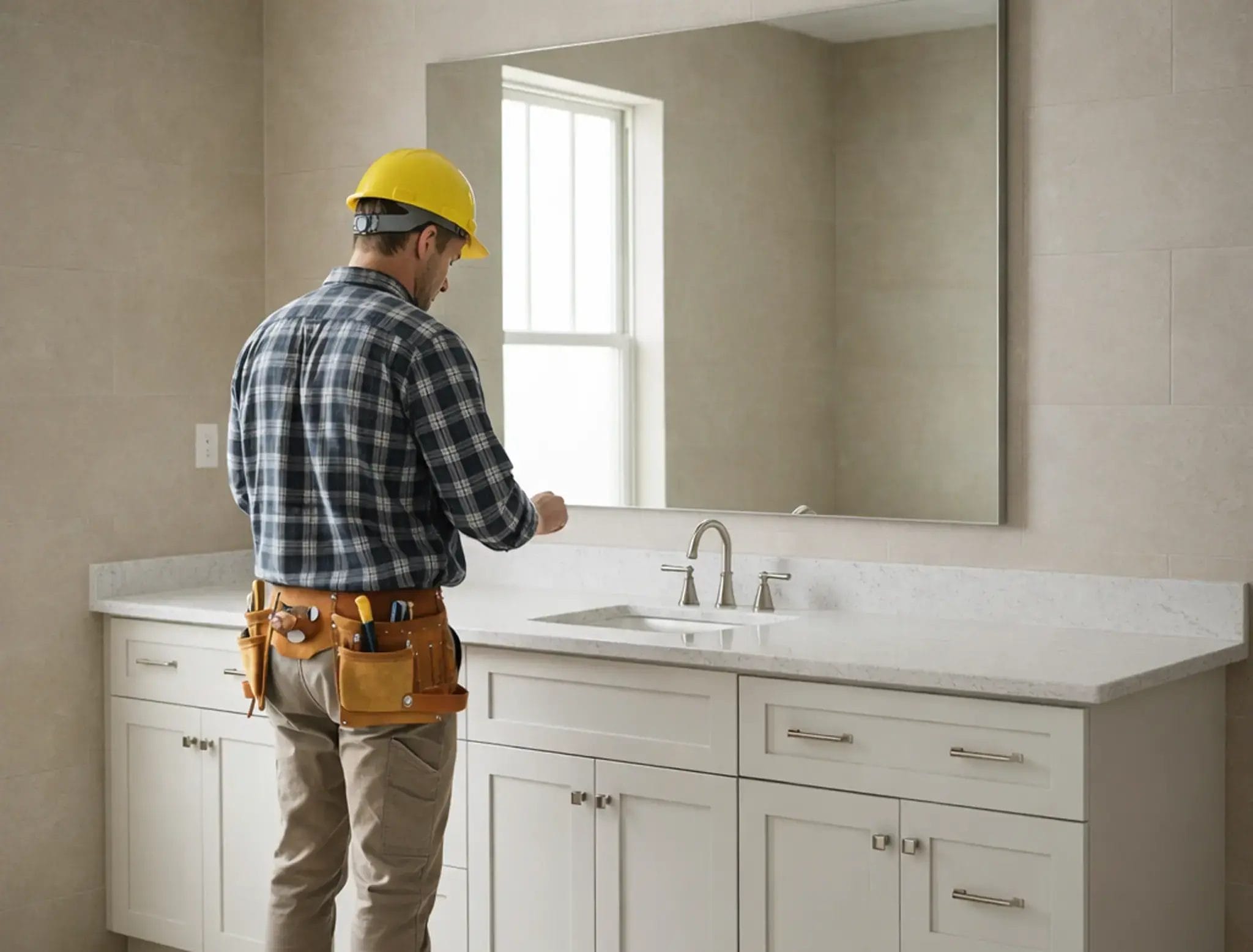



Small Kitchen Cabinet Solutions: Maximizing Space in Cozy Kitchens
When your kitchen is short on square footage, every inch matters. The secret isn’t always knocking down walls — it’s how you plan your cabinets. Whether you’re renovating a small city apartment or optimizing a cozy home kitchen, smart cabinet design can turn a cramped space into an organized, stylish, and functional one.
Let’s explore practical and beautiful cabinet solutions that help you make the most of your space — without sacrificing style or comfort.
Table of Contents
1. Why Small Kitchens Deserve Smart Cabinet Planning

Small kitchens can be surprisingly efficient when designed intentionally. Start by mapping out your cooking routine and storage priorities. Think: where do you usually chop vegetables, prepare meals, or store appliances? Once you identify your daily flow, you can tailor cabinet placement for maximum convenience.
Smart planning not only saves space but also creates visual balance, making the kitchen feel open and comfortable instead of cluttered.
If you are still deciding which cabinet types to use before choosing organizers and accessories, compare our recommended cabinet options for small kitchens.
2. Corner Cabinet Solutions: Making Every Inch Count
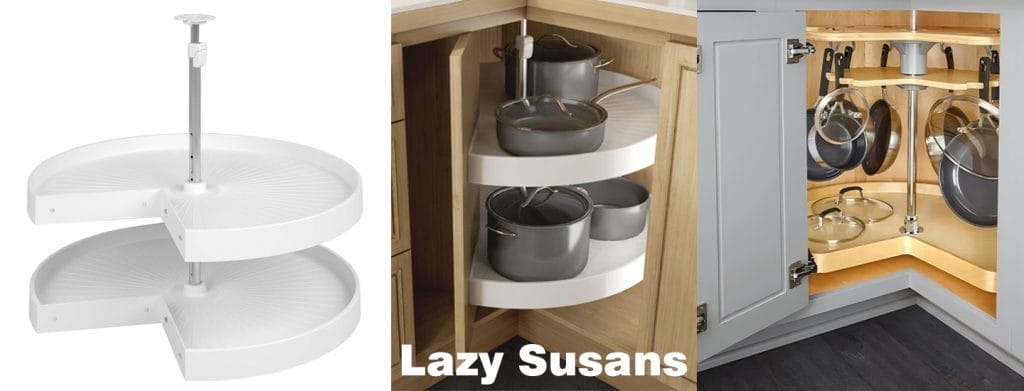
Corner areas often go unused, yet they’re goldmines for extra storage.
Here are some clever ways to make corners work harder:
- Lazy Susan or LeMans shelves for maximizing reach in deep cabinets.
- Diagonal corner cabinets that keep everything within arm’s reach.
- Blind corner pull-outs so you can slide out cookware instead of digging.
- Open corner shelving for a light, airy look — ideal for dishes or décor.
By investing in well-designed corner solutions, you’ll gain storage without expanding your footprint.
3. Vertical Storage: Look Up to Find More Room
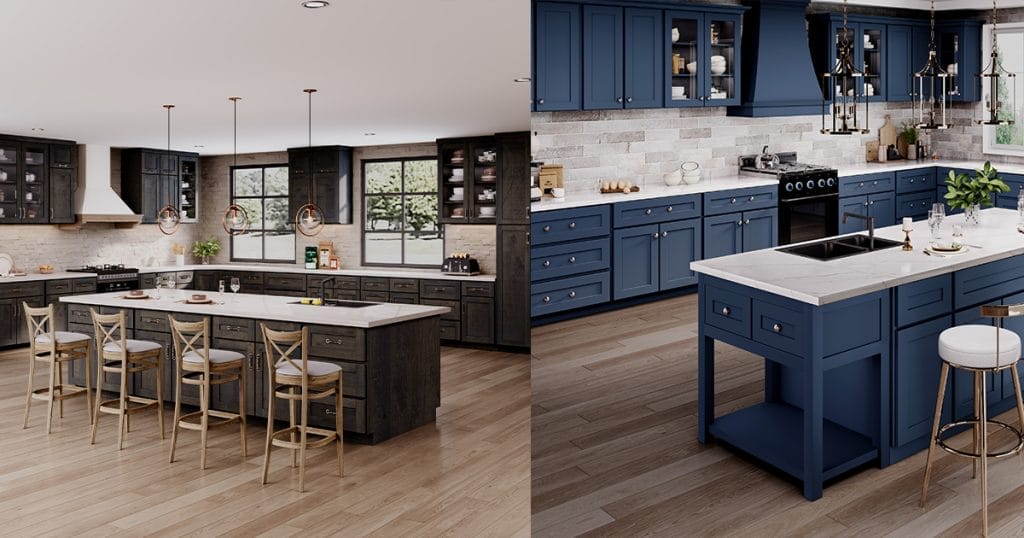
If you can’t build out, build up. Vertical space is your best friend in a small kitchen.
- Ceiling-height cabinets provide extra storage for items you don’t use daily.
- Combine open shelving and glass-front cabinets to lighten the room visually.
- Add toe-kick drawers under base cabinets and above-fridge storage for bulk items.
These vertical tricks help declutter countertops and make the room feel taller — a psychological win in compact kitchens.
4. Pull-Outs, Roll-Outs & Organizers: Hidden Efficiency
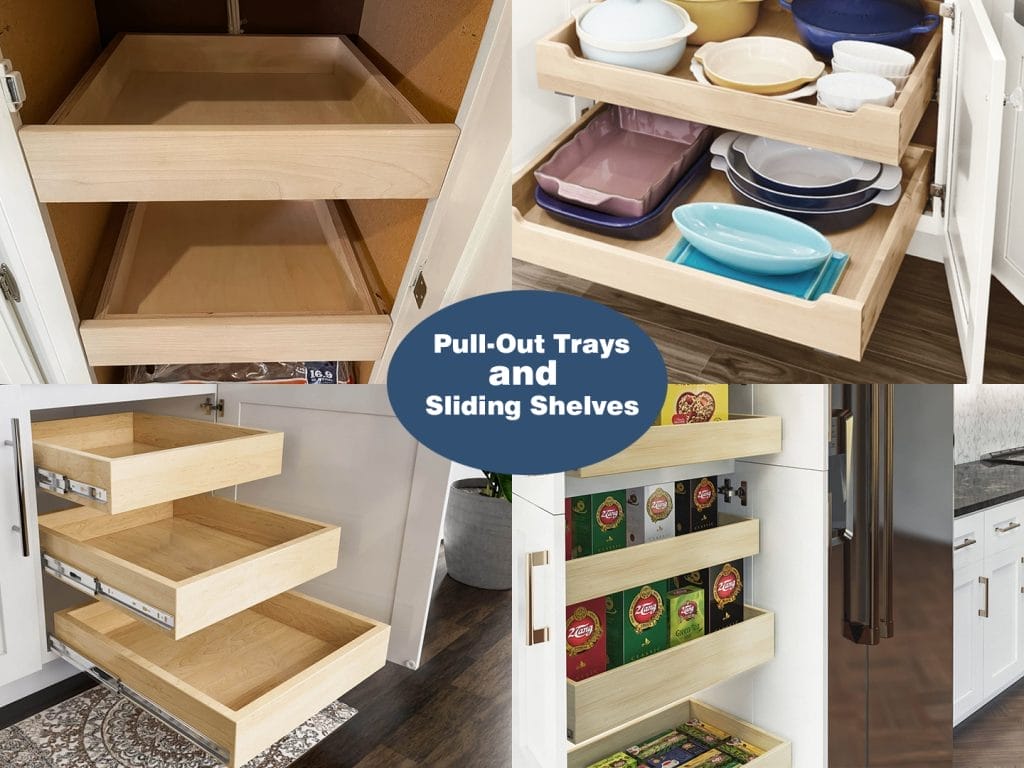
Storage isn’t just about how much you can fit — it’s about how easily you can reach it.
- Pull-out pantries keep snacks and spices easy to grab.
- Roll-out trays in base cabinets make pots and pans accessible.
- Add utensil dividers, spice pull-outs, and combo trash bins for better organization.
Think of these features as “assistants” that make your kitchen run smoother every day.
5. Color and Finish Tips: Light, Reflective, and Airy
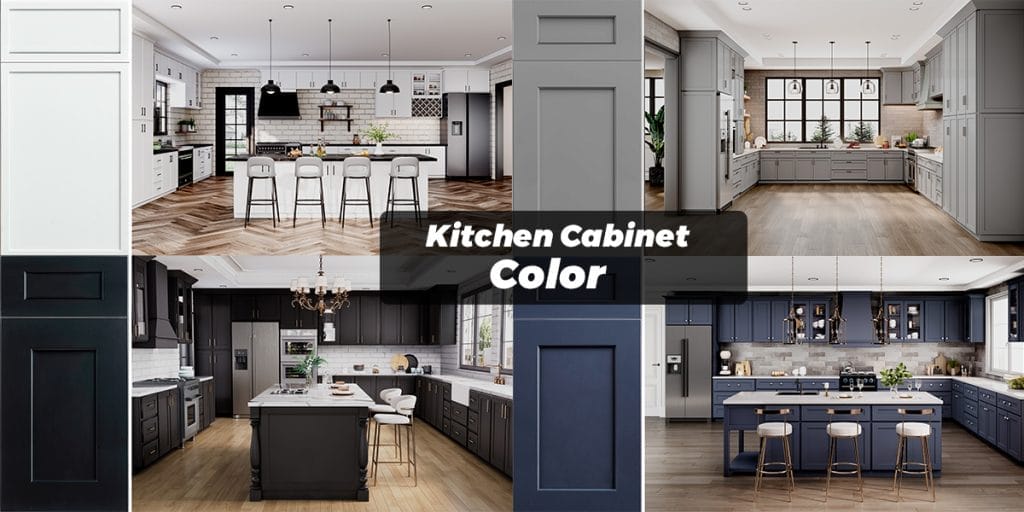
Color plays a major role in how spacious your kitchen feels.
When planning your palette, make sure to choose the right kitchen cabinet color to balance brightness and depth.
- Choose light neutrals like white, soft gray, or beige to open the space visually.
- Glossy finishes and glass cabinet fronts reflect light beautifully.
- Add contrast with matte black or brushed brass hardware for depth and elegance.
A cohesive, bright palette not only enlarges your kitchen’s look but also makes it feel warm and welcoming.
6. Multi-Function Cabinets for Flexible Living
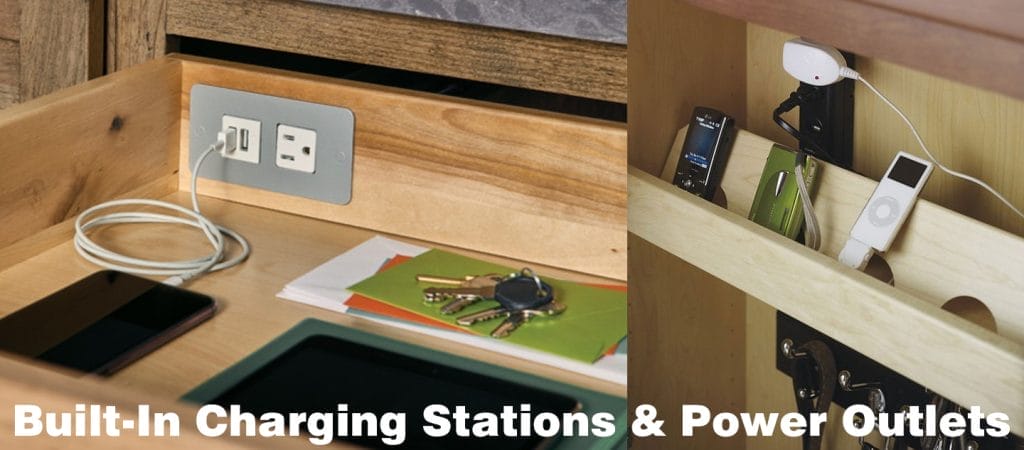
Today’s small kitchens need to do more than just store dishes.
- Use kitchen islands with hidden storage or fold-out counters to combine prep and dining space.
- Add convertible drawers for small appliances like coffee makers.
- Include hidden charging stations to keep electronics out of sight but within reach.
These multi-purpose designs make your kitchen as functional as it is stylish.
7. Recommended Materials and Hardware Choices
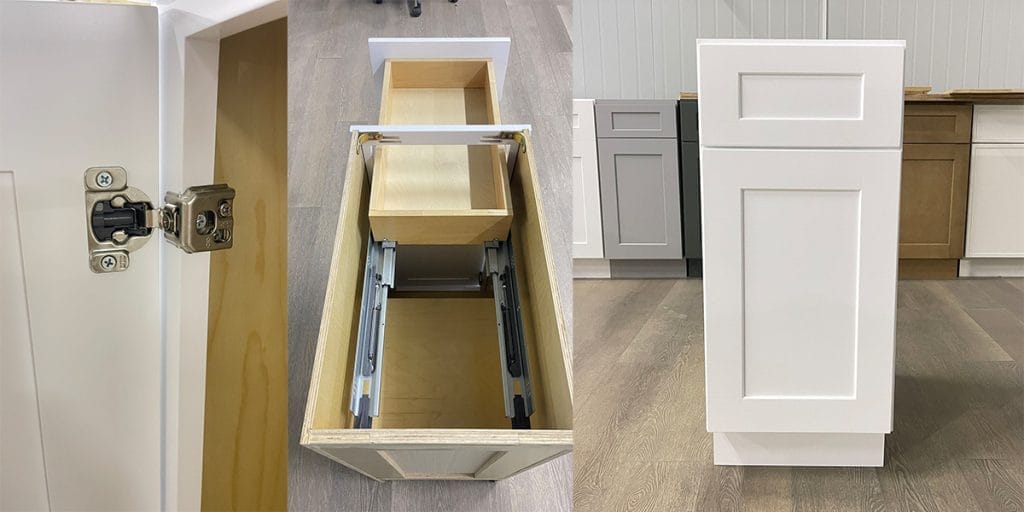
Durability matters more when every cabinet is doing double duty.
- Choose solid wood doors and plywood boxes for strength.
- Opt for UV lacquer finishes for easy cleaning and moisture resistance.
- Use soft-close hinges and full-extension slides for premium performance.
Avoid low-density materials like particle board in humid environments — they can swell and warp over time.
8. Real-World Layout Examples
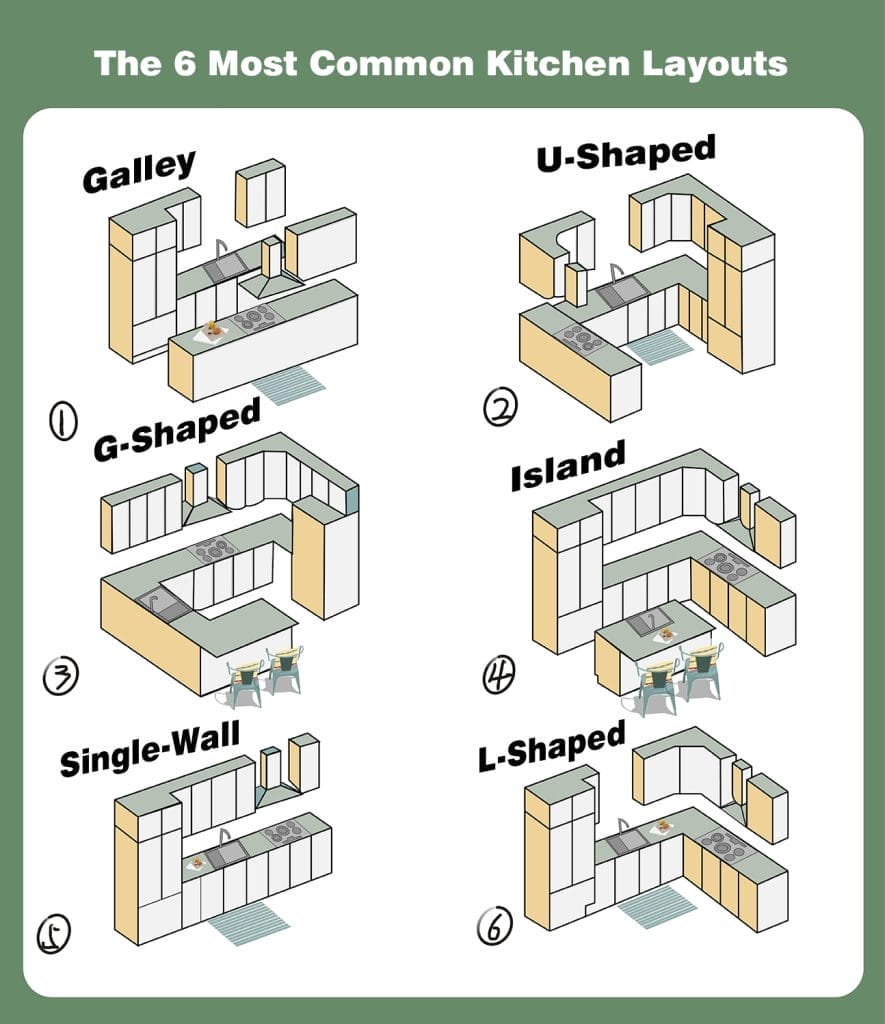
Your layout defines how effectively your kitchen functions.
- U-shaped layout: Best for families who cook frequently and need storage.
- L-shaped layout: Great for small open-plan homes; can include a small island.
- Galley layout: Perfect for compact spaces; use light tones to visually widen it.
Each layout has unique benefits — the key is matching the design to your lifestyle.
9. Maintenance and Upkeep Tips
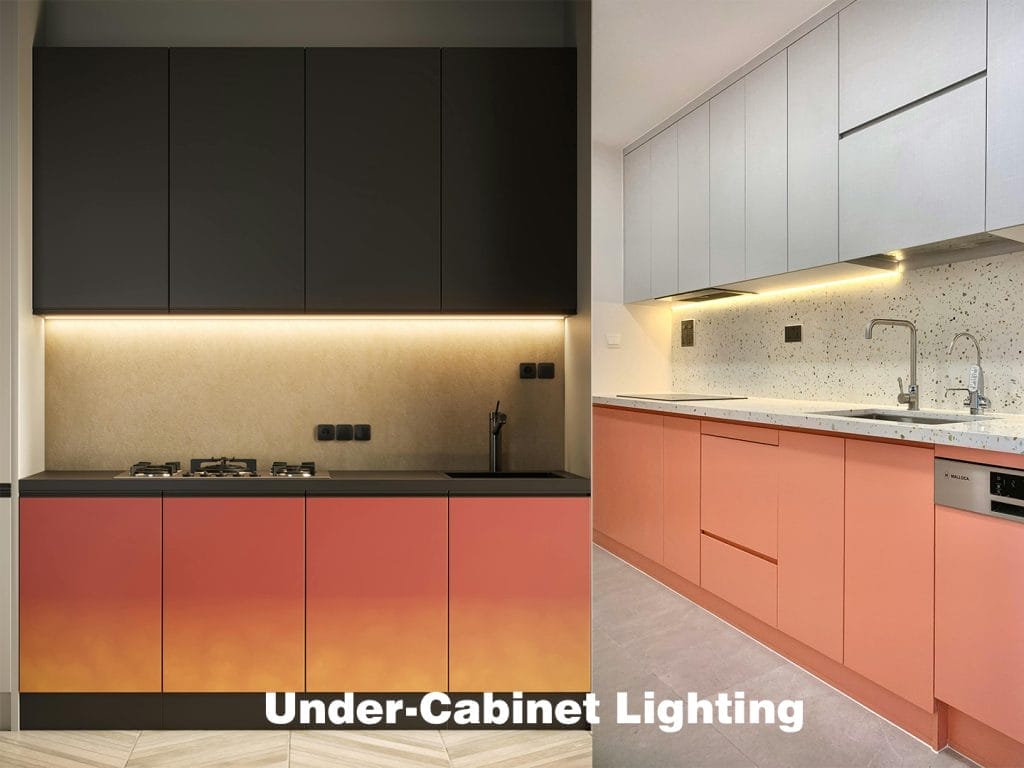
Keeping your cabinets in top shape is simple with the right habits.
- Wipe hinges and drawer tracks regularly.
- Use gentle cleaners to protect the finish.
- Add LED under-cabinet lights for better visibility and ambiance.
Well-maintained cabinets not only look beautiful but also last for decades.
10. Final Thoughts and Next Steps
A small kitchen doesn’t mean small potential. With thoughtful cabinet design, smart color choices, and multifunctional layouts, you can turn a tight space into a bright, organized, and welcoming heart of the home.
Ready to start your kitchen transformation?
- Measure your current space and sketch your dream layout.
- Browse our inspiration gallery: VIEW OUR GALLERY →
- Explore RTA Kitchen Cabinets for affordable, customizable options.
- Or request a free design quote today — and let’s bring your small kitchen vision to life.
Before you begin, check out the latest kitchen cabinet design trends for 2025 to spark fresh ideas.
Or request a free design quote today — and let’s bring your small kitchen vision to life.
FAQ
Q1: What color cabinets make a small kitchen look bigger?
Light shades like white, cream, or soft gray reflect light and make the kitchen feel open.
Q2: How can I organize my small kitchen cabinets efficiently?
Use pull-outs, vertical dividers, and lazy susans to maximize functionality.
Q3: What’s the best layout for a small kitchen?
L-shaped or galley layouts usually provide the best balance between storage and accessibility.


About author

Related posts

Picture this. You are preparing a romantic dinner at home. The vegetables are in the refrigerator on one side of the kitchen. The cutting board... Continue reading

A kitchen is more than a place to cook. It is where everyday life happens. It is where coffee is made in the morning, meals... Continue reading

Have you ever opened a cabinet and couldn’t find what you needed—only to end up pulling everything out just to reach one item in the... Continue reading

Remodeling a kitchen can feel overwhelming.There are so many decisions, and honestly, it’s easy to get something wrong that you’ll regret later. But if you... Continue reading
If you’re planning a kitchen, you might be wondering:“Do I really need more drawers… or are shelves and pull-outs enough?” After years of working with... Continue reading





Add comment