No products in the cart.
Return To Shop or
or  ,
,



Are Taller Kitchen Cabinets Better?
If you’re planning to update your kitchen cabinets, you may have heard the suggestion: “Go all the way to the ceiling — taller cabinets are better!” But is that always true for your kitchen — your space, your budget, your style, your daily life? As a kitchen designer, I want to help you see both sides of that advice. We’ll cover what “taller” means, the upsides and trade-offs, how it affects style, colour and remodels, and how you can decide wisely for your home.
Table of Contents
What Do We Mean by “Taller” Cabinets?

In many American kitchens, standard upper cabinets are 42″ high (or sometimes 36″) when mounted above the countertop. A “taller” cabinet often means one that extends closer to the ceiling, or that the upper cabinet height is increased (for example 42″ vs 54″ or adding a tall pantry unit). Some kitchens go floor-to-ceiling cabinetry to maximize vertical space.
The effective height you choose depends on your ceiling height (8 ft, 9 ft, 10+ ft), wall condition, venting and lighting or moulding details.
The Advantages of Taller Cabinets
Let’s look at what makes taller cabinets a strong option:
- More storage space. Taller units let you use vertical real-estate that often goes unused, so you can store large items, seasonal pieces or less-used appliances
- Cleaner, more custom look. When cabinets touch the ceiling or reach high, you get a streamlined appearance with fewer “dead gaps” above. This can make a kitchen look more cohesive and high-end.
- Less dust and grease accumulation at the top. Having the gap between the top of the cabinets and the ceiling filled means fewer hidden horizontal surfaces catching crumbs, dust and cooking vapour.
- Potentially increased home value. From a design-and-resale viewpoint, kitchens that “look finished” tend to appeal more. A tall cabinet run can suggest a premium upgrade.
So yes—on many counts, taller cabinets can be better. But—and there’s always a “but”—they’re not automatically the best choice for every space or budget.
The Trade-Offs & Things to Watch
Here are some of the less-glamorous aspects to consider:
- Accessibility. If the upper shelf is very high, someone shorter (or you on a busy cooking day) may struggle with retrieving items unless you add special features (pull-outs, step stool, lower placement of frequent items).
- Cost is higher. Taller or custom-height cabinets typically require more material, more custom sizing and more complex installation—so cost goes up. Especially when comparing wall cabinets vs base cabinets, depth and structural demands matter. For more on that comparison see our article on Are Wall Cabinets Cheaper Than Base Cabinets?
- Proportion and space feel. In a kitchen with low ceiling height (8 ft or less), very tall cabinets may make the space feel “cabinety” or visually heavy—rather than airy. Good design matters.
- Installation/logistics issues. You need proper wall strength, ceiling clearance, possibly special crown moulding or filler strips. Ventilation, lighting and aesthetic transitions (cabinet-top to ceiling) require extra thought.
Style, Colour & Design Advice for “Taller” Cabinets
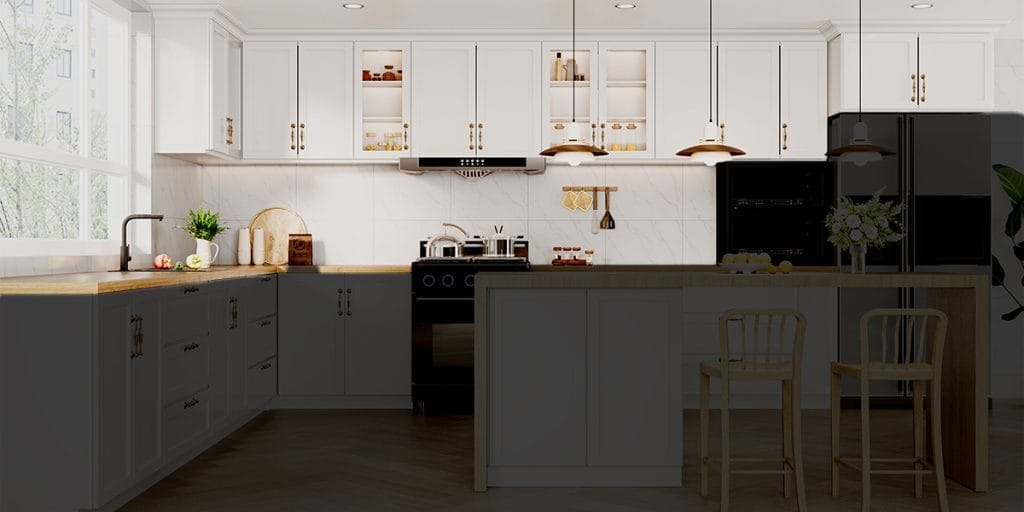
Now, let’s bring style into it—since you’re choosing cabinetry not just for storage, but for how the kitchen looks and feels.
Colour & finish strategies
- If you use taller cabinets, lighter colours (soft white, pale grey, off-white) help maintain an airy feel even with increased height.
- If you favour richer finishes (wood tones, deep greys, navy lowers) and taller upper cabinets, consider balancing with simpler shapes and minimal hardware so the height doesn’t feel overwhelming.
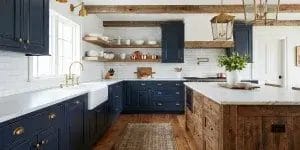
- Two-tone scheme works beautifully: for example, upper cabinets in a light tone stretched up to the ceiling; lower cabinets in a contrasting deeper wood or colour. The “taller” upper helps visually open the room; the lower gives warmth and weight at eye level.
Layout/feature ideas
- Use the tallest upper region for less-used storage (holiday dishes, large platters). Keep everyday items accessible in middle-lower shelves.
- Consider built-in step-out features (pull-down shelves or step stools) if the cabinets go very high and accessibility is a concern.
- If you’re remodeling and using taller cabinets, coordinate the crown moulding, lighting (under-cabinet or over-cabinet LED strips), and backsplash height so everything flows.
- For colour contrast: picture white tall uppers, warm walnut or medium oak lowers, brass hardware—classic, elevated, yet approachable. For inspiration on contemporary cabinet colours, finishes, and layout trends, see our Top Kitchen Cabinet Design Trends — Fall 2025.
Renovation & Retrofit Considerations
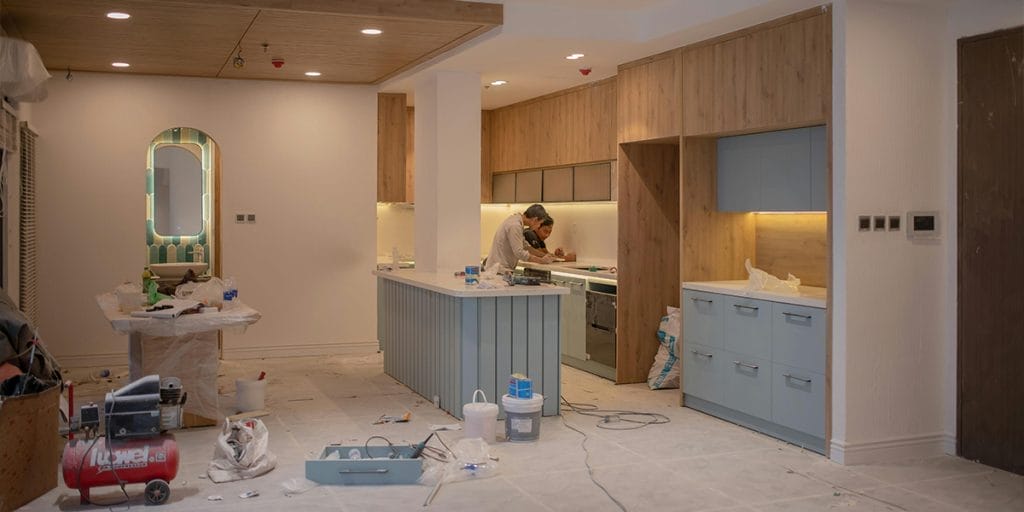
Whether you’re refreshing a kitchen or doing a full remodel, here are practical tips regarding tall cabinets:
Refresh scenario (keeping existing layout)
- If your layout and base cabinets are fine, you might simply extend the uppers or add a tall cabinet section instead of rebuilding all. This gives you “taller” visually for less cost.
- Measure your ceiling height: if you have 8 ft ceilings, going full‐height may not be practical; a 42″ upper plus crown might be enough.
Full remodel scenario
- If your kitchen has 9 ft+ ceilings, taller cabinets are a major upgrade and make sense from both storage and design perspective.
- Budget for extra: tall cabinets often cost more; ensure your cabinet budget includes materials, installation, possibly lighting or moulding finishing.
- If you already have standard height cabinets but want to upgrade to full height, factor in removal/disposal, wall/filler work, possibly relocating vents or lighting.
Budget tip from your big sister
- If budget is limited but you love the tall‐cabinet look, focus spend on upper cabinets reaching higher (for visual impact), and use more standard base cabinets.
- If your budget allows, invest in tall cabinets for both upper and lower runs—but keep lower cabinet finishes or hardware premium to balance cost. For guidance on planning upper vs lower cabinet installation in your remodel, see Do You Install Upper Or Lower Cabinets First?
Final Thoughts & What to Do Next
So—are taller kitchen cabinets better? Often yes, especially if you have the ceiling height, use it wisely, and have the budget to support it. But they aren’t universally “better” in every kitchen.
Here’s your to-do list:
- Measure your kitchen’s ceiling height and wall space.
- Consider how often you access uppermost shelves—will tall cabinets be practical or a burden?
- Compare cost difference between standard height vs taller cabinets for your layout.
- Pick a cabinet colour/finish approach: light tall uppers + contrasting lowers or unified tone.
- If remodeling, budget for the extras (installation, moulding, lighting, filler strips) when choosing tall cabinets.
- Seek advice from your supplier/installer: ask about accessibility features, cost premium for tall/custom heights, and how your wall/ceiling finishing will tie in.
Your kitchen is far more than just cabinets—it’s where you cook, gather, laugh, pause, and nourish your family. Choosing the right cabinet height is about making that space work for your life, not just following a trend. With smart planning, your kitchen can be both beautiful and functional—and yes, the cabinets can rise to the occasion.
Here’s to creating a kitchen you adore every day.


Related posts

Receiving the keys to a new home is an exciting milestone yet it often brings an important and sometimes confusing question. What is the best... Continue reading

The kitchen is far more than a place for cooking meals. In many American homes it has become a central space for daily routines family... Continue reading
Kitchen cabinets play a vital role in both the function and visual identity of a kitchen. Among all cabinet components, cabinet doors are the most... Continue reading

The colors you choose for your home don’t just paint walls—they shape moods, create feelings, and influence how every day unfolds. In 2026, whole home... Continue reading
In modern home renovation projects, custom cabinetry has become a core element in both kitchen and bathroom planning. Choosing the right custom cabinet supplier is... Continue reading









Add comment