No products in the cart.
Return To Shop or
or  ,
,
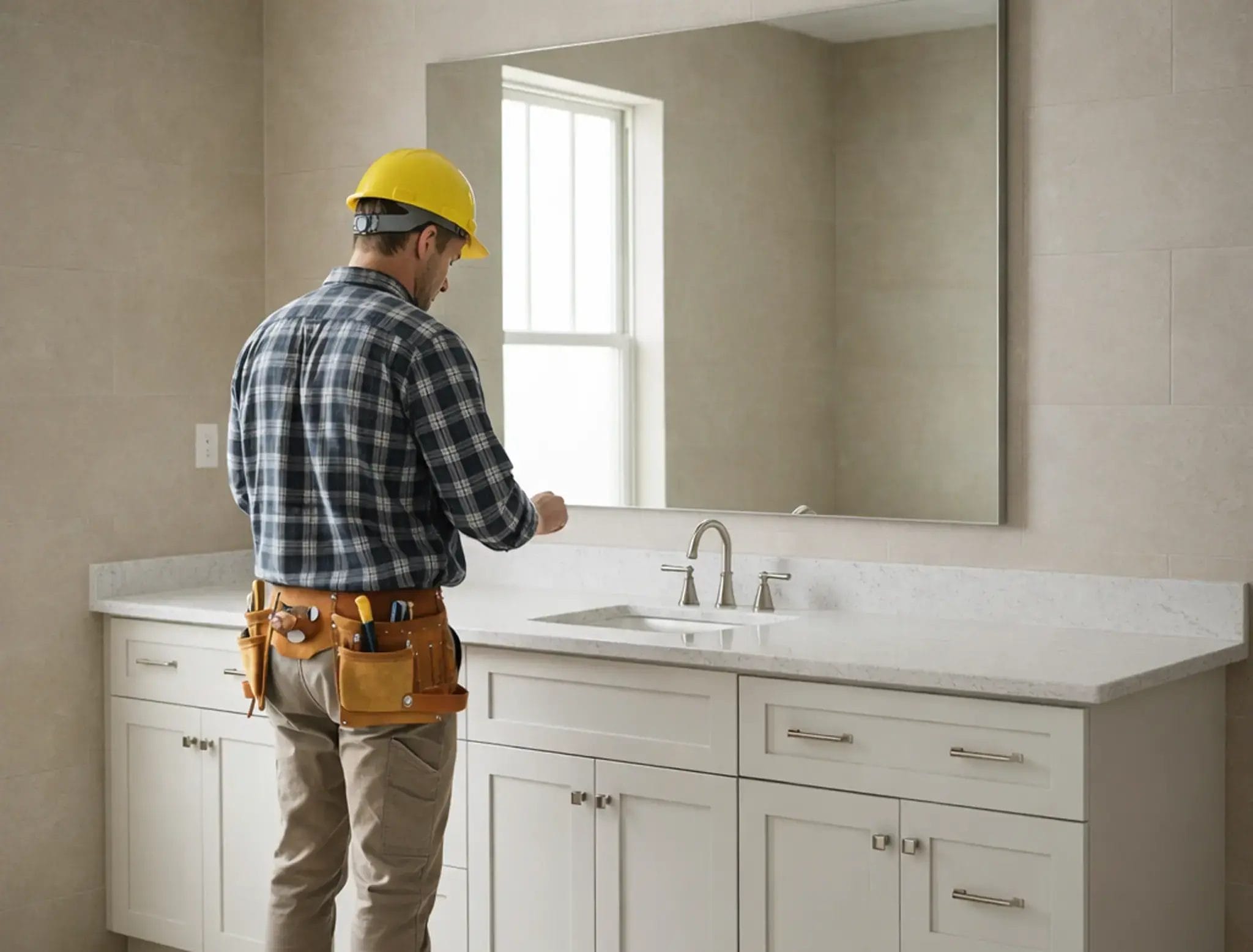



Durable Kitchen Cabinets Made Simple
When you redesign your kitchen, it’s easy to focus on what you see — cabinet doors, finishes, hardware, countertops. But the real work happens behind the scenes: the cabinet box (aka carcass) — the hidden structure that holds up everything. As a kitchen designer with over 20 years of experience, and a mom who’s hauled heavy pots and battled humidity and spills, I can tell you: choosing the right box materials and reinforcement methods can mean the difference between a kitchen that lasts decades and one you have to replace in a few years.
In this article, I’ll walk you through the most common cabinet box materials, their strengths and weaknesses, and practical reinforcement and maintenance tips — so your kitchen doesn’t just look good when it’s new, but stays strong and functional for years to come.
Table of Contents
The Best Cabinet Box Materials — What Really Matters
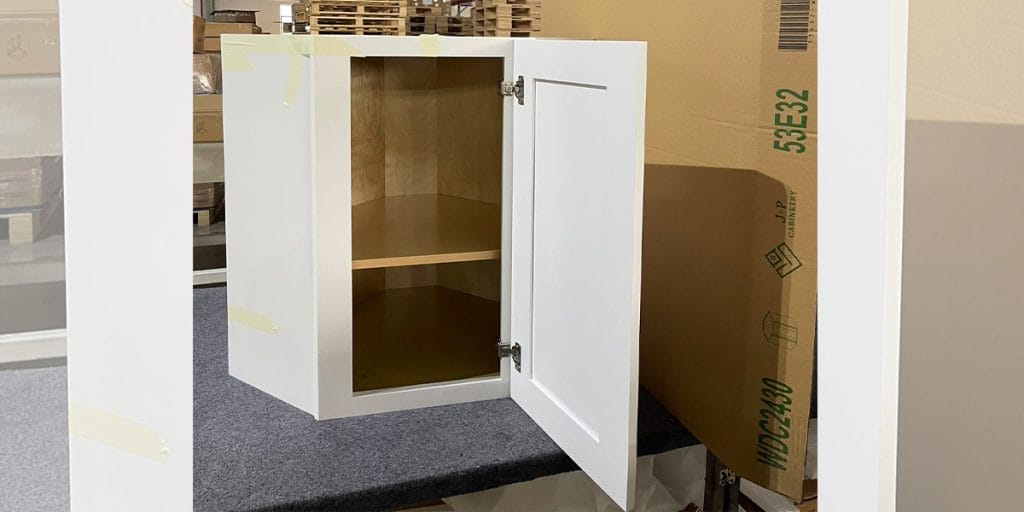
Here’s a comparison of the three most common materials used for cabinet boxes in American kitchens — from heavy-duty to budget-friendly:
| Material | Advantages | Disadvantages / Weaknesses | Best For / Use Cases |
|---|---|---|---|
| Plywood | High strength & structural stability, excellent load-bearing capacity, good moisture resistance, resists sagging or warping over time. | More expensive than MDF or particle board; exposed plywood edges require finishing or edge banding | Base cabinets, sink cabinets, heavy-use kitchens, households needing long-lasting durability |
| MDF (Medium-Density Fiberboard) | Smooth, uniform surface; ideal for painted or laminate finishes; more affordable than plywood | Heavier than plywood; less structural strength; vulnerable to moisture — edges or seams can swell if not sealed properly | Upper cabinets, painted cabinets, lighter-use kitchens (dishes, glassware, dry storage) |
| Particle Board | Lowest cost; lightweight; smooth surface for laminate or thermofoil finishes | Weak load capacity; poor moisture resistance — prone to swelling, warping or fastener failure under heavy load or damp conditions | Budget kitchens, low-use areas (e.g. pantry shelving), temporary / rental kitchens |
Why plywood is often considered the “gold standard.” Because of its cross-layered wood veneer construction, plywood resists bending, splitting, moisture damage, and supports heavy loads — making it ideal for base cabinets, countertops, sinks, or large pantries.
MDF shines when you want a smooth painted surface or precise, consistent interior finish — but only if it’s properly sealed and kept dry. Particle board may seem budget-friendly, but in a kitchen’s high use and humidity environment, its weaknesses often show up fast.
Construction Details That Make Cabinets Last
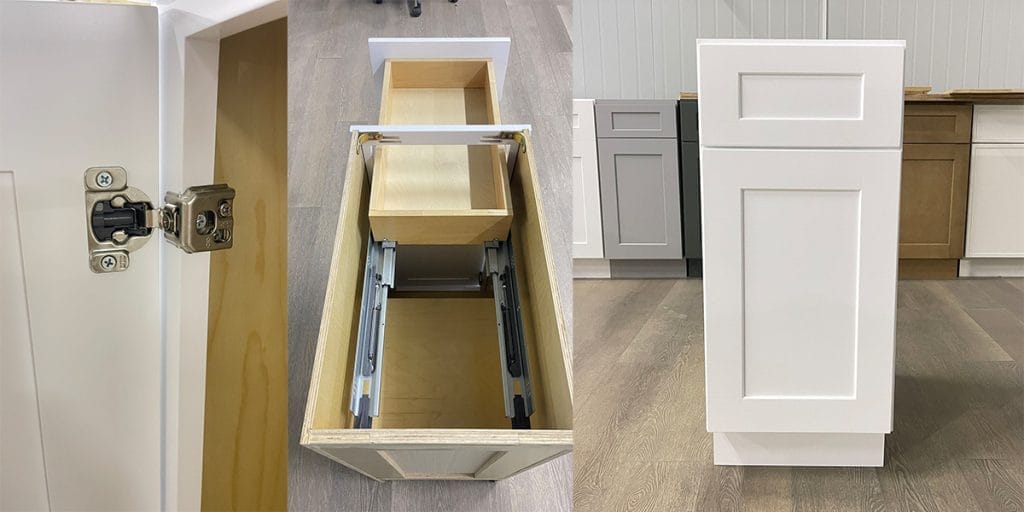
Even with good materials, how the cabinet is built affects its longevity. Here are some essential structural details and reinforcement tips I always recommend — especially for busy kitchens:
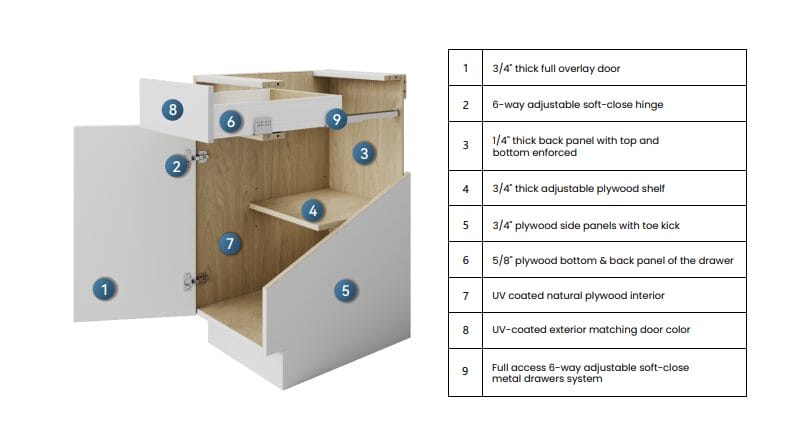
- Use thicker panels or plywood (¾”) for box sides and shelves: thinner panels bend easily under heavy cookware or countertop weight. Good plywood boxes resist sagging and bending.
- Edge banding / sealed edges: For plywood, MDF or particle-board cabinets, properly sealed edges protect against moisture seepage, preventing swelling or delamination. Especially important near sinks or floors.
- Strong joinery and fasteners (screws + glue, not just staples or nails): Cabinets that rely solely on cheap fasteners often loosen over time under stress; screwed and glued joints hold up much better.
- Reinforced back panels / cross-bracing: Adding a sturdy back panel or braces reduces twisting and helps the cabinet stay square, which is critical when holding heavy items or with full-depth shelves.
- Moisture-proof treatment if near water sources: In areas near sinks or dishwashers, choose plywood with waterproof adhesive or moisture-resistant treatments. Avoid untreated particle board.
- Load distribution inside the cabinet: Store heavy pots/pans near the cabinet floor or center, not on top shelves; use pull-out drawers or shelves designed for weight, not flimsy fixed shelves.
My Recommendations for Real American Family Kitchens
From my 20 years designing kitchens and living in them — here’s how I’d recommend you choose box materials and reinforcement depending on your needs:
- For busy kitchens with heavy use (pots, dishes, big cookware, frequent cooking): Go with plywood for base cabinets + good edge sealing + sturdy hardware. This pays off in durability and peace of mind.
- For painted cabinets, upper cabinets or light-use storage: MDF is acceptable — just ensure it’s sealed properly and not exposed to water.
- For budget-conscious remodels or light-use areas (pantries, spare storage, temporary kitchens): Particle board or MDF may do — but accept that lifespan and durability are limited; plan for careful use and avoid moisture contact.
- If budget allows: Invest in plywood at least for base cabinets or anywhere heavy load or moisture is expected. The upfront cost saves replacement or repair later on.
- Always check with your cabinet maker or supplier: Ask what material is used for the box, what thickness, how edges are finished, and how hardware is supported — don’t just choose by the door style or finish.
Simple Care Tips to Make Your Cabinets Last Longer

Even well-built cabinets need care. As a mom who scrubs walls, handles daily meals, and deals with wet dishes and spills, I recommend:
- Wipe up water splashes near sink cabinets immediately — standing water is an easier way to ruin MDF or particle board than heavy pots.
- Use soft-close hinges or dampers — slamming doors/drawers stresses joints and weak boards, especially on particle board.
- Avoid overloading shelves or stacking heavy cookware high — concentrate weight low and close to the cabinet bottom.
- Periodically check screws and hardware: dampness and use can loosen hardware over time — tighten if needed.
- Use liners or mats under sinks / inside bottom cabinets if they store cleaning supplies or are exposed to moisture — extra protection against water damage.
Real Lessons From 20 Years of Kitchen Design
I once designed a beautiful kitchen for a family who chose MDF-based cabinets to save money, including the base and sink cabinet. A year later, after a minor leak under the sink, the bottom shelf started swelling — and the cabinet bowed. They had to replace the entire base box.
On the other hand — my own kitchen, built with ¾” plywood boxes, sealed edges, strong hardware — has survived years of heavy cooking, baking, kids’ messes, and even a small flood from a dishwasher leak — and still works like new.
Honestly, as someone who’s spent many nights scrubbing floors and wiping up spills, I’ll tell you: paying a bit more up front for good materials and proper construction is totally worth it.
Final Thoughts — Build a Kitchen for Real Life
It’s tempting to focus on what you see — door style, paint color, trendy finishes. But the cabinet box is the foundation. Choose it carefully. Go for plywood if you want longevity, load-bearing strength, and moisture resistance. If budget drives you, MDF or particle board can work — but only with realistic expectations and careful maintenance.
Before you order, ask your cabinet maker these questions: What’s the box material? How thick? Are edges sealed? What fasteners are used? And will this hold up long-term under real kitchen life?
Because in the end — a kitchen isn’t just for show. It’s for cooking, cleaning, family dinners, and everyday living. Make sure what’s behind the pretty doors is built to handle it all.


Related posts

Receiving the keys to a new home is an exciting milestone yet it often brings an important and sometimes confusing question. What is the best... Continue reading

The kitchen is far more than a place for cooking meals. In many American homes it has become a central space for daily routines family... Continue reading
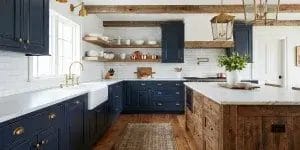
Kitchen cabinets play a vital role in both the function and visual identity of a kitchen. Among all cabinet components, cabinet doors are the most... Continue reading
The colors you choose for your home don’t just paint walls—they shape moods, create feelings, and influence how every day unfolds. In 2026, whole home... Continue reading
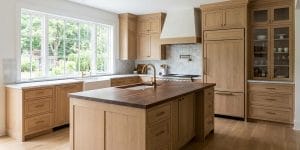
In modern home renovation projects, custom cabinetry has become a core element in both kitchen and bathroom planning. Choosing the right custom cabinet supplier is... Continue reading







Add comment