No products in the cart.
Return To Shop or
or  ,
,
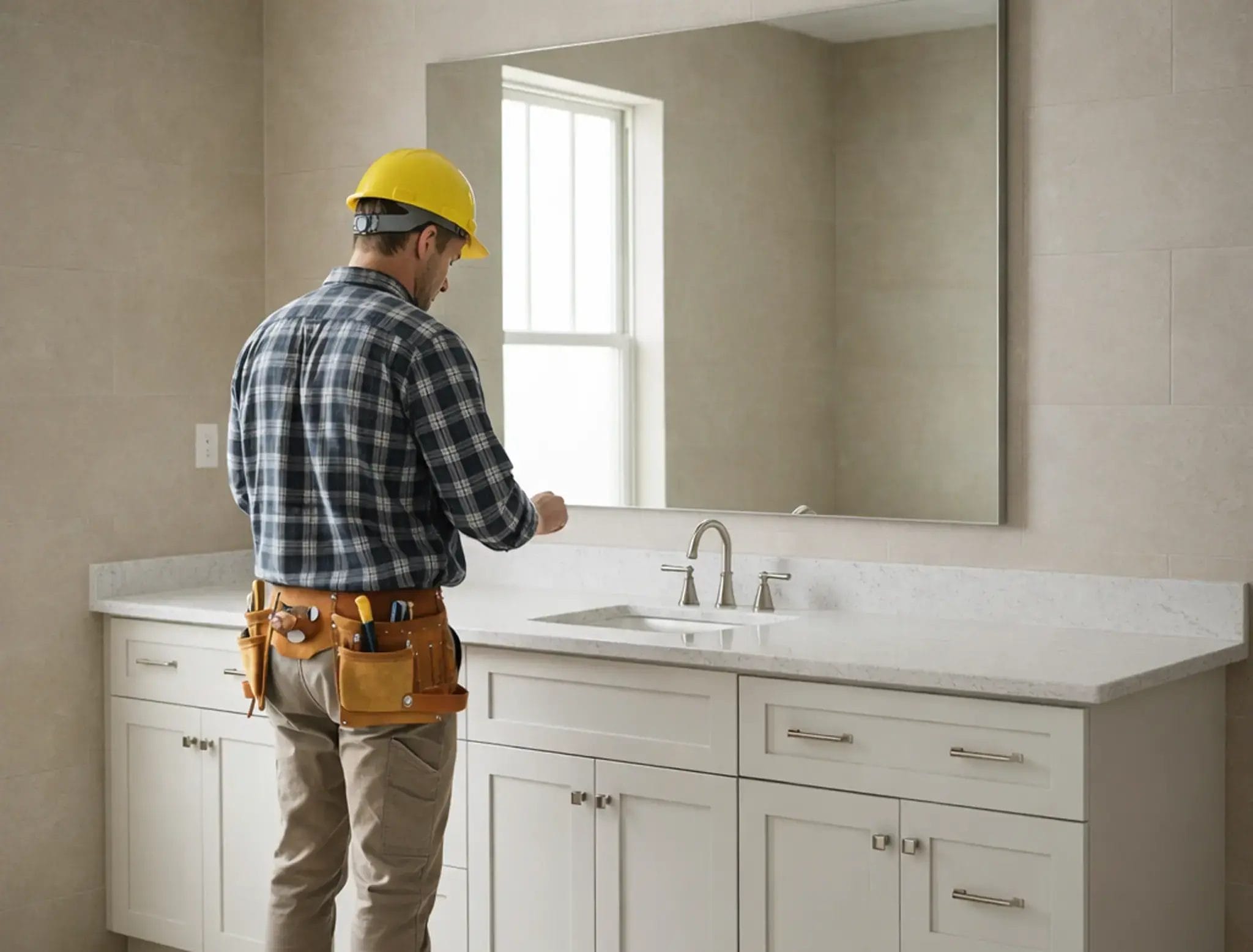



A Practical Guide to Choosing Cabinet Door Materials
Kitchen cabinets play a vital role in both the function and visual identity of a kitchen. Among all cabinet components, cabinet doors are the most visible and most frequently used parts, which means they have a direct impact on daily convenience, maintenance effort, and long term appearance. With a wide variety of cabinet door materials available on the market, many homeowners find it difficult to decide which option best suits their needs.
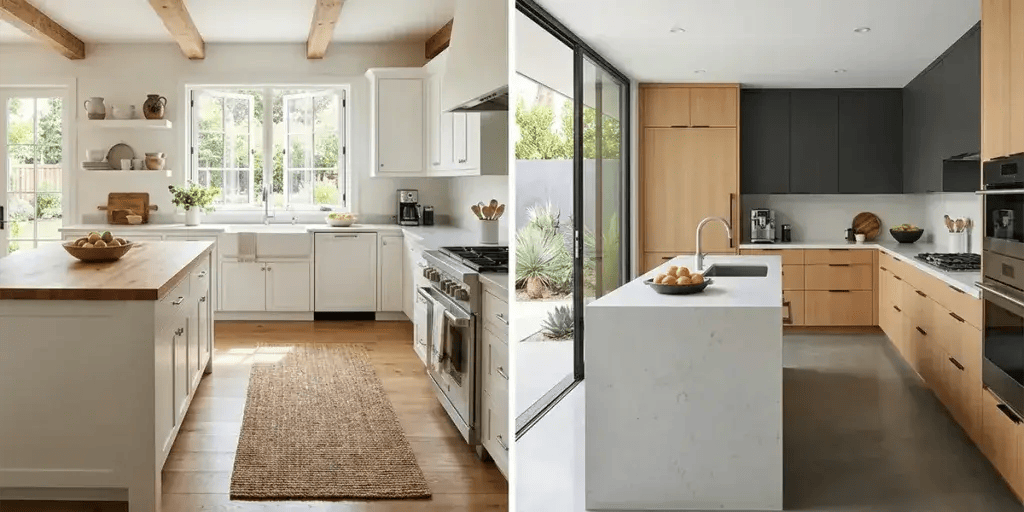
When selecting cabinet doors, it is important to balance aesthetics, durability, maintenance requirements, and budget. Since kitchen cabinets are typically used for many years, choosing the right material from the beginning can prevent unnecessary repairs or replacements later. The following introduces six commonly used cabinet door materials, outlining their characteristics, advantages, and limitations to help homeowners make informed decisions.
Table of Contents
Double Sided Melamine Panels
Double sided melamine panels use particle board as the core material, with decorative melamine surfaces bonded to both sides under high pressure. This process creates a stable and uniform panel with consistent performance.
One of the main advantages of this material is its resistance to wear and daily friction, making it suitable for households with frequent kitchen use. The factory pressed surface ensures consistent color and texture, reducing the risk of deformation over time. However, design options are relatively limited, as melamine panels typically offer fewer decorative styles compared to other materials.
High Pressure Laminate Cabinet Doors
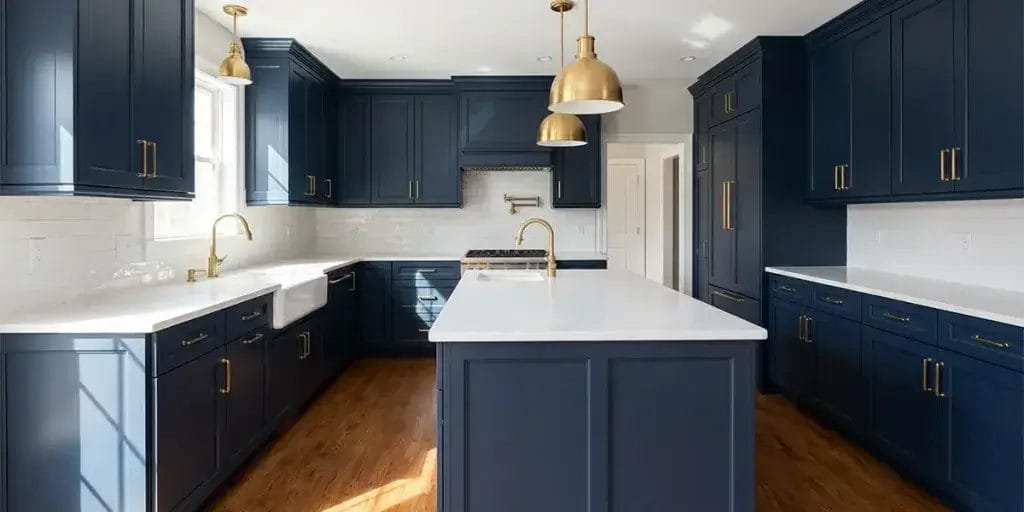
High pressure laminate cabinet doors are constructed using particle board as the base, combined with a durable laminate surface applied through industrial pressing. The edges are sealed using PVC or aluminum materials to enhance protection.
These doors are known for their flat surface, long service life, and strong resistance to heat and moisture. They can tolerate high kitchen temperatures and frequent cleaning, making them a practical option for busy households. On the downside, laminate cabinet doors are usually limited to flat designs and cannot easily support customized shapes or decorative details.
Thermoformed Cabinet Doors
Thermoformed cabinet doors use medium density fiberboard as the core, with a PVC film vacuum formed over the surface in one seamless process. This method allows the creation of various shapes, raised panels, and decorative profiles.
The advantages include good moisture resistance, seamless edges without the need for additional edge banding, and a wide range of color options. These features make thermoformed doors suitable for kitchens and even bathroom cabinets. However, surface durability can vary depending on film quality. Lower grade PVC films may fade, scratch easily, or develop bubbles over time.
Painted Cabinet Doors
Painted cabinet doors are made from fiberboard panels that undergo repeated sanding and coating before being finished with protective layers. The result is a smooth, continuous surface without visible seams.
This type of cabinet door offers excellent water resistance and is easy to clean, making it appealing for modern kitchens. The wide range of color choices also allows for strong design flexibility. However, painted finishes are more sensitive to scratches and impact damage, which may be a concern in high traffic kitchens.
Solid Wood Cabinet Doors
Solid wood cabinet doors typically use hardwood frames combined with solid wood panels or veneered inserts. They are valued for their natural texture, rich appearance, and classic appeal.
While visually impressive, solid wood doors require higher craftsmanship standards and careful environmental control. Changes in humidity and temperature can cause wood expansion or contraction, potentially leading to warping or cracking. Additionally, solid wood cabinets usually come at a higher cost, making them a premium option.
Acrylic Cabinet Doors
Acrylic cabinet doors consist of a painted base layer with an acrylic surface bonded on top, creating a high gloss appearance similar to lacquered finishes.
Although acrylic doors look modern and stylish, they are more sensitive to heat and moisture. Over time, they may discolor, crack, or deform, which limits their suitability for kitchen environments where temperature and humidity fluctuate frequently.
Conclusion
Each cabinet door material has its own strengths and limitations, and there is no single solution that fits every household. Since kitchens are central to daily life, choosing durable and appropriate materials is essential for long term satisfaction. By understanding how each option performs in real use scenarios, homeowners can select cabinet doors that balance appearance, function, and longevity, creating a kitchen that remains practical and visually appealing over time.


Related posts

Receiving the keys to a new home is an exciting milestone yet it often brings an important and sometimes confusing question. What is the best... Continue reading

The kitchen is far more than a place for cooking meals. In many American homes it has become a central space for daily routines family... Continue reading
The colors you choose for your home don’t just paint walls—they shape moods, create feelings, and influence how every day unfolds. In 2026, whole home... Continue reading
In modern home renovation projects, custom cabinetry has become a core element in both kitchen and bathroom planning. Choosing the right custom cabinet supplier is... Continue reading
A laundry room should not exist only as a practical corner of the home. While functionality is essential this space can also reflect personal taste... Continue reading








Add comment