No products in the cart.
Return To Shop or
or  ,
,



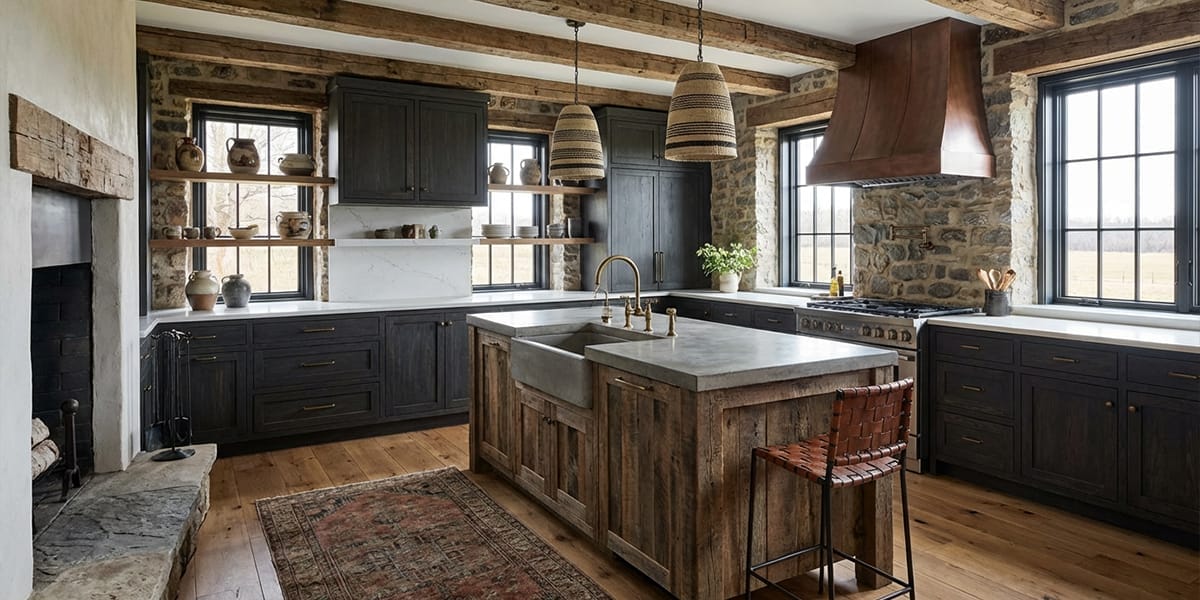
How to Paint Solid Wood Furniture (A Simple Way That Actually Works)
Let me say this first—
Painting solid wood furniture sounds complicated…
but it doesn’t have to be.
If you do it right, you can make an old piece look brand new.
If you rush it, it’ll look like a DIY mistake you’ll regret.
So let’s keep this simple and practical.
Table of Contents
First: Should You Paint It at All?
Before you start, ask yourself:
Paint it if:
- The furniture is still strong and stable
- The surface looks worn, scratched, or outdated
- You want a fresh, modern look
Don’t paint it if:
- It’s high-end natural wood you want to preserve
- The structure is damaged or loose
Sometimes, keeping the natural wood is actually the better choice.
Two Finish Options (Keep It Simple)
1. Natural Look (Best for Solid Wood Lovers)
- Keeps the wood grain visible
- Warmer, more classic feel
Great if your wood already looks good
2. Solid Color Paint (Most Popular)
- Covers imperfections
- Easy to match modern homes
Best option for beginners
Step 1: Prep Is Everything (Don’t Skip This)
This is where most people mess up.
Take your time to:
- Clean off dust and grease
- Sand the surface until it feels smooth
If you skip prep, the paint won’t last. Simple as that.
Step 2: Fix the Surface First
Small dents or holes?
- Use wood filler
- Let it dry
- Sand again
This is what makes the final result look professional.
Step 3: Paint in Thin Layers
This is the biggest mistake people make:
Too much paint at once
Instead:
- Apply thin coats
- Let each layer dry
- Lightly sand between coats
Usually:
- 2–3 coats = good
- More if you want a smoother finish
Step 4: Let It Cure (Not Just Dry)
Paint drying and paint curing are not the same.
- Dry = looks dry
- Cure = actually strong
Give it a few days before heavy use
This one step makes a huge difference in durability.
Oil-Based vs Water-Based Paint (Quick Advice)
Let me simplify this for you:
Water-based paint (best for most homes)
- Safer
- Low odor
- Easier to use
Oil-based paint
- Stronger finish
- But smells and needs more care
For most homeowners in the U.S., water-based is the better choice.
So… Is It Worth Doing Yourself?
Here’s my honest answer:
Yes—if you’re patient and follow the steps
No—if you want a perfect, factory-level finish
For many people, this is a great way to:
- Save money
- Refresh old furniture
- Make your space feel new again
Final Thought
You don’t need to replace every piece of furniture to improve your home.
Sometimes, all it takes is a little time and the right approach.
And when you do it right, it’s surprisingly satisfying.


Related posts

A musty smell in your kitchen cabinets isn’t just unpleasant—it can affect your food, cookware, and even your family’s comfort. Left unchecked, mold can quietly... Continue reading

If you spend any time in your kitchen, you already know this—cabinets get dirty fast. Grease from cooking, fingerprints from daily use, and moisture around... Continue reading

When we think about improving a kitchen or any living space, we often focus on big things—cabinets, countertops, colors. But in real life, it’s the... Continue reading

Cabinet handles may be small, but they’re the touchpoint between you and your kitchen every day. The right handle can make opening drawers and doors... Continue reading

If you’ve ever opened a cabinet and thought,“Why does this feel awkward?” — you’re not imagining it. Cabinet handles might seem like a small detail,but... Continue reading









Add comment