No products in the cart.
Return To Shop or
or  ,
,
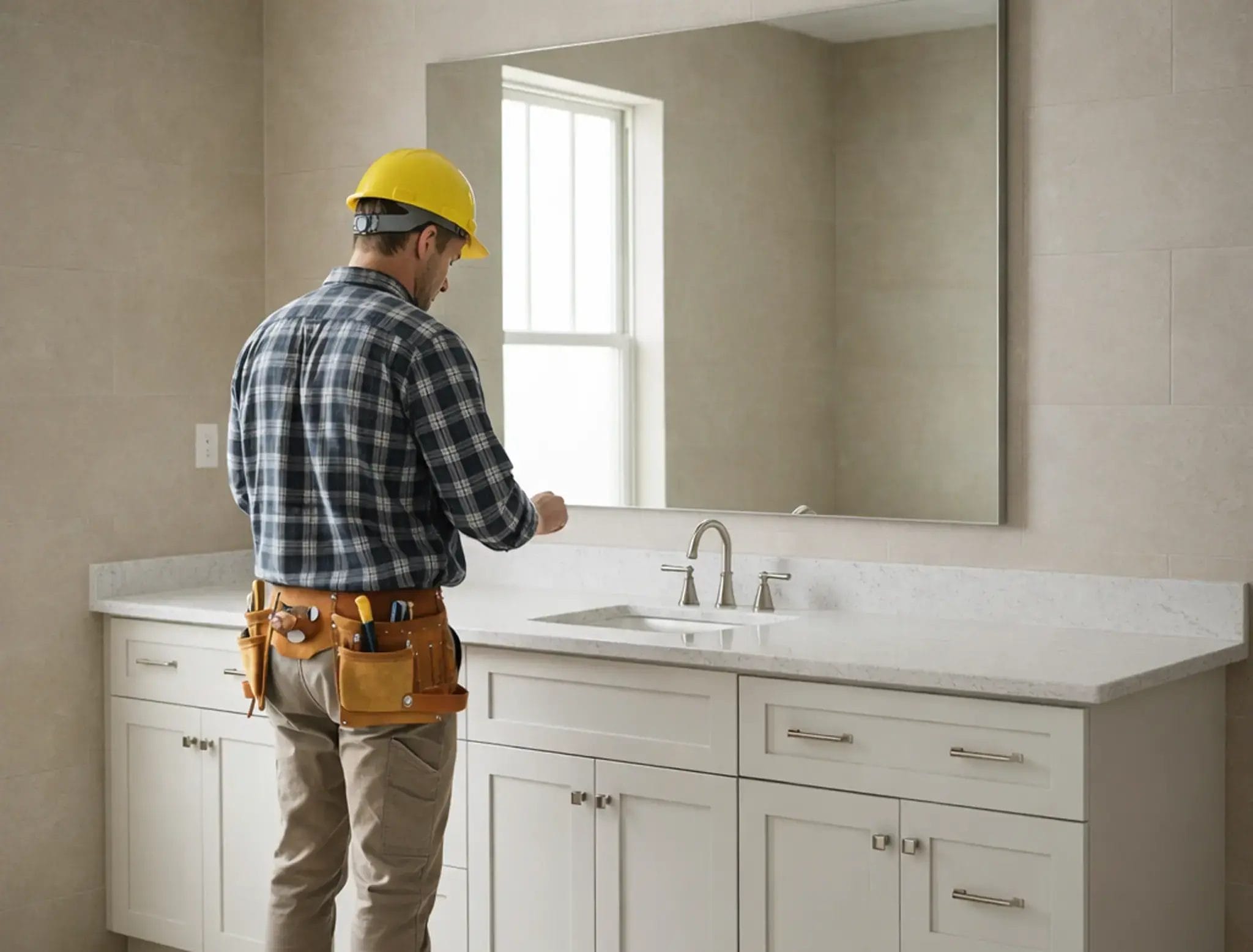


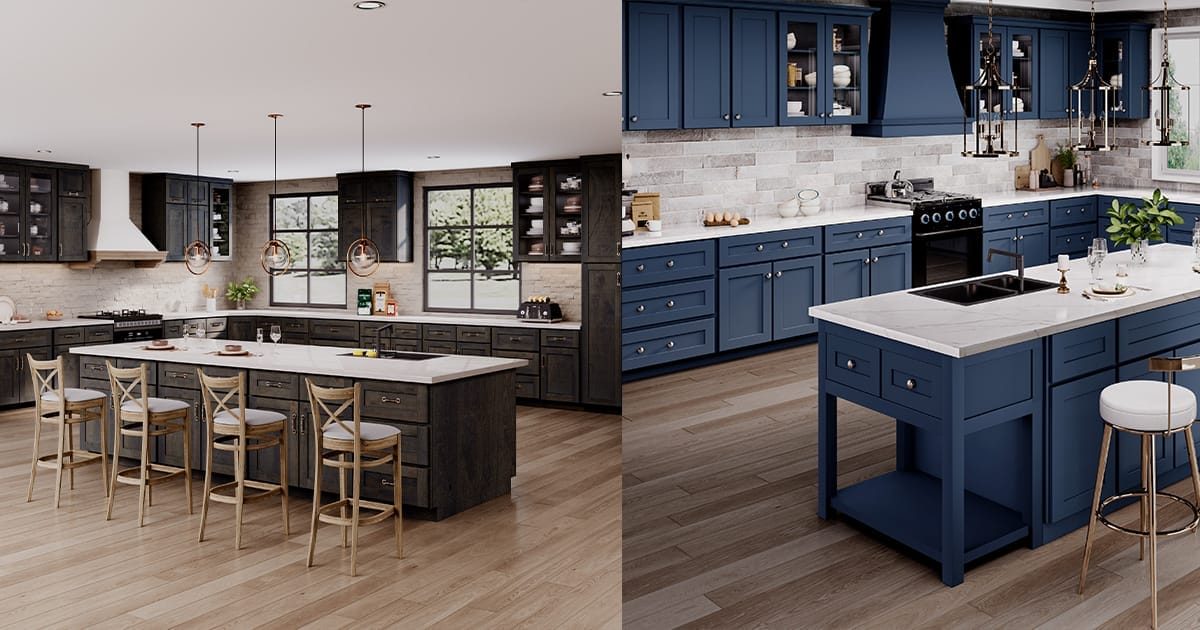
Top Kitchen Cabinet Design Trends — Fall 2025
Fresh, practical guidance for busy households, hands-on DIYers, and design professionals.
Fall 2025 trends favor practical elegance: clean, modern lines paired with warm, tactile materials that stand up to everyday life. Homeowners want kitchens that look contemporary but feel durable — style that actually survives real life.
This season, three priorities drive cabinet choices: function (durability for family life), texture (finishes and details that avoid sterile minimalism), and health & sustainability (low-VOC finishes and responsibly sourced materials). These themes appear consistently across 2025 industry reporting and professional surveys.
Table of Contents
Style spotlight
Modern handleless. Seamless fronts, Gola channels, and push-to-open systems create calm, continuous walls that are easy to clean — ideal for open plans. They need precise installation and tight reveals to look intentional.
Updated Shaker. The classic Shaker silhouette remains a safe resale choice, refreshed with softer profiles, richer stains, and textured veneers.
Color palettes that work for homes and resale
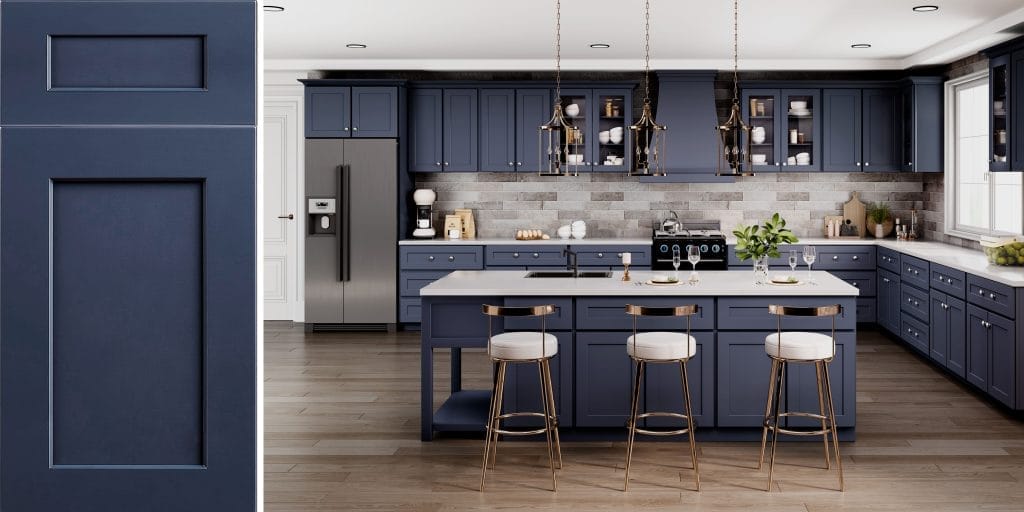
Fall colors lean toward deeper, nature-inspired hues and practical two-tone schemes. Try navy or forest green for islands and lower runs, warm greige or clay for perimeter cabinets, and light uppers to keep smaller rooms bright. Use dark tones on islands or lower cabinets for drama without visually shrinking the space. For a detailed guide on picking the perfect shades for your kitchen, check out
Kitchen Cabinet Colors Guide: How to Choose the Best Color (2025).
Materials and sustainability — what to specify
- FSC or responsibly sourced wood for real-wood faces.
- Low-VOC finishes and documented compliance for composite panels (TSCA Title VI — formaldehyde standard; CARB where applicable). Ask manufacturers for test reports or certificates.
- HPL and quality thermofoil give abrasion resistance and easy cleaning; note that thermofoil can be heat-sensitive near ovens.
Spec tip: use veneer or solid faces for frequent touchpoints (doors and drawer fronts) and engineered cores for cabinet boxes to control cost without losing tactile quality.
Texture and detail
Fluted (reeded) panels, rift-sawn veneers, and subtle matte textures add depth and help hide wear. Fluting has moved from boutique to mainstream — a timely accent for islands or tall panels.
Storage and layout moves that save time
- Open shelving + closed storage: open shelves for display and everyday dishes; doors for pots, small appliances, and pantry items.
- Pull-out pantries & integrated larders: full-height pullouts with drawers, lighting, and internal outlets clear counters and speed prep.
- Drawer organization & appliance garages: designated trays and garages reduce counter clutter.
DIY tip: reinforce floating shelf brackets for heavy loads and use moisture-resistant finishes near sinks and ranges.
Hardware, lighting and performance finishes
- Popular hardware finishes: brushed brass, blackened steel, and warm antique metals.
- Integrated lighting: under-cabinet LEDs, interior pantry lighting, and motion-activated strips boost usability.
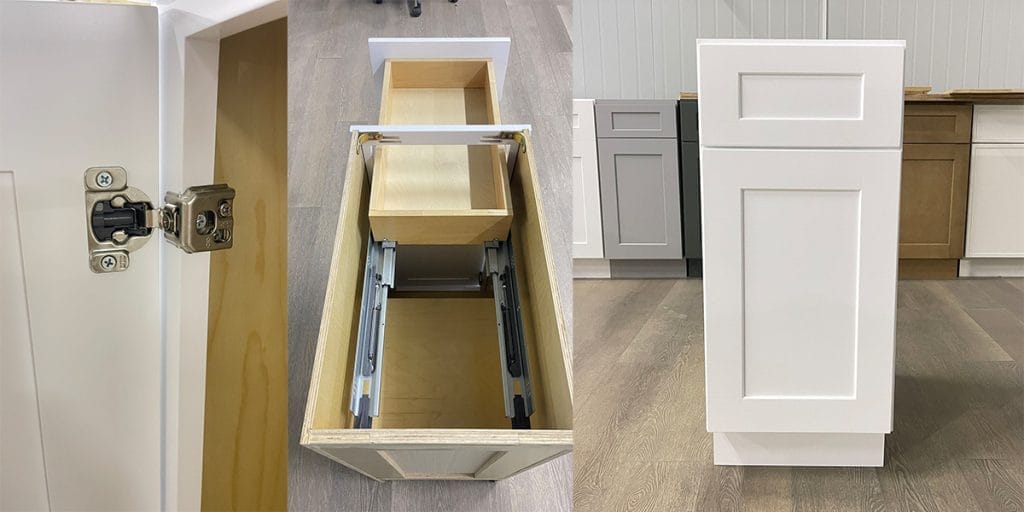
- Performance: choose full-extension steel slides rated for at least 75 lb and soft-close hinges for longevity.
RTA vs. Pre-assembled — tradeoffs for budgets and DIYers
- RTA (Ready-to-Assemble): big savings on materials and shipping; great for confident DIYers. Quality varies — inspect drawer boxes, hinge/slide brands, and warranty terms.
- Pre-assembled: higher cost, faster install, more consistent factory quality.
Quick RTA checklist: request sample panels; prefer plywood drawer boxes over MDF/particleboard; verify named hinge and slide manufacturers; confirm warranty terms; ask for showroom samples or factory photos.
Budget guide and sample pricing (cabinet costs only)
Note: $ per linear foot (LF) ranges below refer to cabinet costs (boxes + doors) only. They exclude countertops, appliances, installation labor, shipping, and taxes. Treat these as typical planning ranges.
Budget allocation — midrange kitchen
- Cabinets: 40–50%
- Countertops: 15–20%
- Appliances: 10–20%
- Hardware & lighting: 5–10%
- Electrical/plumbing & contingencies: 10%
Cabinet cost — $ per linear foot & 20 LF example
| Type | Typical $ / LF | 20 LF example total |
| RTA / Low end | $30 – $100 / LF | $600 – $2,000 |
| Stock / Basic pre-assembled | $100 – $250 / LF | $2,000 – $5,000 |
| Semi-custom | $150 – $500 / LF | $3,000 – $10,000 |
| Custom / High end | $500 – $1,200 / LF | $10,000 – $24,000 |
For a more detailed guide on planning, budgeting, and avoiding common mistakes when remodeling your kitchen cabinets, see the
Ultimate Summer Kitchen Cabinet Remodel Guide — Plan, Budget & Avoid Mistakes.
Installation and acceptance checklist
- Measure twice — verify appliance dimensions and ventilation.
- Inspect cabinet box squareness and reveal consistency before final fastening.
- Test every drawer and door (soft-close, full extension, load test).
- Confirm countertop templating clearances and leave specified expansion gaps.
- Verify integrated lighting and pantry outlets function.
- Take dated photos of any damage and keep supplier warranty documents.
(You can download a one-page printable checklist here — useful to carry to delivery/installation.)
Download PDF: Kitchen Cabinet Installation & Acceptance Checklist (PDF)
Three ready-to-use style palettes
- Coastal Calm: soft white uppers, navy island, brushed nickel hardware, warm oak open shelves.
- Earthy Warmth: clay perimeter, rift-sawn oak island, black pulls, matte countertop.
- Modern Minimal: warm gray overall, handleless doors, integrated appliances, soft under-cabinet LEDs.
Practical action lists
Busy households — this weekend
- Prioritize door/drawer face materials (veneer or HPL) over box materials.
- Fit soft-close hinges and full-extension slides rated for at least 75 lb.
- Choose matte or textured finishes for fingerprint resistance.
- Start a one-page monthly maintenance checklist.
- Keep a small repair kit: finish touch-up pens, spare hinge screws, silicone edge protectors.
DIYers — RTA assembly essentials
- Open and verify all parts and hardware against the packing list; photograph any damage.
- Build and tune drawers first, then assemble carcasses on site.
- Use clamps and blocking for consistent reveals; level runs before final fastening.
- Don’t fix cabinets to an unlevel floor — shim and secure to studs.
- Keep a quality tool kit: drill, level, clamps, torque bit set.
Designers — spec and acceptance priorities
- List exact door face material, veneer direction, and thickness (for example, 1.0 mm oak veneer).
- Specify hinge and slide brand and performance (for example, Blum soft-close, full extension).
- Require TSCA Title VI / CARB / GREENGUARD compliance documentation for composite panels.
- Define tolerances: reveal gap target (for example, 2 mm ± 0.5 mm), door flatness, and finish uniformity.
- Require factory pre-assembly photos and a 7-day on-site post-install check.
FAQ
Are handleless cabinets safe for kids?
Yes. Handleless reduces exposed hardware and, with soft-close, can be safer. Add child locks as needed.
Will dark cabinets make my kitchen feel smaller?
Not if you balance them: use dark tones on islands or lower runs and keep uppers and walls light.
Is RTA durable?
It can be. Prioritize plywood or solid drawer boxes, reputable hardware, and clear warranty terms.
What colors help resale?
Neutral-warm palettes (creams, greige) are the safest. A navy or deep-green island is a tasteful statement when the rest of the kitchen reads neutral.
How to vet an RTA manufacturer?
Ask for sample panels, inspect drawer-box construction, verify hinge/slide brands, request warranty documentation, and check reviews or showroom references.
Fall 2025 favors kitchens with calm silhouettes, tactile materials, and smart storage — practical, resilient, and built to live in.

Related posts
If you’re planning a laundry setup on your balcony, one question matters more than anything else: What kind of cabinet will actually last—and not turn... Continue reading
If you’re planning a kitchen upgrade, installing a new sink might seem like a simple task. I’ve had many homeowners tell me,“It looks easy enough—I’ll... Continue reading
If your kitchen feels tight, cluttered, or just hard to work in—you’re not alone. I’ve worked with plenty of homeowners across the U.S., and honestly,... Continue reading
When planning a bathroom remodel, many homeowners focus on tile, lighting, or paint colors. But after working with bathroom designs for many years, I’ve learned... Continue reading
A wall mounted wine rack is more than just a storage solution. In many homes, it becomes a subtle design feature that adds personality and... Continue reading




Add comment