No products in the cart.
Return To Shop or
or  ,
,


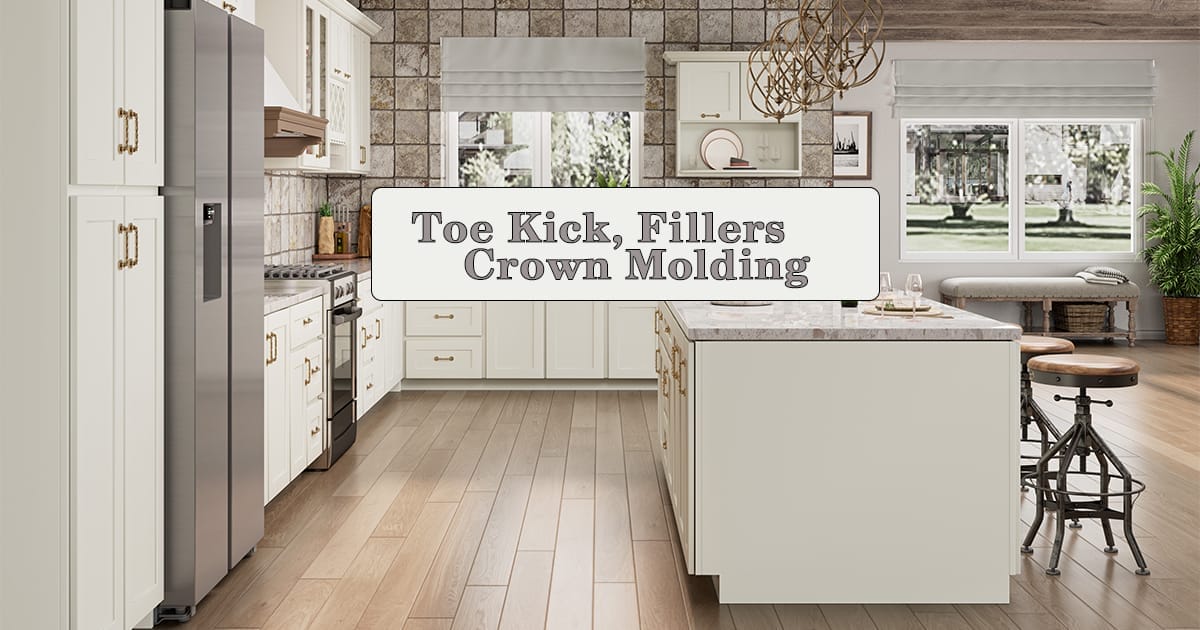
Toe Kick, Fillers & Crown Molding — Why These Cabinet Details Matter
When you plan a kitchen remodel, it’s easy to get excited about cabinet doors, colors, countertops, and hardware. But some of the most important parts — the ones that affect how you live every day — are often overlooked: the toe kick at the bottom of your base cabinets, the fillers between cabinets and walls, and the crown molding on top. As a kitchen designer with two decades of experience — and a mom whose kitchen has seen more mess than miracles — I promise you: how these details are done can make or break your kitchen’s comfort, longevity, and even resale value.
In this article, I’ll walk you through what these components are, why they matter, and how to choose them wisely so your kitchen looks and works like a home — not a showroom.
Table of Contents
1. Toe Kick — Your Feet Will Thank You
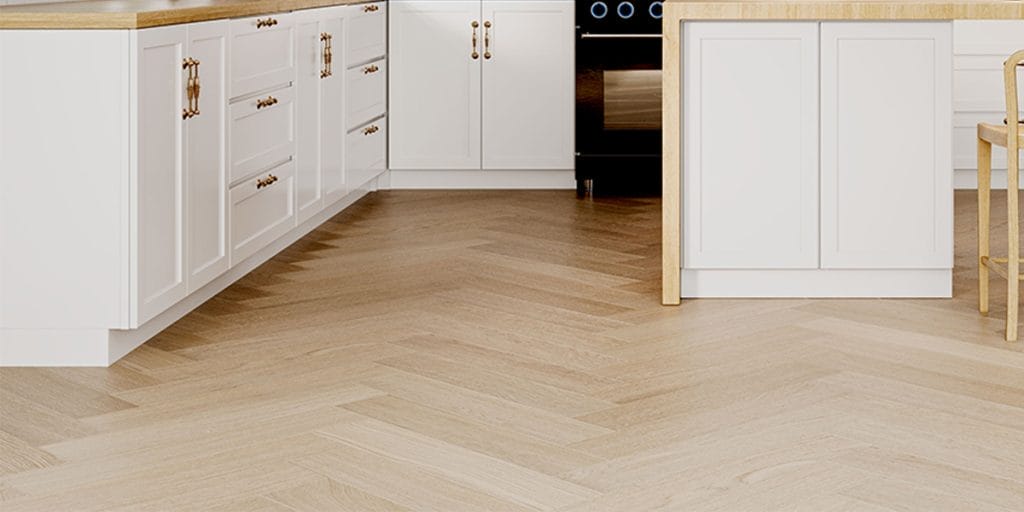
What is a toe kick?
A toe kick (or “kick space”) is the recessed area at the bottom of a base cabinet that lets you stand closer to the countertop without stubbing your toes or leaning awkwardly.
Standard toe kick dimensions in the U.S. are roughly 3–4 inches deep and 3.5–4.5 inches high.
Why Toe Kicks Matter
- Ergonomics & comfort — The recessed space gives your feet room so you can stand close while chopping, washing, or prepping without leaning forward or hurting your back.
- Cabinet protection — The toe kick protects the base of your cabinets from scuffs, water splashes, kicks from vacuums or feet — important if you have kids or pets.
- Clean look & easier cleaning — A toe kick gives a finished, built-in look and helps prevent dirt or crumbs from accumulating in awkward spaces under your cabinets.
Designer-Mom’s Tip: Always make sure there’s a proper toe kick when ordering or installing base cabinets. Without it, daily cooking and cleanup quickly become a backache — and dust + spills hide under the cabinet more easily.
2. Fillers — The Hidden Helpers for Fit & Finish
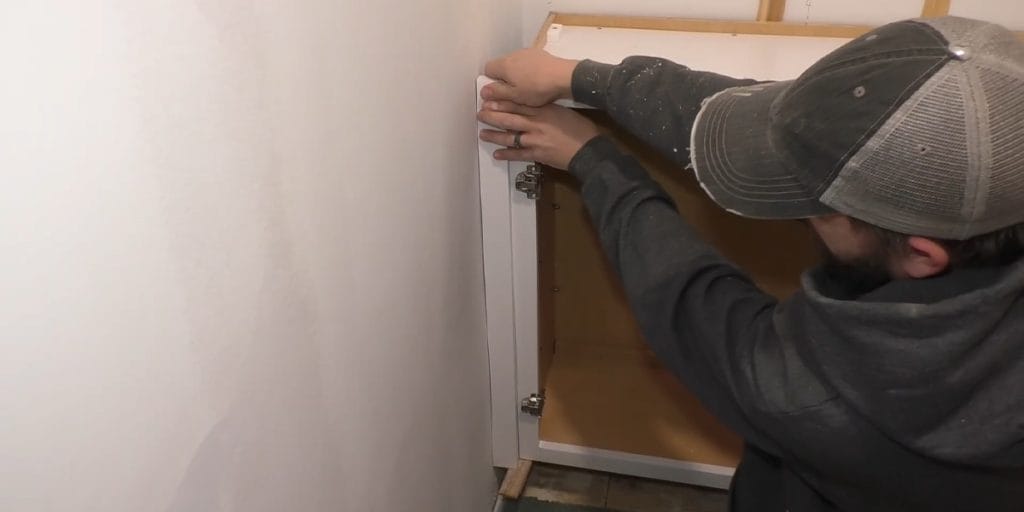
What Are Cabinet Fillers?
Fillers are narrow strips of wood or trim used to fill small gaps between a cabinet and a wall, or between two cabinet runs — where standard cabinet widths don’t match your wall spacing.
They can also be used horizontally as light rail, valance, or riser molding, or vertically to prevent cabinet doors/drawers from rubbing against walls or blocking baseboard heaters and vents.
Why Fillers Matter
- Ensure cabinet doors/drawers function properly — Without fillers, you risk doors hitting the wall, or drawers not opening fully.
- Fix installation imperfections — Many older homes have walls or floors that are slightly out-of-plumb. Fillers and scribe molding help mask uneven gaps so the cabinetry looks custom and fitted.
- Improve overall finish and aesthetics — Gaps give a “just installed” or cheap look. Fillers make cabinetry look built-in, neat, and intentional.
Designer-Mom’s Advice: Always measure cabinet-to-wall and cabinet-to-cabinet distances after floor and wall finishes are done. It’s often these “half-inch gaps” that need a 3″–6″ filler — not an extra cabinet. Fillers are cheap and lifesaving for function + neatness.
3. Crown Molding (Cabinet Molding) — The Finishing Touch

What Is Cabinet Crown Molding?
Crown molding (or “cabinet crown molding”) is decorative trim installed on top of upper cabinetry — or along the top line of a cabinet run — to visually connect cabinets to the ceiling, add architectural detail, and give a built-in, furniture-like finish.
You can find simple crown profiles or more elaborate layered moldings depending on your kitchen style (traditional, farmhouse, classic, or even transitional).
Why Crown Molding Matters
- Visual polish & style — Crown molding turns plain cabinet boxes into furniture-style installations. It elevates the overall kitchen look from “basic” to “designed.”
- Conceals ceiling gaps / uneven finishes — Many homes have minor irregularities where cabinets meet the ceiling or wall; moldings help hide those and create a clean transition.
- Adds perceived value / resale appeal — A kitchen with crown molding feels more custom and high-end, which potential buyers often appreciate.
Designer-Mom’s Note: Crown molding isn’t just for “fancy kitchens.” Even in a modest budget kitchen, adding a simple crown can make a huge visual difference — without much extra cost.
4. Quick Comparison: Toe Kick vs Fillers vs Crown Molding
| Component | Primary Purpose | When It’s Essential | When It’s Optional / Decorative |
|---|---|---|---|
| Toe Kick | Give foot space, ergonomics, cabinet base protection | Any kitchen you stand and work in daily | Furniture-style cabinets where base molding hides recess |
| Fillers / Scribe | Fill gaps, ensure doors/drawers work, mask uneven walls | Older homes, uneven walls/floors, non-standard layouts | Perfect new constructions with exact measurements |
| Crown Molding | Aesthetic finish, ceiling transition, “built-in” look | When you want a polished, complete kitchen aesthetic | Very short ceilings, minimalist/modern kitchens where moldings may feel bulky |
5. Real-Life Tips from a 20-Year Kitchen Designer & Mom
- Measure after floors and wall paint are done — I once had a client order cabinets early, but the new tile floor raised the level ¾″. Without fillers and an adjustable toe kick, the cabinets wouldn’t sit flush — a small detail that caused big headaches.
- Use finished toe-kick skins that match cabinet finish — Many stock cabinet lines offer pre-finished toe kick strips. It gives a seamless, built-in look and is worth the small extra cost.
- Don’t skip fillers if walls aren’t perfectly straight — Especially in older houses, walls frequently wobble a bit. A ¾” gap at one end is common. Fillers or flexible scribe molding make the cabinet run look clean and professional.
- Crown molding raises perceived value — For resale or if you care about kitchen aesthetics, a simple crown gives a “finished kitchen” vibe. But pick a profile that matches your style: an ornate crown might feel heavy in a modern kitchen.
- Mind maintenance and cleaning — Toe kicks protect base cabinets from mops, vacuums, spills; fillers help prevent crumbs from sneaking into cracks; crown moldings can collect dust — but decorative shelves or glass uppers can offset that by giving open display space for easier cleaning.
6. Final Thoughts — Details Matter More Than You Think
In kitchen design, it’s tempting to focus only on cabinet doors, colors, hardware, and appliances. But the truth is: toe kicks, fillers, and crown molding are the small details that determine whether your kitchen feels comfortable, livable, and truly finished — or a kitchen you reluctantly tidy up every night.
If you plan a remodel, consider these three questions before ordering cabinets:
- Will I stand at this surface often — do I need a proper toe kick for comfort?
- Are my walls/floors perfectly straight — or will I need fillers to hide gaps?
- Do I care about the overall look and resale value — is crown molding worth the cost?
Answering these will help you avoid regret, save time and money, and design a kitchen that feels right for your family — not just what’s trendy.
After twenty years designing and living in kitchens, I’ve learned: the beauty isn’t just in the doors — it’s in the details.


Related posts

Receiving the keys to a new home is an exciting milestone yet it often brings an important and sometimes confusing question. What is the best... Continue reading

The kitchen is far more than a place for cooking meals. In many American homes it has become a central space for daily routines family... Continue reading
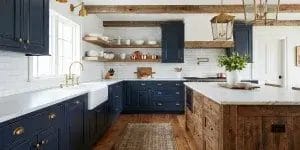
Kitchen cabinets play a vital role in both the function and visual identity of a kitchen. Among all cabinet components, cabinet doors are the most... Continue reading

The colors you choose for your home don’t just paint walls—they shape moods, create feelings, and influence how every day unfolds. In 2026, whole home... Continue reading

In modern home renovation projects, custom cabinetry has become a core element in both kitchen and bathroom planning. Choosing the right custom cabinet supplier is... Continue reading







Add comment