No products in the cart.
Return To Shop.png?sharp=1)



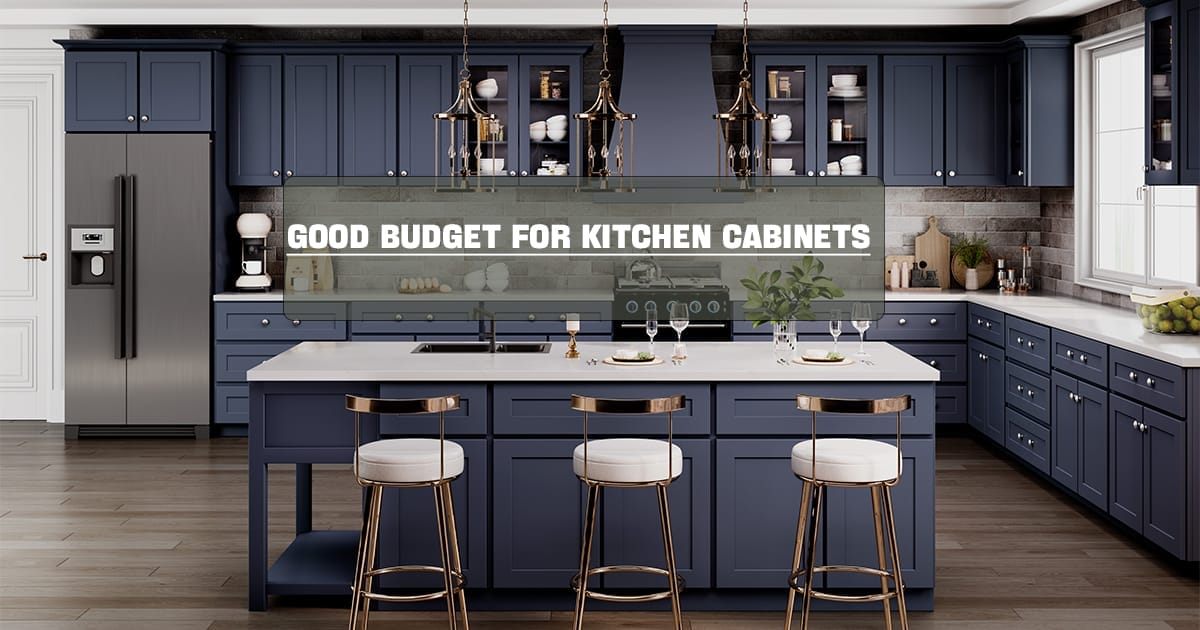
What Is a Good Budget for Kitchen Cabinets?
Last Updated: September 8, 2026
For a standardized 10×10 basic kitchen, current RARA cabinet-package examples start at approximately $2,300 to $2,850 as of August 2026. This benchmark represents about 20 linear feet and includes 11 cabinets plus three accessories. It is a cabinet-package starting price, not a complete installed-kitchen budget.
Your working cabinet budget should also account for any additional fillers, finished panels, trim, storage accessories, shipping, sales tax, cabinet assembly, installation, and site preparation. Larger layouts, islands, tall cabinets, additional drawer bases, and complicated installation conditions can increase the total.
This guide explains how to establish a realistic kitchen cabinet budget, what expenses to include, which upgrades have the greatest effect on price, and where you may be able to reduce costs without overlooking cabinet construction. If you already know your approximate cabinet linear footage, use our kitchen cabinet cost estimator to create a preliminary planning range before requesting an itemized quote.
Table of Contents
What Should Your Kitchen Cabinet Budget Include?
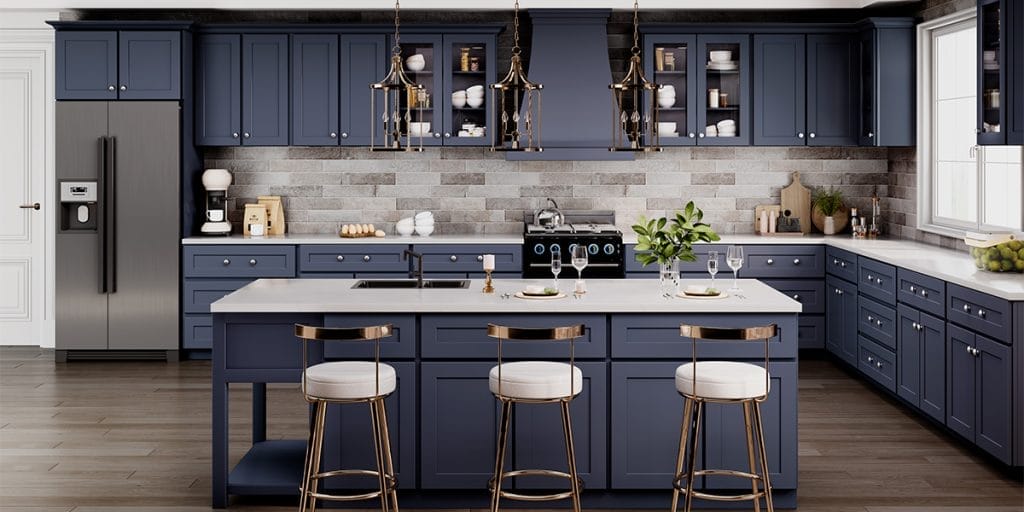
A useful kitchen cabinet budget includes more than the advertised price of the cabinet boxes. Before comparing products or supplier quotes, separate the project into the following five cost categories:
- Cabinet package: Cabinet boxes, doors, drawer fronts, shelves, drawer boxes, hinges, and drawer glides included with the selected cabinet collection.
- Required finishing components: Fillers, finished end panels, toe kicks, cabinet skins, island back panels, trim, and other pieces required to complete the planned layout.
- Hardware and storage accessories: Decorative knobs or pulls, roll-out trays, trash pull-outs, drawer organizers, pantry accessories, and other optional storage upgrades.
- Delivery, assembly, and installation: Shipping charges, cabinet-box assembly, removal of existing cabinets, wall preparation, installation labor, and final door or drawer adjustments.
- Contingency: Additional room for measurement changes, installation adjustments, replacement parts, or project conditions discovered after the old cabinets are removed.
Keep countertops, appliances, plumbing, electrical work, flooring, and backsplash expenses separate from the cabinet budget unless they are specifically included in the same project quote. This distinction prevents the cabinet price from being confused with the total kitchen remodeling cost.
When reviewing different suppliers, compare complete kitchen cabinet quotes based on the same layout, cabinet list, materials, finishing components, delivery services, and installation responsibilities. A lower starting price may not represent a lower final project cost when required items are excluded.
Kitchen Cabinet Budget Ranges for 2026
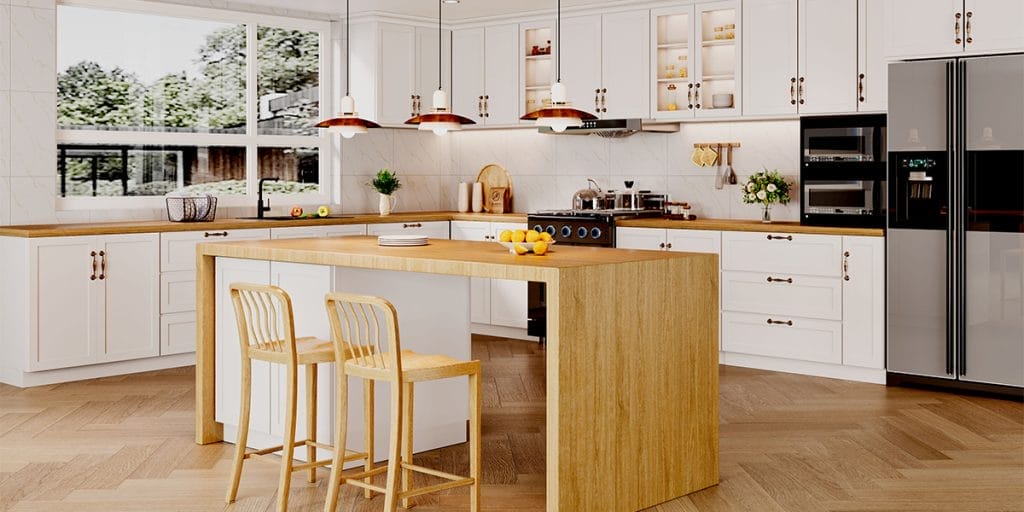
A realistic kitchen cabinet budget depends on the cabinet type, total linear footage, construction, accessories, and installation requirements. For early planning, compare cabinet-only prices separately from installed cabinet costs. The following figures are broad planning ranges rather than final project quotes.
| Cabinet Type | Cabinet-Only Planning Range | Installed Planning Range | Best Suited To |
|---|---|---|---|
| Stock or RTA | $50–$280 per linear foot | $100–$400 per linear foot | Standard sizes, straightforward layouts, and cost-controlled projects |
| Semi-Custom | $75–$550 per linear foot | $150–$700 per linear foot | Projects requiring additional sizes, finishes, and storage choices |
| Custom | $300–$900+ per linear foot | $500–$1,200+ per linear foot | Non-standard dimensions, specialized construction, and highly customized layouts |
Cabinet-only pricing generally covers the selected cabinet package before assembly and installation. An installed planning range accounts for cabinet installation at a broad level, but it should not be treated as the cost of an entire kitchen remodel. Countertops, appliances, demolition, plumbing, electrical work, flooring, backsplash, structural changes, and other site work may still be separate expenses.
A 10×10 basic kitchen is commonly used as a pricing benchmark and represents approximately 20 linear feet of cabinetry. However, multiplying linear footage by an average price provides only a starting point. Drawer bases, tall pantry cabinets, corner cabinets, finished panels, fillers, trim, and storage accessories can cause two kitchens with similar linear footage to have substantially different final prices.
The RARA examples referenced above use a standardized 10×10 cabinet package containing 11 cabinets and three accessories. Your actual cabinet list may require additional components, shipping, assembly, and installation. Review what is included in a 10×10 basic kitchen before comparing package prices from different suppliers.
If you know your approximate cabinet linear footage, use the kitchen cabinet cost estimator to compare preliminary cabinet-only and installed planning ranges. Your final budget should be confirmed with an itemized quote based on the actual layout and cabinet list.
What Affects Your Kitchen Cabinet Budget?
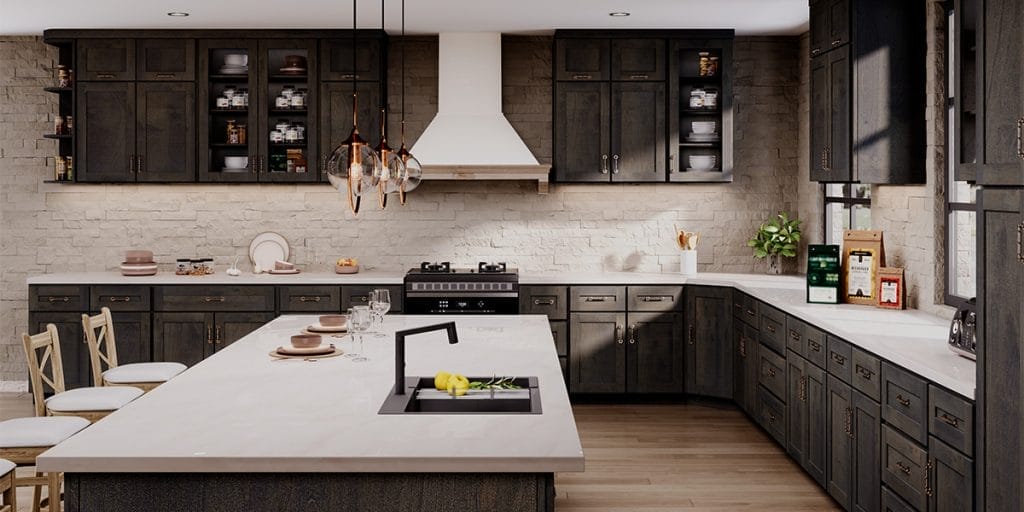
The advertised cabinet price is only one part of the budget. Two kitchens with similar dimensions can have very different final costs because cabinet quantity, configuration, construction, finishing components, delivery method, and installation conditions all affect the total.
1. Cabinet Quantity and Layout Complexity
A simple straight cabinet run generally requires fewer components than a kitchen with an island, corner cabinets, tall pantry cabinets, multiple drawer bases, or cabinets surrounding appliances. Linear footage is useful for early planning, but the actual cabinet list provides a more accurate basis for the budget.
2. Cabinet Construction and Delivery Format
Compare cabinet construction and materials component by component, including the cabinet box, doors, drawer boxes, shelves, hinges, drawer glides, and finish. A broad label such as “wood cabinet” or “plywood construction” does not explain every component included in the cabinet.
RTA kitchen cabinets arrive flat-packed and require assembly before installation. Pre-assembled kitchen cabinets arrive with the cabinet boxes assembled, which reduces on-site assembly work but does not eliminate delivery and installation requirements. Compare the total package and project responsibilities rather than the cabinet price alone.
3. Door Style, Finish, and Design Choices
Door construction, surface finish, decorative details, and color combinations can affect the budget. A project using one standard finish and a consistent door style is generally easier to price than a design requiring multiple finishes, decorative panels, specialty trim, or customized color matching.
A two-tone design does not automatically double the cabinet cost, but it may require cabinets from different collections, additional finished panels, or more complicated ordering and installation coordination.
4. Drawers and Storage Accessories
Drawer bases, pull-out trash cabinets, roll-out trays, Lazy Susan organizers, pantry accessories, spice storage, and drawer organizers can improve functionality, but adding these features throughout the kitchen can increase the cabinet package price.
Prioritize accessories according to daily use. For example, frequently used preparation areas may benefit more from drawers and organizers than secondary storage areas.
5.Fillers, Finished Panels, and Trim
Kitchen cabinet fillers, finished end panels, toe kicks, skins, island back panels, mouldings, and trim may be required to complete the planned layout. These components are easy to overlook when reviewing an advertised starting price, but they should be included when comparing complete cabinet quotes.
The final quantity depends on wall conditions, exposed cabinet sides, appliance clearances, cabinet placement, and the selected design.
6. Shipping, Assembly, Installation, and Site Conditions
Confirm whether the quote includes shipping, cabinet assembly, delivery access, installation, removal of existing cabinets, wall preparation, and final door or drawer adjustments. These services should be separated clearly so you can compare suppliers using the same project scope.
Existing conditions can also change the budget. Uneven walls, damaged surfaces, plumbing or electrical relocation, difficult delivery access, and layout changes may create additional work that is not included in the cabinet package price.
You can control several budget factors by simplifying the layout, limiting decorative upgrades, selecting accessories carefully, and choosing the appropriate delivery format. Site conditions, local labor charges, and unexpected installation adjustments may be less predictable, which is why the budget should include a separate contingency amount.
How to Build a Kitchen Cabinet Budget
Instead of choosing a cabinet budget from a single average price, begin with the maximum amount available for the complete cabinet portion of the project. Then divide that amount among the cabinet package, required finishing components, accessories, shipping, assembly, installation, and contingency.
1. Confirm the Project Scope
Decide whether the project involves replacing every cabinet, adding cabinets to an existing layout, or completing a smaller cabinet refresh. Keeping the existing layout may reduce plumbing, electrical, flooring, and wall-preparation work, while changing the layout can create additional expenses outside the cabinet package.
2. Measure the Space and Create a Cabinet List
Record the length of each planned cabinet run and identify the cabinets required for corners, sinks, appliances, islands, and pantry storage. Use a kitchen cabinet size chart to check common base, wall, tall, and specialty cabinet dimensions.
Do not rely on linear footage alone. A cabinet-by-cabinet list will reveal whether the design requires additional drawer bases, tall cabinets, corner cabinets, finished panels, fillers, or other higher-cost components.
3. Separate Required Items from Optional Upgrades
Required items may include cabinet boxes, doors, shelves, toe kicks, fillers, finished panels, and installation components needed to complete the layout. Optional upgrades may include decorative trim, premium hardware, pull-out organizers, additional drawer bases, specialty storage, and design details that are not essential to installation.
Establish the required project cost first. Add optional upgrades only after confirming that the cabinet package, delivery, and installation remain within the working budget.
4. Compare Quotes Using the Same Scope
Ask each supplier to price the same layout and cabinet list. Confirm whether every quote includes fillers, finished panels, trim, hardware, shipping, assembly, and installation. Comparing only the advertised cabinet price can produce an inaccurate result when one quote excludes required components.
Use our guide to compare kitchen cabinet quotes before selecting a supplier or removing items from the project.
5. Add a Contingency Allowance
Consider reserving approximately 10% to 15% of the cabinet-related budget for measurement adjustments, replacement parts, additional finishing components, or installation conditions discovered during the project. Older homes, major layout changes, and uncertain wall or floor conditions may require a larger allowance.
Avoid using the full available budget for the advertised cabinet package before these additional costs have been identified.
| Budget Category | Planning Amount | Confirmed Cost or Allowance |
|---|---|---|
| Cabinet package | $______ | $______ |
| Required fillers, panels, toe kicks, and trim | $______ | $______ |
| Hardware and storage accessories | $______ | $______ |
| Shipping and delivery | $______ | $______ |
| Cabinet assembly | $______ | $______ |
| Installation and site preparation | $______ | $______ |
| Applicable sales tax | $______ | $______ |
| Subtotal before contingency | $______ | $______ |
| Contingency allowance | $______ | $______ |
| Total working cabinet budget | $______ | $______ |
Working Cabinet Budget = Subtotal Before Contingency + Contingency Allowance
Count each expense only once. If the cabinet package already includes an item or service, do not add that cost again in another row. Include applicable sales tax in the subtotal before calculating contingency. If using a 10%–15% contingency allowance, multiply that subtotal by 0.10–0.15, then add the allowance to determine the total working cabinet budget.
Complete this worksheet before placing an order. If the total exceeds the available budget, adjust optional accessories, decorative features, cabinet configuration, or delivery format before removing components required for a complete installation.
Where to Save and Where to Invest in Kitchen Cabinets
Managing a kitchen cabinet budget does not mean selecting the lowest advertised price. The goal is to reduce spending on optional design features while protecting the construction, components, and services that affect everyday use and final installation.
Where You Can Reduce Costs
Keep the Existing Layout
Keeping the sink, appliances, and main cabinet runs in their current locations may reduce the need for plumbing, electrical, flooring, and wall modifications. A new layout may improve functionality, but the related work should be priced separately from the cabinet package.
Use Standard Cabinet Sizes
Standard base, wall, and tall cabinet sizes are generally easier to plan and compare. Before paying for extensive customization, determine whether fillers, finished panels, or a different combination of standard cabinets can complete the layout correctly.
Limit Decorative Additions
Multiple finishes, extensive mouldings, glass doors, decorative end panels, and custom color matching can increase the project total. Begin with the required cabinet configuration and add decorative features only after the working budget has been confirmed.
Choose Storage Accessories Selectively
Pull-out organizers, drawer inserts, roll-out trays, and specialty storage can improve daily use, but they do not need to be installed in every cabinet. Prioritize the areas used most frequently and leave less important upgrades for a later phase when possible.
Match the Delivery Format to the Project
RTA cabinets may help control the cabinet-package price when you have the tools, time, and ability to manage assembly. Pre-assembled cabinets may be more appropriate when reducing on-site assembly work is more important. Compare shipping, assembly, and installation together before choosing between them.
Where It Is Worth Protecting the Budget
Accurate Measurements and Layout Planning
Incorrect measurements can create costs that were not included in the original cabinet budget. Confirm wall dimensions, ceiling height, appliance openings, plumbing locations, door clearances, corners, and exposed cabinet sides before placing the order.
Cabinet Construction and Daily-Use Components
Compare the cabinet box, shelves, drawer boxes, hinges, drawer glides, door construction, finish, and joinery. Material names alone do not establish the quality or suitability of the complete cabinet.
Required Finishing Components
Do not remove necessary fillers, finished panels, toe kicks, skins, or installation components simply to reduce the displayed quote. Missing finishing pieces can prevent the layout from being completed correctly and may create additional orders, shipping charges, or installation delays.
Installation and Site Preparation
Allow sufficient budget for cabinet leveling, fastening, door and drawer adjustments, and preparation of walls or floors when required. The cabinet package and the installation scope should be reviewed separately so that neither cost is overlooked.
Warranty and Replacement Support
Before ordering, confirm warranty coverage, replacement-part availability, damage-reporting requirements, and the procedure for resolving missing or damaged components. A lower initial quote may provide less value when important products or services are excluded.
The best value is a complete cabinet plan that fits the room, includes the required components, meets your construction priorities, and remains within the total working budget. Compare the complete project cost instead of judging cabinets by the starting price alone.
Turn Your Kitchen Cabinet Budget Into a Plan
A good kitchen cabinet budget covers the complete cabinet project: the selected cabinets, required finishing components, delivery, assembly, installation, applicable taxes, and a contingency allowance. Use the budget worksheet above to check the total before committing to optional upgrades.
To compare available styles and construction, explore our RTA kitchen cabinets and pre-assembled kitchen cabinets. Choose the delivery format that fits your assembly plans, then compare the complete cost using the same layout and cabinet list.
For help turning your budget into a cabinet plan, request a free kitchen design. Share your room measurements, appliance specifications, preferred cabinet style, and spending limit. Explain whether that limit covers cabinets alone or also includes installation and related work, so the design team understands how much is available for your cabinet selection.
Kitchen Cabinet Budget FAQs
How much should I budget for kitchen cabinets?
Start with a quote for your actual cabinet list, then add delivery, assembly, installation, applicable taxes, required finishing components, and contingency. As a starting reference, the selected RARA 10×10 cabinet-package examples in this guide are approximately $2,300–$2,850. These package prices do not represent a complete installed-kitchen budget, and larger or more complex layouts will require a different estimate.
Is $10,000 enough for kitchen cabinets?
It can be, depending on your cabinet list and what the budget must cover. For example, reserving $3,000 for delivery, installation, taxes, required extras, and contingency would leave $7,000 for the cabinet package. This is a budgeting example, not a project quote. Replace those allowances with actual supplier and installer estimates before deciding which cabinets fit your budget.
Does the cabinet price include installation?
Installation is included only when the quote explicitly lists it. An advertised cabinet-package price may exclude assembly, installation, delivery, and site preparation. Pre-assembled cabinets arrive with the boxes assembled, but they still require installation. Ask for these services to be itemized so you can calculate the complete project budget.
How much contingency should I add to my kitchen cabinet budget?
Consider a planning allowance of 10%–15% of the estimated cabinet-related subtotal before contingency. For example, an $8,000 subtotal would require an additional $800–$1,200 reserve. Adjust that allowance after discussing site conditions with your installer. Uncertain wall or floor conditions and major layout changes may require more.
Are RTA cabinets a good choice for a budget kitchen remodel?
RTA cabinets can suit a project when standard cabinet sizes fit the layout and you can manage assembly yourself or arrange reasonably priced help. Compare the cabinet package, shipping, assembly, and installation together. If you hire someone to assemble the cabinets, include that labor before comparing the total with an equivalent pre-assembled option.
Should I replace all my kitchen cabinets at once?
Not necessarily. A partial update may be practical when the existing cabinets are structurally sound and the layout still works. Before ordering, confirm that replacement doors, finishes, dimensions, and hardware are compatible. Compare the full cost of the partial update with replacement, including any countertop removal or repair. Widespread damage or major layout changes may make full replacement more appropriate.


About author

Related posts

Kitchen cabinet quotes can look similar at first but include very different products and services. One quote may include plywood cabinet boxes, finished end panels,... Continue reading

A knee drawer is a specialized vanity cabinet component designed to add storage while creating comfortable open space underneath a bathroom countertop. Knee drawers are... Continue reading

A 33-inch farmhouse sink is a common choice for a 36-inch base cabinet, but it is not a universal rule. The correct fit depends on... Continue reading

A kitchen cabinet filler is a narrow finished strip used to close or manage the space between a cabinet and a wall, appliance, corner, or... Continue reading

Choosing RTA cabinets involves more than comparing door styles or headline prices. You need to evaluate cabinet-box construction, door materials, available sizes, hardware, shipping, assembly,... Continue reading





Add comment