No products in the cart.
Return To Shop.png?sharp=1)


Undermount Sink
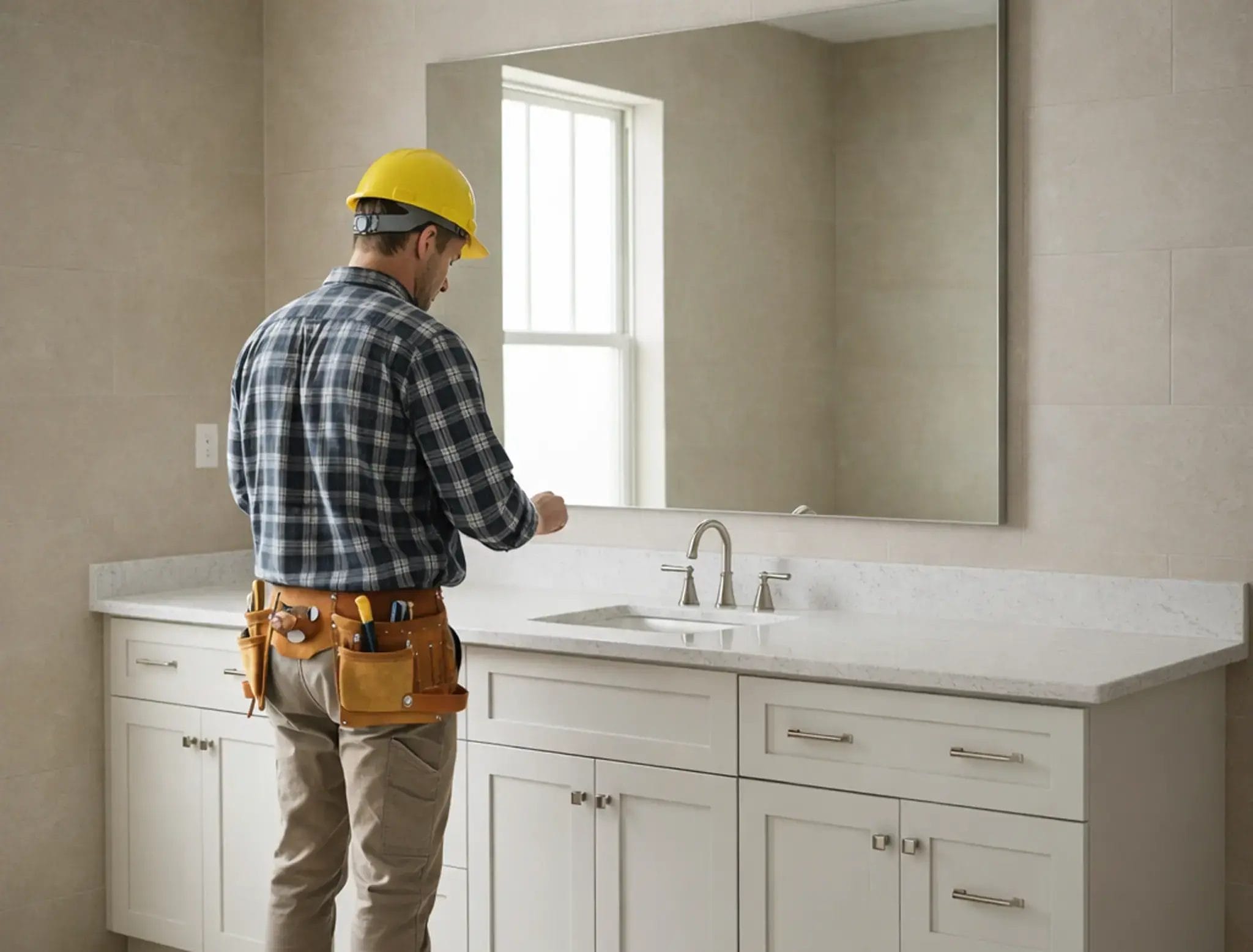
An undermount sink is installed underneath the countertop instead of sitting on top of it. That means there’s no raised edge around the sink, so the surface runs smoothly from the counter straight into the basin. It’s a small detail, but it changes how the whole space looks and feels.
In everyday use, this setup is simply easier to live with. When you’re cleaning up, you can wipe crumbs, water, or food scraps directly into the sink without anything getting stuck along the edge. For busy kitchens, especially in family homes, that convenience adds up quickly. It’s one of the main reasons undermount sinks have become so common in the U.S.
From a design point of view, undermount sinks give a cleaner, more updated look. They pair best with solid surface countertops like quartz or granite, where the cut edge can be finished neatly. You’ll often see this combination in modern kitchens, but it also works well in bathrooms for a more streamlined vanity top.
That said, installation matters more than people expect. Because the sink is mounted below, it needs proper support and a secure bond to the countertop. A well-installed undermount sink should feel solid and stable for years, but poor installation can lead to gaps or movement over time.
If you’re deciding between sink styles, think about how you use your space. If you want something easy to clean, visually simple, and a bit more refined, an undermount sink is usually a safe and practical choice.

About author






Add comment