No products in the cart.
Return To Shop.png?sharp=1)


Bathroom Cabinet Materials: MDF, Wood & More
There is a wide variety of bathroom vanity cabinet materials available on the market today. In addition to well-known options such as solid wood, multi-layer solid wood, stainless steel, aluminum alloy, PVC, and medium density fiberboard, these materials are all commonly used in modern bathroom design. Each material comes with its own advantages and limitations. The real question is which one is truly the best choice for your home and lifestyle.
In this article, six of the most popular bathroom cabinet materials are carefully compared. By understanding their performance in terms of durability, moisture resistance, appearance, cost, and maintenance, you will be better equipped to make a practical and informed decision rather than choosing based on looks alone.
Table of Contents
1. Medium Density Fiberboard (MDF)
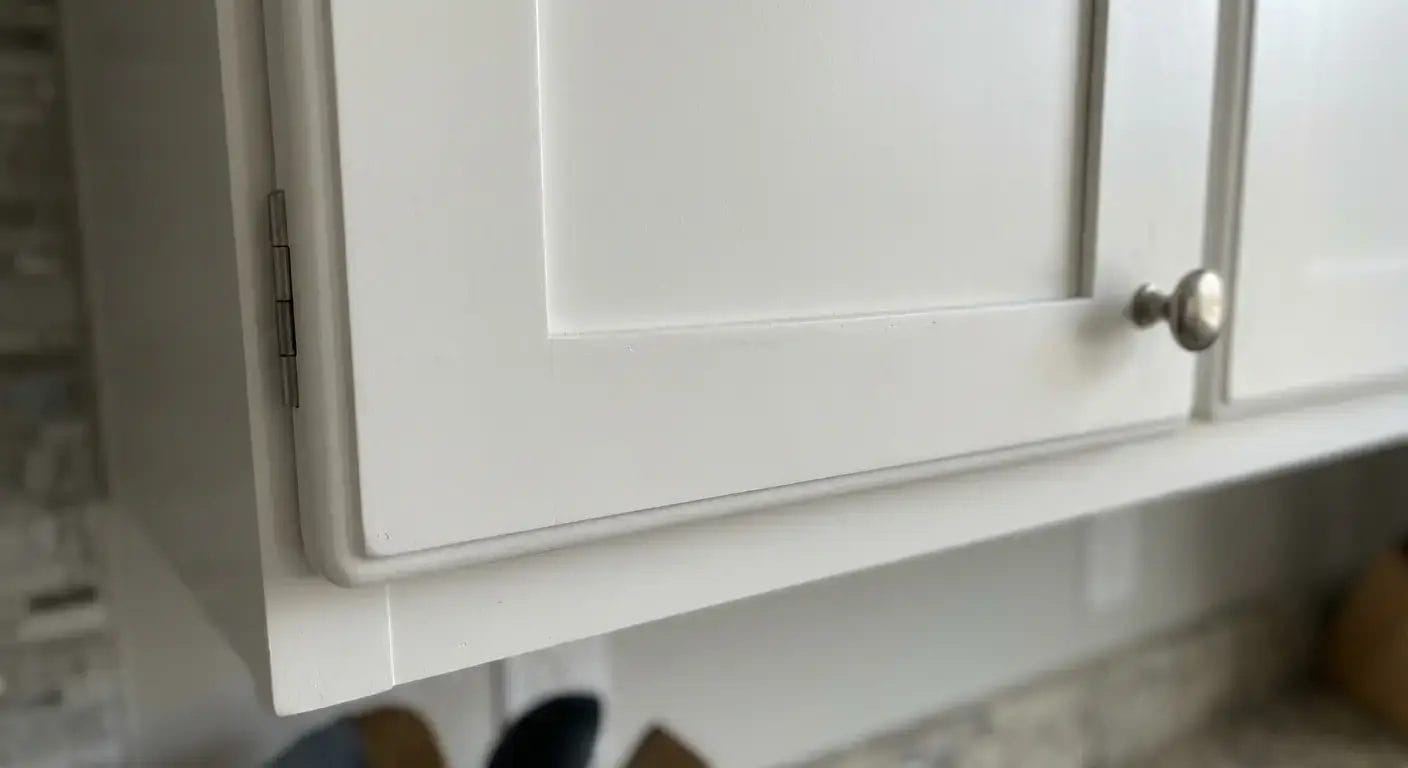
Medium density fiberboard is made by compressing wood fibers with synthetic resins under high pressure.
Advantages:
- Affordable, suitable for tight budgets
- Smooth surface ideal for painting or decorative finishes
- Flexible for shaping, allowing subtle lines and contours
Disadvantages:
- Poor moisture resistance; can swell, deform, or mold over time
- Durability depends on manufacturing quality
- Damage from moisture is often irreversible, shortening lifespan
2. Solid Wood
Solid wood bathroom cabinets are usually made from hardwood such as oak.
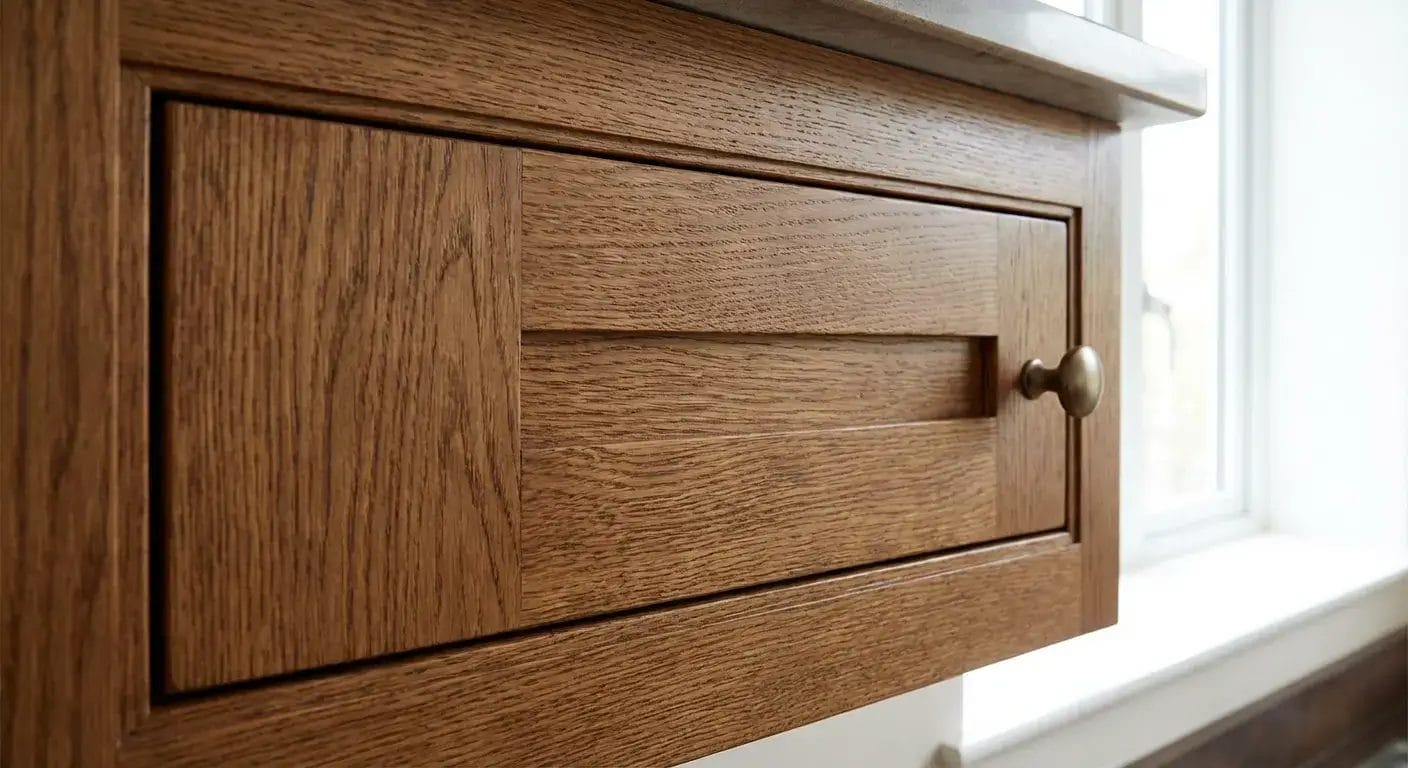
Advantages:
- Environmentally friendly and naturally beautiful
- Excellent toughness and workability
- Wide variety of shapes, textures, and classic designs
- Better wear and decay resistance compared to ordinary wood
- Adds warmth, elegance, and luxury to the bathroom
Disadvantages:
- Expensive
- Not inherently waterproof; prone to dampness, mold, and warping
- Requires proper ventilation, dry/wet separation, and careful maintenance
3. Multi-Layer Solid Wood
Multi-layer solid wood is made by pressing several layers of natural wood veneers.
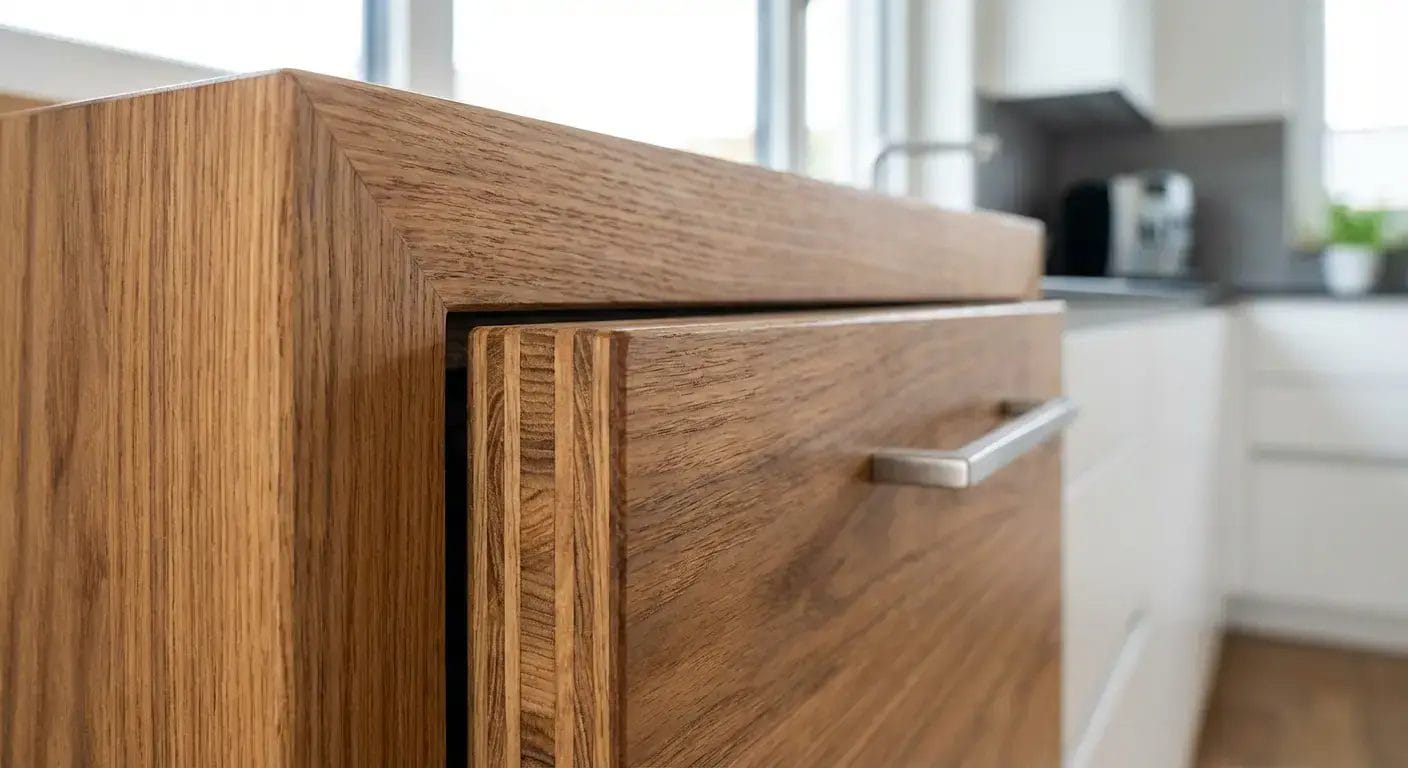
Advantages:
- Retains aesthetic and environmental benefits of solid wood
- More structurally stable, less prone to cracking or deformation
- Flexible for a wide range of styles
- Popular choice among major bathroom brands
Disadvantages:
- Not fully waterproof; mold may develop in damp environments
- High production demands; quality varies widely
- Best used in dry areas
4. Stainless Steel
Stainless steel cabinets are known for excellent corrosion resistance.
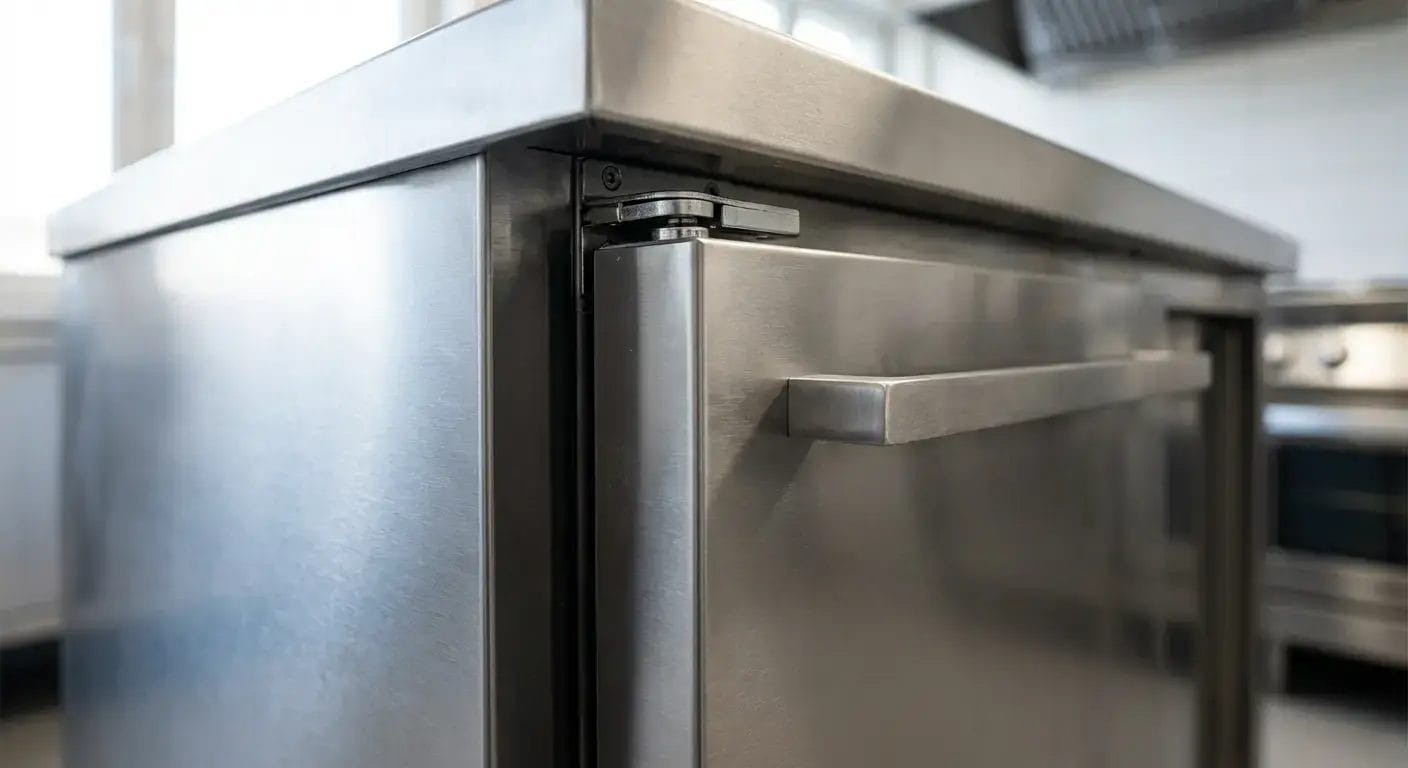
Advantages:
- Strong protection against moisture and mold
- Extremely durable and easy to clean
- Long service life
- Hygienic and suitable for high humidity environments
Disadvantages:
- Sharp edges may pose scratch risks
- Limited color and design options
- Lacks the warm texture of wood
- Can deform under high temperatures
5. Aluminum Alloy
Aluminum alloy shares many advantages with stainless steel.
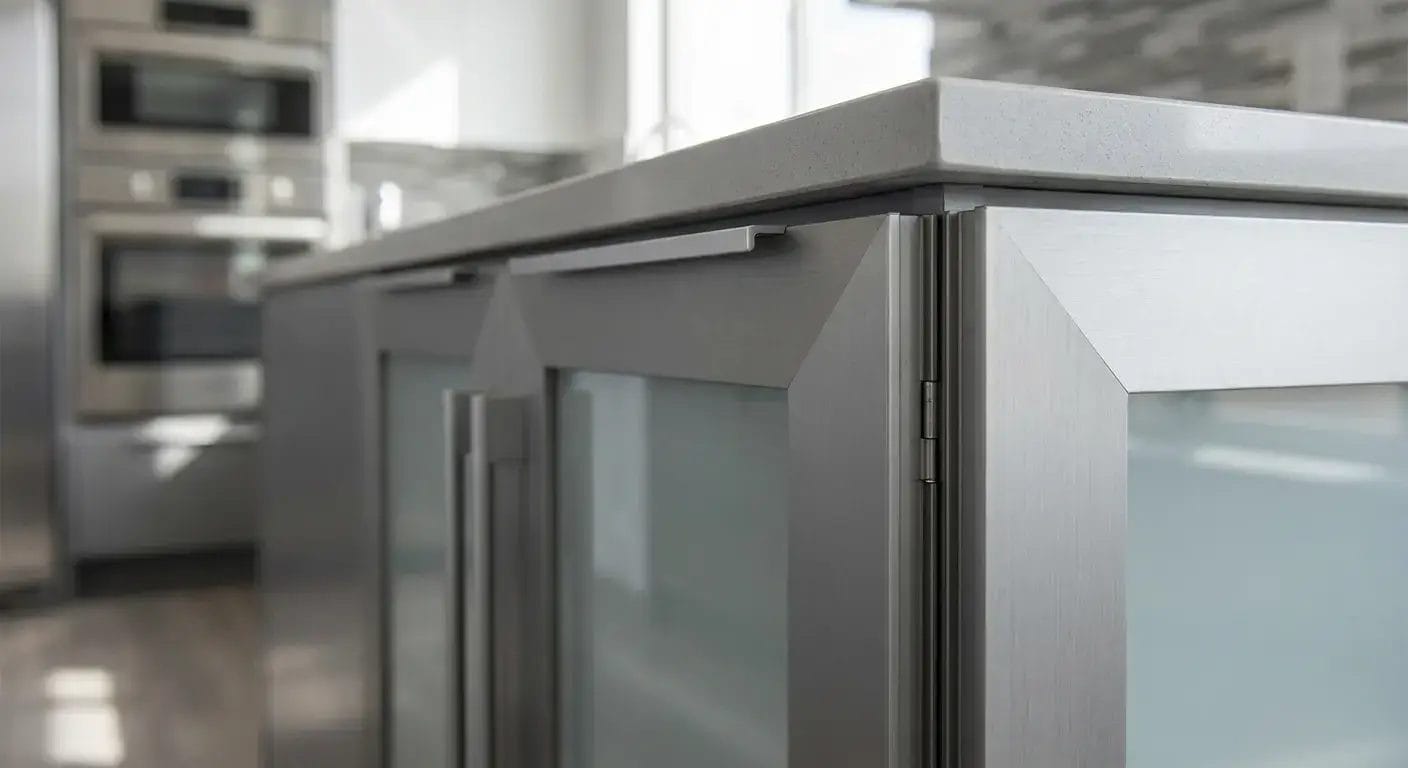
Advantages:
- Strong water and corrosion resistance
- Dimensional stability; does not fade easily
- Durable and smooth surface
- Generally more affordable than stainless steel
Disadvantages:
- Thin appearance, lacks luxury feel
- Limited color options; prone to surface scratches
- Average compressive strength affects long-term durability
6. PVC
PVC bathroom cabinets are among the most budget-friendly options.
Advantages:
- Excellent waterproof performance
- Relatively scratch-resistant
Disadvantages:
- Basic texture and visual appeal
- Inferior durability and corrosion resistance compared to wood or metal
- Lightweight; may require reinforcement for stability
- Environmental concerns
Cabinet Material Recommendations
- Solid Wood: Best for bathrooms with dry/wet separation, prioritizing appearance and natural beauty
- Multi-Layer Solid Wood: Balances cost, performance, and style; versatile choice
- Stainless Steel / Aluminum Alloy: Suitable for bathrooms without dry/wet separation, prioritizing durability and low maintenance
- MDF: Only for tight budgets and consistently dry bathrooms, with awareness of long-term risks
- PVC: Generally not recommended
A thoughtful choice based on real usage conditions will always outperform decisions made purely on appearance.


About author

Related posts

Kitchen cabinet quotes can look similar at first but include very different products and services. One quote may include plywood cabinet boxes, finished end panels,... Continue reading

A knee drawer is a specialized vanity cabinet component designed to add storage while creating comfortable open space underneath a bathroom countertop. Knee drawers are... Continue reading

A 33-inch farmhouse sink is a common choice for a 36-inch base cabinet, but it is not a universal rule. The correct fit depends on... Continue reading

A kitchen cabinet filler is a narrow finished strip used to close or manage the space between a cabinet and a wall, appliance, corner, or... Continue reading

Choosing RTA cabinets involves more than comparing door styles or headline prices. You need to evaluate cabinet-box construction, door materials, available sizes, hardware, shipping, assembly,... Continue reading





Add comment