No products in the cart.
Return To Shop.png?sharp=1)
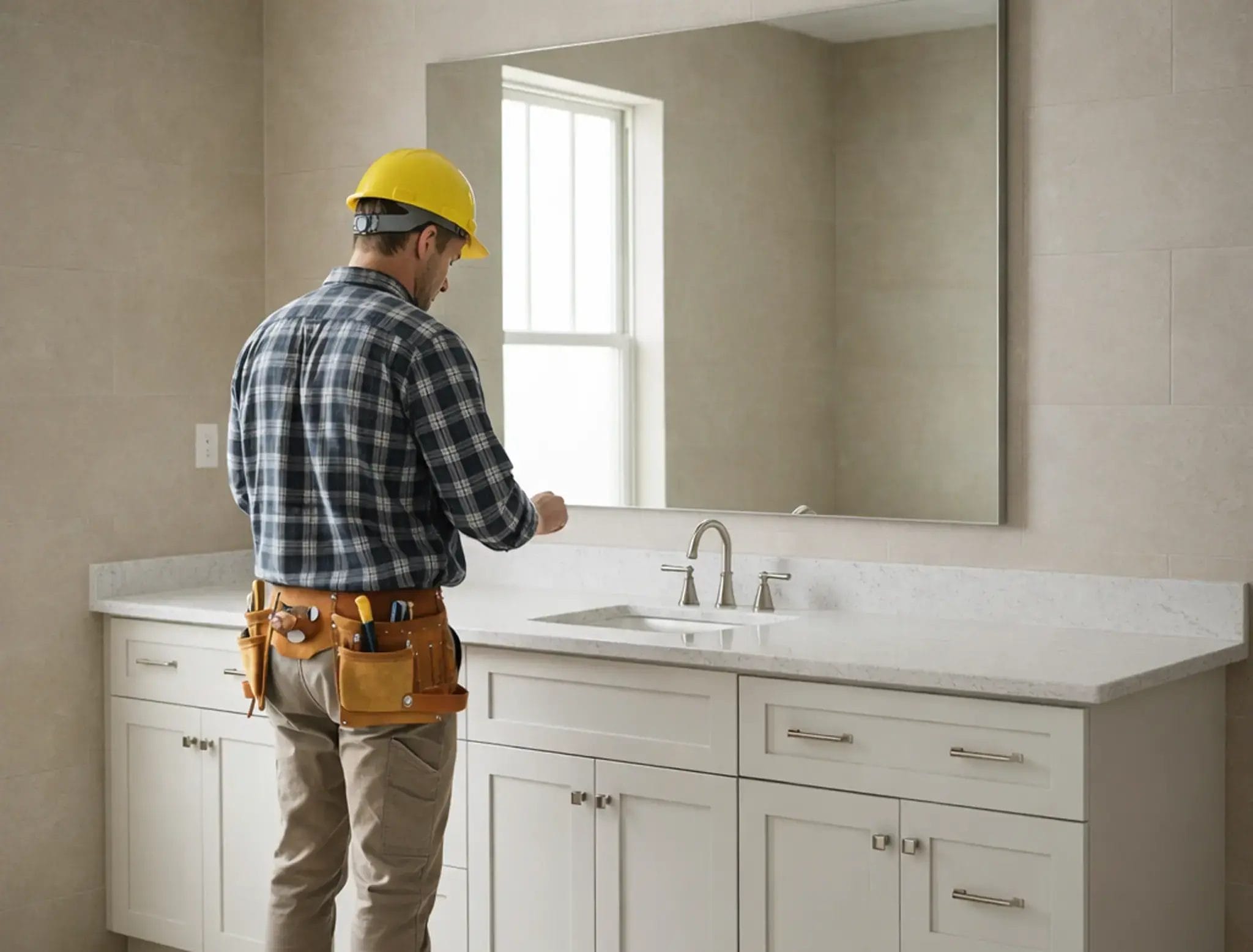


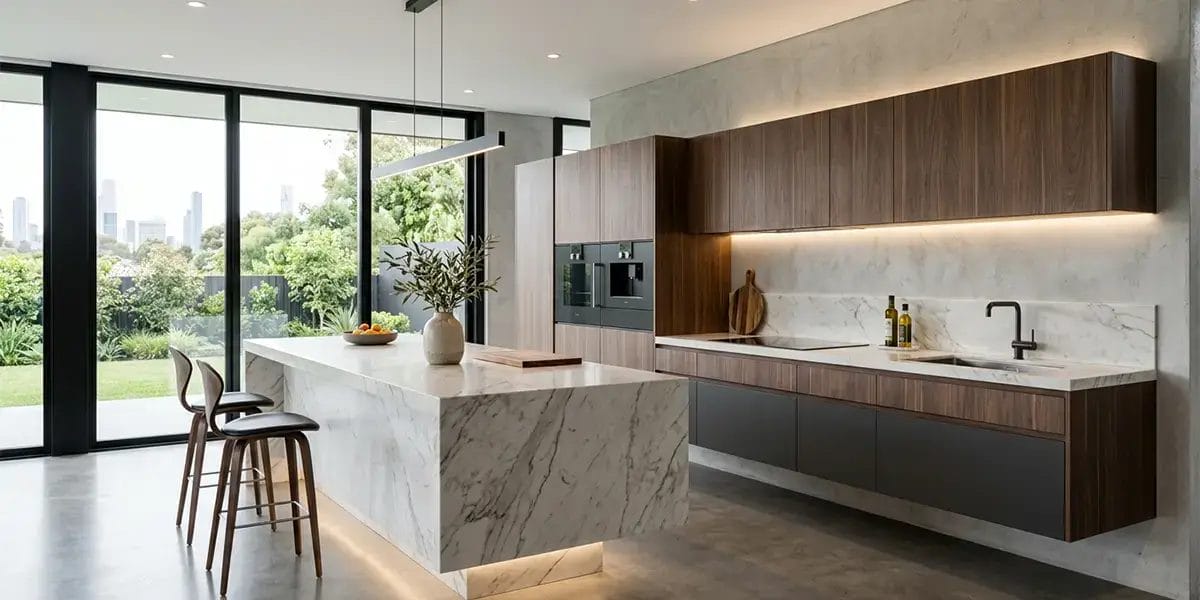
Floating Cabinets: How to Ensure Safe & Secure Wall Mounting
Floating cabinets are beautiful. They make a space feel lighter, cleaner, and more refined. No bulky legs, no visual clutter — just a clean, modern look that many homeowners love.
But if you’re like most people I work with, your first question is always the same:
“Is it actually safe?”
That concern is completely valid. And the truth is — a floating cabinet is only as safe as how it’s installed.
Let’s walk through this together in a simple, honest way so you can make the right decision for your home.
Table of Contents
The Truth: Cabinets Don’t “Float” — Your Wall Holds Everything
A floating cabinet isn’t magic.
All the weight — the cabinet itself, plus everything you put inside — is held by your wall.
That means one thing matters more than anything else:
What kind of wall do you have?
Here’s a quick way to think about it:
- Concrete wall (best) → very strong, ideal for floating cabinets
- Solid brick wall (good) → works well with proper anchors
- Hollow or lightweight walls (risky) → needs extra reinforcement
- Drywall with studs (common in the U.S.) → safe only if mounted into studs
If your installer says “we’ll just use anchors in drywall,” that’s a red flag for anything heavy.
The Safest Mounting Method (What I Recommend Most Often)
If you want one clear recommendation:
Go with concealed mounting brackets attached into wall studs
This is the most balanced solution for U.S. homes.
Why it works:
- Load is spread evenly (less stress on one point)
- Everything stays hidden (clean look)
- You can adjust alignment during installation
- Strong enough for most kitchens, vanities, and media cabinets
In real homes, this method gives both peace of mind and a high-end look
When You Should Be Extra Careful
There are a few situations where I always tell clients to slow down and rethink:
1. Very wide cabinets (over 6–7 feet)
The longer the cabinet, the more leverage pulling away from the wall.
Solution: Add more mounting points or hidden steel support
2. Heavy storage (books, dishes, appliances)
Books and ceramics get heavy fast — much more than people expect.
Rule of thumb:
- 1 meter (~3.3 ft) cabinet = 55–75 lbs safe load
- Always stay under 70% of max capacity
3. Drywall-only installation
This is the biggest mistake I see.
If it’s not secured into studs, it’s not safe — period.
The Biggest Mistakes to Avoid
Let me save you from the most common (and costly) issues:
- Relying on plastic anchors in drywall
- Too few mounting points
- Thin cabinet backs (under 3/4 inch)
- Long cabinets with no additional support
- Choosing aesthetics over structure
These are exactly the things that lead to sagging, loosening… or worse.
What I Tell My Own Clients
If this were my own home, here’s what I would do:
- Make sure the cabinet is anchored into studs or concrete
- Use high-quality concealed brackets
- Keep the load realistic (don’t overfill)
- Add reinforcement if the cabinet is long or deep
Because good design isn’t just about how something looks today.
It’s about whether it still feels solid 10 years from now
Final Thought
Floating cabinets should feel effortless — but their safety should never be left to chance.
When done right, they’re not just beautiful.
They’re strong, reliable, and built to last.
And that’s exactly what your home deserves.


About author

Related posts

Kitchen cabinet quotes can look similar at first but include very different products and services. One quote may include plywood cabinet boxes, finished end panels,... Continue reading

A knee drawer is a specialized vanity cabinet component designed to add storage while creating comfortable open space underneath a bathroom countertop. Knee drawers are... Continue reading

A 33-inch farmhouse sink is a common choice for a 36-inch base cabinet, but it is not a universal rule. The correct fit depends on... Continue reading

A kitchen cabinet filler is a narrow finished strip used to close or manage the space between a cabinet and a wall, appliance, corner, or... Continue reading

Choosing RTA cabinets involves more than comparing door styles or headline prices. You need to evaluate cabinet-box construction, door materials, available sizes, hardware, shipping, assembly,... Continue reading





Add comment