No products in the cart.
Return To Shop.png?sharp=1)
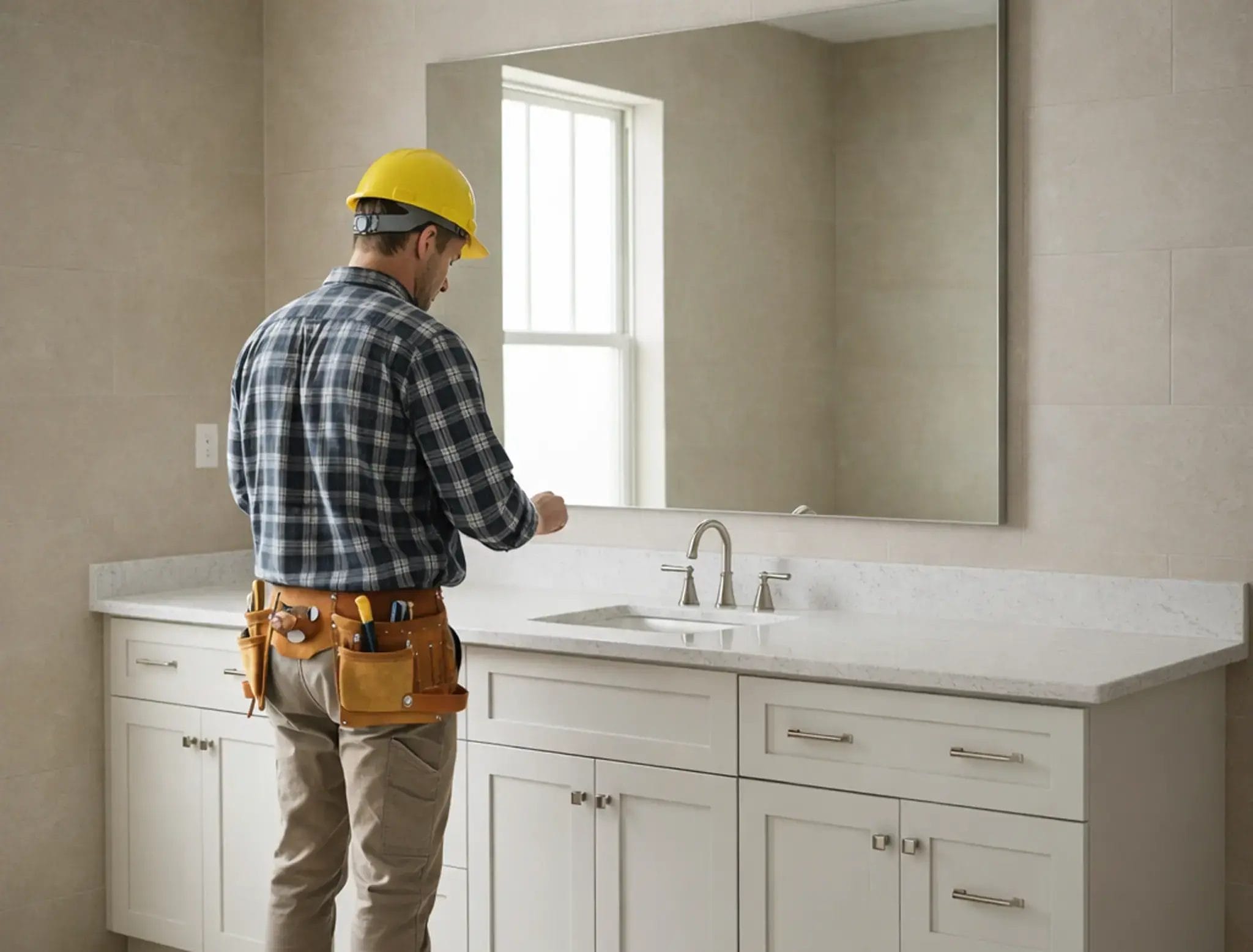



The Ultimate Bathroom Vanity Installation Guide: Wall-Mounted & Freestanding
Bathrooms are one of the most frequently used spaces in any home, serving both functional and personal comfort needs. Beyond basic hygiene, a well designed bathroom supports daily routines, provides storage, and contributes to the overall style of the house. As modern homes place greater emphasis on organization and efficiency, bathroom vanities have become an essential fixture rather than a simple piece of furniture. Proper installation is critical, as it directly affects daily usability, long term durability, and the visual balance of the entire bathroom space.
Installing a bathroom vanity may seem straightforward, but it involves careful planning, precise measurements, and an understanding of structural and plumbing conditions. Whether you choose a wall mounted vanity or a freestanding model, following the correct installation steps helps prevent common problems such as uneven surfaces, water damage, and premature wear.
Table of Contents
1. Installing the Main Vanity Cabinet
Before installation begins, it is important to identify the type of vanity being used. Wall mounted and freestanding vanities differ significantly in installation requirements, load bearing methods, and maintenance considerations.
2. Wall Mounted Bathroom Vanity Installation
Wall mounted bathroom vanities create a modern and streamlined appearance while making floor cleaning easier. Before installing this type of vanity, the wall must be inspected carefully. The wall should be solid enough to support the full weight of the cabinet, countertop, sink, and stored items. Reinforced walls or load bearing structures are ideal for this installation style.

Once the wall condition is confirmed, measure and mark the drilling points based on the mounting holes of the vanity. In most homes, the recommended finished countertop height is approximately 83 centimeters from the floor, which provides comfortable access for daily use. Drill the holes using an impact drill, insert wall plugs, and secure the mounting brackets firmly with appropriate screws.
After the cabinet is mounted, carefully place the countertop or integrated sink onto the cabinet. Adjust the alignment to ensure the surface is level from front to back and side to side. Proper leveling is essential, as an uneven vanity can affect drainage performance and cause stress on joints over time.
3. Freestanding Bathroom Vanity Installation

Freestanding vanities are a popular choice for homeowners seeking a simpler installation process and greater flexibility. Begin by placing the cabinet on a protected surface to prevent scratches. Attach the cabinet legs using the provided hardware, ensuring that each leg is securely fastened.
Once assembled, position the vanity in its intended location. Adjust the legs so they sit close to the cabinet side panels, which helps distribute weight evenly. Use a level to check stability and fine tune the adjustable feet until the cabinet rests evenly on the floor. A properly leveled cabinet ensures smooth door operation and helps prevent long term structural distortion.
4. Installing Side Cabinets and Storage Units
Side cabinets, tall storage units, and wall shelves are often installed alongside the main vanity to increase storage capacity. These units follow similar installation principles as wall mounted vanities. Always confirm wall strength, use proper anchors, and verify alignment with a level. Accurate installation improves both safety and visual consistency.
5. Bathroom Mirror Installation
Mirrors play a functional and decorative role in bathroom design. Begin by measuring the mirror and marking installation points on the wall. Drill holes at the marked positions and insert wall plugs. Screw in the mounting hardware, leaving enough space for the mirror to hang securely.
Carefully align the mirror with the mounting points and gently place it into position. Use a level to confirm that the mirror is straight. Proper installation not only improves appearance but also prevents long term loosening or shifting.
6. Maintenance Tips After Installation
After installation, maintaining a dry and well ventilated environment is essential. Moisture is the primary cause of cabinet damage over time. Wipe away water splashes promptly and avoid prolonged exposure to steam.
When cleaning, use mild neutral cleaners and soft cloths. Avoid abrasive tools or harsh chemicals, which can damage finishes. Storing cleaning products on protective liners inside the cabinet helps prevent accidental spills from damaging interior surfaces. Regular inspection of plumbing connections also helps detect leaks early and protect the vanity from hidden water damage.
7. Planning Ahead for Best Results
The best time to select a bathroom vanity is before plumbing and electrical work begins. This allows water supply and drainage positions to be aligned with the vanity design. Proper planning reduces installation challenges and ensures a clean, functional result.
With careful preparation and attention to detail, installing a bathroom vanity can significantly improve both the comfort and longevity of your bathroom.


About author

Related posts

Kitchen cabinet quotes can look similar at first but include very different products and services. One quote may include plywood cabinet boxes, finished end panels,... Continue reading

A knee drawer is a specialized vanity cabinet component designed to add storage while creating comfortable open space underneath a bathroom countertop. Knee drawers are... Continue reading

A 33-inch farmhouse sink is a common choice for a 36-inch base cabinet, but it is not a universal rule. The correct fit depends on... Continue reading

A kitchen cabinet filler is a narrow finished strip used to close or manage the space between a cabinet and a wall, appliance, corner, or... Continue reading

Choosing RTA cabinets involves more than comparing door styles or headline prices. You need to evaluate cabinet-box construction, door materials, available sizes, hardware, shipping, assembly,... Continue reading





Add comment