No products in the cart.
Return To Shop.png?sharp=1)
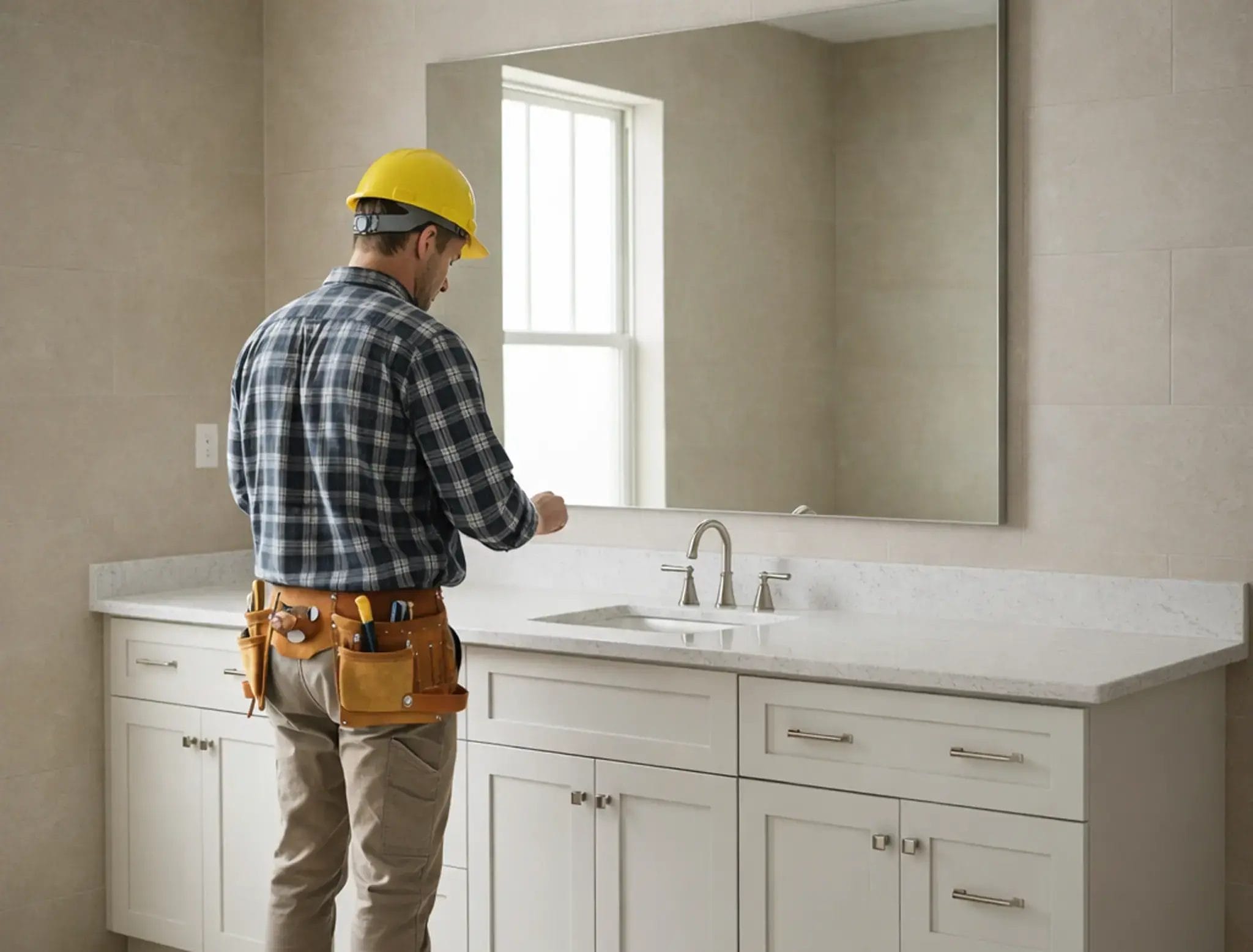



Common Bathroom Vanity Problems and Practical Solutions
After more than twenty years working in residential design, I’ve seen many beautiful bathrooms that almost turned into renovation disasters — not because the tiles were wrong or the lighting was poorly chosen, but because the bathroom vanity and plumbing were not planned together.
It’s a surprisingly common problem.
During a renovation, most homeowners focus first on the parts of the bathroom that are easy to imagine: the tile color, the mirror, the lighting, maybe even the faucet style. The vanity often becomes a decision made much later in the process.
But here’s something I often tell my clients — sometimes even my own friends and family:
A bathroom vanity is not just furniture. It’s part of the plumbing system.
If the vanity, drainage, and layout aren’t planned together from the beginning, installation can become complicated or even impossible.
Over the years, I’ve seen a few problems appear again and again. The good news is that once you understand them, they’re very easy to avoid.
Let’s walk through the most common bathroom vanity mistakes — and how to solve them before they become expensive problems.
Table of Contents
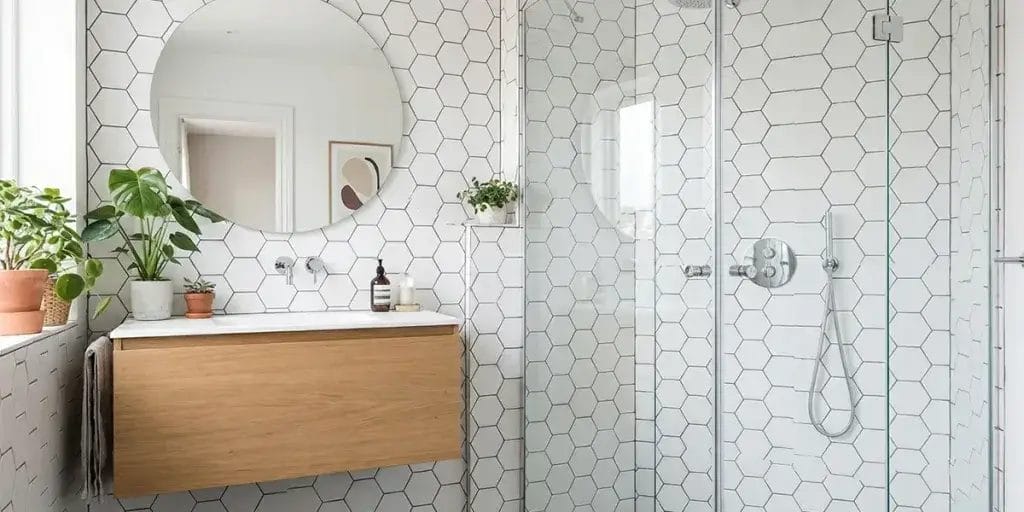
Problem 1: Choosing a Vanity Without Considering Plumbing Location
One of the most common issues happens when homeowners fall in love with a vanity design before checking the plumbing layout.
In most American homes, the sink connects to a wall drain with a P-trap. The exact position of that drain pipe can determine what type of vanity will fit properly.
For example, floating vanities often require enough interior space to hide the plumbing system. If the drain pipe sits too low or too far forward, the vanity drawers may not fit.
Floor-standing vanities usually offer more flexibility because the cabinet body is larger and can accommodate different plumbing positions.
If you are planning a renovation, one of the best things you can do is confirm the drain location and pipe clearance before choosing your vanity. This simple step can prevent many installation headaches later.

Problem 2: Selecting a Floating Vanity Without Wall Support
Wall-mounted vanities have become extremely popular in modern bathroom design. They create a clean, minimal look and make small bathrooms feel larger because more floor space remains visible.
However, floating vanities require proper structural support.
The wall behind the vanity must be strong enough to carry the weight of the cabinet, countertop, and sink. In many cases, additional blocking or reinforcement needs to be installed during renovation.
I’ve seen situations where homeowners purchased a beautiful floating vanity, only to discover that the wall structure couldn’t support it without significant modification.
If you love the floating look, talk with your contractor early. Planning the wall reinforcement during construction is simple and inexpensive compared with trying to fix it later.

Problem 3: Drain Pipe Height Conflicts With Vanity Design
Another issue that appears more often than people expect is drain pipe height.
Many homeowners assume there is a standard height for bathroom plumbing, but in reality, the ideal height depends on the vanity design and the sink type.
For example, vessel sinks sit higher on the countertop, while integrated sinks sit lower. The cabinet interior also needs enough space to hide the P-trap and allow drawers to function properly.
If the drain pipe is placed too low, it may remain visible inside the cabinet or interfere with storage. If it is too high, the sink height may become uncomfortable for everyday use.
The best approach is to select your vanity first, confirm its internal layout, and then adjust the plumbing height accordingly.
This ensures the final installation looks clean and functions comfortably.
Why Planning the Vanity Early Matters
When I help homeowners design a bathroom, the vanity is rarely an afterthought.
Instead, it becomes one of the first elements we plan because it connects design, plumbing, storage, and daily usability.
A well-planned vanity does more than hold a sink. It supports morning routines, keeps the bathroom organized, and often becomes the visual centerpiece of the space.
When everything is coordinated properly — plumbing, cabinet size, and layout — the bathroom simply works better.
And as someone who has helped many families through renovations, I can tell you that small planning decisions early in the process can save a lot of frustration later.
Final Thoughts
Bathroom vanities may look simple, but they are closely connected to plumbing layout, installation height, and everyday comfort.
By thinking about these factors before renovation begins, homeowners can avoid many common problems and enjoy a smoother installation process.
If there’s one piece of advice I would share — the same advice I would give to my own family — it’s this:
choose your vanity early, plan the plumbing around it, and make sure the design works for how your household actually uses the bathroom.
With the right planning, your bathroom vanity will not only look beautiful but will also serve your home reliably for many years.


About author

Related posts

Kitchen cabinet quotes can look similar at first but include very different products and services. One quote may include plywood cabinet boxes, finished end panels,... Continue reading

A knee drawer is a specialized vanity cabinet component designed to add storage while creating comfortable open space underneath a bathroom countertop. Knee drawers are... Continue reading

A 33-inch farmhouse sink is a common choice for a 36-inch base cabinet, but it is not a universal rule. The correct fit depends on... Continue reading

A kitchen cabinet filler is a narrow finished strip used to close or manage the space between a cabinet and a wall, appliance, corner, or... Continue reading

Choosing RTA cabinets involves more than comparing door styles or headline prices. You need to evaluate cabinet-box construction, door materials, available sizes, hardware, shipping, assembly,... Continue reading





Add comment