No products in the cart.
Return To Shop.png?sharp=1)
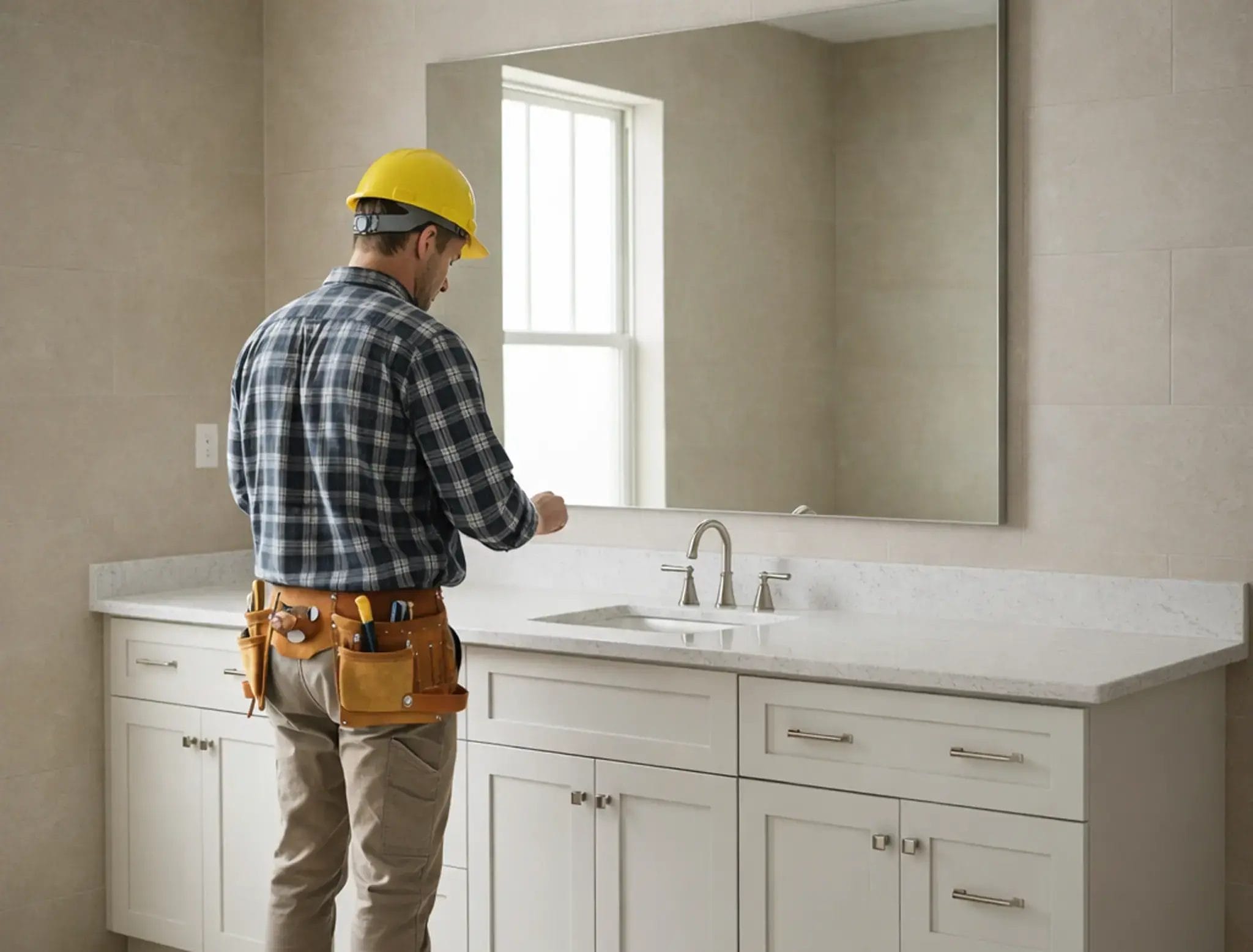


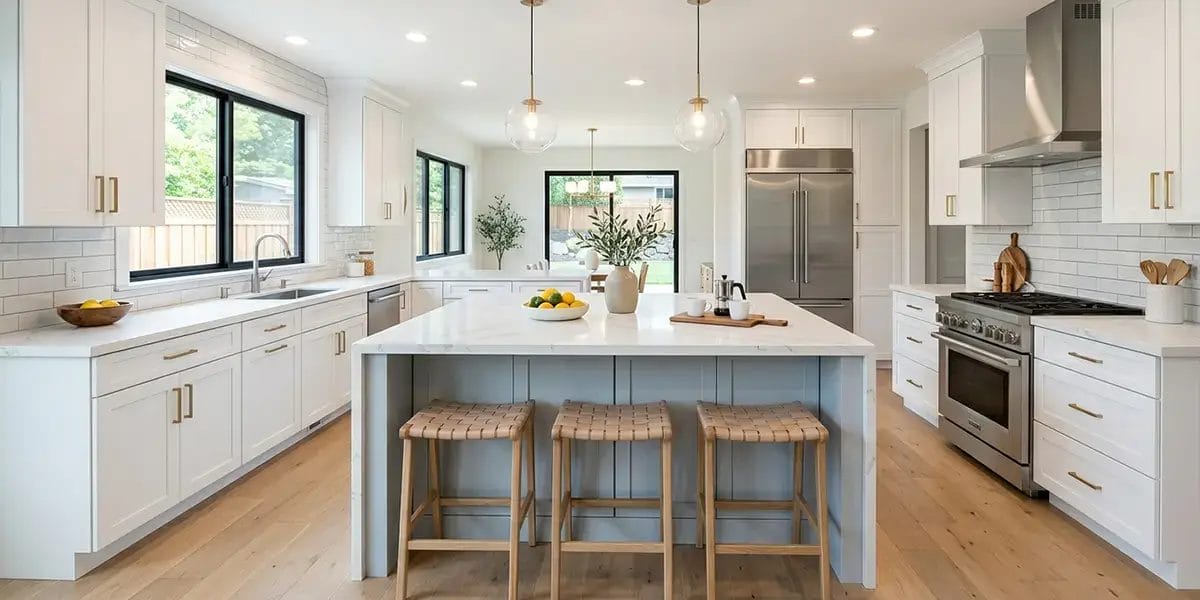
How to Secure an Undermount Sink and Cabinets for a Safe, Long-Lasting Kitchen
Installing an undermount sink and cabinets might seem straightforward, but the truth is, proper installation is key to keeping your kitchen safe and functional for years. A loose sink or wobbly cabinet can lead to leaks, countertop damage, or constant frustration. The good news is that with careful planning and simple steps, you can avoid these problems.
Table of Contents
Securing Your Undermount Sink
There are two main ways to install an undermount sink: mounting clips or stone adhesive bonding.
- Mounting Clips: These small metal clips attach the sink to the countertop from underneath. Smaller sinks typically need 4–6 clips, while larger double sinks may need 6–8. The key is to distribute them evenly and ensure the countertop is level. This method is adjustable and strong, but slightly reduces storage space under the sink.
- Stone Adhesive Bonding: This method creates a seamless, clean look. Clean both surfaces carefully, apply a 3–5mm layer of adhesive, then press the sink firmly in place. Place weight on it until the adhesive cures fully. The downside is you need to wait for curing, and any movement during this time can misalign the sink.
Tip for Homeowners: If you have kids or cook often, I recommend combining both methods if possible—clips for support and adhesive for a secure, leak-proof seal. This gives extra peace of mind.
Cabinet Installation Tips That Matter
Even the best sink can fail if cabinets aren’t stable. Here’s what matters most:
- Measure Twice, Install Once: Accurate measurements prevent wasted space and ensure easy access to pipes, outlets, and utilities.
- Level and Secure: Cabinets must sit level on the floor. Use shims for uneven areas and make sure screws are tight. Even a slight tilt can affect the sink and countertop over time.
- Doors and Drawers: Adjust doors for smooth opening with 1–2mm gaps, and make sure drawers slide easily. This prevents wear, sticking, or future repairs.
- Choose Quality Hardware: Hinges and slides should be corrosion-resistant and durable. Test them during installation and maintain them occasionally with light lubrication.
Choosing the Right Method for You
- For Ease and Adjustability: Mounting clips are great—they’re reliable and you can reposition if needed.
- For Clean Aesthetic: Adhesive bonding looks seamless and doesn’t take up cabinet space, but requires patience during curing.
Most families will find a combination of both methods gives maximum stability and peace of mind.
Daily Care Makes a Difference
Even after professional installation, small checks every few months can prevent future problems. Make sure clips haven’t loosened, adhesive is intact, and hardware still functions smoothly. A few minutes of maintenance now can save costly repairs later.
Final Thoughts
Your kitchen should feel safe, practical, and welcoming. By paying attention to these installation details, you can avoid leaks, keep your cabinets stable, and enjoy a beautiful, functional space for years.
Remember, a secure sink and stable cabinets aren’t just technical requirements—they’re about your family’s comfort and safety every day. Take your time during installation, choose quality materials, and don’t skip the small details. Your future self (and your family) will thank you.

About author

Related posts

Kitchen cabinet quotes can look similar at first but include very different products and services. One quote may include plywood cabinet boxes, finished end panels,... Continue reading

A knee drawer is a specialized vanity cabinet component designed to add storage while creating comfortable open space underneath a bathroom countertop. Knee drawers are... Continue reading

A 33-inch farmhouse sink is a common choice for a 36-inch base cabinet, but it is not a universal rule. The correct fit depends on... Continue reading

A kitchen cabinet filler is a narrow finished strip used to close or manage the space between a cabinet and a wall, appliance, corner, or... Continue reading

Choosing RTA cabinets involves more than comparing door styles or headline prices. You need to evaluate cabinet-box construction, door materials, available sizes, hardware, shipping, assembly,... Continue reading





Add comment