No products in the cart.
Return To Shop.png?sharp=1)


5 Practical Rules for Custom Cabinet Design
When it comes to custom cabinets, design is everything. Many homeowners focus on materials or cost, but the truth is: how you structure and organize your cabinets has a bigger impact on daily life than the type of wood or board used. A beautiful wardrobe that’s hard to use, a dining cabinet that doesn’t store essentials, or a shoe cabinet that becomes cluttered in weeks—these are all common frustrations.
As a designer who has spent decades helping families create homes that work for real life, I can tell you: function comes first, beauty comes second. Here are five practical rules for custom cabinets that will make your home truly efficient and enjoyable.
Table of Contents
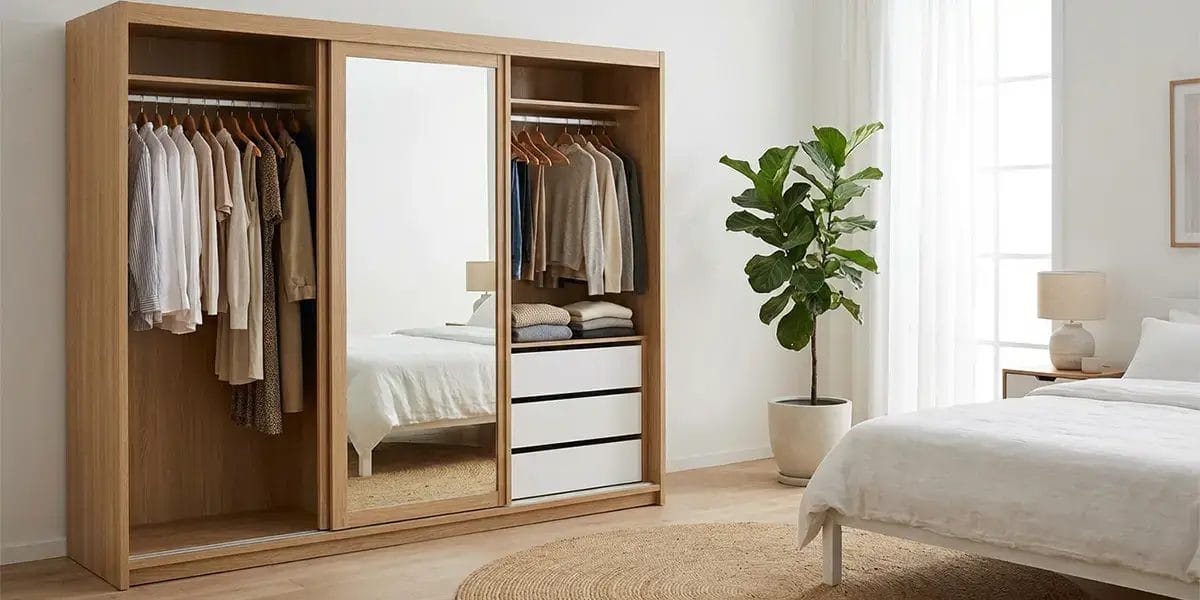
1. Bedroom Wardrobes: Hang More, Fold Less
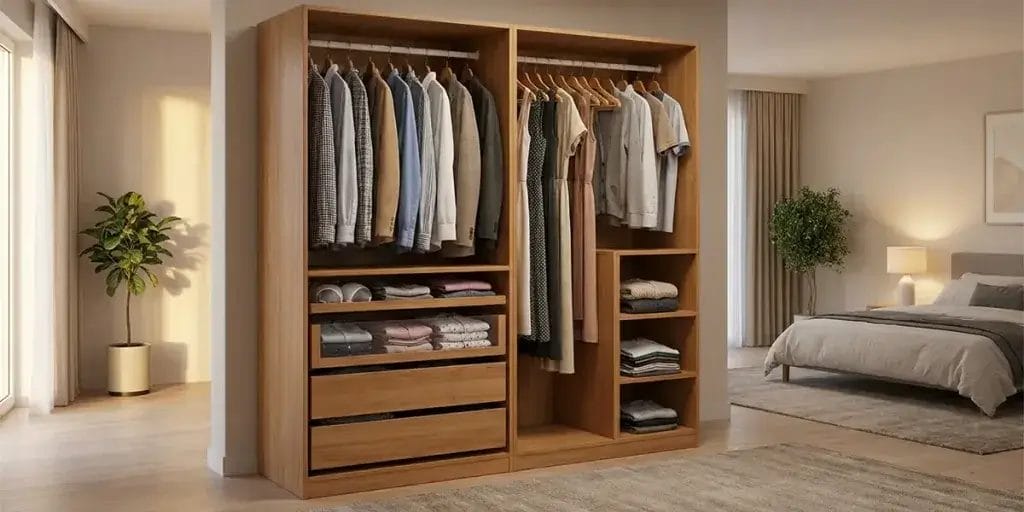
A wardrobe is the centerpiece of a bedroom, and one of the biggest mistakes is overloading it with folded sections. Stacks of shirts and sweaters collapse, creating wrinkles and frustration.
The solution:
- Prioritize hanging zones for shirts, jackets, dresses, and coats.
- Reserve small folding sections for undergarments or pajamas.
- Include three to four internal drawers for accessories or small garments.
Why it matters: When most of your wardrobe is designed for hanging, everything is instantly visible and easy to grab. You’ll start your day feeling organized, not overwhelmed.
2. Dining Cabinets: Less Display, More Function
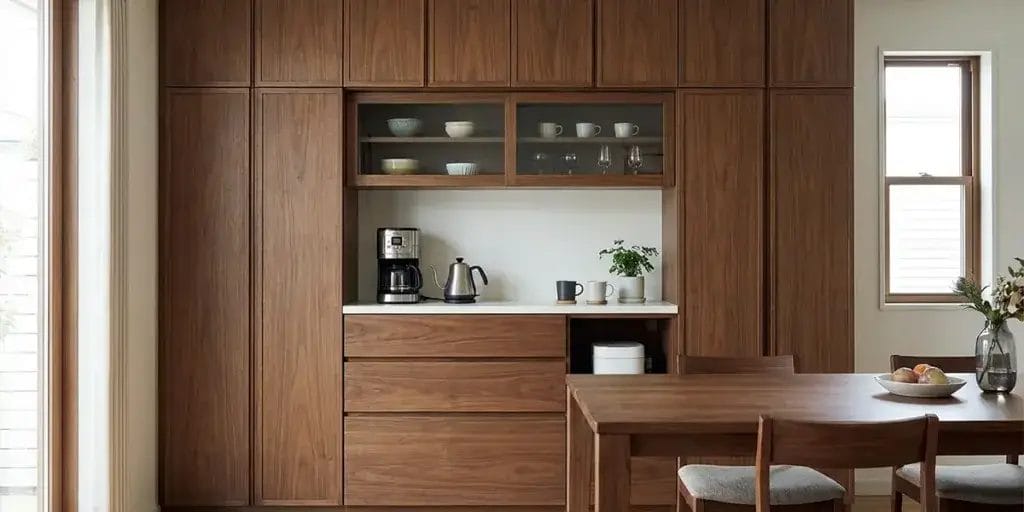
Dining room cabinets often fall victim to showroom inspiration—glass doors across the wall, endless display shelves—but most families don’t have enough decorative items to fill them. Dusty glass doors and cluttered shelves are a daily headache.
Practical tips:
- Use solid doors for most storage, reserving glass only for accents.
- Include a central open counter space of at least 20 inches high for coffee makers, kettles, or small appliances.
- Add two or three drawers beneath for utensils, snacks, or everyday items.
The benefit: You’ll have a functional space for daily tasks while keeping your dining room elegant and clean.
3. Entryway Shoe Cabinets: Make Mornings Easy
The first thing guests see when they enter your home, and the first thing your family uses every morning, is the shoe cabinet. A poorly designed shoe cabinet leads to clutter, frustration, and wasted time.
Design essentials:
- Leave about 8 inches of open space at the bottom for shoes you wear daily.
- Include a seating bench of around 24 inches wide for comfort while putting on shoes.
- Add small item storage above and below the bench for bags, keys, or shoe care items.
The impact: Your entryway becomes a smooth, stress-free part of daily life rather than a cluttered obstacle.
4. Balcony Cabinets: Keep It Open and Flexible
Balconies often store cleaning tools, bulky equipment, and seasonal items. Over-dividing space with too many small shelves limits storage and creates frustration.
The rule: Minimize partitions and maintain large continuous storage zones. Make sure the layout can accommodate vacuum cleaners, bins, or laundry baskets. Pre-plan for appliances like washers or dryers to create clean, functional lines.
Why it works: Open, flexible cabinets adapt as your storage needs change, making your balcony far more useful.
5. Children’s Rooms: Prioritize Ventilation and Safety
Platform beds with enclosed storage may look space-efficient, but they trap moisture and limit airflow, which is not ideal for children.
Better approach:
- Use frame beds with slatted bases for proper ventilation.
- Store toys and clothes in movable boxes underneath.
- Ensure air can circulate freely to prevent mold and keep the room fresh.
Result: A healthier, safer sleep environment that grows with your child.
Final Thoughts
Custom cabinets are more than furniture—they are tools that shape your daily life. When wardrobes support easy clothing access, dining cabinets streamline kitchen routines, shoe cabinets simplify mornings, balcony cabinets hold everything without chaos, and children’s rooms stay safe and breathable, your home functions effortlessly.
By designing cabinets with your family’s habits in mind, you ensure that every dollar spent contributes to comfort, convenience, and peace of mind. Remember: simplicity, functionality, and thoughtful layout always win over trendiness or over-designed beauty.
When you plan your custom cabinetry this way, your home stops working against you and starts working for you—making every day a little easier, a little calmer, and a lot more enjoyable.


About author

Related posts

Kitchen base cabinets do more than support the countertop. Their internal configuration affects how easily cookware, utensils, dishes, and everyday supplies can be stored and... Continue reading

Kitchen cabinet quotes can vary significantly even when they appear to cover the same kitchen. One quote may include plywood cabinet boxes, finished panels, fillers,... Continue reading

A knee drawer is a specialized vanity cabinet component designed to add storage while creating comfortable open space underneath a bathroom countertop. Knee drawers are... Continue reading

A 33-inch farmhouse sink is a common choice for a 36-inch base cabinet, but it is not a universal rule. The correct fit depends on... Continue reading

A kitchen cabinet filler is a narrow finished strip used to close or manage the space between a cabinet and a wall, appliance, corner, or... Continue reading





Add comment