No products in the cart.
Return To Shop.png?sharp=1)


8 Smart Choices Before Whole House Custom Cabinets
Whole house customization is one of the largest expenses in home renovation, and it is also one of the easiest areas to make costly mistakes. Many homeowners regret their decisions after moving in, only to realize that the real problems did not begin during installation. The root cause often lies in poor decisions made during the early selection stage. From panels and hardware to door styles and edge sealing, one wrong choice can lead to unnecessary expenses and compromise the quality of daily use for the next decade or more. The good news is that there is a clear logic behind avoiding these pitfalls. If you focus on eight core decision points, you can avoid most common industry traps and make confident, rational choices even as a first time renovator.
Table of Contents
Door Panel Selection Should Match Real Life Scenarios
Cabinet doors define the visual appeal of the entire space, but they also determine how easy the cabinets are to maintain. A beautiful door that is difficult to clean will quickly become a daily burden. In kitchens, which are exposed to heavy grease and frequent use, matte finishes and high gloss PET doors require caution.
Matte surfaces tend to trap oil stains that are hard to remove, often leaving visible marks. High gloss PET doors may look sleek at first, but they are prone to water marks after wiping and can appear worn over time.
A more practical option is solid color double faced melamine panels. They resist oil, moisture, and scratches, and they can be cleaned with a simple wipe. For bedroom wardrobes, skin feel panels are an excellent choice. They offer a soft touch, resist fingerprints, and elevate the overall texture of the space, perfectly matching the calm and private atmosphere of a bedroom.
Cabinet Color Should Prioritize Timeless Light Tones
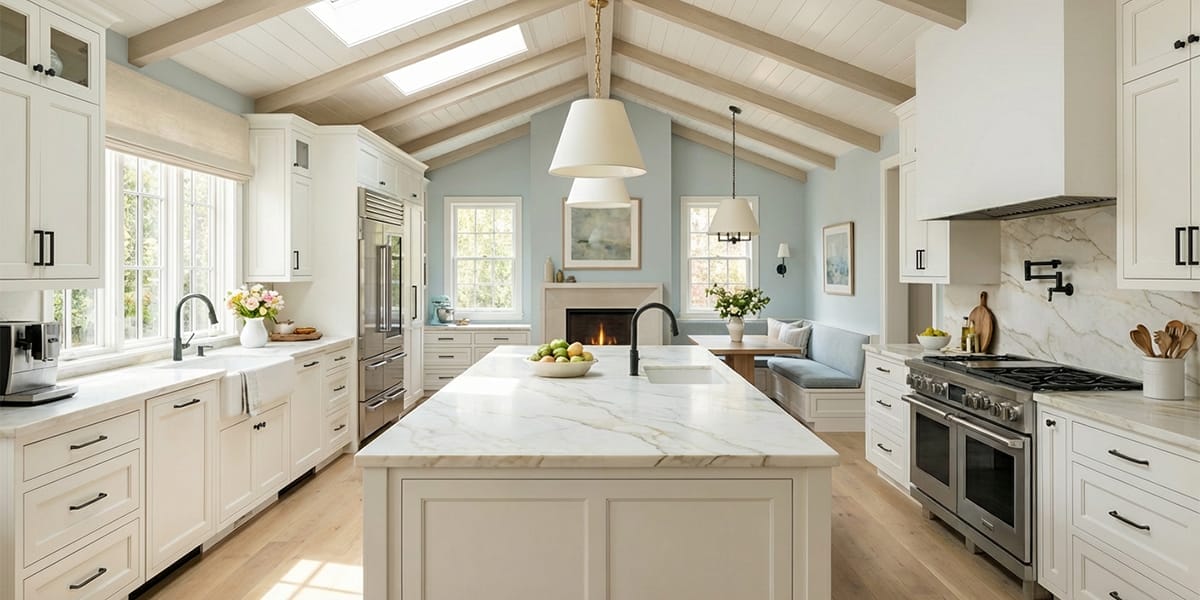
Color directly shapes the atmosphere and perceived quality of a room. Trend driven dark shades or online celebrity inspired palettes may look impressive in photos, but they demand strict coordination with the overall design style. In smaller homes, dark cabinets can make the space feel cramped and heavy. Moreover, trend based colors often lose appeal within a few years. Classic light tones such as white, beige, and light gray are safer and more versatile. They complement popular styles including minimalist, natural wood inspired, and soft neutral interiors. Light colors visually expand space, enhance brightness, and remain relevant even after a decade. Choosing a timeless palette protects your investment and prevents early aesthetic fatigue.
Core Panel Materials Must Be Selected by Area
Panels are the structural foundation of custom cabinetry. It is unwise to use a single material throughout the entire home without considering environmental differences. Kitchen and balcony cabinets face humidity, temperature variation, and sunlight exposure. For these areas, multi layer solid wood plywood offers strong moisture resistance and dimensional stability. It withstands steam and heat without swelling or warping.
For wardrobes, oriented strand board, commonly known as OSB, is a superior option. It provides excellent screw holding strength and structural stability, ensuring that shelves and hanging rods remain secure even under long term load. Matching materials to functional demands is essential for durability.
Back Panels Require Strict Attention to Thickness and Quality
Back panels are often overlooked, and some manufacturers reduce costs in this hidden area. Many homeowners assume that the back panel merely covers the wall, but its quality significantly affects durability and safety. Inferior back panels may have high formaldehyde emissions and insufficient strength.
Every cabinet should use a back panel at least nine millimeters thick, ideally made of the same material as the main cabinet body. Thin panels under nine millimeters are frequently low grade density boards that crack or warp over time. Repairing such problems later is both expensive and inconvenient. Investing in proper back panels ensures structural integrity and healthier indoor air.
Cabinet Door Structure Should Favor Sectioned Designs
Full height doors that extend from floor to ceiling are popular for their minimalist appearance. However, they come with hidden costs. Longer panels are more susceptible to deformation due to temperature changes, and they often require additional straightening devices, increasing the budget.
A sectioned door design is more stable and economical. It reduces material stress and allows flexibility in styling, including handle free solutions that maintain a clean look. Attention should also be paid to top and bottom cover boards. An internal top cover creates a streamlined appearance, while an external bottom cover prevents accidental contact with feet when opening doors. Practical details like these improve both safety and aesthetics.
Exposed Side Panels Should Match in Color
Exposed side panels are visible structural surfaces that strongly influence visual coherence. Some suppliers use mismatched colors to cut costs, resulting in awkward transitions that look cheap. Customizing exposed panels in the same color as the cabinet doors ensures a seamless appearance. Even if this adds a modest cost, the improvement in overall design quality is substantial. Unified color treatment makes cabinets look integrated and refined from every angle.
Edge Sealing Technology Should Prioritize Durability and Health
Edge sealing determines how well panels resist moisture and how environmentally friendly the cabinetry remains. Low end EVA sealing requires more adhesive and is prone to cracking or peeling. In contrast, PUR edge sealing uses less adhesive and creates a stronger bond. It performs better under heat and humidity, reducing the risk of separation over time. Choosing PUR sealing across all cabinets improves durability and minimizes long term maintenance concerns.
Hardware Should Balance Quality and Value
Hardware components such as hinges, drawer slides, and lift supports are the mechanical heart of cabinetry. Cheap unbranded hardware may fail quickly, yet blindly pursuing expensive imported brands is unnecessary. Imported options often carry high premiums and make replacement parts difficult to obtain. Well established domestic brands provide reliable performance at a fraction of the cost, offering comparable durability and easier maintenance. Allocating budget wisely in this category ensures smooth daily use without overspending.
The fundamental principle of selecting whole house custom cabinetry is simple. Choose according to actual needs rather than trends or persuasive sales tactics. Direct your budget toward core structural materials, reliable edge sealing, and dependable hardware. When decisions are guided by logic instead of impulse, the result is cabinetry that is environmentally responsible, durable, visually timeless, and genuinely cost effective.


About author

Related posts

Kitchen base cabinets do more than support the countertop. Their internal configuration affects how easily cookware, utensils, dishes, and everyday supplies can be stored and... Continue reading

Kitchen cabinet quotes can vary significantly even when they appear to cover the same kitchen. One quote may include plywood cabinet boxes, finished panels, fillers,... Continue reading

A knee drawer is a specialized vanity cabinet component designed to add storage while creating comfortable open space underneath a bathroom countertop. Knee drawers are... Continue reading

A 33-inch farmhouse sink is a common choice for a 36-inch base cabinet, but it is not a universal rule. The correct fit depends on... Continue reading

A kitchen cabinet filler is a narrow finished strip used to close or manage the space between a cabinet and a wall, appliance, corner, or... Continue reading





Add comment