No products in the cart.
Return To Shop or
or  ,
,
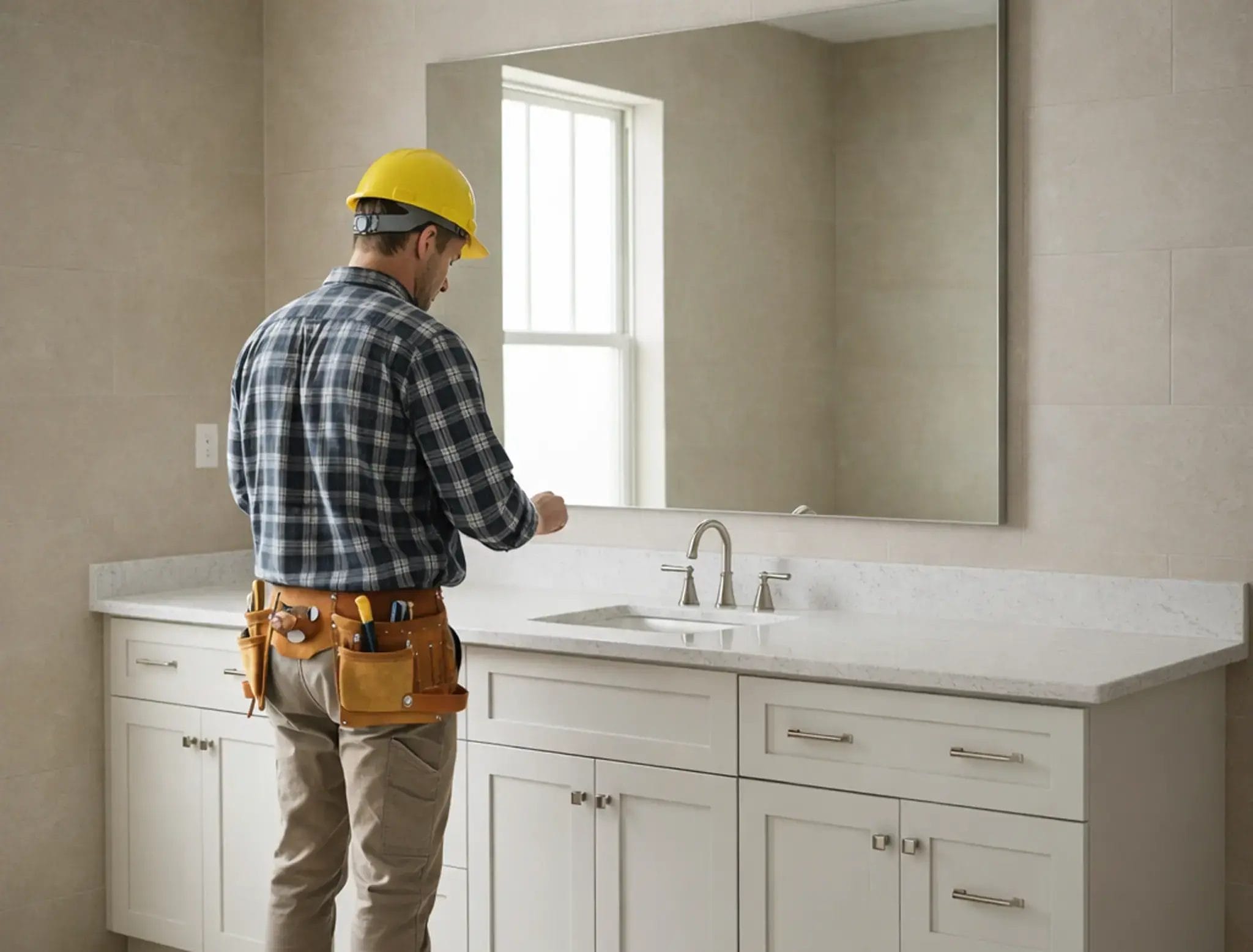



What Type of Wood Is Best for Cabinets?
When it comes to renovating your kitchen, one of the most important decisions you’ll make is choosing the right material for your cabinets. As a kitchen designer with over 20 years of experience, I’ve seen countless homeowners wrestle with this choice—especially busy moms who want a kitchen that’s both beautiful and practical. The truth is, your cabinet material affects not only the look of your kitchen but also its durability, maintenance, and even your budget. So, what type of wood is best for cabinets in 2025? Let’s break it down.
Table of Contents
Why the Choice of Wood Matters

Your cabinets are the backbone of your kitchen. They see daily use, bear the weight of dishes and cookware, and take a beating from moisture and heat. Choosing the right wood means balancing aesthetics, functionality, and cost. While it’s tempting to pick something just because it looks good in a showroom, the reality of everyday kitchen life is different. For instance, a white oak cabinet might look stunning, but if you have young kids who love to grab snacks and leave fingerprints, you’ll need to clean constantly.
For families trying to stay within a budget, HDF (High-Density Fiberboard) cabinets can be a surprisingly smart choice—they’re affordable, stable, and can mimic the appearance of more expensive wood. We’ll dive into all the options so you can make a decision you’ll be happy with for years.
Common Wood Types for Cabinets
Here’s a quick overview of the most popular materials for kitchen cabinets, along with their pros, cons, and typical budget range:
| Wood Type | Advantages | Disadvantages | Budget Reference |
|---|---|---|---|
| Solid Wood (Oak, Maple, Cherry, Hickory) | Durable, high-end look, natural grain | Expensive, can warp or shrink in humidity | $400 – $1,200+ per linear foot for custom/high‑end solid‑wood cabinets |
| HDF / MDF (High-Density Fiberboard / Medium-Density Fiberboard) | Affordable, stable, easy to paint | Less natural texture, slightly lower load capacity | $100 – $250 per linear foot for MDF-based cabinets |
| Plywood | Stable, strong, better moisture resistance than MDF | Needs veneer for appearance | $150 – $300 per linear foot for plywood‑core cabinets |
| Laminate / Veneer | Cost-effective, easy to clean, various finishes | Can scratch easily, less durable | Laminate: $75 – $150 per linear foot Wood Veneer: ~$150 – $650 per linear foot (depending on species/finish) |
How to Choose Based on Budget and Lifestyle
Your budget and household needs play a huge role in selecting the right cabinet material.
- High Budget: Solid wood or semi-custom cabinets provide the ultimate durability and timeless aesthetic.
- Medium Budget: HDF or MDF cabinets offer a good balance of cost, appearance, and stability, especially if you choose a high-quality paint or finish.
- Low Budget: Laminate or veneered cabinets are practical for short-term solutions or rental properties. With clever design, they can still look stylish.
Tip: A mix-and-match approach can work wonders—solid wood for the main cabinets and HDF for the pantry or less-used sections. This keeps costs manageable while maintaining a high-end feel.
Matching Wood Type to Kitchen Style
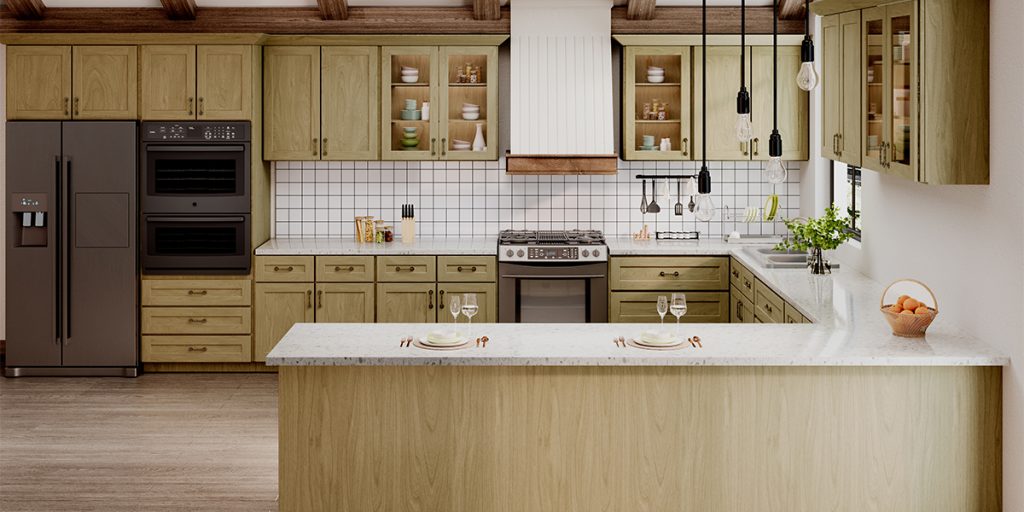
Your choice of wood should complement your kitchen’s design:
- Modern kitchens: HDF or MDF with sleek, matte finishes works well. Consider two-tone designs for added interest.
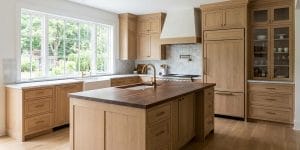
- Farmhouse or traditional kitchens: Natural grain woods like Oak or Maple provide warmth and character.
- Minimalist black-and-white kitchens: HDF or veneered cabinets allow flexibility in colors while keeping a clean aesthetic.
Remember, the material you choose not only affects style but also light reflection and perceived space. A darker wood in a small, dimly lit kitchen may feel heavy, while light-colored HDF can make the space feel open and airy. For more on how cabinet style influences kitchen feel, check out this guide on modern vs traditional kitchen cabinets.
Maintenance and Longevity Tips
Cabinet material choice is just one piece of the puzzle; proper care ensures longevity:
- Solid wood: Avoid prolonged moisture exposure and clean regularly with gentle wood cleaners. Periodic touch-ups may be necessary for scratches.
- HDF / MDF: Wipe spills immediately; use non-abrasive cleaners to prevent surface damage.
- Laminate / veneer: Easy to clean but watch out for chipping or peeling edges.
Practical advice for busy moms: Install finger-pull hardware or soft-close drawers to reduce wear. Keep microfiber cloths handy for daily wipe-downs. Even minor habits can extend cabinet life significantly.
Real-Life Designer Insights
I’ve helped many families navigate the wood selection maze. One client had a tight budget but wanted a warm, inviting kitchen. We chose HDF cabinets with solid wood accents for the island. The result? A beautiful, functional kitchen that felt high-end without breaking the bank.
Another mom initially resisted solid wood due to cleaning concerns. After a few months, she told me she was thrilled with her Maple cabinets—they were surprisingly resilient to everyday wear and tear, proving that with the right maintenance, solid wood can be practical too.
Conclusion
Choosing the best wood for cabinets doesn’t have to be stressful. Solid wood is ideal for those seeking durability and natural beauty. HDF and MDF provide excellent value for families balancing budget with style. Laminate and veneer offer cost-effective options that can still look polished with thoughtful design.
Ultimately, the right choice depends on your kitchen layout, household lifestyle, and how much maintenance you’re willing to do. Spend some time weighing your options—it’s an investment you’ll see and use every day. With the right material and a few smart tricks, your kitchen can be both beautiful and functional for years to come.


Related posts

Receiving the keys to a new home is an exciting milestone yet it often brings an important and sometimes confusing question. What is the best... Continue reading

The kitchen is far more than a place for cooking meals. In many American homes it has become a central space for daily routines family... Continue reading
Kitchen cabinets play a vital role in both the function and visual identity of a kitchen. Among all cabinet components, cabinet doors are the most... Continue reading
The colors you choose for your home don’t just paint walls—they shape moods, create feelings, and influence how every day unfolds. In 2026, whole home... Continue reading
In modern home renovation projects, custom cabinetry has become a core element in both kitchen and bathroom planning. Choosing the right custom cabinet supplier is... Continue reading






Add comment