No products in the cart.
Return To Shop or
or  ,
,


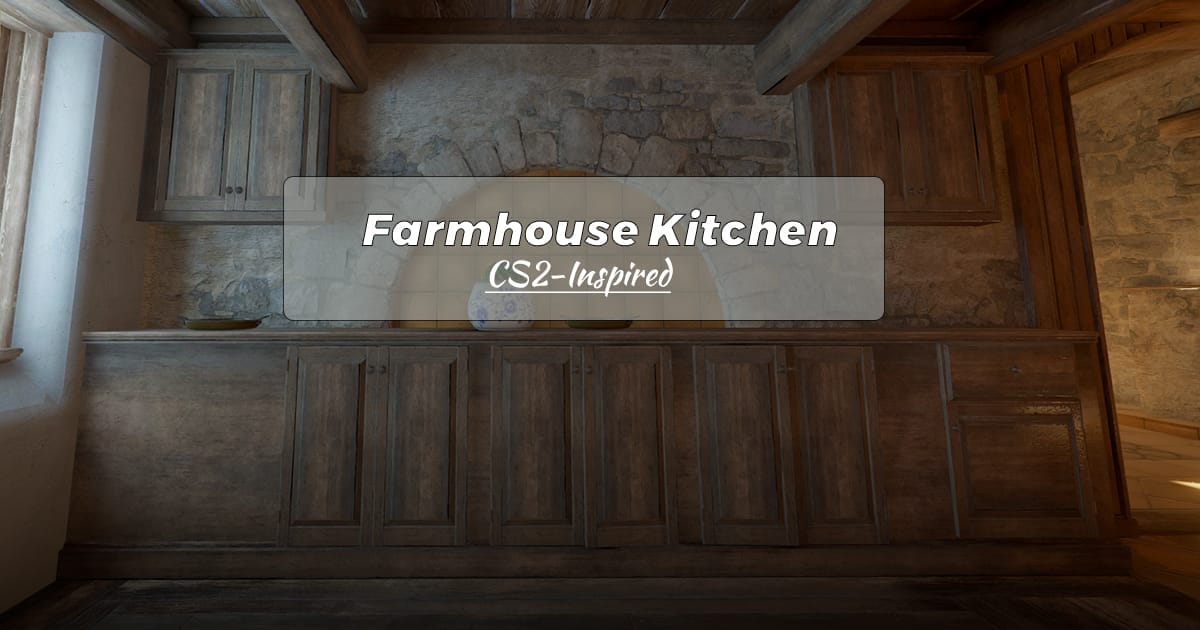
Farmhouse Kitchen: Stunning CS2-Inspired Cozy Design Ideas
I was camping in CS2 when a kitchen scene stopped me in my tracks — it looked exactly like a European farmhouse I’d seen in real life.
At first, I laughed — I was playing a game, not touring a countryside inn! But that worn, exposed-beam vibe, the subtle cracks in plaster walls, and the warm glow of vintage lighting immediately reminded me of Old-World European farmhouse kitchens. After 20 years in kitchen design, I could recognize it instantly: this isn’t about sleek minimalism or icy modern trends — it’s about history and everyday life translated into tangible, touchable design.
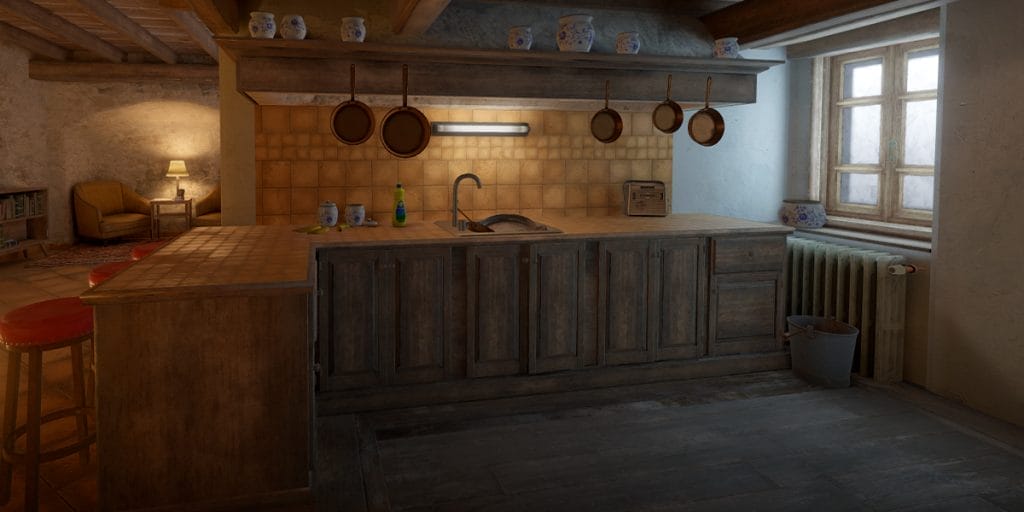
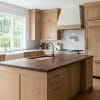
The real star of this style? The cabinetry. Think solid wood framed doors, distressed or natural finishes, vintage-style handles, and open shelving. Add small-tiled countertops, hanging copper pots, and slightly worn floors, and you’ve got a kitchen that feels lived-in, warm, and full of stories.
That in-game kitchen got me thinking — what if you could capture that same rustic charm in real life? In this article, I’ll show how to translate a CS2-inspired Rustic/Country kitchen into your own home, from cabinet details and materials to lighting and layout, so you can create a space that’s both beautiful and practical.
Table of Contents
What Is a Rustic Kitchen?
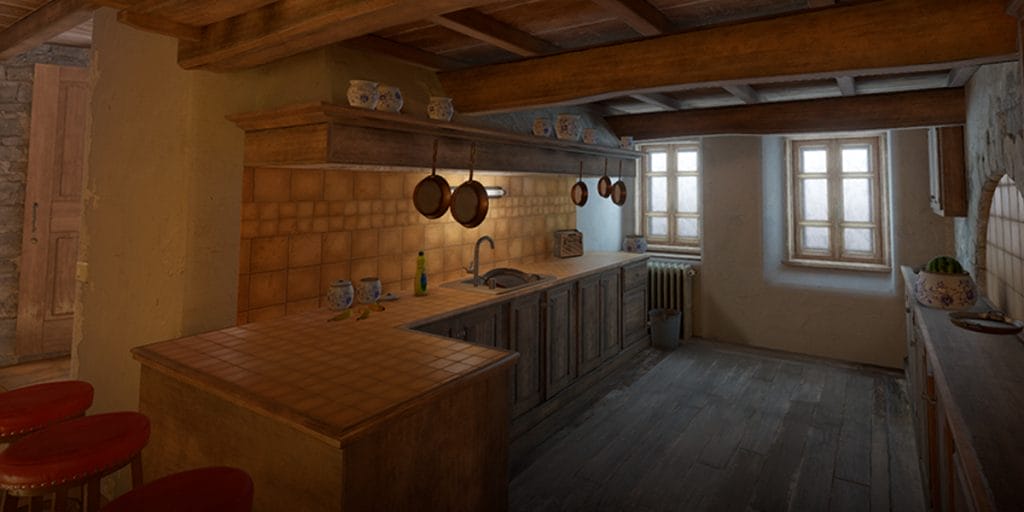
“Rustic” kitchen isn’t about gloss or perfection — it’s about warmth, authenticity, natural materials, and a lived-in feel. It’s the kind of kitchen that invites you to cook, laugh, and live — not just stand and admire.
Natural Materials & Texture
- Wood (real, solid wood): This is the heart of any rustic kitchen. Woods like pine, oak, hickory, alder (or even reclaimed wood) are favorites because their grains, knots, and imperfections add character. Some prefer knotty pine for that cottage-like, informal feel; others go for the durability and richer tones of oak, maple, walnut, or hickory.
- Stone / Natural Countertops & Backsplashes: Granite, soapstone, slate — or even butcher-block wood — these pair beautifully with wooden cabinets, bringing earthy solidity.
- Metal / Antique-style Hardware: Think wrought iron or aged brass/copper handles, farm-style faucets, rustic pendant lights — these small details enhance the old-world, handcrafted vibe.
Warm, Earthy Color & Cozy Atmosphere
Rustic kitchens tend to favor warm, muted palettes — soft beiges, creamy whites, warm wood browns, earthy greens, even deep forest tones. Glossy, high-shine finishes are rare; instead you see matte, distressed or weathered finishes that show the wood’s natural grain and history.
Functional, Practical, and “For Real Life”
Unlike shiny, showroom kitchens, rustic kitchens are made for everyday life. Cabinets should be sturdy, surfaces durable, storage practical. Kitchens that invite cooking, gatherings, and long use — not just Instagram photos.
Other common features: open shelving to display pottery / cookware, apron-front (farmhouse) sinks, butcher-block islands / countertops, exposed beams / wooden ceilings, maybe even stone or brick walls / backsplashes
What It Mirrors From Real Rustic Design
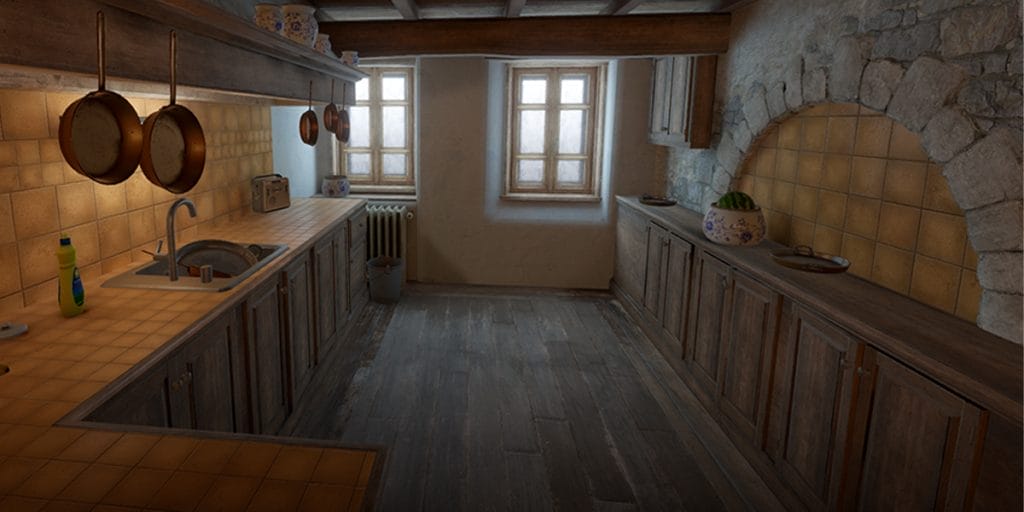
When you look at that CS2 kitchen image, it’s easy to see why it evokes a rustic vibe:
- Wood everywhere: Cabinets, beams, maybe floor or wall textures — like a classic log cabin or country cottage, not a sterile modern space.
- Warm, natural color palette and lighting: The wood tones, warm light, and perhaps soft shadows make it feel lived-in and cozy, not cold or futuristic.
- Rough-around-the-edges charm, not perfection: The look is not sleek or high-gloss — it’s comfortable, slightly worn-in, human.
Basically, the game designers seem to have borrowed a lot from real-world rustic kitchen vocabulary — and the effect works. It quietly says: “This could be a home.”
How to Build / Remodel a Rustic Kitchen
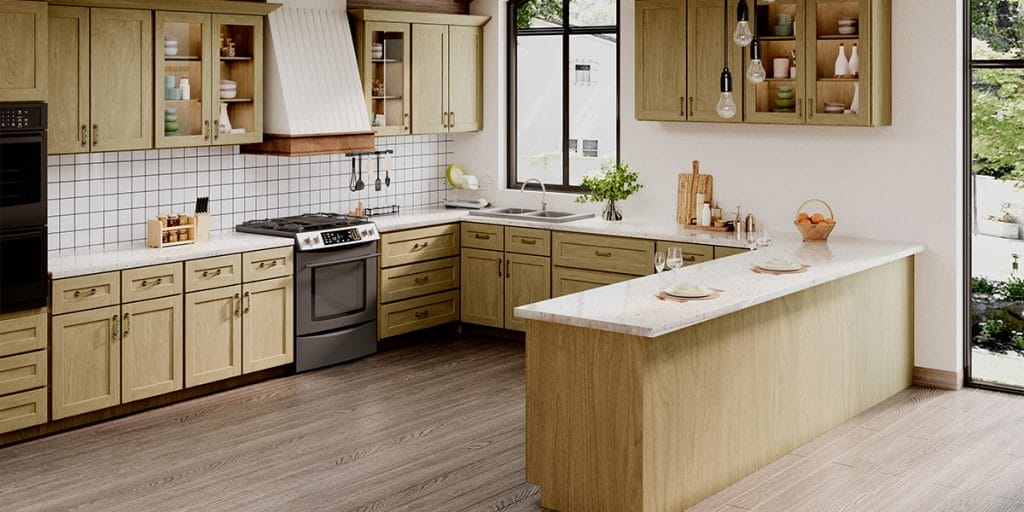
If you love that cabin-meets-country charm and want to bring it into your home, here’s how to translate the vibe into real materials and design choices:
Wood & Cabinetry Choices
- Wood species: For budget-friendly yet charming results, pine is a go-to — it shows knots and grain, giving that cottage-y vibe.
- For more durable and richer tones: oak, hickory, maple, alder, walnut — these woods are harder, age better, and suit kitchens that get a lot of use.
- Finish: Avoid high-gloss. Go for natural stain, matte, or distressed finishes so the wood’s character — grain, knots, texture — shows.
Countertops, Walls, Textures & Accents
- Countrtops / Backsplashes: Use soapstone, slate, granite, butcher-block, or even reclaimed wood to keep with natural, earthy materials.
- Walls / Floors / Ceilings: Exposed beams, wood-paneled ceilings, wide-plank wood floors, stone or rough-hewn walls all amplify the rustic / cabin feeling.
- Hardare & Fixtures: Use iron, aged brass/copper, artisan metalwork for handles, taps, pendant lights. Maybe even a deep farmhouse sink, vintage-style lights or open shelving with rustic pottery / cast-iron cookware.
Palette & Atmosphere
- Stick ith earthy, neutral tones — browns, warm creams, muted greens, soft grays or beiges — nothing flashy or neon.
- Embrace imperfection & patina: minor dents, uneven staining, wood grain variation — these tell a story and make the space feel lived-in.
- Functional layout + comfort: Open shelves, easy-to-reach storage, plenty of usable counter and prep space — the kitchen should invite cooking and gathering, not just show off.
Why Rustic Kitchens Still Speak to Us
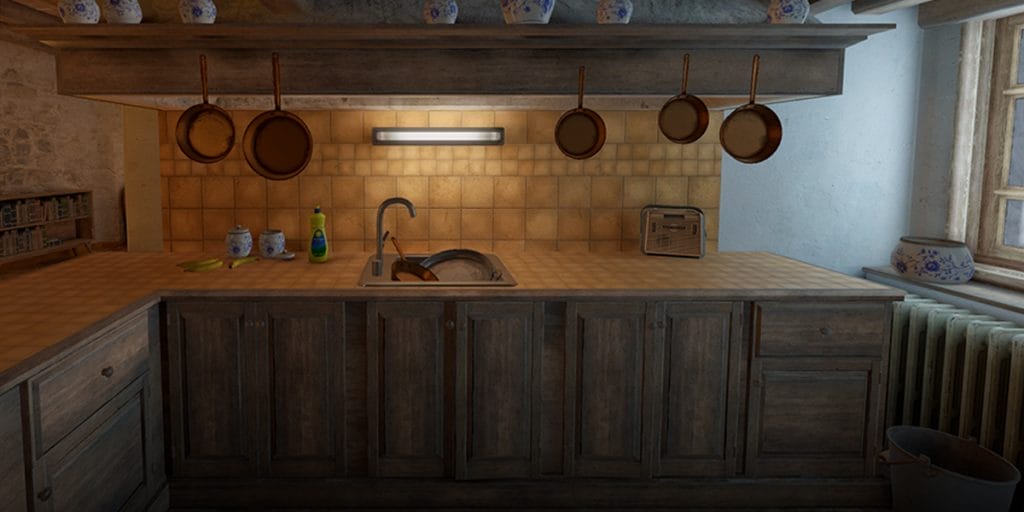
- Warmth, character, and “home” feeling: Rustic kitchens don’t look like showroom pieces — they look like places where families cook, share meals, and make memories. The natural materials and cozy vibe bring real warmth.
- Natural materials & sustainability: Wood, stone, reclaimed materials — they connect us to nature, to tradition, to craftsmanship. Many rustic kitchens today even use reclaimed wood or responsibly-sourced materials.
- Durability & practicality: A well-built rustic kitchen can stand the test of time — scratches, dents, wear can add character rather than ruin it. And because it’s made for use, it’s less about perfection and more about living.
- Emotional comfort & nostalgia: For many, rustic design evokes simpler times — a countryside home, an old cabin, a slower pace of life. In a fast-paced world, that sense of grounding and authenticity is priceless.
What CS2 Can Teach Our Real Kitchens
That little CS2 kitchen may just be digital pixels — but it captures an aesthetic that’s deeply human: comfort, warmth, belonging. If games can use this style to create a welcoming scene, why can’t we bring that into our actual homes?
Even if you live in a modern city apartment — you can still translate “rustic” into “urban rustic”: mix wood cabinets with modern appliances, pair warm wooden finishes with sleek metal, add touches of stone or handcrafted ceramics, and let your kitchen feel like a cozy retreat, not just a cooking area.
Let that in-game kitchen remind you: behind every wall and cabinet is a chance to create a space that feels like home, that tells a story, that ages with you.
Final Thoughts
If you’ve ever walked through a kitchen in a game like CS2 and thought “Hey — this feels homey,” you’re not wrong. That same sense of home, of warmth, of real-life comfort — it exists in Rustic kitchen design in the real world.
Whether you’re remodeling, building a new kitchen, or just daydreaming — the cabin-in-the-woods / farmhouse / rustic style has a timeless appeal. It’s natural, it’s lived-in, it’s real.
And sometimes, all it takes is one image from a game to remind you what you really want when you build your home. So… can you guess which CS2 map this cozy kitchen is from?


Related posts
Although the kitchen is often only a few square meters in size, it carries an enormous responsibility in daily life. It supports three meals a... Continue reading
Bathroom renovations often look simple on paper, yet anyone who has gone through one knows how many small decisions quietly affect daily comfort for years.... Continue reading

I’ve designed more laundry rooms than I can count, and if there’s one thing I’ve learned, it’s this:a poorly planned laundry room will frustrate you... Continue reading

Choosing the right bathroom vanity can feel overwhelming—trust me, you’re not alone! In the United States, there’s no one-size-fits-all solution. Your perfect vanity depends on... Continue reading
I’ve been designing kitchens for over 20 years, and if there’s one thing I’ve learned, it’s that color matters — not just for aesthetics, but... Continue reading






Add comment