No products in the cart.
Return To Shop or
or  ,
,


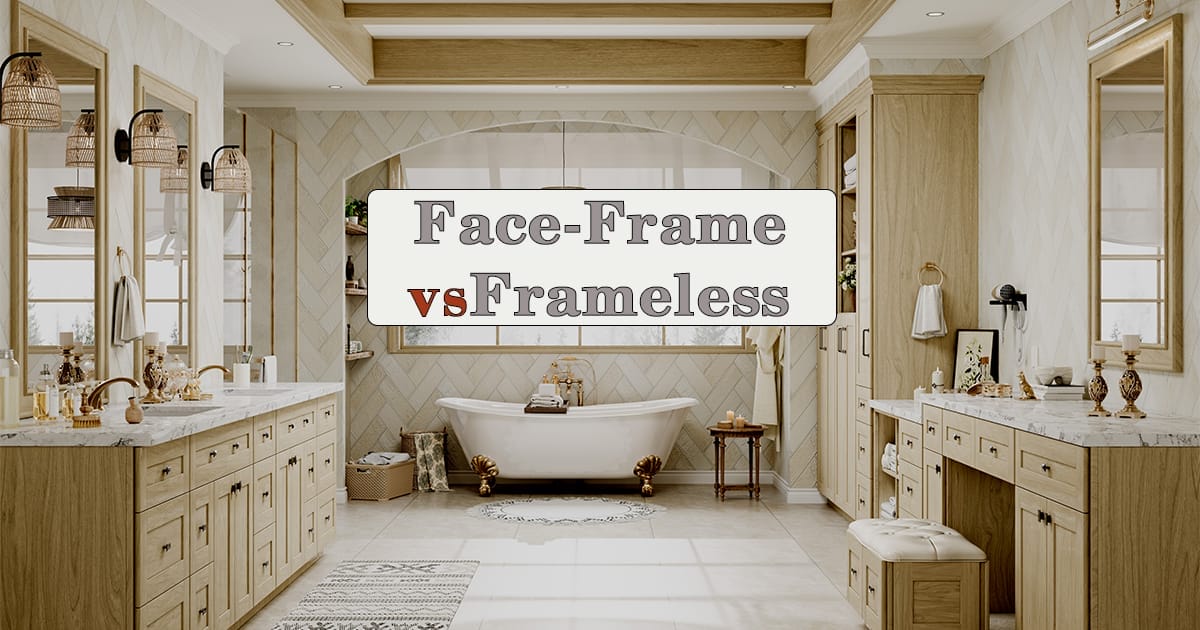
Face-Frame vs Frameless: Which Is Right for Your Kitchen?
When you dream of a new kitchen — maybe open-concept, gleaming white, or cozy and farmhouse-style — it’s easy to get caught up in door styles, colors, hardware and countertops. But one of the most important decisions often happens “behind the scenes”: the cabinet construction type. Whether your cabinets are face-frame or frameless will impact everyday life in your kitchen — from storage efficiency to durability to how much you actually use the space.
As a kitchen designer with over 20 years’ experience — and a mom who’s done her fair share of late-night dishwashing — I want to walk you through the pros and cons of each style. My hope is to help you choose the one that truly fits your home, your family, and your daily rhythm.
Table of Contents
What’s the difference: Face-Frame vs Frameless Cabinets
Face-Frame Cabinets
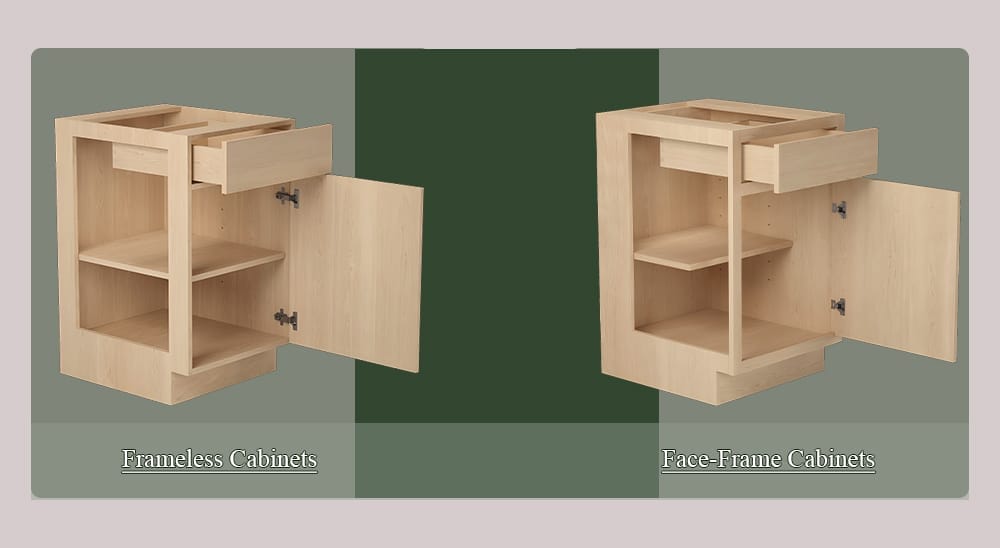
A “face frame” is a wooden frame attached to the front of the cabinet box — made of vertical pieces (“stiles”) and horizontal pieces (“rails”). Doors and drawers are mounted to this frame. This traditional style has been widely used in American cabinetry for decades.
Depending on how the door overlays the frame, you may see part of the frame when the doors are closed (partial overlay), or nearly none (full overlay / inset). This gives some flexibility in door style and visual effect.
Frameless Cabinets (European / Full-Access)
Frameless cabinets skip the face frame. Instead, the doors and drawers attach directly to the edges of the cabinet box. Because there’s no frame in front, you get a clean, seamless front and more internal space. This style has become increasingly popular, especially for modern, minimalist or European-inspired kitchens.
Because the doors overlap the box edges almost fully, the look is sleek and contemporary.
Face-Frame vs Frameless: Pros & Cons
Here’s a breakdown of how each performs — and what that means for families living in the kitchen every day:
| Feature | Face-Frame Cabinets | Frameless Cabinets |
|---|---|---|
| Storage Efficiency | Slightly less — the frame reduces usable opening slightly, drawers/shelves a bit narrower. | More — no frame means full access to the interior, easier to store large items or wide bakeware. |
| Durability & Stability | Very strong — frame keeps box square and resists “racking” or warping over time. | Depends on box materials/quality — requires thicker panels and good construction to remain stable. |
| Design & Style Flexibility | Works with traditional, transitional, even some modern styles. Supports door styles like inset, partial/full overlay. | Clean lines, minimal seams — ideal for modern, contemporary, minimalist kitchens. Often better for slab/flat doors. |
| Access & Usability | Slightly obstructed by frame — retrieving large pots/dishes or installing roll-outs may be less convenient. | Easier access, smoother storage — especially helpful in smaller kitchens or high-use households. |
| Installation & Tolerance | More forgiving — frame helps hide uneven walls or small installation imperfections. Good for older houses. | Installation requires precision; misalignment more visible; side panel strength and proper installation are critical. |
| Maintenance / Everyday Life | Slightly more nooks/edges (frame edges) to wipe; but stable structure reduces long-term adjustment needs. | Smooth surfaces easier to wipe; less sticking points, but hinges and slides need good quality to avoid sagging. |
How to Choose the Right Cabinet Style

Choose Face-Frame If:
- Your home is older, walls/floors are not perfectly even, or you don’t want a demanding install.
- You prefer a classic, traditional kitchen look, or want flexibility in door styles (inset, overlay, farmhouse-style details).
- You want long-term durability, especially if your kitchen sees heavy daily use (kids, pets, frequent cooking).
- You like the forgiving tolerance: small shifts or humidity changes are less likely to ruin door alignment.
Good for: traditional / farmhouse / transitional kitchens; family homes; those who value sturdiness and ease of maintenance.
Choose Frameless If:
- Your kitchen is modern, open, minimalistic — you love clean lines, full-access cabinets, and maximal storage.
- Space is limited — you want every inch usable, drawers wide, easy access to back corners.
- You are doing a full renovation with good walls/floors (or new construction) — framing isn’t needed for structural support.
- You want a sleek, European-style kitchen and care about modern aesthetics as much as practicality.
Good for: small kitchens / apartments / open-concept homes; families wanting maximum storage & efficiency; lovers of modern design.
A Mixed Approach
You don’t have to pick one exclusively. Many modern kitchens benefit from a hybrid approach: frameless base cabinets (for storage & efficiency) + face-frame or overlay upper/display cabinets (for visual interest, traditional touch, or easier installation). This gives you the best of both worlds — practical storage where needed, style where visible.
Designer Tips from 20+ Years
- Pick quality materials — especially for frameless style. Choose thicker plywood/MDF and reliable European-style hinges/slides so drawers and doors stay aligned over time.
- Plan storage based on usage — use deep drawers or roll-outs in frameless base cabinets for pots/pans; use upper or narrower face-frame cabinets for dishes or lighter items.
- Mind your space & walls — if walls are crooked or uneven, face-frame offers more tolerance, less visible gaps, easier installation.
- Mix and match styles if needed — use frameless for hidden storage (pantry, prep area), face-frame or overlay for zones you want to showcase (island, display cabinets).
- Maintenance matters — for frameless cabinetry, keep hinges and drawer slides maintained; for face-frame, remember to clean the small gaps around frames (crumbs love to hide there!).
Final Thoughts: What Fits Your Family Best
After two decades designing kitchens and living in them myself, I can say this with certainty: there’s no “best cabinet type for everyone.” The right choice depends on who you are, how you cook, how you live, your space, your style — and yes, how much you want to clean.
If you crave modern simplicity, full storage access, and a sleek look — frameless might make your daily kitchen life smoother. If you value sturdiness, flexibility, and a timeless feel — face-frame is a safe, reliable choice that won’t disappoint.
And if you can — mix them. Use each where it makes sense. That’s often the smartest move.
In the end, a kitchen should be lived in — washed dishes at 10 pm, sticky little handprints, coffee spills, homework on the counter. Choose cabinets that stand up to real life.
Your kitchen doesn’t have to be perfect — just perfect for you.


Related posts

Receiving the keys to a new home is an exciting milestone yet it often brings an important and sometimes confusing question. What is the best... Continue reading

The kitchen is far more than a place for cooking meals. In many American homes it has become a central space for daily routines family... Continue reading
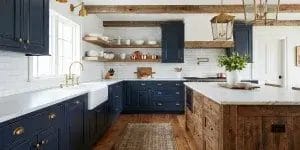
Kitchen cabinets play a vital role in both the function and visual identity of a kitchen. Among all cabinet components, cabinet doors are the most... Continue reading
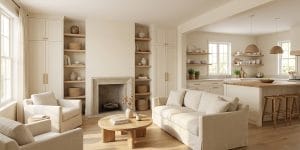
The colors you choose for your home don’t just paint walls—they shape moods, create feelings, and influence how every day unfolds. In 2026, whole home... Continue reading
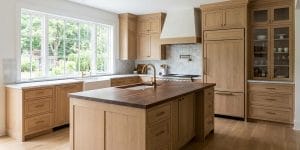
In modern home renovation projects, custom cabinetry has become a core element in both kitchen and bathroom planning. Choosing the right custom cabinet supplier is... Continue reading





Add comment