No products in the cart.
Return To Shop or
or  ,
,


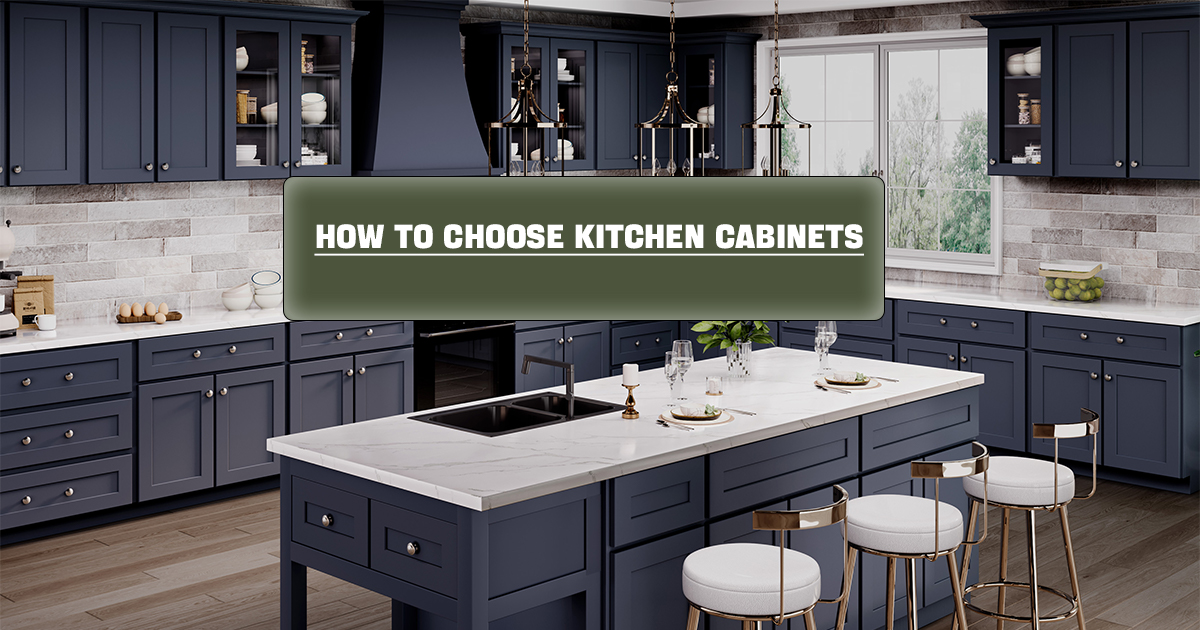
How to Choose Kitchen Cabinets
(From a kitchen designer with 20 years of experience)
Table of Contents
Why Cabinets Matter
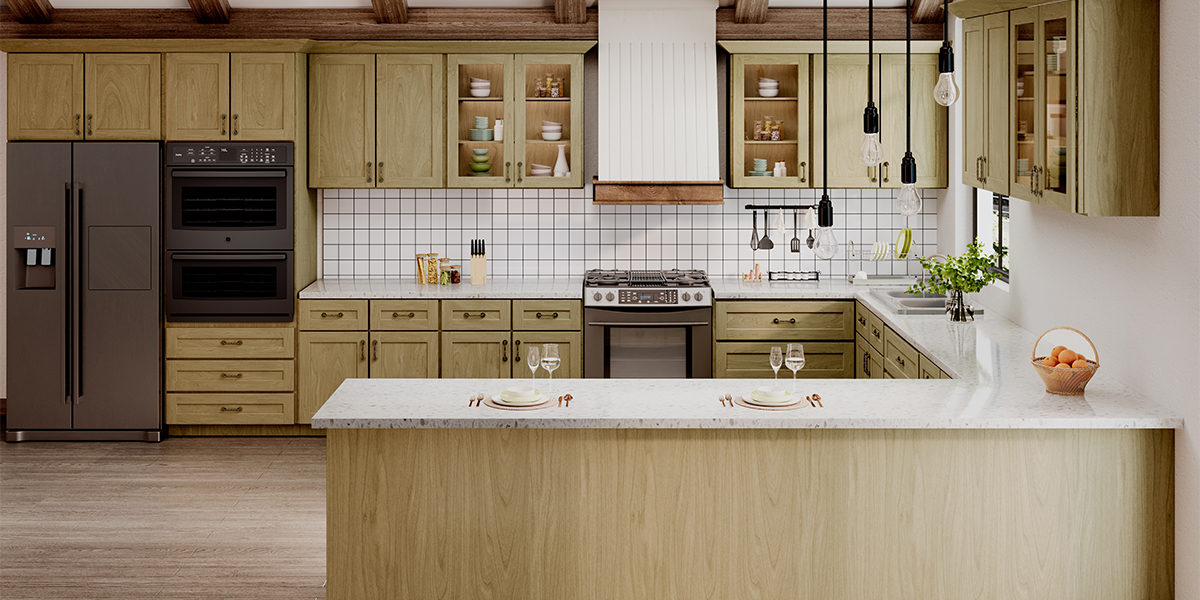
Let’s be honest: when you’re up at dawn, coffee in hand, prepping breakfast for the family, the kitchen is your command center—and the cabinets are the workhorses. They hold the pans and dishes, hide the clutter, and set the tone for how your kitchen feels. So when you decide to remodel or refresh your kitchen, selecting the right cabinets is more than a décor choice—it’s investing in your daily comfort and ease.
After two decades working alongside countless homeowners—especially you, the multitasking moms who value both beauty and practicality—I know the questions you’re silently asking:
- “Our space isn’t huge—how do I pick cabinets that look good and work hard without the room feeling boxed in?”
- “I cook a lot. My pots and pans are a mess. What materials will stand up to the wear and still look nice? Can I afford that?”
- “There are so many styles, finishes, and colours—how do I match the cabinets to the rest of the kitchen without making a mistake?”
- “I want great storage, easy access, a cabinet I won’t regret five years from now—but I don’t want to blow my budget.”
Let’s walk through the key things you’ll want to consider when choosing kitchen cabinets—from materials and finish to storage design and budget—so you feel confident and clear when you go shopping or planning your upgrade.
1. Choosing the Right Material: Balance durability, cost & everyday use
Different cabinet materials mean different lifespans, uses, and yes—price tags. Here’s a handy comparison:
| Material | Pros | Cons | Best for |
|---|---|---|---|
| Solid Wood | Rich feel, long‑lasting, can be refinished | Highest cost; subject to humidity/expansion | Homes planning to stay long‑term, premium kitchens |
| MDF (Medium‑Density Fiberboard) | More affordable; smooth surface for paint/finish | Less durable than solid wood; may swell in moisture | Mid‑range budgets, more colour options |
| Particle Board / Chipboard | Most budget‑friendly | Least durable; vulnerable to moisture damage | Temporary homes, very tight budgets |
| Veneer / Laminate over a baseline board | Looks like real wood or high‑end finish at mid‑price | Depends on quality of veneer; cheaper subs may peel | Want the “look” of premium but on a moderate budget |
To choose the right option for your home, it helps to understand how each material performs long-term. Our full guide on cabinet material choices breaks this down in more detail.
Pro tip: In a kitchen, moisture, steam and daily use are your biggest challenges. So when I meet a client, I always say: pick a material that resists moisture, can take daily abuse, and still looks good. A cheaper cabinet will end up costing more in frustration (and replacement) later.
2. Cabinet Style: Match your kitchen’s personality
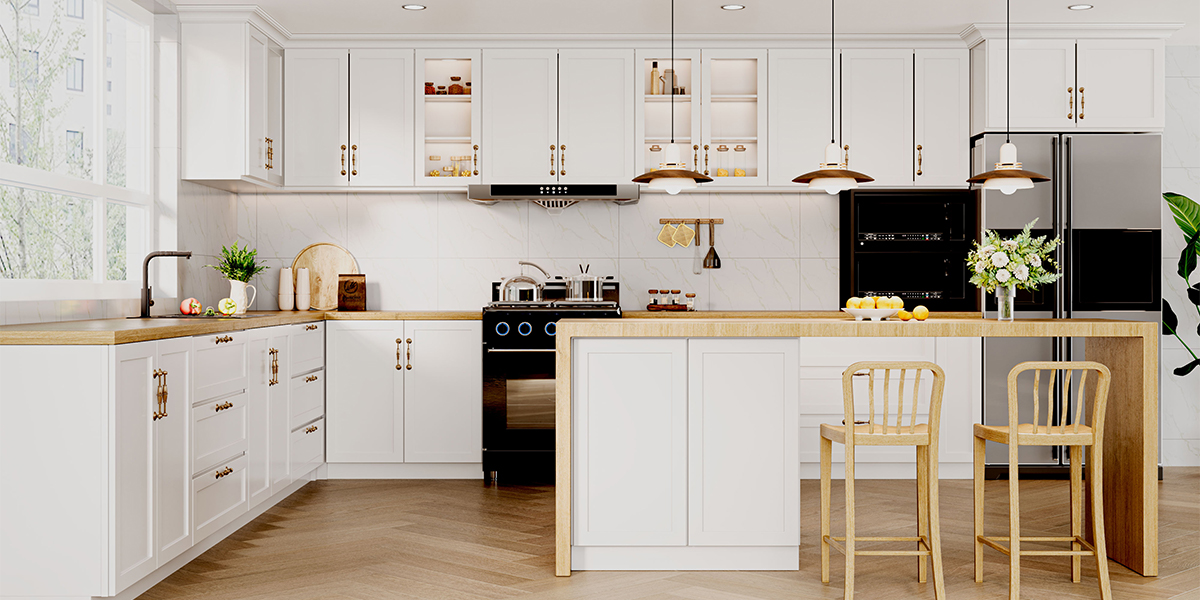
Cabinets dictate style. They set the mood. So, here are three popular styles with advice on how to pick what suits your kitchen.
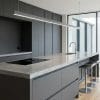
Modern / Contemporary
- Clean, flat‑panel doors (sometimes called “slab” doors), minimal hardware.
- Works beautifully in open‑plan or new homes with lots of light.
- But beware: if your kitchen is darker or more traditional, this look can feel cold.
Tip: To soften it, mix in a bit of warm wood or textured hardware so it still feels homey. Learn more about modern vs. traditional kitchen cabinets to see how this style compares to other options.
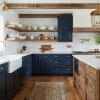
Farmhouse / Country
- Think: Shaker cabinet doors, warm woods or white with decorative touches.
- Feels warm, welcoming—great if your kitchen is the family hub.
- If your room is small or dim, steer clear of very dark wood tones (they shrink the space visually).
Get inspired by farmhouse kitchen cabinet styles to see ways to make it cozy and functional.
Shaker (a versatile classic)
- This is a favourite I recommend again and again: the panel is simple, the look is timeless.
- Should you be unsure? Go with Shaker. It adapts well across styles, and you won’t regret it five years down the road. You can read more about why Shaker kitchen cabinets have stood the test of time or check the Shaker kitchen cabinets design guide for practical tips.
Cabinets often take center stage in a kitchen’s look, so choosing the right style is as important as colour or material.
3. Colour & Light: How to make your space feel brighter, larger & happier
Colour isn’t just pretty—it changes how you feel in the space, and how large or bright the kitchen appears.
- If your kitchen lacks natural light (north‑facing, small window) → favour lighter colours (whites, creams, light greys) to bounce light around.
- Want it to feel bigger? Use a light cabinet colour for the main body, then bring in a darker/contrasting tone on the island or lower cabinets.
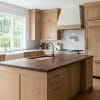
- If you love warmth and wood grain—go for it! But in a tighter or darker room, pick lighter wood finishes rather than very dark.
- Love colour but want to keep resale‑friendly? Use a neutral body (like off‑white) and add colour on just one element (e.g., the island or lower cabinetry).
And remember: cabinets don’t exist alone. They interact with your countertop, backsplash, floor, lighting. Your cabinet finish, colour and style should coordinate with other kitchen surfaces—see the top 5 kitchen cabinet colors for 2025 to get ideas that brighten and enlarge your space.
4. Function & Storage: Make your cabinets work for you
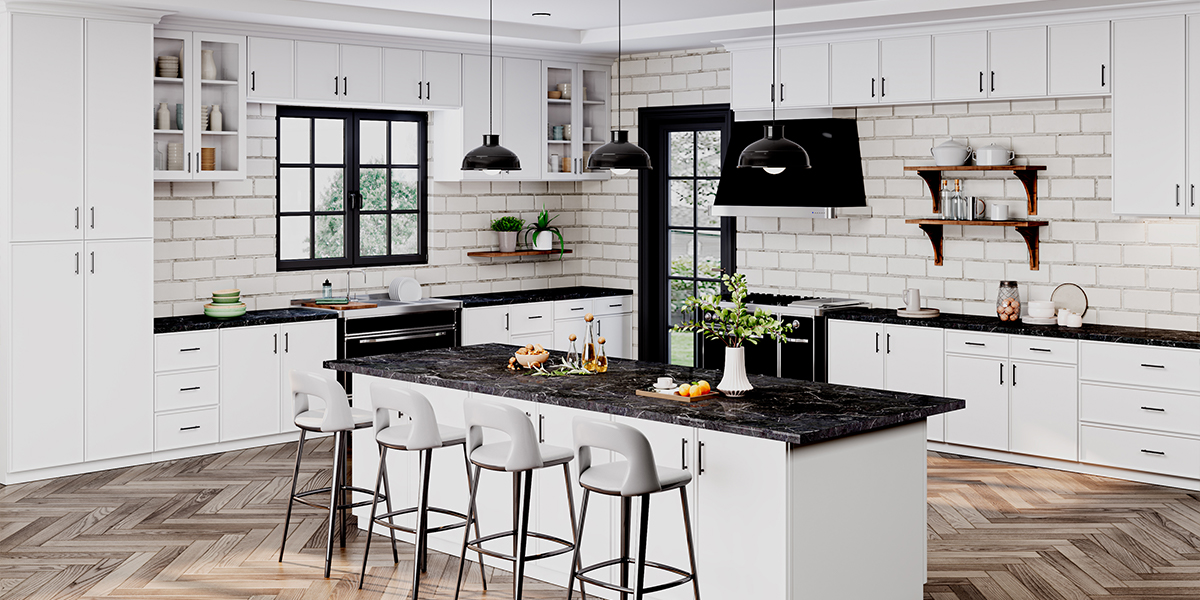
A beautiful cabinet that’s awkward to use is still frustration in disguise. Here are key features I urge my clients to consider:
- Drawers instead of only doors. A deep drawer gives you visibility and access—no bending around the door swing.
- Pull‑out trays, corner solutions, blind‑corner baskets. Two of the most wasted zones: under the sink and deep corners. Make sure your layout includes good access. —learn more about corner kitchen cabinet solutions.
- Tall cabinets or ceiling‑height units. If your ceiling allows it, going nearly up to the ceiling means less wasted space (and fewer dust zones).
- Organiser inserts, spice racks, appliance garages. These seemingly small elements make daily cooking smoother.
- Layout your storage according to use: frequently used items at comfortable height; infrequently used items up high.
- Think about hinge/slide quality (soft‑close, full extension drawers)—they add comfort and longevity.
5. Budget & Value: Where to spend more, where you can save
Here’s a simplified breakdown to help you anchor your budget:
| Tier | Material/Style | Typical Cost Range | Ideal For |
|---|---|---|---|
| Entry | Particle board + basic doors | Lowest budget | Rental, short term, modest usage |
| Mid‑range | MDF or veneer + more design detail + standard hardware | Moderate budget | Upgrading now, staying 5‑10 years |
| Premium | Solid wood, custom sizing, high‑end hardware and accessories | Highest budget | Long‑term home, high usage, premium finish |
Other things to remember: deciding between stock (pre‑made) vs semi‑custom vs fully custom cabinets can vastly change cost. Stock is cheapest but limited in size/finish; custom gives the best fit but costs more. One article emphasises that some elements (like hardware) are less important than choosing solid cabinet boxes —see this kitchen cabinet budget guide for more tips.
Also: installation, hardware, delivery, potential repairs—these are real costs, so build a buffer.
6. Things to Watch Out For & Common Mistakes
- Only focusing on doors, ignoring box quality. Doors may look great now—but if the cabinet box is weak, you’ll regret it later.
- Choosing style over usage. It might look lovely, but if you have to stretch or bend every time you open it, you’ll get tired of it.
- Ignoring the measurement/install phase. One mis‑measured cabinet can throw off the whole layout.
- Chasing every trend. Trends come and go; aim for classic + one trendy accent rather than full‑trend overhaul.
- Not checking hardware and warranty. Good hinges and slides matter. Ask: What’s the brand? What’s the warranty on cabinets?
7. My Favorite Practical Tips
- Regularly clean the interior of your cabinets—especially the top shelf and backs—because steam and grease build‑up are silent damage‑makers.
- Lubricate drawer slides and hinges occasionally to keep them smooth and quiet.
- If you choose wood or veneer, avoid excessive water exposure—steam fans, open windows, and good ventilation help.
- Want a mini refresh later? Changing just your hardware or painting your cabinets can boost the feel without full replacement.
- Storage logic: Keep your most‑used pans and dishes at waist level; the “whoops I forgot” stuff can go up top.
Conclusion & Final Takeaways
You now have a clear map: material, style, colour, function, budget—and real‑life tips from someone who’s been helping kitchens come alive for twenty years. Here’s your quick action list:
- Measure your space, note your light and habits.
- Write down how you use your kitchen (who cooks, how often, what you need at hand).
- Choose a style that matches your home’s character—and that you won’t regret in 5 years.
- Prioritise materials and storage features that will deliver daily value.
- Stick to a budget, allocating more for long‑term use items, less for trendy splurges.
And one more thing: Your kitchen is the heart of your home, and your cabinets are its outfit. Make sure it fits, feels good, looks great—and serves you beautifully for years.
Happy cabinet shopping—and may your next kitchen feel like the warm, efficient, joyful place you’ve always wanted. If you like, I’d be happy to walk you through some top cabinet brands and models on the U.S. market, so you’ve got concrete picks. Would you like me to pull those together?


Related posts

Receiving the keys to a new home is an exciting milestone yet it often brings an important and sometimes confusing question. What is the best... Continue reading

The kitchen is far more than a place for cooking meals. In many American homes it has become a central space for daily routines family... Continue reading
Kitchen cabinets play a vital role in both the function and visual identity of a kitchen. Among all cabinet components, cabinet doors are the most... Continue reading
The colors you choose for your home don’t just paint walls—they shape moods, create feelings, and influence how every day unfolds. In 2026, whole home... Continue reading
In modern home renovation projects, custom cabinetry has become a core element in both kitchen and bathroom planning. Choosing the right custom cabinet supplier is... Continue reading






Add comment