No products in the cart.
Return To Shop or
or  ,
,



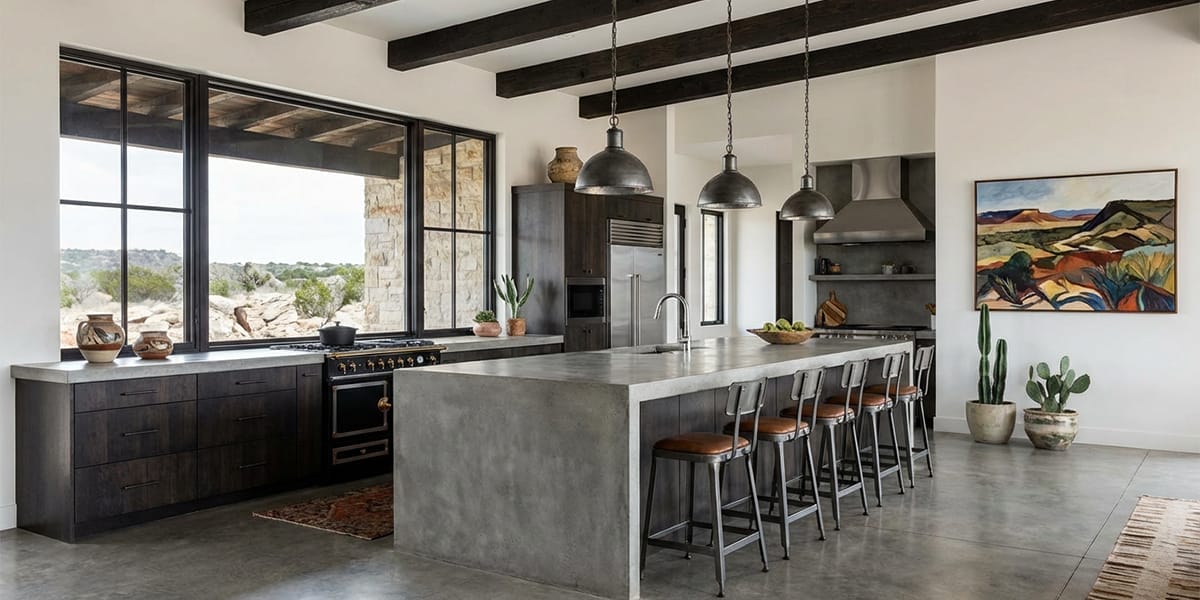
How to Choose Kitchen Cabinets: A Practical Buying Guide
Many homeowners feel that cooking at home has become more of a chore than a pleasure. Greasy cookware, piles of dishes, and lingering cooking odors can quickly turn the kitchen into a stressful space. In reality, most of these frustrations don’t come from cooking itself — they stem from poor planning during a kitchen renovation.
With thoughtful design and proper planning, a kitchen can feel completely renewed. Daily routines become easier, the space feels more inviting, and the kitchen once again becomes a place the whole family enjoys.
This guide will walk you through how to think about kitchen cabinets from the very beginning, helping you make informed decisions and avoid common mistakes.
Table of Contents
Step 1: Build a Basic Understanding of Kitchen Cabinets
At the start of the process, it’s normal to feel overwhelmed by questions:
- What cabinet colors are popular right now?
- What type of storage layout do I really need?
- How should the cabinets match my overall home style?
- How can I reflect my personal taste without sacrificing functionality?
Developing a clear direction takes time. It’s recommended to spend about four to eight days gathering information and forming an initial vision before making any decisions.
Here are several effective ways to do that:
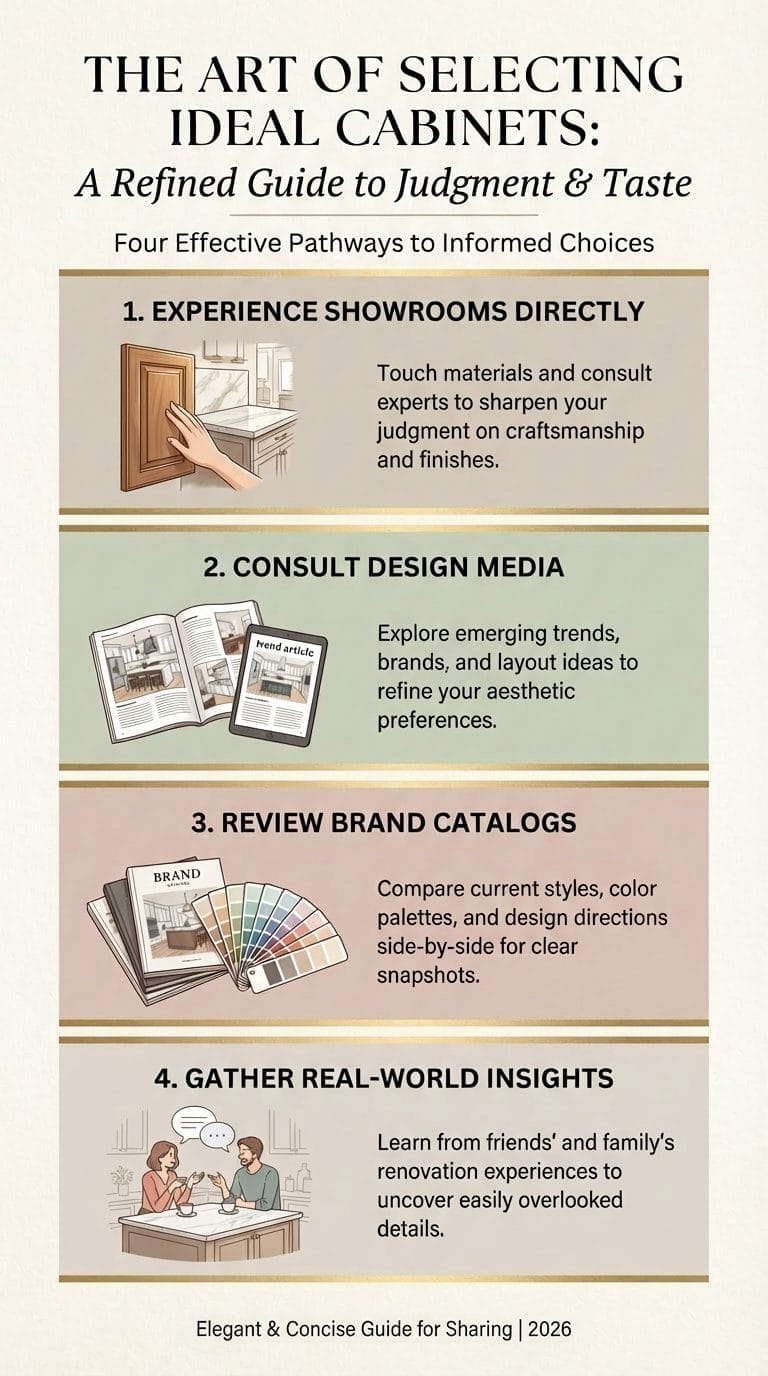
Visit Showrooms and Building Material Stores
Seeing cabinets in person provides the most direct understanding of materials, finishes, and craftsmanship. Visiting multiple brands in one location and speaking with different sales consultants will gradually sharpen your judgment.
Read Industry Articles and Design Magazines
These sources often introduce cabinet brands, layout ideas, and emerging design trends that can help you refine your preferences.
Browse Cabinet Brand Catalogs
Catalogs offer a clear snapshot of current styles, color trends, and design directions, making it easier to compare options side by side.
Talk to Friends and Family
Real-world user experiences are invaluable. Feedback from people who have already gone through a kitchen renovation often highlights details that are easy to overlook.
Step 2: Prepare Thoroughly Before Buying Cabinets
Measure Your Kitchen Accurately
Accurate measurements are essential. A detailed floor plan allows designers and sales professionals to communicate clearly with you and produce realistic layouts and pricing. The plan should clearly mark:
- Doors and windows
- Water pipes and gas lines
- Heating equipment
- Electrical outlets
Precise drawings also help you evaluate a company’s professionalism and avoid impulsive decisions.
Set a Clear Cabinet Budget
Your total kitchen budget typically includes:
- Cabinet costs
- Countertops
- Appliances
- Hardware and accessories
While everyone wants a beautiful kitchen, design must align with financial reality. A clear budget helps balance expectations and saves time for both you and the designer.
Provide Complete and Honest Information
Clear communication is critical. Share accurate details about your kitchen and household needs, including:
- Home layout and floor plan
- Pipe routing and kitchen orientation
- Number of household members and their ages
- Cooking habits and frequency
- Height of the primary cook
- Whether anyone is left-handed
- Any special requirements
The more accurate the information, the better the final design will match your expectations.
Consider Appliances and Dining Habits
How often do you cook at home? Do you host gatherings frequently? Appliance choices and cabinet layouts should reflect your real lifestyle, not just visual preferences.
Clarify Your Preferred Style
Images are extremely helpful. Reference photos allow designers to understand your taste quickly and refine ideas more efficiently.

Step 3: Key Factors to Evaluate When Choosing Cabinets
1. Review Material Quality and Construction
Since standards vary by brand, focus on materials and craftsmanship rather than brand names alone.
- Cabinet panels and carcasses should meet E1 environmental standards.
- Back panels should be at least 5 mm thick and also meet E1 requirements to ensure strength and safety.
- Edge banding should use 2–3 mm PVC or ABS, providing color consistency and durability.
Edge banding quality has a direct impact on cabinet lifespan. Inspect corners carefully, feel for smoothness, and check for clean joints without cracking.
Hardware such as hinges and drawer systems may use similar brands, but performance can vary due to manufacturing precision. Smooth operation and solid detailing are key indicators of quality.
Hidden components also matter:
- Hanging brackets should offer strong load-bearing capacity and allow precise cabinet alignment.
- Adjustable legs should support more than 70 kilograms per leg and allow height adjustment. Proper leveling helps prevent countertop cracking and extends cabinet lifespan.
2. Examine the Quotation Carefully
Understand what is included as standard and what counts as an upgrade. Request a detailed price list for optional items and ensure all extra charges are clearly explained and written into the quotation. If anything is unclear, ask before committing.
3. Evaluate Designer and Sales Expertise
Kitchen cabinets are a system-based product that requires professional guidance. A qualified designer can balance functionality, layout, and daily habits to create a kitchen that truly works.
Before placing an order, discuss layout suggestions and design logic. Reasonable, practical advice is often a strong indicator of service quality. Choosing cabinets also means choosing long-term support.
4. Inspect Fine Details
Pay close attention to:
- Edge finishes
- Cabinet stability
- Panel connections
- Door and drawer smoothness
Gaps should be straight, and alignment should remain consistent throughout the installation.
5. Understand the Ordering and After-Sales Process
Cabinets are a major investment. Review contract terms, delivery timelines, and after-sales service policies in advance. Clear agreements and reliable support help ensure a smooth purchasing experience and long-term satisfaction.
Final Thoughts
Choosing kitchen cabinets isn’t just about style or color — it’s about planning, materials, craftsmanship, and service. With proper preparation and informed decision-making, you can create a kitchen that looks good, functions well, and stands the test of time.


Related posts

Receiving the keys to a new home is an exciting milestone yet it often brings an important and sometimes confusing question. What is the best... Continue reading

The kitchen is far more than a place for cooking meals. In many American homes it has become a central space for daily routines family... Continue reading
Kitchen cabinets play a vital role in both the function and visual identity of a kitchen. Among all cabinet components, cabinet doors are the most... Continue reading

The colors you choose for your home don’t just paint walls—they shape moods, create feelings, and influence how every day unfolds. In 2026, whole home... Continue reading
In modern home renovation projects, custom cabinetry has become a core element in both kitchen and bathroom planning. Choosing the right custom cabinet supplier is... Continue reading










Add comment