No products in the cart.
Return To Shop or
or  ,
,


Kitchen Cabinet Design Trends Every Beginner Should Know
The kitchen is far more than a place for cooking meals. In many American homes it has become a central space for daily routines family interaction and personal expression. A well planned cabinet design can significantly enhance both the functionality and the overall atmosphere of a kitchen. However with the wide variety of cabinet styles materials and layouts available today many homeowners feel uncertain about where to begin. This guide explores current cabinet design trends and explains how to select options that truly match your space and lifestyle. Whether you are planning your first renovation or refining an existing kitchen the insights below offer practical direction and design inspiration.
Table of Contents
Emerging Trends in Modern Cabinet Design
As expectations for comfort efficiency and quality continue to rise cabinet design has evolved well beyond basic storage. Modern kitchens emphasize usability visual balance and long term adaptability.
One notable trend is multifunctional integration. Cabinets are no longer limited to holding cookware and dishes. Many designs now incorporate built in appliances adjustable shelves pull out storage systems and concealed compartments. These features help improve workflow reduce visual clutter and support a more efficient cooking experience.

Sustainable materials have also gained widespread attention. With increased awareness of environmental responsibility many homeowners now look for cabinets made from renewable or responsibly sourced materials such as bamboo recycled wood or low emission engineered panels. These options support sustainability goals while maintaining durability and consistent performance.
Smart technology has gradually become part of cabinet design as well. Motion activated drawers interior cabinet lighting and automated storage solutions improve convenience and safety especially in busy households. These features align naturally with the broader adoption of smart home systems.
Personalized customization remains a strong trend. Because kitchen layouts cooking habits and storage needs vary significantly custom cabinets allow homeowners to make better use of available space while reflecting personal preferences. Compared with standard configurations custom solutions often provide superior functionality and long term satisfaction.
How to Choose the Right Cabinet Design for Your Home
Selecting cabinets involves more than visual preference alone. A well informed choice should balance appearance functionality and durability.
Begin by measuring the kitchen accurately. Precise dimensions ensure that cabinets fit properly and allow for comfortable circulation throughout the space. Careful planning at this stage helps avoid installation issues later.
Next consider the overall interior style of the home. Cabinet design should complement the surrounding environment whether the style is modern transitional or traditionally inspired. Visual consistency helps the kitchen feel intentional and cohesive.
Material selection also plays a critical role. Solid wood offers natural warmth stainless steel is valued for ease of cleaning and moisture resistance while engineered panels provide affordability and uniformity. The right choice depends on budget maintenance expectations and desired appearance.
Functionality should guide every decision. Consider daily cooking habits and storage requirements. Features such as deep drawers spice organizers and integrated utensil storage can greatly improve usability. Cabinets designed around real usage patterns feel intuitive and efficient.
Establishing a realistic budget early in the process is equally important. While premium features and customization add value prioritizing essential elements helps control costs and ensures long term satisfaction.
Practical Design Tips to Elevate Your Kitchen
Thoughtful details can significantly enhance both appearance and performance.
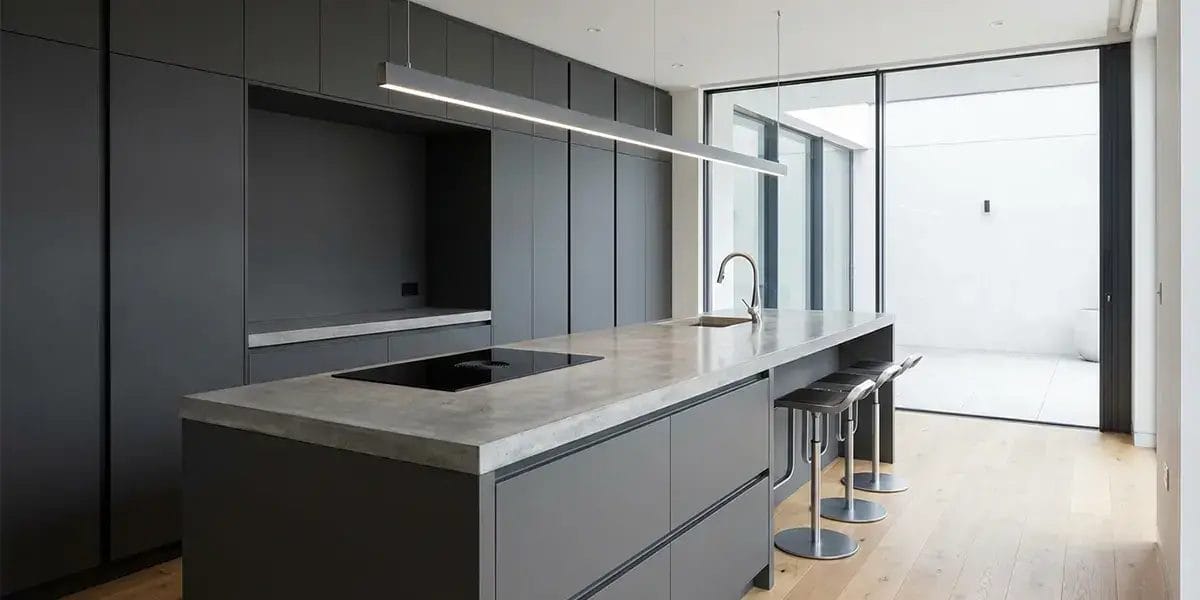
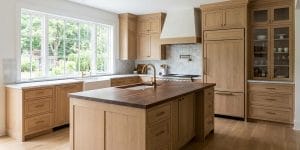
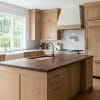
Color coordination contributes strongly to atmosphere. Neutral cabinet tones combined with natural materials such as wood flooring create a calm inviting environment. Subtle contrast adds visual interest without overwhelming the space.
Lighting deserves careful attention. Adequate illumination improves safety and usability while enhancing visual clarity. Under cabinet lighting is particularly effective for task areas and highlights material finishes.
Incorporating partial open shelving can introduce a sense of openness. Displaying select dishware or decorative items adds character and softens large cabinet surfaces.
Details such as hardware selection door operation and opening mechanisms also influence perceived quality. Smooth movement and comfortable handles contribute to a refined experience.
Corner spaces should be planned deliberately. With solutions such as rotating storage systems or corner pull outs these areas can become highly functional rather than wasted space.
Conclusion
Creating a well designed kitchen begins with thoughtful cabinet planning. Effective cabinets enhance daily efficiency improve visual appeal and serve as a defining element of the home. By understanding current design trends evaluating personal needs and focusing on practical details homeowners can create kitchens that are both functional and enduring. Whether starting fresh or upgrading an existing space these principles support confident and informed decisions.


Related posts

Receiving the keys to a new home is an exciting milestone yet it often brings an important and sometimes confusing question. What is the best... Continue reading
Kitchen cabinets play a vital role in both the function and visual identity of a kitchen. Among all cabinet components, cabinet doors are the most... Continue reading
The colors you choose for your home don’t just paint walls—they shape moods, create feelings, and influence how every day unfolds. In 2026, whole home... Continue reading
In modern home renovation projects, custom cabinetry has become a core element in both kitchen and bathroom planning. Choosing the right custom cabinet supplier is... Continue reading
A laundry room should not exist only as a practical corner of the home. While functionality is essential this space can also reflect personal taste... Continue reading






Add comment