No products in the cart.
Return To Shop or
or  ,
,


Ultimate Guide to Choosing a Reliable Custom Cabinet Supplier
In modern home renovation projects, custom cabinetry has become a core element in both kitchen and bathroom planning. Choosing the right custom cabinet supplier is not only about visual appeal, but also directly affects everyday usability, long term durability, and overall satisfaction with the space. With so many suppliers on the market offering similar promises, making an informed decision can feel overwhelming. This guide provides a comprehensive framework to help homeowners and designers identify a reliable custom cabinet partner that truly meets their needs.
Table of Contents
Material Sustainability and Long Term Durability
Material quality is the foundation of any cabinet system and should be the first criterion when evaluating a supplier. A reputable custom cabinet manufacturer should prioritize materials that meet recognized environmental standards, ensuring low emissions and safe indoor air quality. At the same time, cabinet panels and components must demonstrate strong resistance to moisture, stains, and daily wear.
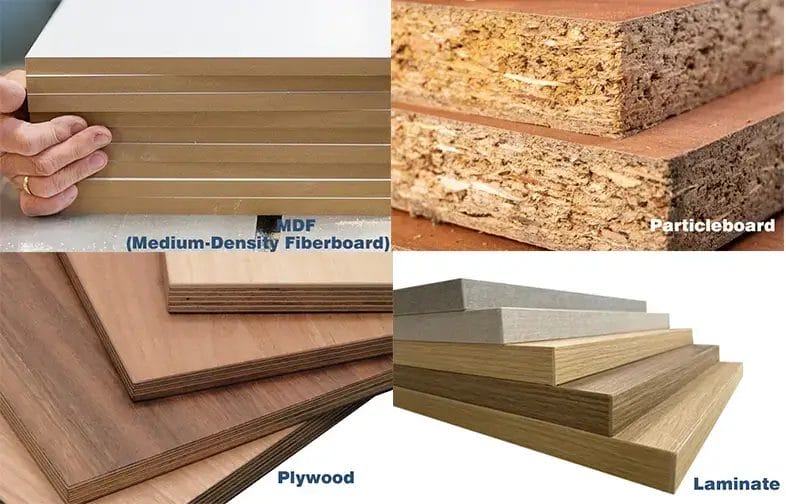
Leading brands in the custom cabinetry industry emphasize the use of high density engineered panels combined with advanced moisture resistant treatments. These materials are designed to remain stable even in humid environments such as kitchens and bathrooms, where temperature changes and water exposure are common. In contrast, lower quality suppliers may rely on inexpensive boards with minimal protection, which often leads to warping, surface discoloration, or edge swelling after only a short period of use.
When comparing suppliers, it is essential to review material certification documents and test reports rather than relying solely on marketing language. Suppliers that are transparent about material sourcing and environmental performance demonstrate a higher level of professionalism and long term responsibility. Choosing such a brand not only protects your investment, but also contributes to a healthier living environment.
Design Philosophy and Functional Planning
Beyond materials, thoughtful design separates an average cabinet supplier from an exceptional one. High quality custom cabinetry should follow a people oriented design philosophy, where layouts and features are built around real life usage rather than purely visual trends.
Effective space zoning, flexible storage systems, and carefully considered details all play a role in daily comfort. Adjustable shelving, modular interior organizers, and concealed storage solutions allow cabinets to adapt as household needs change over time. Compared with traditional standardized products, custom cabinetry with smart storage design offers significantly higher efficiency and convenience.
Innovative suppliers also pay close attention to ergonomics. Integrated power outlets, concealed pull out baskets, and easy access corner solutions improve workflow while keeping surfaces clean and visually balanced. When selecting a supplier, reviewing completed project examples can be extremely helpful. Look for evidence that the brand offers tailored solutions rather than forcing clients into fixed templates.
Craftsmanship and Quality Control Standards
Manufacturing precision directly determines the lifespan and safety of custom cabinets. From panel cutting to hardware installation, every step of production should follow strict quality standards. Advanced suppliers invest in automated processing equipment to ensure consistent accuracy, smooth edges, and tight joints throughout the entire cabinet system.
High quality hardware is another key indicator of craftsmanship. Hinges and drawer slides should be tested for durability under frequent opening and closing. Cabinets used daily must operate smoothly and quietly over many years without loosening or structural failure.
Smaller or less experienced manufacturers may lack rigorous quality control systems, which can result in misaligned doors, uneven gaps, or unwanted noise during use. For this reason, it is advisable to ask about production processes, inspection procedures, and warranty coverage before making a final decision. A strong quality assurance system reflects a supplier’s confidence in its products.
Value for Money and Service Support
In custom cabinetry, value for money does not simply mean choosing the lowest price. True value is achieved when quality, performance, and service align with the budget. Well established brands often optimize their supply chains and production efficiency, allowing them to deliver premium quality at competitive price points.
A reliable custom cabinet supplier should provide end to end service support, including measurement, design consultation, manufacturing, delivery, and installation. This integrated approach reduces communication errors and ensures that the final result matches the original design intent.
Transparent pricing is equally important. Clear quotations and detailed specifications help customers understand exactly what they are paying for and avoid unexpected costs later. Long term after sales support also plays a critical role, as cabinetry is a long term investment that may require adjustments or maintenance over time.
Conclusion
Selecting the right custom cabinet supplier is a strategic decision that influences both daily living and long term home value. By carefully evaluating material quality, design capability, craftsmanship standards, and service systems, homeowners can confidently choose a partner that delivers lasting performance and refined aesthetics. A well chosen supplier transforms cabinetry from simple storage into a functional and enduring part of the home.


Related posts

Receiving the keys to a new home is an exciting milestone yet it often brings an important and sometimes confusing question. What is the best... Continue reading

The kitchen is far more than a place for cooking meals. In many American homes it has become a central space for daily routines family... Continue reading
Kitchen cabinets play a vital role in both the function and visual identity of a kitchen. Among all cabinet components, cabinet doors are the most... Continue reading
The colors you choose for your home don’t just paint walls—they shape moods, create feelings, and influence how every day unfolds. In 2026, whole home... Continue reading
A laundry room should not exist only as a practical corner of the home. While functionality is essential this space can also reflect personal taste... Continue reading







Add comment