No products in the cart.
Return To Shop.png?sharp=1)


Floating Cabinet
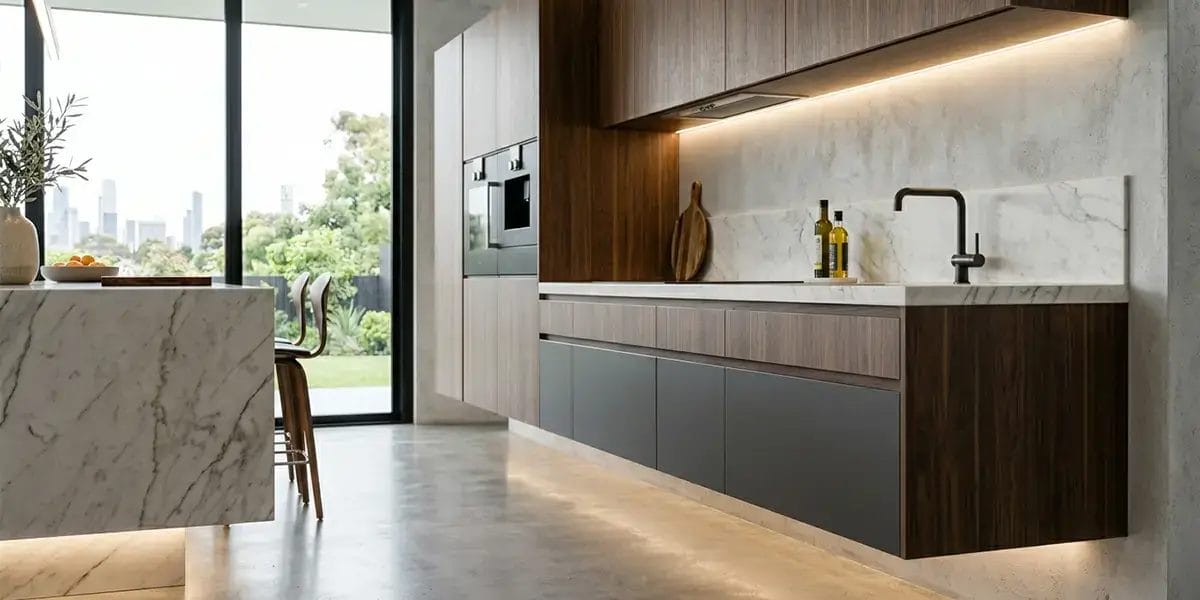
A floating cabinet, also known as a wall-mounted cabinet, is a cabinet that is securely attached to the wall without touching the floor. It creates a clean, open look and is widely used in modern kitchens, bathrooms, and living spaces across the U.S.
From a design perspective, one of the biggest advantages of a floating cabinet is how it visually opens up a space. Because the floor remains fully visible, the room feels larger, lighter, and easier to maintain. For many homeowners—especially those who value both function and simplicity—this is a meaningful upgrade in everyday living.
A question I hear often is: Is a floating cabinet actually secure?
The short answer is yes—when installed correctly.
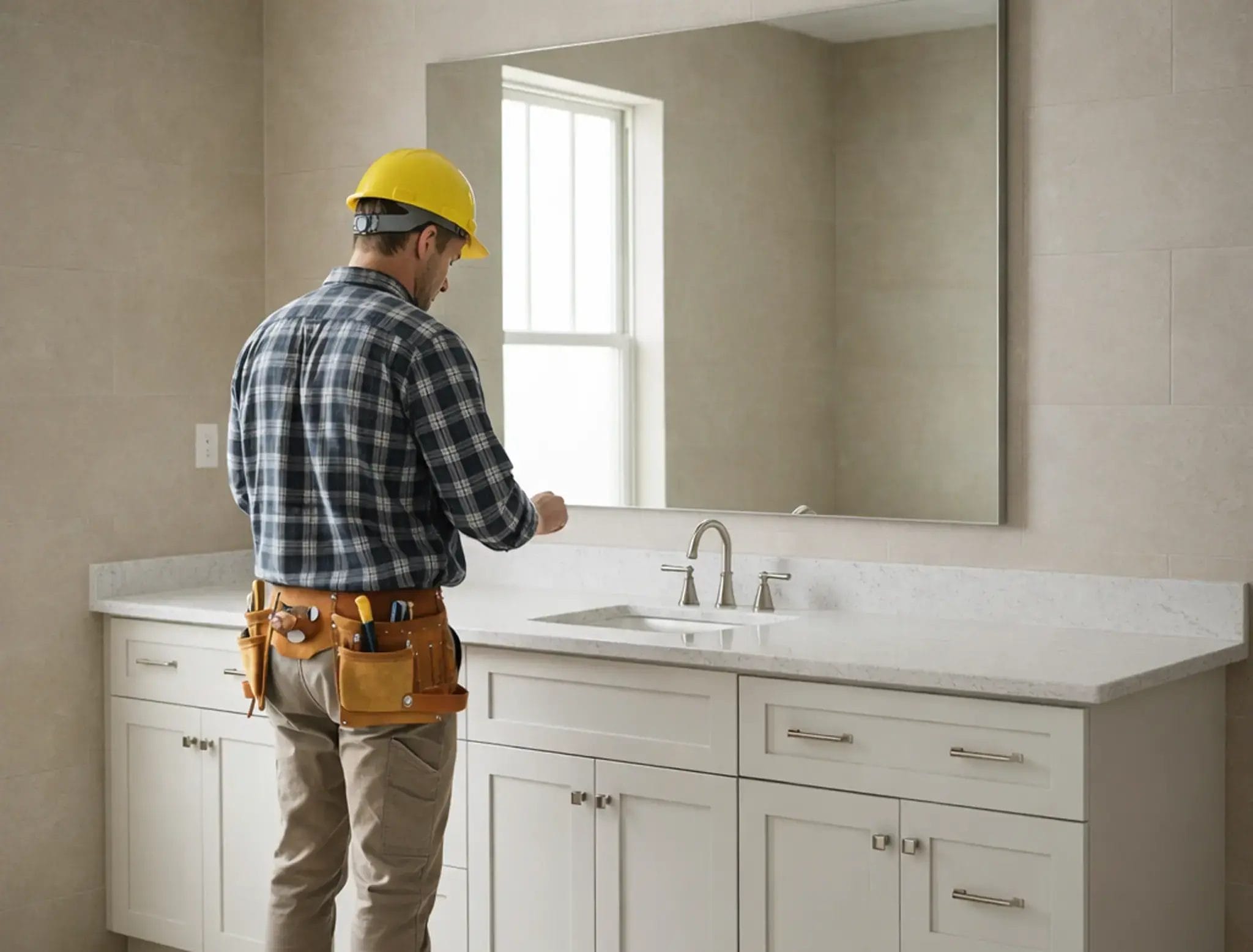
In most American homes, a floating cabinet is anchored directly into wall studs, which provide strong structural support. Professional installation typically includes heavy-duty brackets or rail systems that help distribute weight evenly. When these elements are done right, the cabinet is not “floating” in a risky way—it’s firmly supported by the structure behind the wall.
That said, not every situation is the same. A floating cabinet works especially well for bathroom vanities, decorative storage, or lighter-duty use. In kitchens, where cabinets may need to support cookware or stone countertops, careful planning becomes more important. The wall condition, hardware quality, and installation method all play a role in long-term performance.
If you’re working with an older home, it’s always a good idea to have the wall evaluated before installation. A small adjustment, like adding reinforcement, can make a big difference in safety and durability.
In simple terms: a floating cabinet isn’t about having less support—it’s about having the right support in the right place. When designed and installed properly, it offers both a modern look and dependable performance for everyday use.


About author






Add comment