No products in the cart.
Return To Shop or
or  ,
,


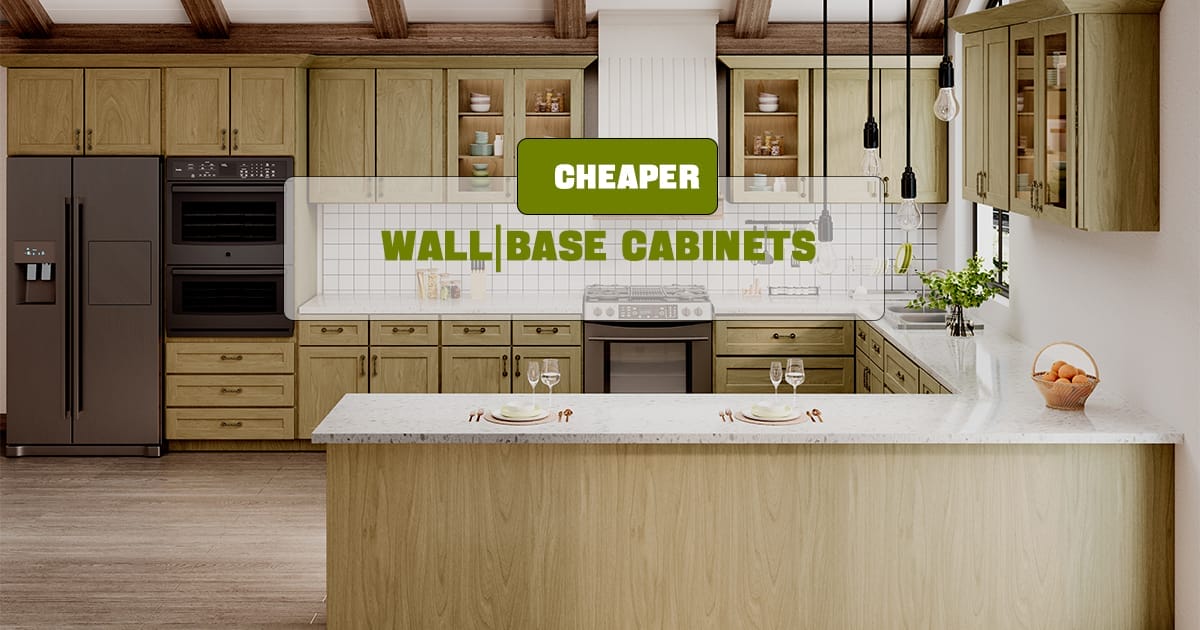
Are Wall Cabinets Cheaper Than Base Cabinets?
When you’re planning a kitchen makeover—whether it’s a complete overhaul or a refresh—you’ll inevitably ask: “Are the wall cabinets cheaper than the base cabinets?” Maybe you’re budgeting, picking colours and finishes, or trying to decide where to spend and where to save. As your kitchen-design big sister, I’m here to walk you through what really affects price and how to make smart choices so you get a beautiful—and sensible—kitchen.
Table of Contents
What’s the Difference Between Wall (Upper) and Base (Lower) Cabinets?
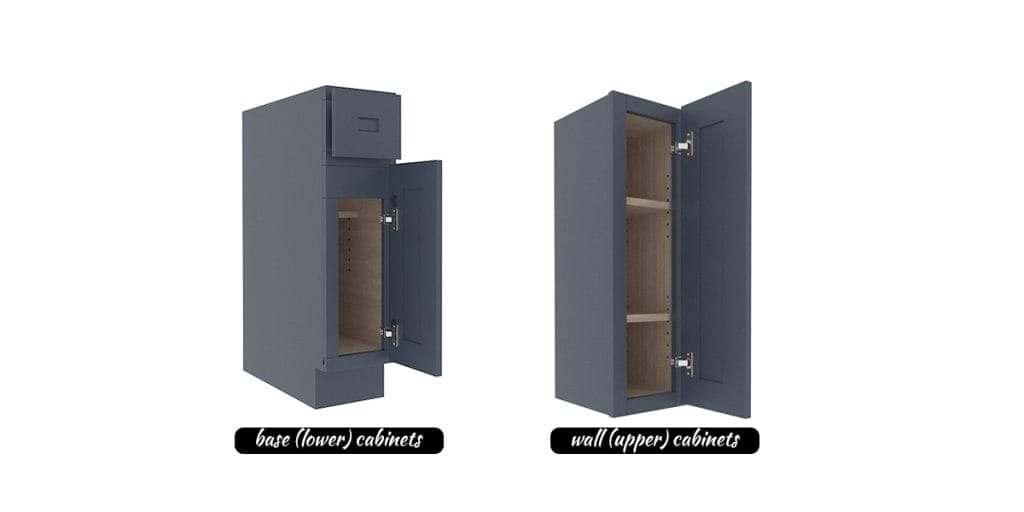
First, let’s get on the same page:
- Wall cabinets (also called upper cabinets) are mounted on the wall above the countertop, sink or appliances. They’re typically shallower (often around 12″ deep) and hang at eye level or higher.
- Base cabinets sit on the floor and support the countertop. They’re usually deeper (about 24″ standard) and taller when you include the countertop height (standard height about 36″). They hold heavier items, cookware, drawers, built-in appliances etc.
Because base cabinets are deeper, support more weight, integrate with countertops and appliances, and often feature pull-out drawers or more complex mechanisms, it often costs more to make and install them than simpler wall cabinets. But—and this is important—“often” doesn’t mean “always.”
If you’re planning an installation soon, it’s worth understanding whether to install upper or lower cabinets first to avoid extra labor or alignment issues later.
Are Wall Cabinets Generally Cheaper?
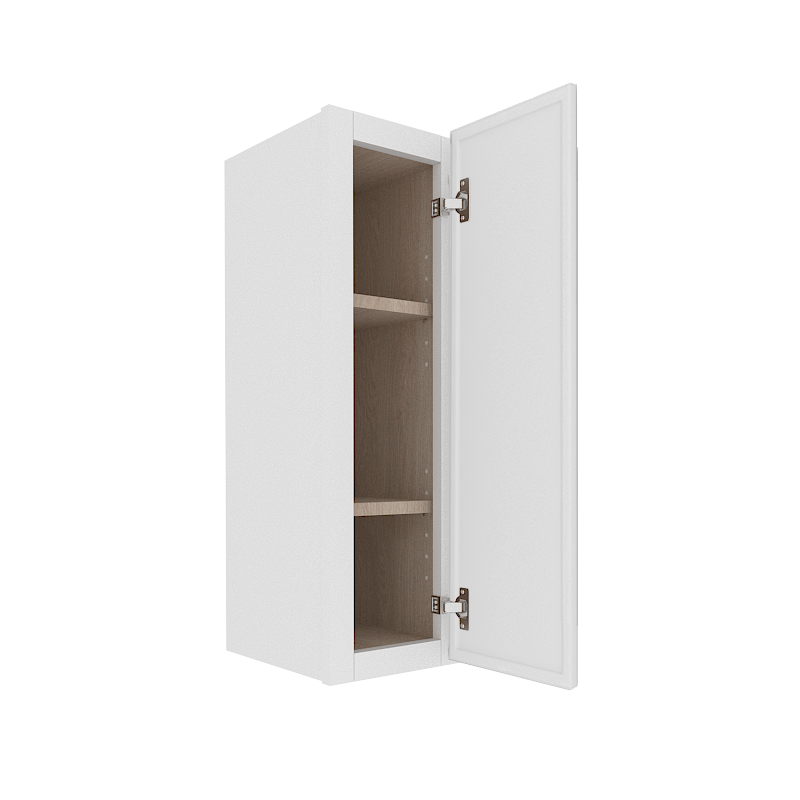
Ethereal White Micro Shaker Wall Cabinet with 1 Door
Original price was: $233.60.$175.20Current price is: $175.20.
Usually, yes — wall cabinets can be cheaper than base cabinets because they require less depth, support structure, and fewer heavy components. However, in practice, the price difference can be small or even reversed depending on a few key factors. Here’s why:
Reasons wall cabinets may be cheaper
- Shallower depth = less material (sides, backs, shelves)
- Fewer heavy‐duty hardware components (e.g. base cabinets might have full-extension drawer slides, heavy-duty hinges, pull-outs)
- No countertop interface or appliance integration requirement
Reasons base cabinets may cost more
- Base cabinets integrate with countertops, which requires stronger box construction, precise leveling, cabinet footers/shims, and interfaces
- More use of drawers, deeper storage, heavy cookware storage—so more internal accessories raise cost
- If a wall cabinet is tall (e.g., reaching ceiling), deeper than standard, includes glass doors or custom finishes, it can cost almost as much as base cabinets
In fact, when I look at cabinetry cost guides, they don’t always split wall vs base cost clearly. For example, one data set shows new kitchen cabinets (both wall + base) typically cost between $2,500 and $24,000, averaging around $5,500-$13,000 in the U.S. You can see more detailed breakdowns in our Kitchen Cabinet Budget Guide to understand how material, size, and layout influence total cost.
Another resource notes that stock “cupboards” (which include both wall and base) vary by material and design, not simply by whether they are wall or base.
So: yes, wall cabinets might cost less—but don’t assume they always cost significantly less.
How This Affects Style, Colour & Kitchen Design Choices
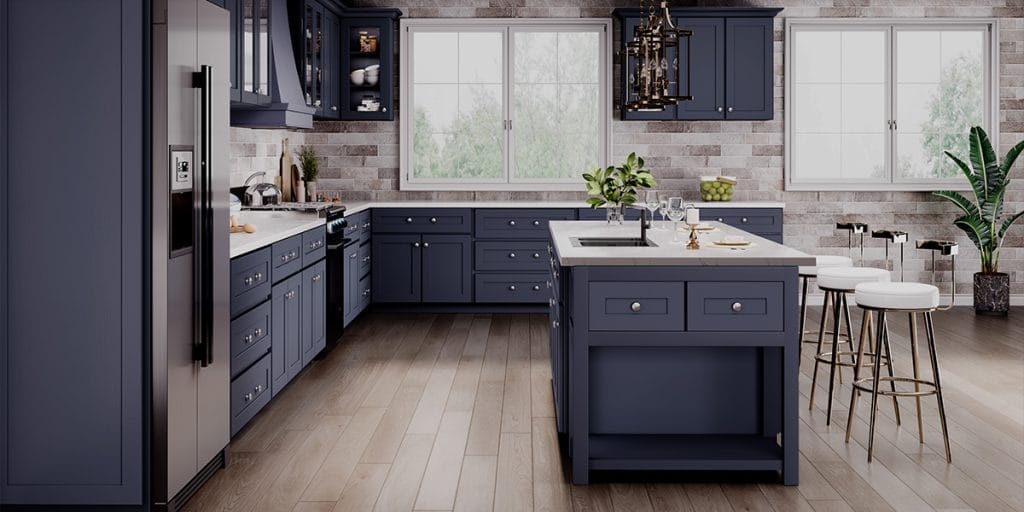
Since you’re planning your kitchen, here’s how the wall vs base cost idea ties into style and budget:
- Focus your budget where you’ll see and use it most. Many families open drawers a million times a day—so the base cabinets with drawers, good hardware and durability matter a lot. It might make sense investing more in the base cabinets (good finishes, strong materials) and choose simpler wall cabinets (a classic white or light neutral door) to visually elevate without bursting your wallet.
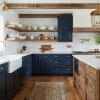
- Color and finish strategy. One on-trend look is light/white upper cabinets + darker wood or matte coloured lower cabinets. Because the lower cabinets often draw the eye (island, seating side, appliances) you can allocate more budget to them. Simpler finish on walls keeps cost down.
- For a refresh or renovation: think “visual front” and “workhorse back.” For example, if you’re updating your kitchen but keeping existing structure, you might retain the base box if it’s still solid and just update the upper doors and finish to lighten the feel. Or the other way around: keep upper structure and upgrade lower cabinetry if you want more function (better drawers, pull-outs).
- Installation and hidden cost matter. Even a cheaper wall cabinet will cost more if you’re installing in a tricky location (high ceiling, awkward wall, custom height). Leveling, anchoring, adjustments can add labour cost. That means the “cheap wall cabinet” isn’t always budget-friendly.
Real-World Advice for Remodels & Upgrades
Here are some friendly pointers:
- Measure early and separately your wall cabinet runs and base cabinet runs (linear feet). Ask your cabinet supplier/installer to quote wall units and base units separately if you want to compare. For best results, follow general layout and spacing principles—our Kitchen Planning Rules can help you get measurements right from the start.
- If budget is tight:
- Keep wall cabinets standard height/depth and neutral finish.
- Invest more in base cabinets: better finishes, stronger materials, nicer hardware.
- Consider scaling back wall cabinet quantity (fewer uppers, open shelving) to save money.
- If you’re aiming for high style:
- Consider two-tone cabinets (e.g., painted upper + wood lower). You might spend similarly on wall and base if finishes match high quality.
- Higher end wall cabinets (glass fronts, tall wall cabinets to ceiling, deeper depth) will cost almost as much as base cabinets—so plan budget accordingly.
- For DIY-ready folks or hands-on husbands/wives:
- Installing wall cabinets can be trickier (working overhead, anchoring into studs). If you’re DIYing, recognize that labour/time may still cost.
- If keeping existing base cabinets and just updating wall cabinets, check the structure—if old wall cabinet boxes are sagging, replacing them may cost more than expected.
- Leave room in budget for surprises. For example: wall surface behind wall cabinets may need repair; cabinet box on base may need floor levelling. I always advise keeping a contingency (5-10%) for things you couldn’t foresee.
Final Words & Your Next Steps
So—are wall cabinets cheaper than base cabinets? Often yes, but don’t treat it as a rule. The actual cost difference depends on depth, hardware, finish, structure, installation complexity. As your kitchen design-big-sister, I want you to walk into the planning meeting or showroom with knowledge—so you’re not blindsided by “why are these uppers almost the same price as lowers?”
Your quick action checklist:
- Measure wall and base cabinet runs (in linear feet) and get separate quotes.
- Ask: “What hardware, drawer types, finish levels differ between wall and base units?”
- Decide where you want to spend more (base vs wall) based on how you use the kitchen and what you see most.
- Pick your colour scheme: often wall cabinets can be simpler; lower cabinets can carry richer colour/wood tone.
- Budget a contingency for installation surprises (especially for base cabinet leveling or wall repairs for uppers).
Your kitchen isn’t just storage—it’s a heart of your home. I hope this gives you clarity so you can shop smart, budget well, and create a space that works hard and looks beautiful. Let’s make your kitchen feel like a place you genuinely love spending time in.


Related posts

Receiving the keys to a new home is an exciting milestone yet it often brings an important and sometimes confusing question. What is the best... Continue reading

The kitchen is far more than a place for cooking meals. In many American homes it has become a central space for daily routines family... Continue reading
Kitchen cabinets play a vital role in both the function and visual identity of a kitchen. Among all cabinet components, cabinet doors are the most... Continue reading

The colors you choose for your home don’t just paint walls—they shape moods, create feelings, and influence how every day unfolds. In 2026, whole home... Continue reading
In modern home renovation projects, custom cabinetry has become a core element in both kitchen and bathroom planning. Choosing the right custom cabinet supplier is... Continue reading







Add comment