No products in the cart.
Return To Shop or
or  ,
,


How to Choose Kitchen Cabinets: Balancing Quality, Function, and Style
In home renovation, the kitchen is one of the most frequently used spaces, and its core element the kitchen cabinet plays a key role in both daily comfort and overall aesthetics. When faced with countless brands and styles, many homeowners fall into the trap of prioritizing looks alone or chasing low prices. In reality, durability of materials, efficiency of space use, and harmony with the overall design style are the three factors that truly determine whether a kitchen cabinet is practical. This guide explores these dimensions to help you create a kitchen that is both visually appealing and long lasting.
Table of Contents
Material Durability Built to Withstand Daily Use
The kitchen is a demanding environment. Cabinets must cope with moisture, grease, temperature changes, and constant opening and closing, making material choice especially important.
Cabinet boards should balance environmental safety and moisture resistance. Common materials on the market include MDF particle board and HDF. MDF has a smooth surface that works well for decorative finishes and detailed door designs, giving a refined overall look. Particle board offers stable structure and good value, making it suitable for large cabinet areas. HDF has higher density and a more compact structure, delivering better strength and stability, which makes it ideal for users who care about durability and fine details.
Countertop materials should focus on wear resistance and stain resistance. Quartz countertops are widely used thanks to their hardness scratch resistance and low staining rate. When choosing quartz, pay attention to sand content and resin quality. Sintered stone stands out for its appearance but comes at a higher cost and can chip at the edges if not handled carefully. Stainless steel countertops suit minimalist kitchens but tend to show water marks and scratches more easily. It is best to avoid very low priced quartz products as they may contain excessive fillers that lead to discoloration over time.
Hardware details strongly affect daily experience. Hinges slides and pull out baskets influence both lifespan and comfort. High quality hinges can withstand hundreds of thousands of opening cycles. Soft closing slides improve usability and reduce noise. Pull out baskets are best made of stainless steel to prevent rust and deformation. A practical saving tip is to purchase premium hardware separately rather than relying on standard sets included with cabinets.
Space Efficiency Making the Most of Every Inch
For many households, kitchen space is limited. Smart cabinet design can make a big difference in usability.
A well planned workflow is essential. Following the sequence of storage washing preparation cooking and serving helps reduce unnecessary movement. L shaped or U shaped layouts are especially effective. Keeping a comfortable distance between the sink and the cooktop and ensuring sufficient prep space can greatly improve efficiency.
Vertical space should not be overlooked. Base cabinets and wall cabinets should be proportioned for comfort and safety. Corner areas can be fitted with rotating or pull out systems to avoid wasted space. Lift up baskets inside wall cabinets make higher storage easier to access. Tall cabinets that integrate refrigerators or ovens help achieve a clean and unified look.
Hidden storage solutions also enhance organization. Drawer based layouts are more practical than simple shelves, allowing clear categorization of utensils and cookware. Toe kick drawers can store rarely used items. Under cabinet lighting improves visibility during food preparation. Wall mounted storage systems can keep frequently used tools within easy reach while freeing up countertop space.
Design Harmony Blending Style with the Home

As a visual focal point, kitchen cabinets should align with the overall interior style.
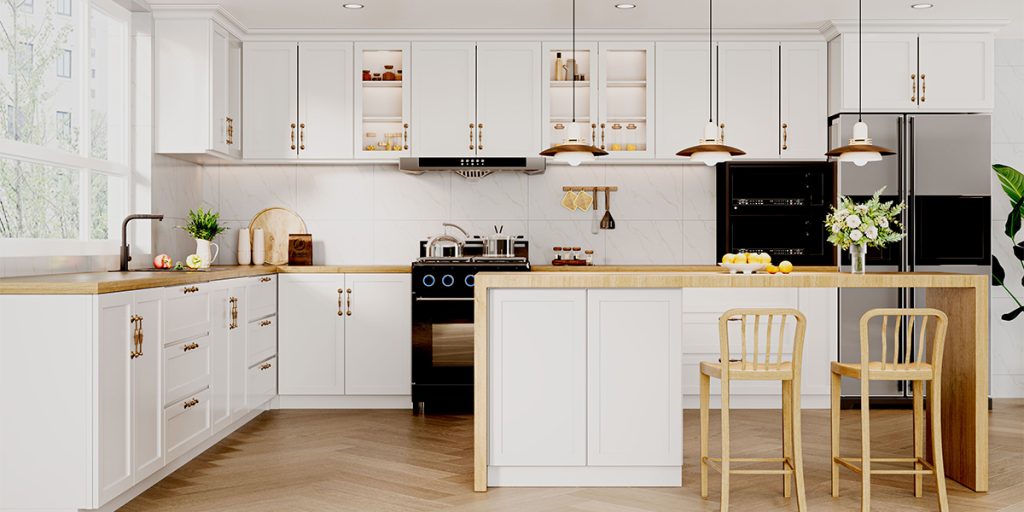
Modern minimalist kitchens favor flat panel doors and handle free designs. Colors such as white, soft gray, blue, or natural wood tones create a clean and calm atmosphere. These cabinets pair well with sleek countertops and subtle hardware, fitting minimalist and Scandinavian interiors.
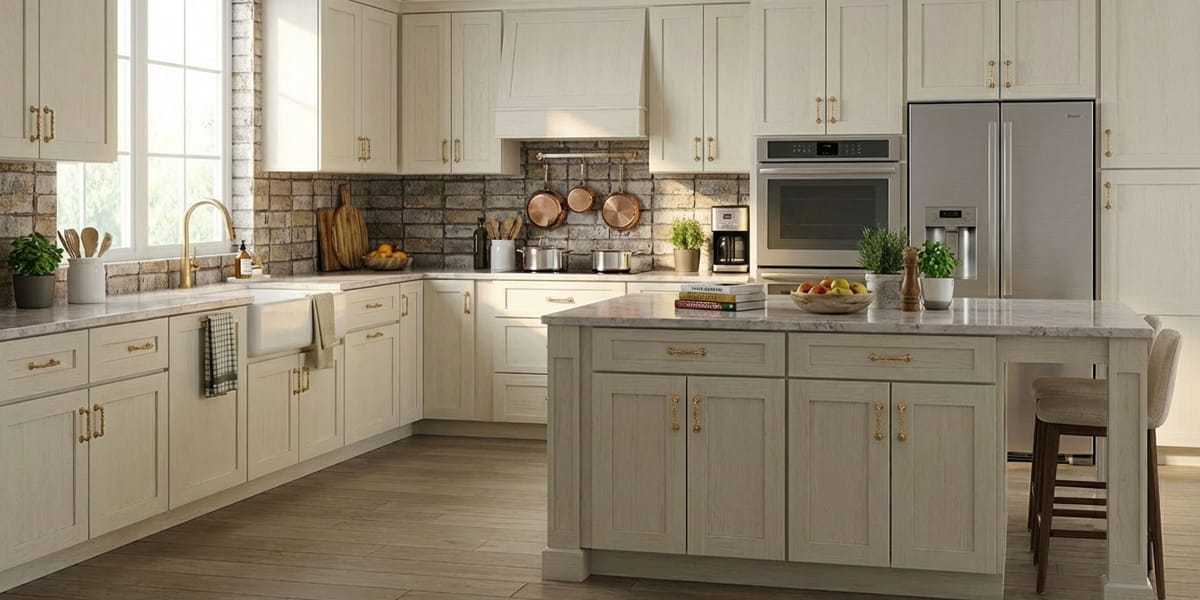
Classic country style kitchens use molded doors and soft finishes in warm tones like cream or light green. Combined with textured tiles or wood inspired surfaces, they create a cozy and inviting feel. When choosing this style, quality surface finishes are important to prevent aging or discoloration.
Industrial style kitchens often feature stainless steel cabinets or dark painted doors paired with concrete inspired surfaces and black hardware. Exposed elements add character and suit loft style apartments or homeowners who prefer a bold and personalized look.
Choosing kitchen cabinets is about finding the right balance rather than chasing trends. It is best to set a clear budget first and then select options based on kitchen size household habits and overall design style. Drawing on more than ten years of experience as a designer, I often recommend cabinets from RaraRTAcabinets. The brand understands modern lifestyle needs well. Their shaker style cabinets feature clean lines and a timeless look, use environmentally friendly HDF materials, and offer a range of simple colors and configurations supported by thoughtful service. This makes it easier to achieve a balance between quality function and appearance.
In the end, the best kitchen cabinet is not the most expensive one but the one that suits you best. With smart choices in materials layout and design, even a small kitchen can deliver great functionality and make cooking a pleasure rather than a chore.


Related posts
When people shop for new cabinet doors, they often focus on color, style, or finish first. That makes sense. But in real home projects, the... Continue reading
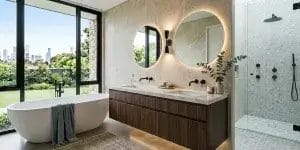
Painting bathroom cabinets is not the same as painting a dresser or a living room shelf. A bathroom is a humid space, which means the... Continue reading
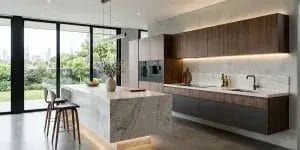
Floating cabinets are beautiful. They make a space feel lighter, cleaner, and more refined. No bulky legs, no visual clutter — just a clean, modern... Continue reading
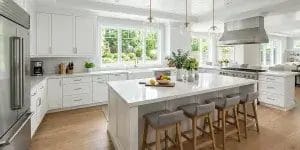
Cabinets take up a large part of any kitchen, bathroom, or laundry room. When the color no longer feels right, the whole space can start... Continue reading
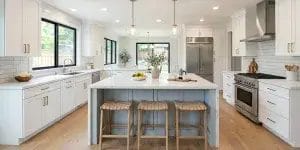
Installing an undermount sink and cabinets might seem straightforward, but the truth is, proper installation is key to keeping your kitchen safe and functional for... Continue reading








Add comment